halftone effect
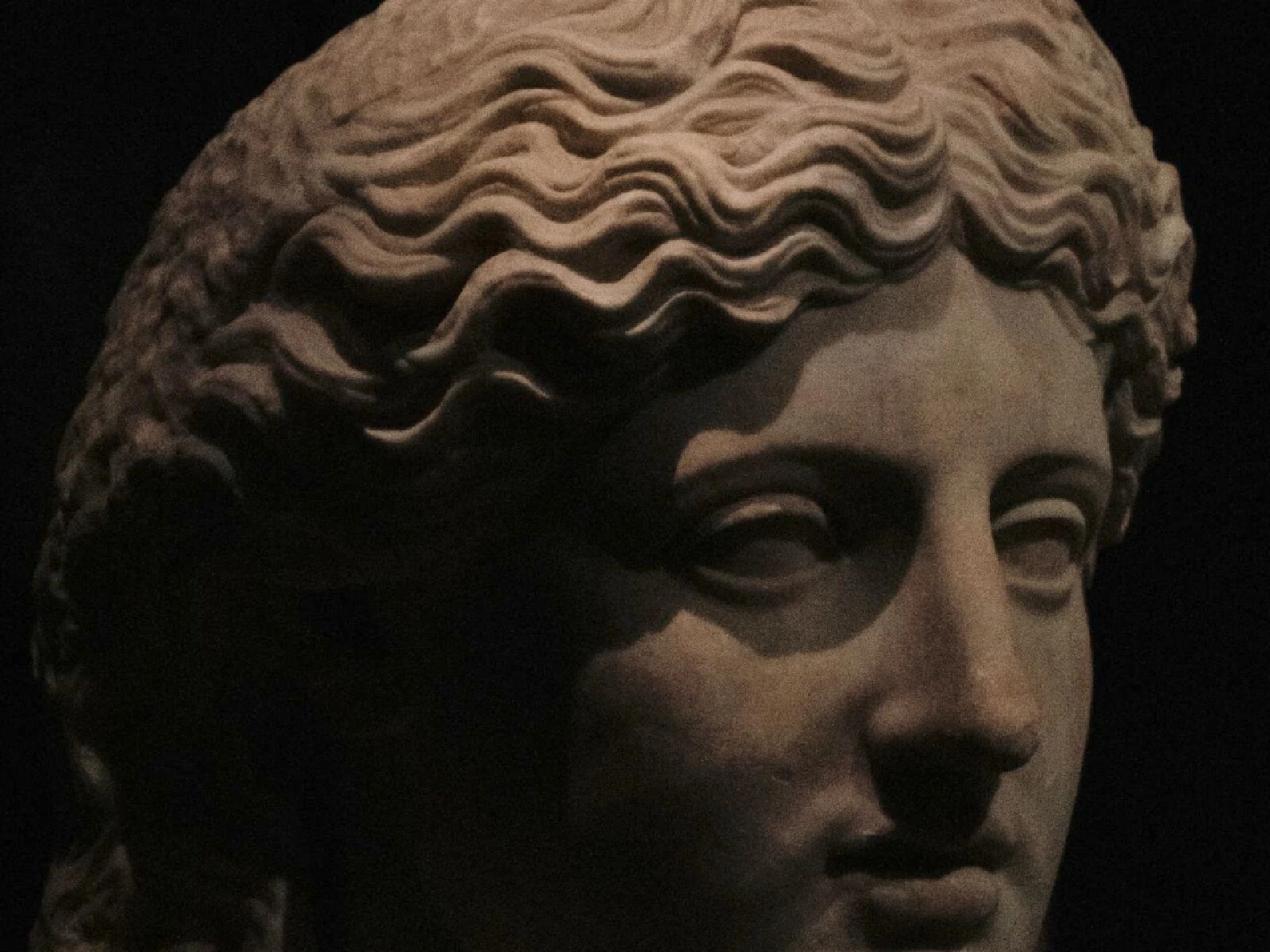
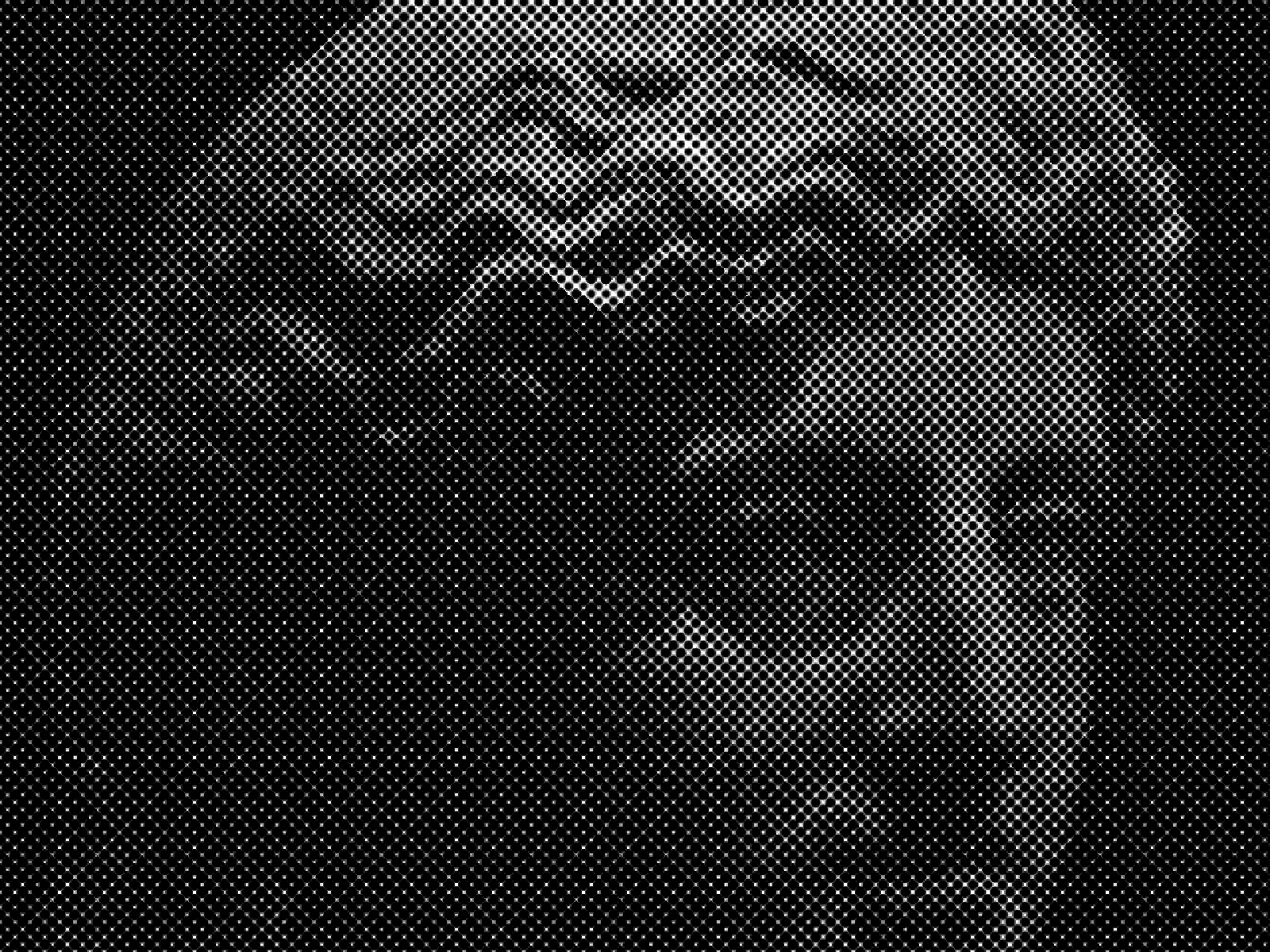 SourceEffect
01/ ORIGIN
The screen predates the photograph in print. William Fox Talbot suggested breaking an image through a gauze in 1852, but it took until 1880 for Stephen Horgan to run a halftone photograph in a newspaper, in the New York Daily Graphic. Frederic Ives in Philadelphia made the process commercial through the 1880s, and by the turn of the century every illustrated paper in the world was built on it. For roughly a hundred years, if you had seen a photograph at all, you had seen a halftone of one.
02/ SWEEP
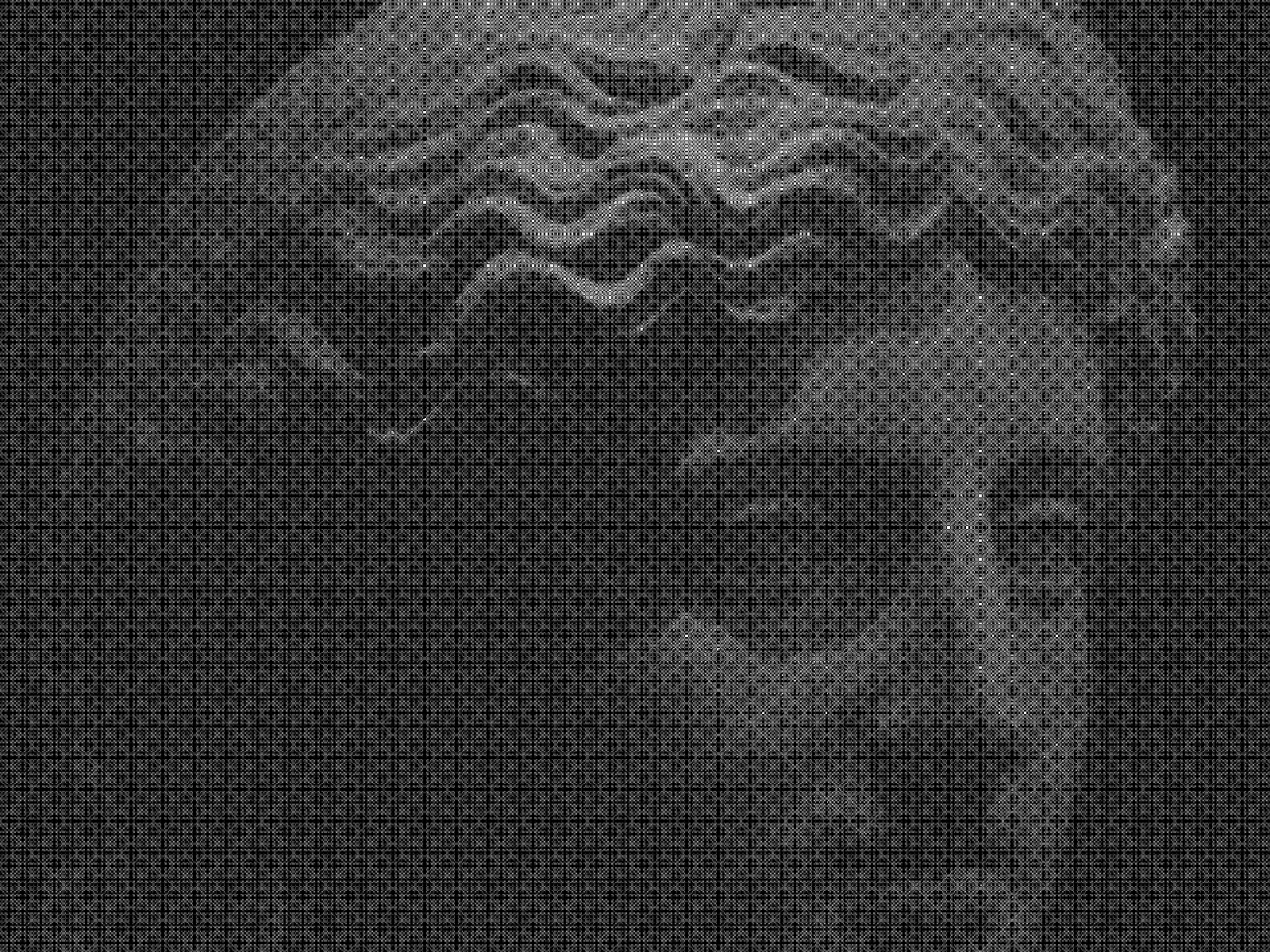
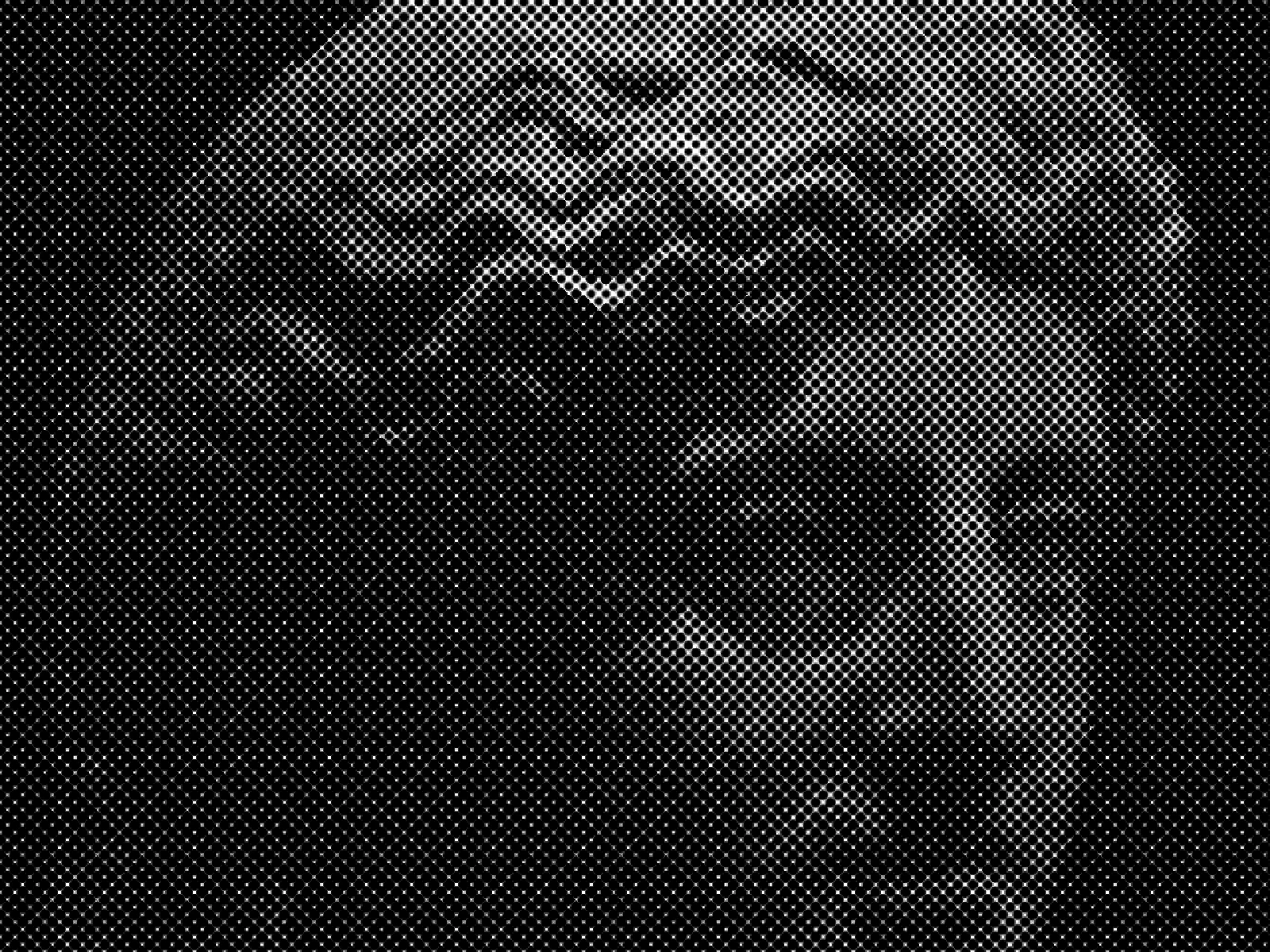
CELL sweep
03/ SPEC
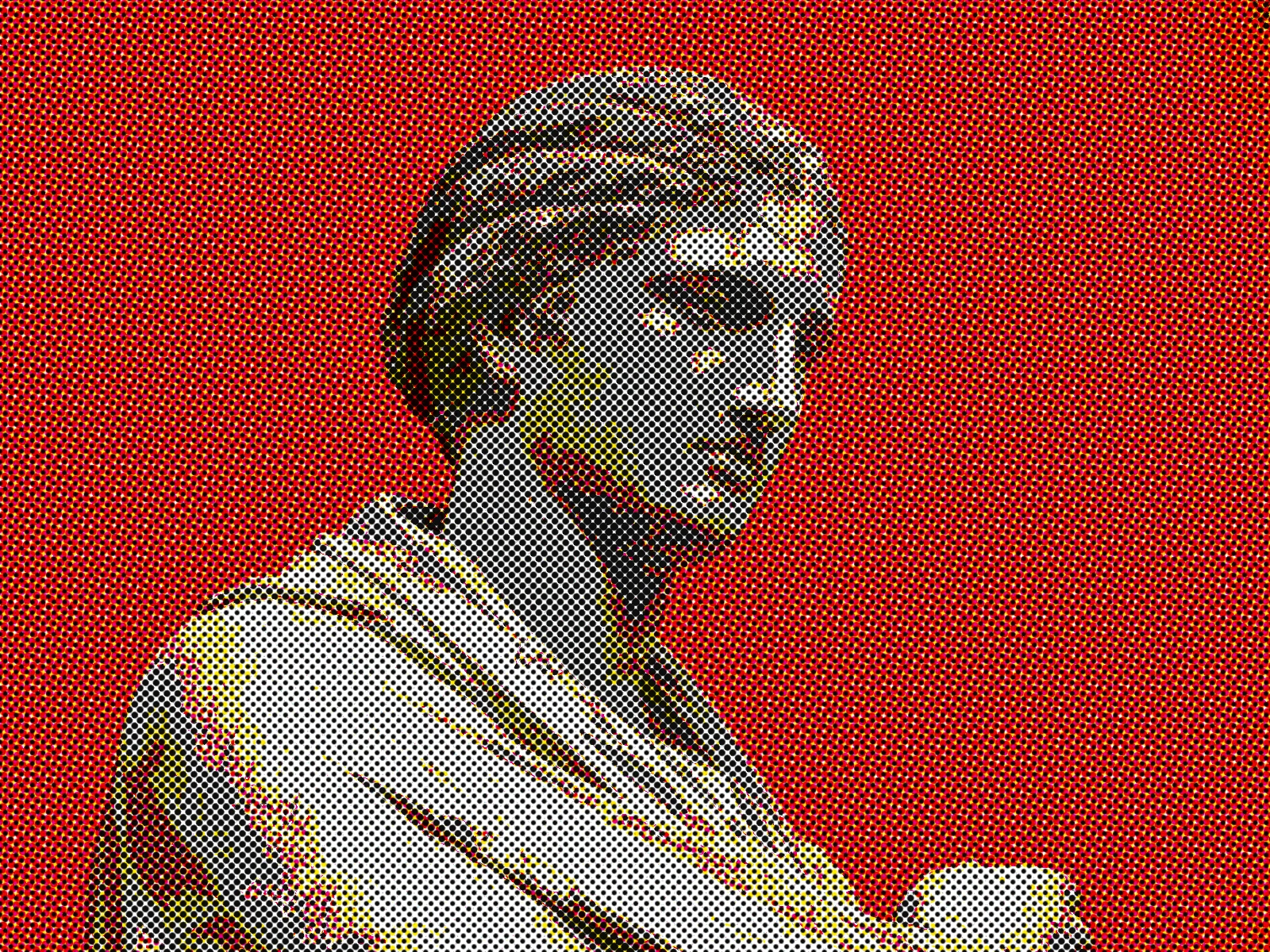
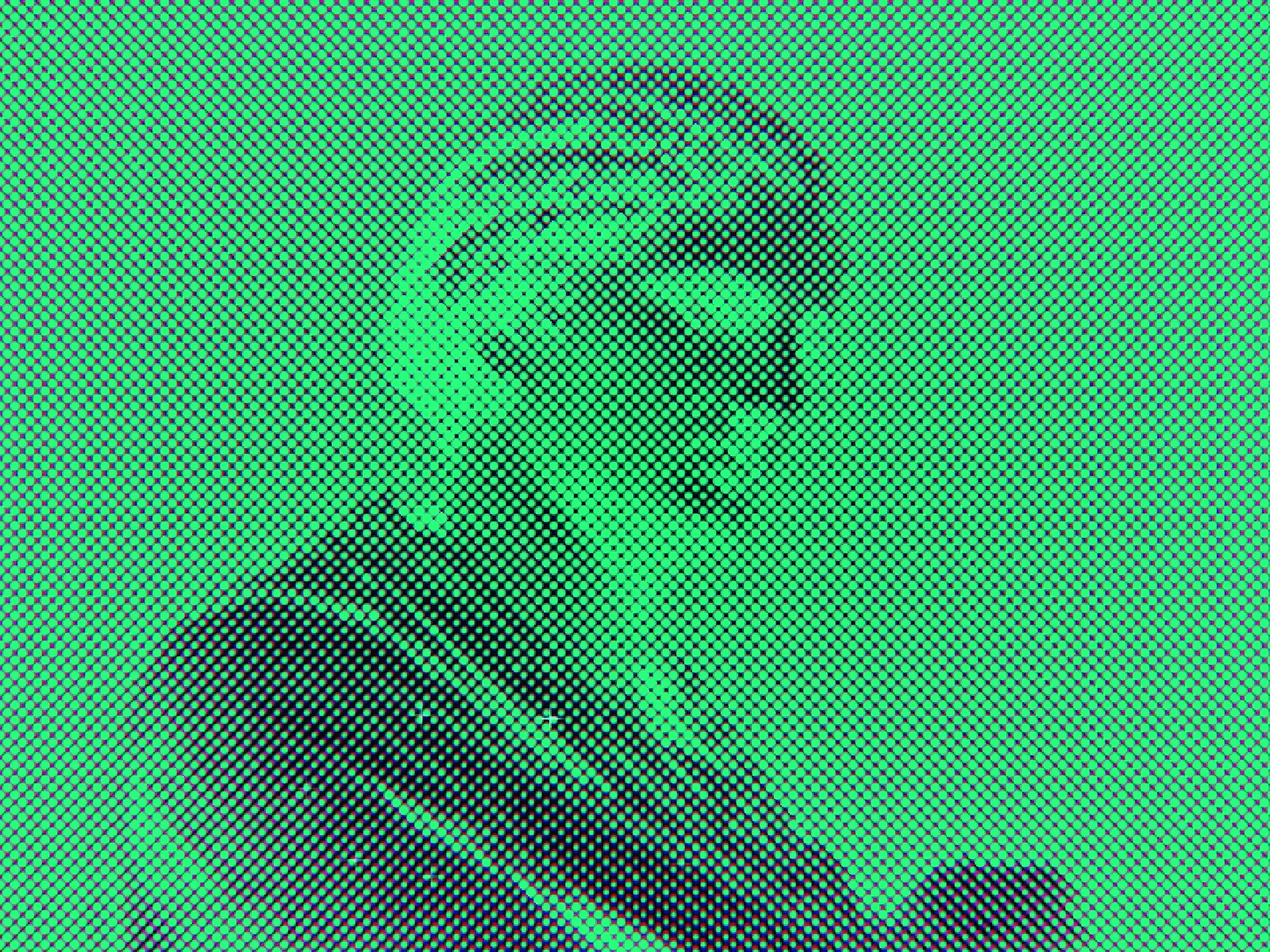
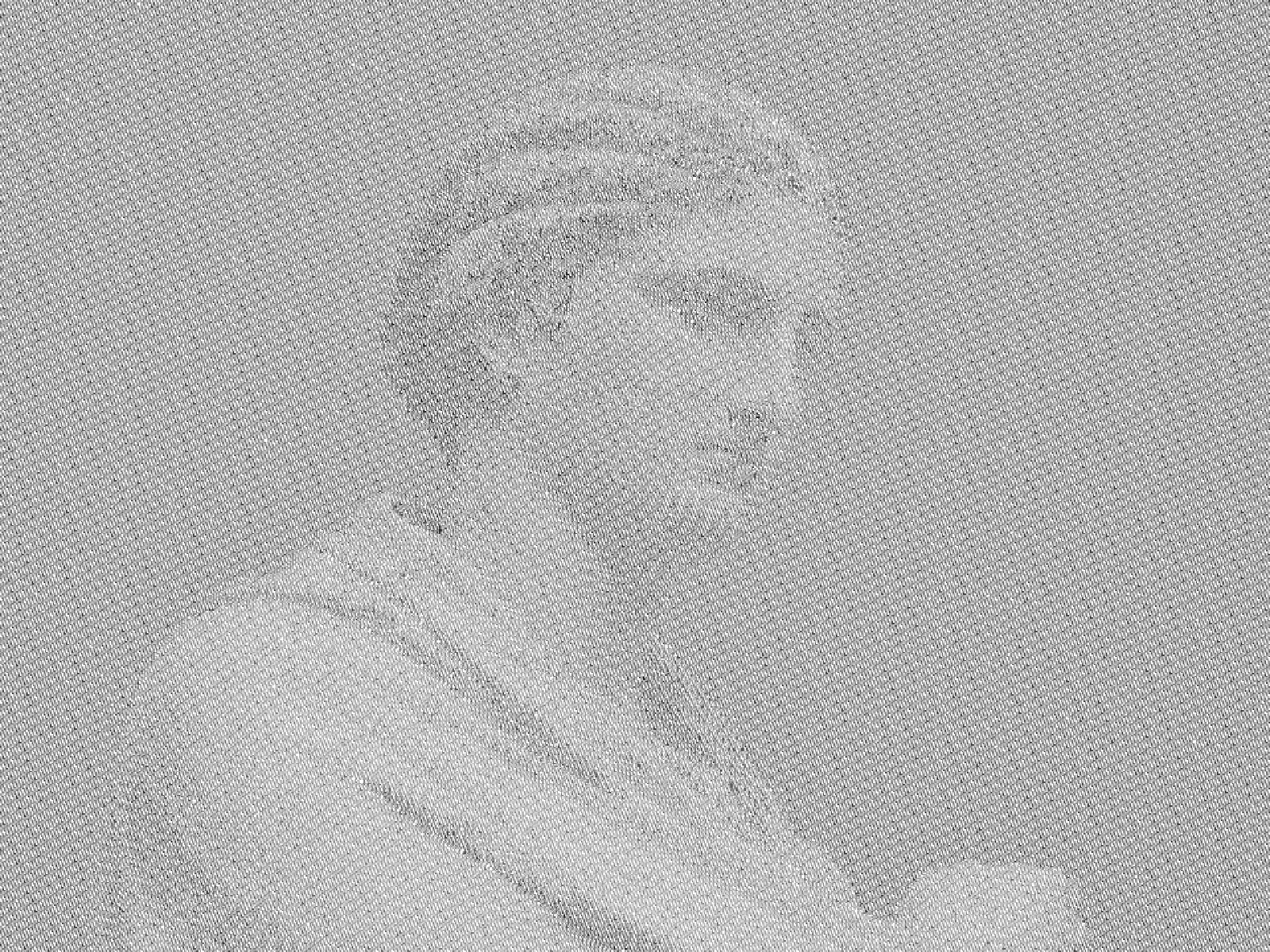
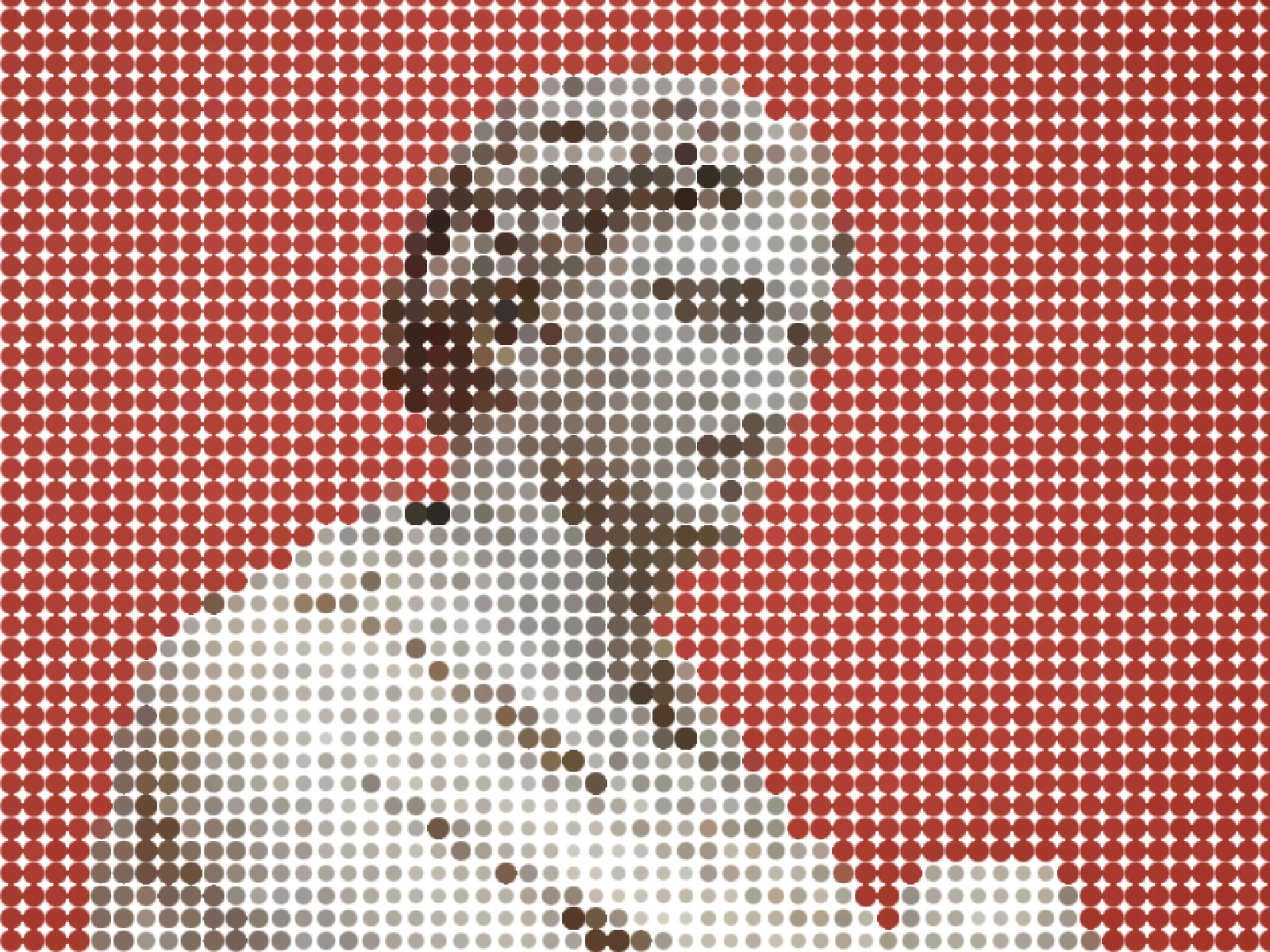
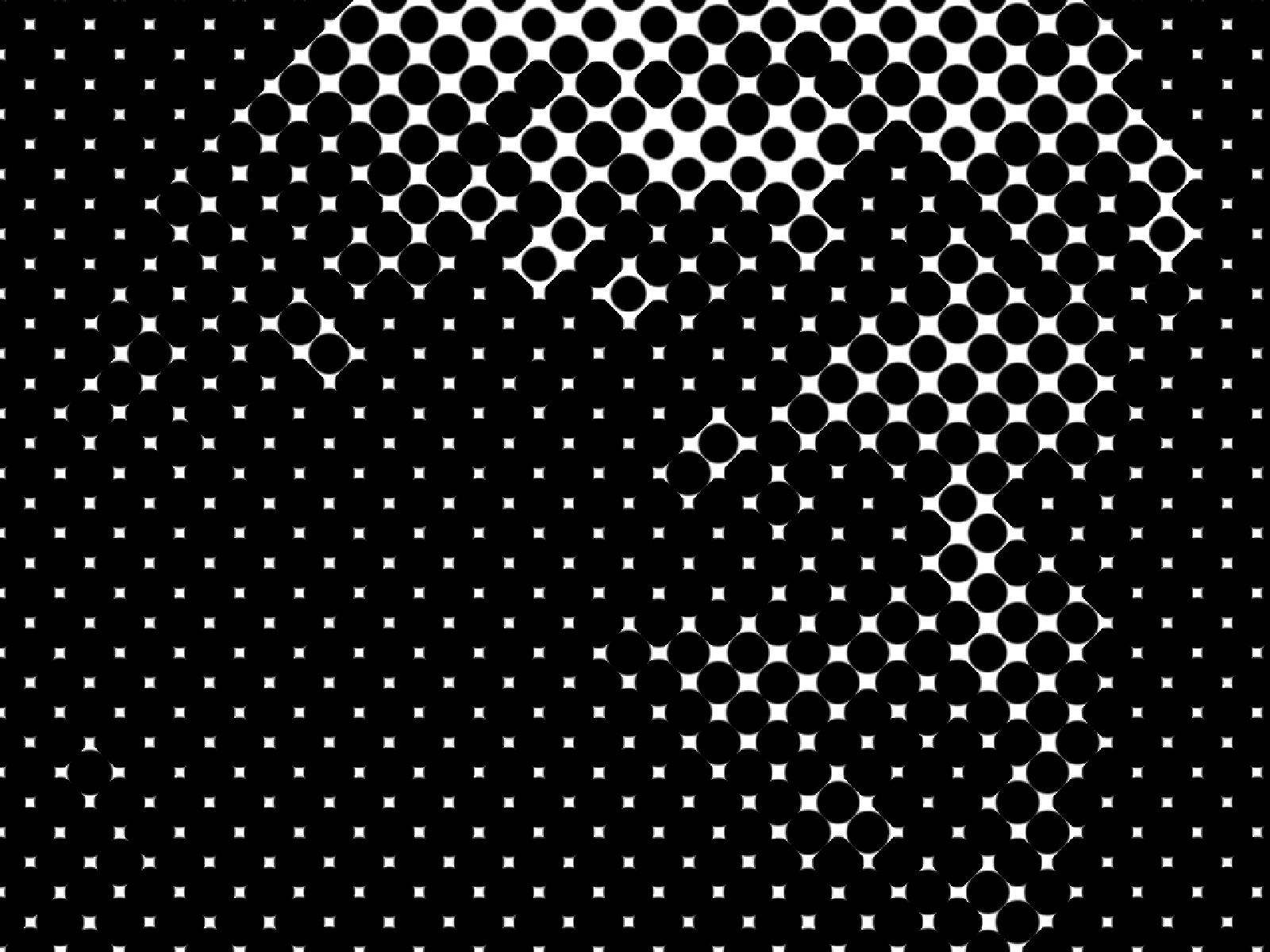
A halftone screen samples the image on a rotated grid and renders each cell as a dot whose size tracks the brightness beneath it. In kott it runs per pixel on the GPU. CELL sets the screen frequency from 2 to 32 pixels, default 8. ANGLE rotates the grid from 0 to 90 degrees. SHAPE selects CIRCLE, SQUARE, LINE or CROSS, and LINE at 45 degrees produces an engraved look rather than a newsprint one. MODE switches between MONO and CMYK; CMYK offsets the four inks to 15, 75, 0 and 45 degrees to avoid moire. Start at CELL 8 on an image wider than 1600 pixels. Below roughly 800 pixels the grid competes with real detail and faces stop reading.
04/ FAQ
- What is a halftone effect?
- A halftone effect reproduces a continuous-tone image as a grid of dots whose size varies with brightness, the way a printing press does. Large dots read as dark areas and small dots read as light ones.
- What CELL size should I use for halftone?
- Start at CELL 8 on an image wider than about 1600 pixels, then work down. Below roughly 800 pixels wide the dot grid competes with real detail and faces stop being readable.
- Why are CMYK halftone screens rotated to different angles?
- Four ink screens at the same angle produce a moire pattern. Offsetting cyan, magenta, yellow and black to 15, 75, 0 and 45 degrees keeps the dots from colliding, which is why kott uses those defaults.
05/ OUT