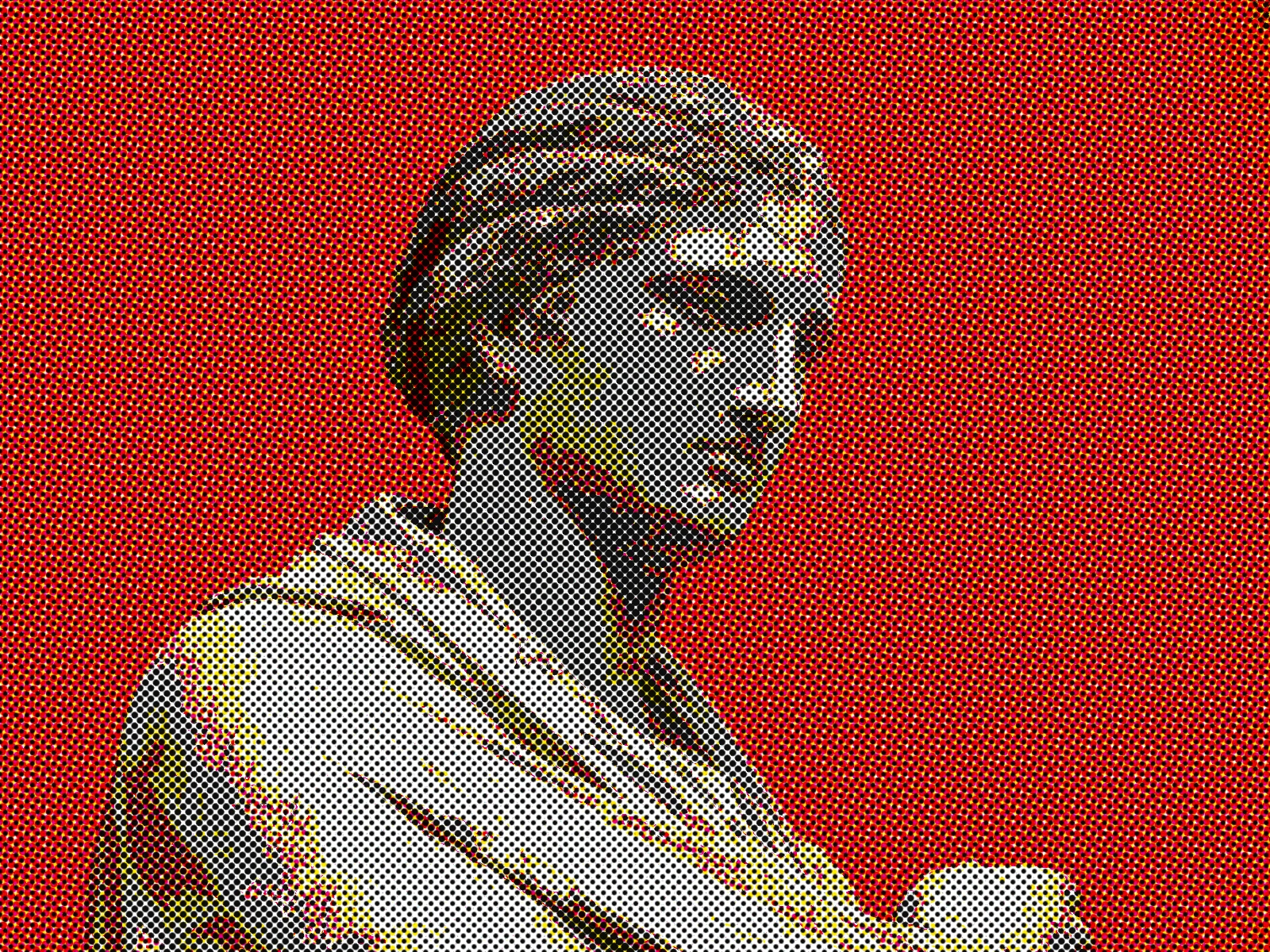
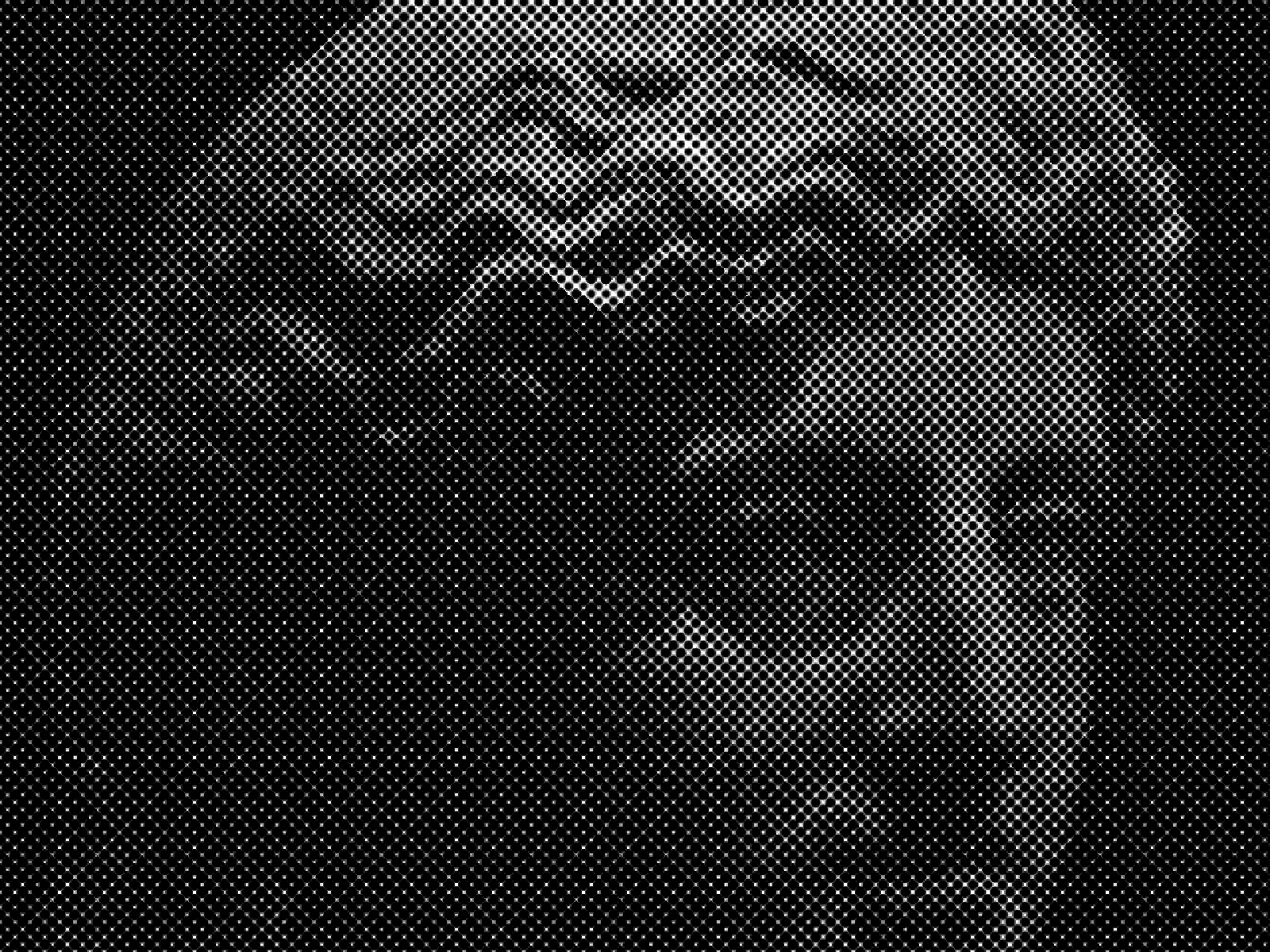
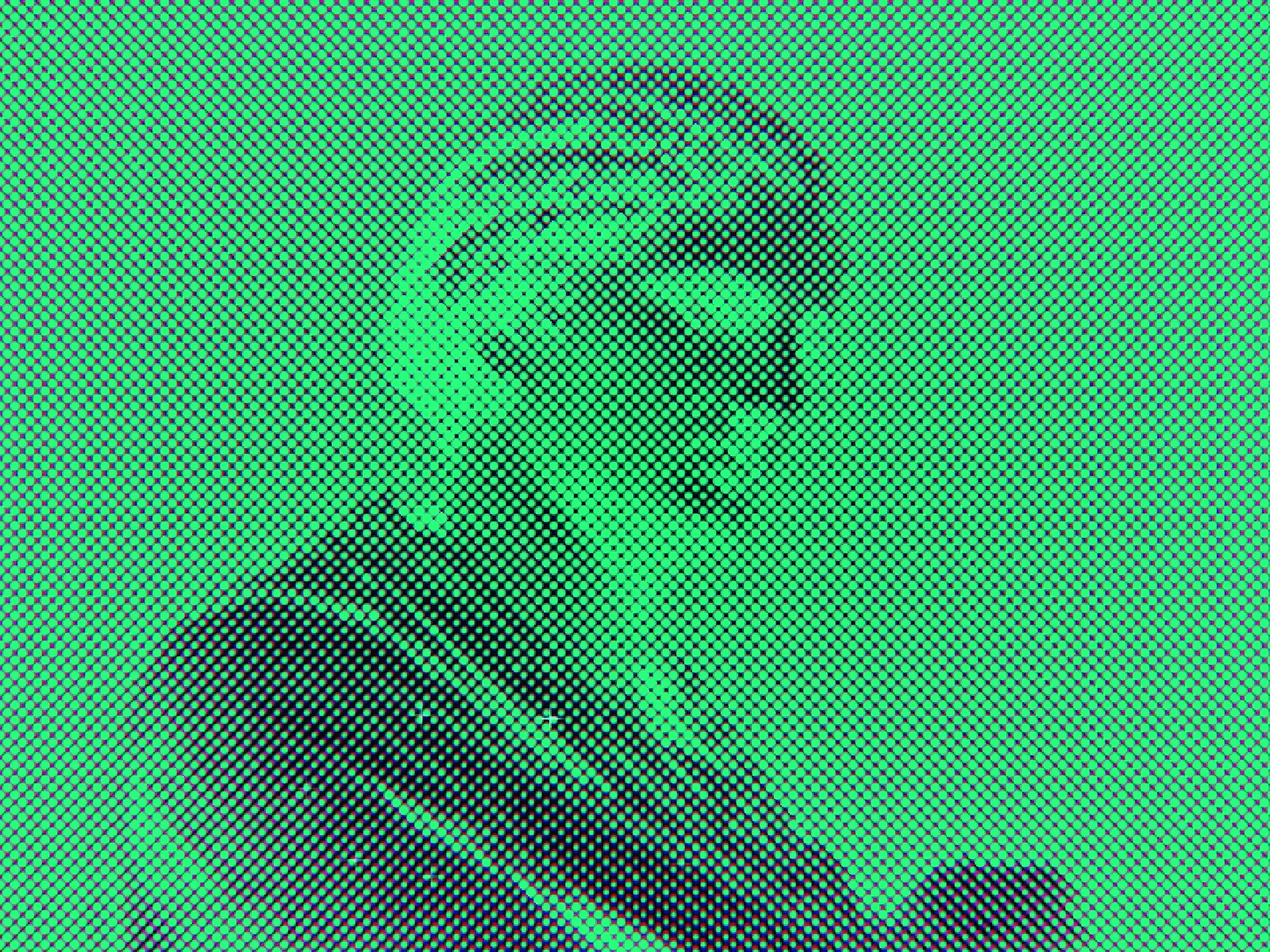
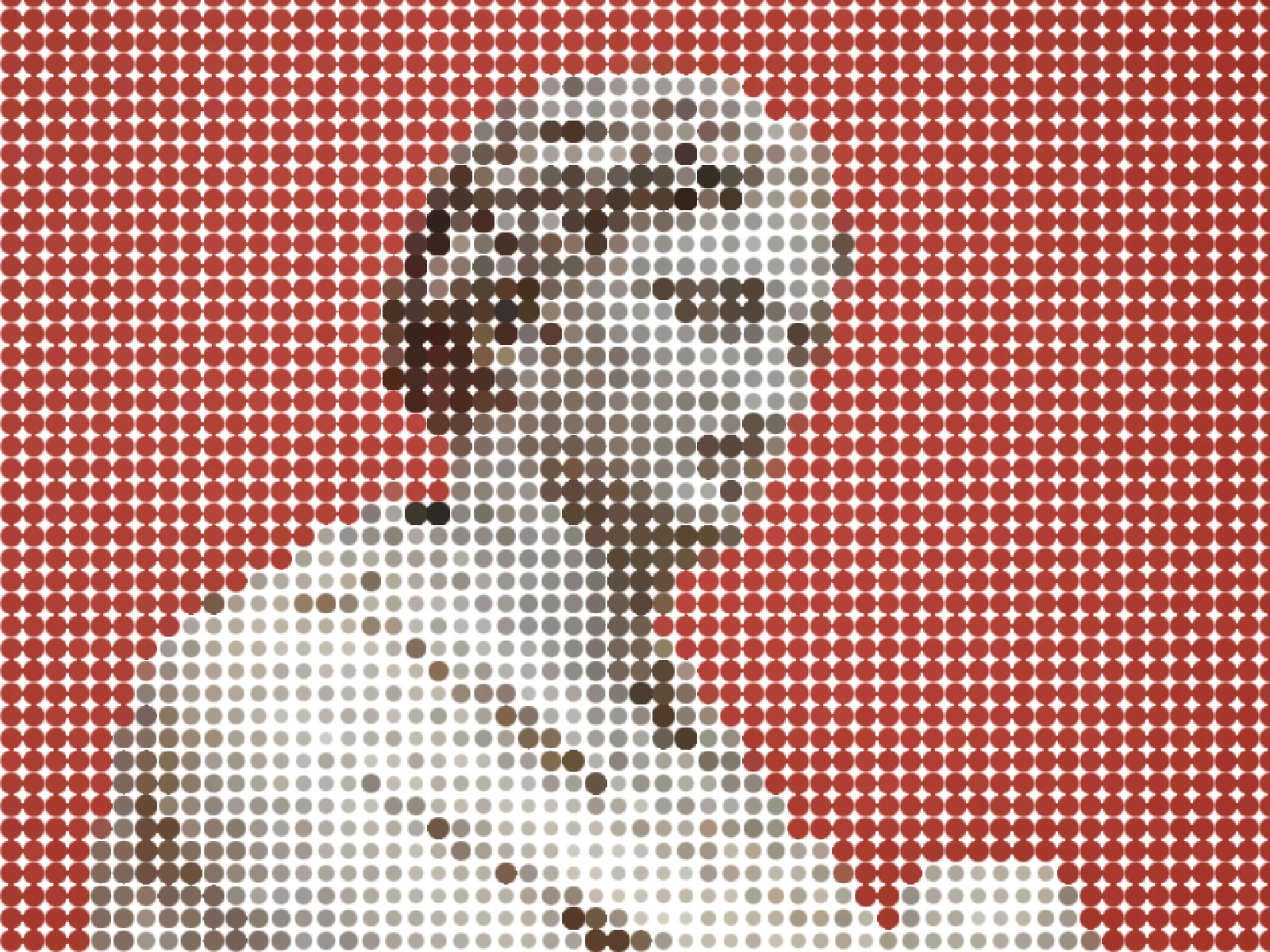
moire effect
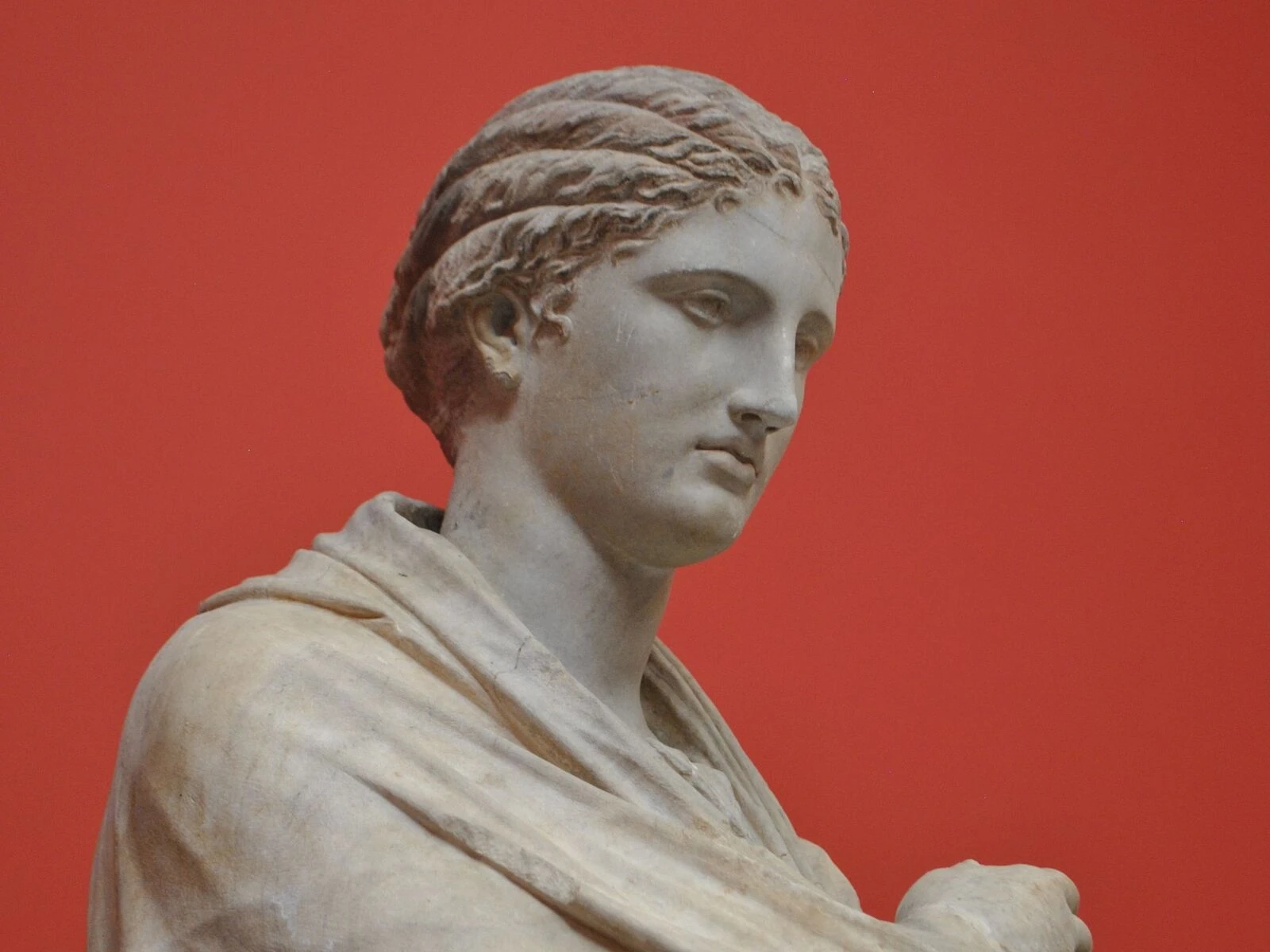
 SourceEffect
01/ ORIGIN
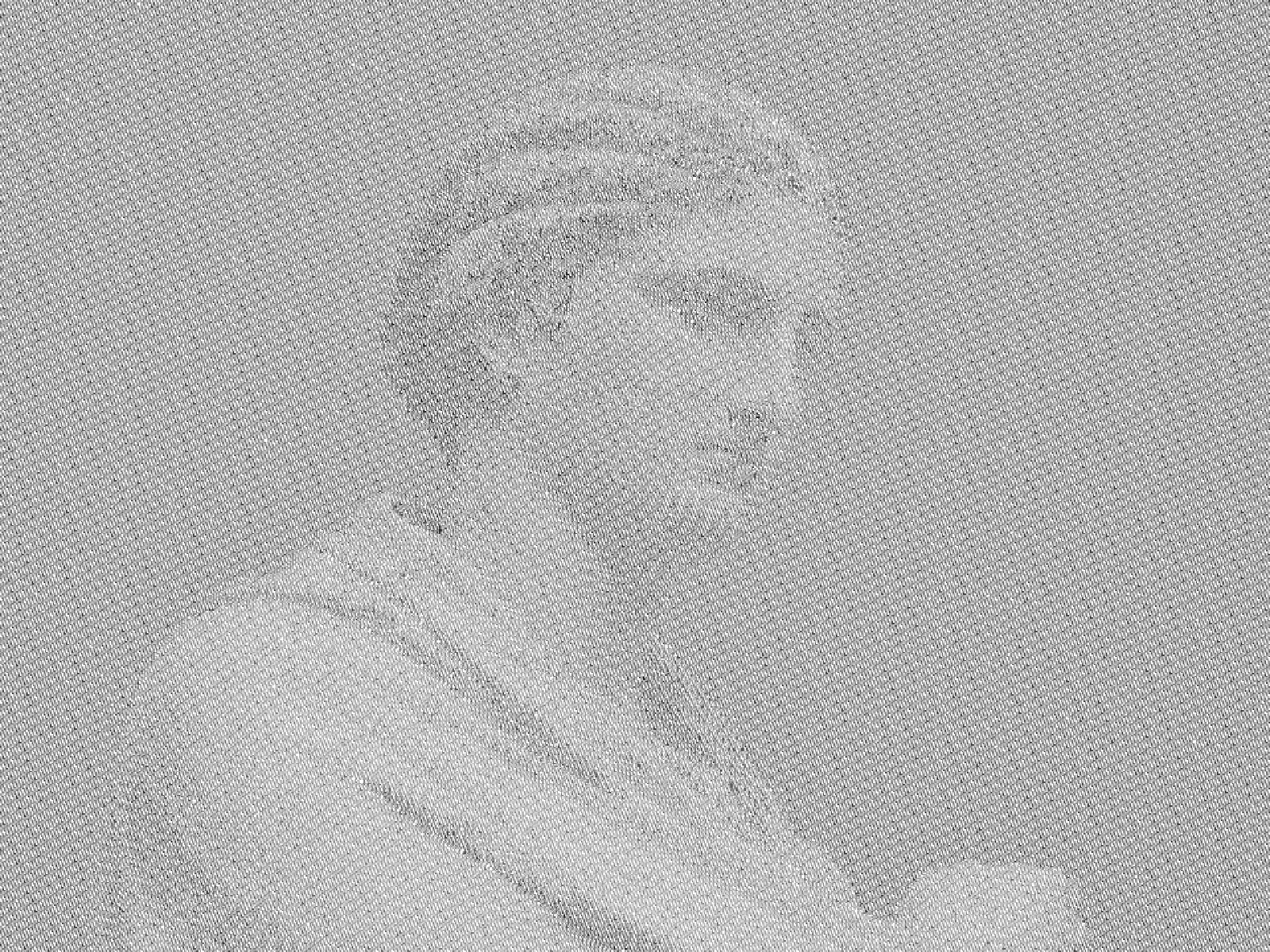
Moire is interference, not texture. Overlay two regular patterns at a small angle and a third, much coarser pattern appears that exists in neither of them, produced purely by where their elements nearly coincide. It is the reason printers rotate CMYK halftone screens to specific angles, the reason a striped shirt shimmers on television, and the reason camera sensors ship with optical low-pass filters. Almost every use of the word describes something an engineer was trying to eliminate.
02/ SWEEP
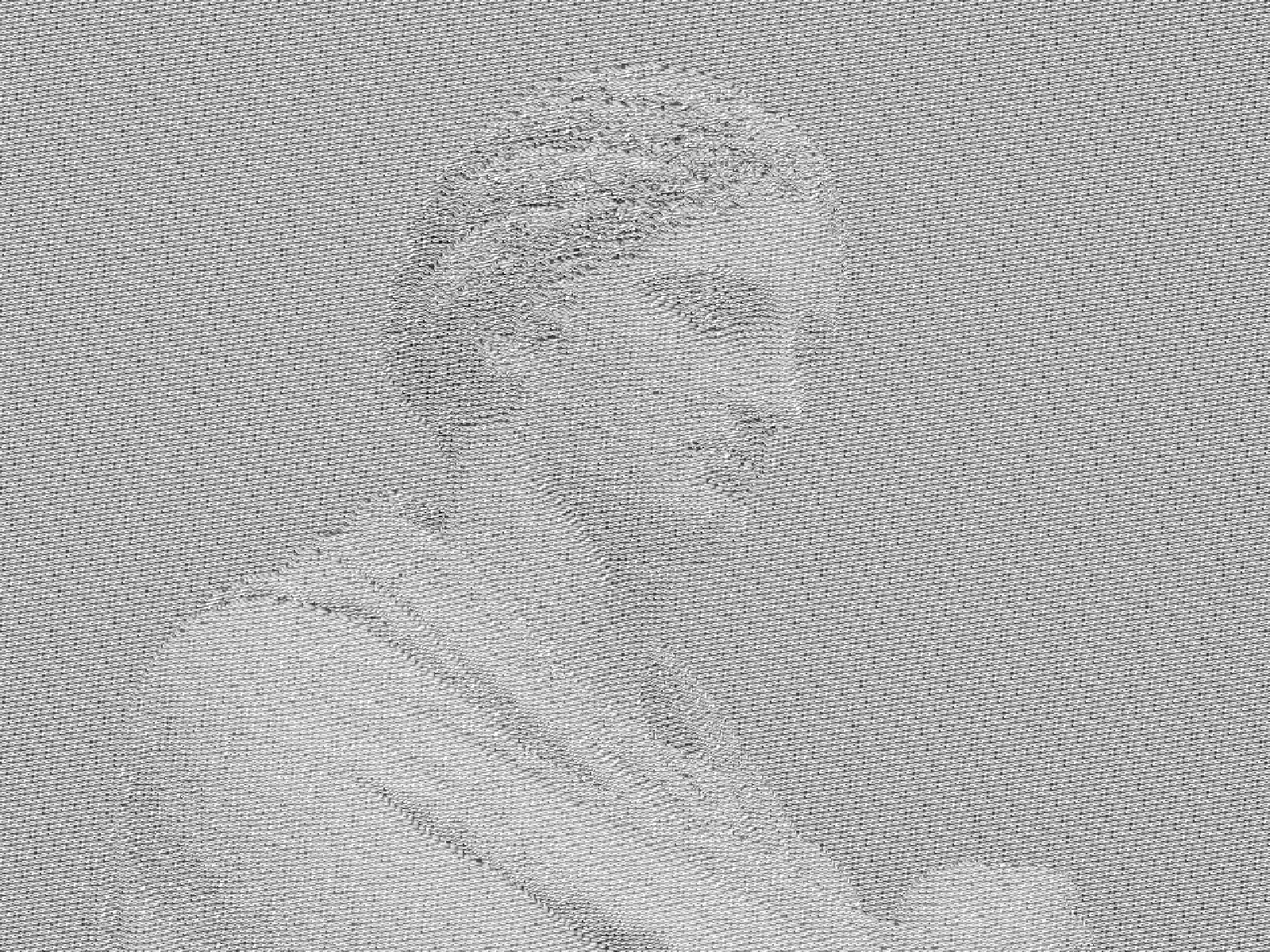
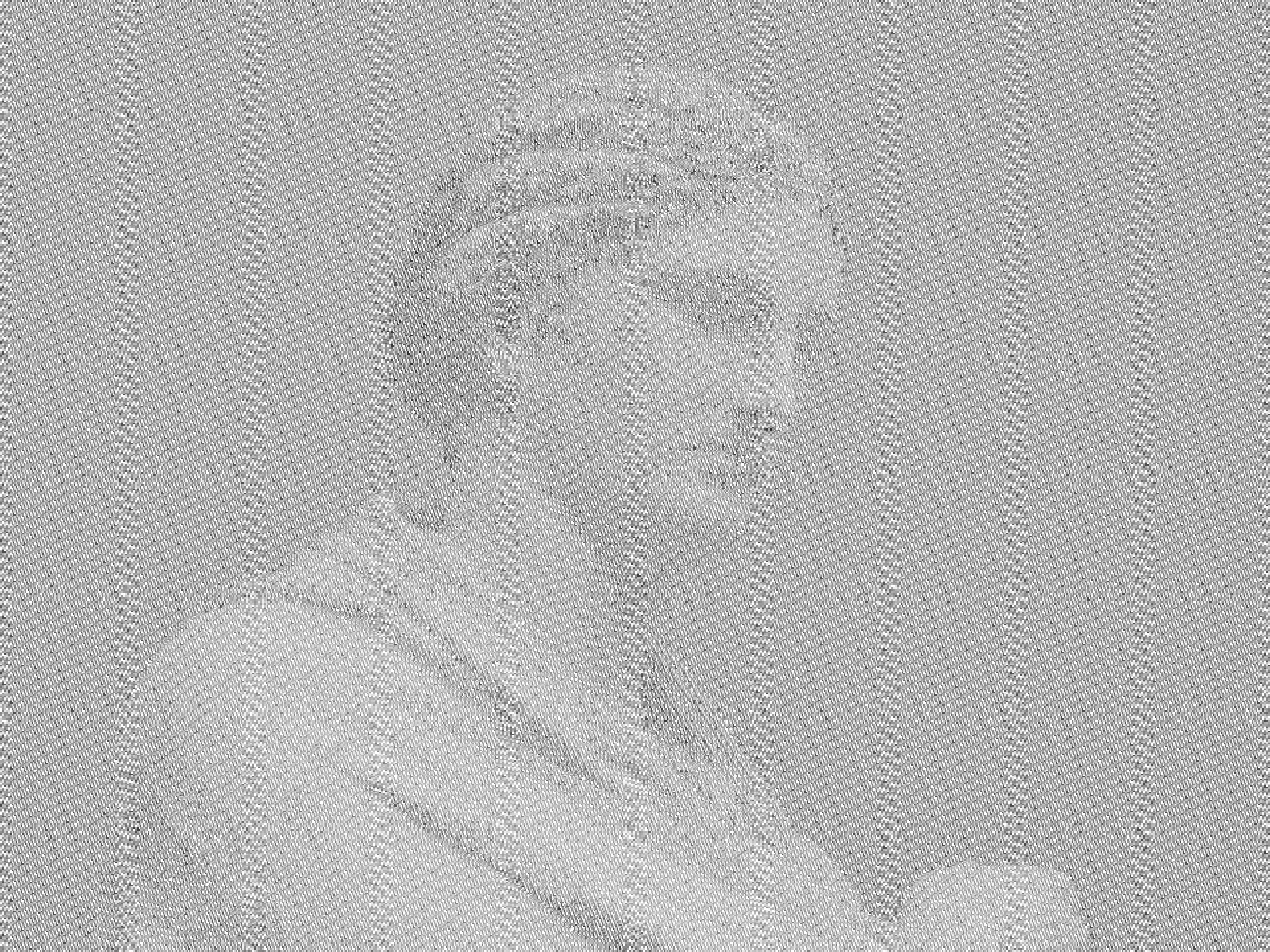
PITCH sweep
03/ SPEC
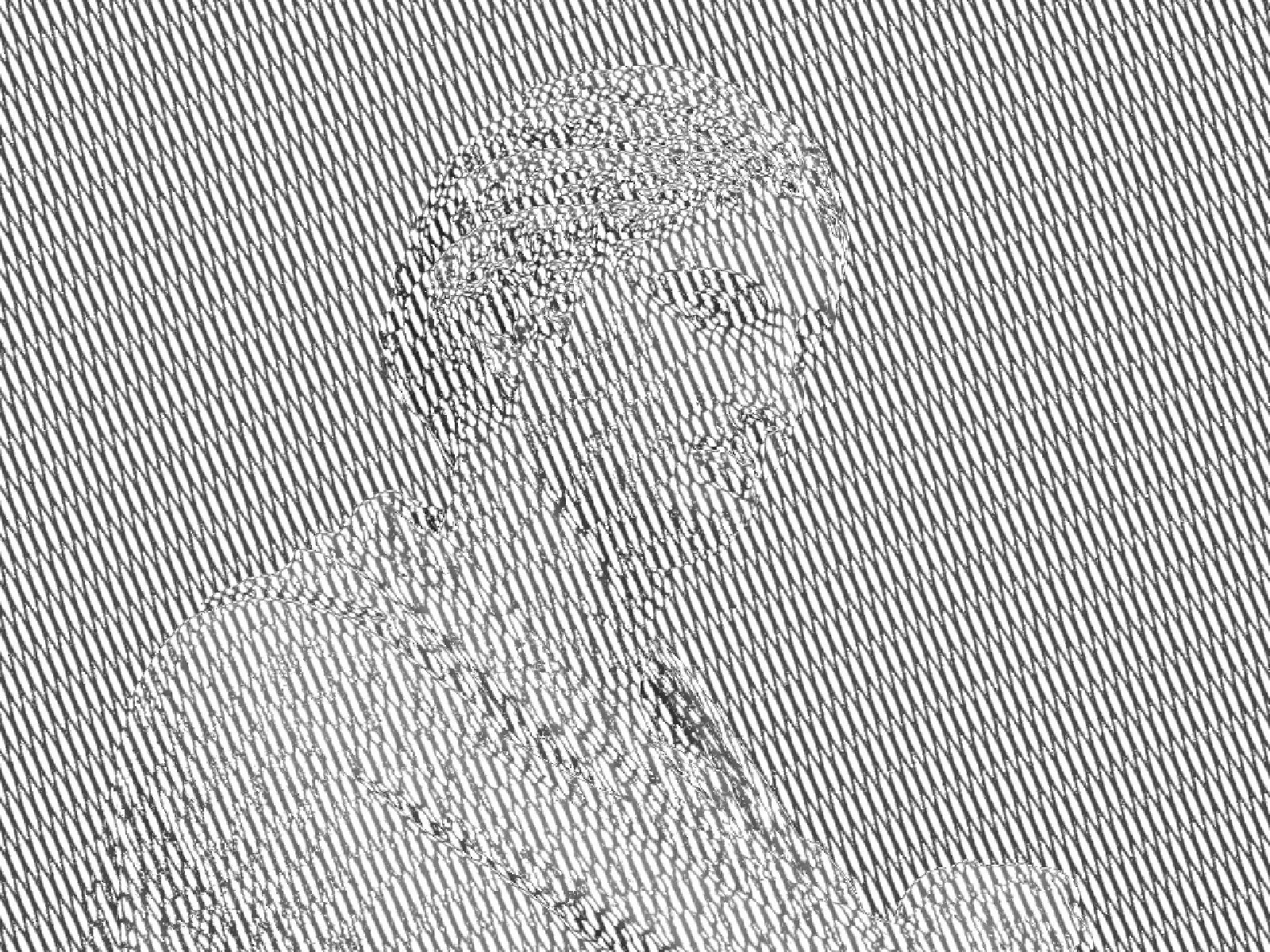
This effect generates two overlapping regular line patterns at an angular offset, so the visible beat pattern is genuine interference rather than a texture drawn on top. PITCH runs from 1 to 12 pixels with a default of 3 and sets the line spacing of the grids, which together with the offset determines how coarse the resulting beat is. SEPARATION and ANGLE control the offset between the two grids, WEIGHT sets line thickness, and SHIMMER is an advanced control. In kott it renders in natural colour so the beat reads against the source hue.
04/ FAQ
- What is a moire effect?
- A moire effect overlays two regular patterns at a slight angle, producing a third much coarser pattern that exists in neither of them. It is interference rather than texture.
- Why do printers rotate halftone screens?
- To avoid moire. Four ink screens at the same angle interfere and produce a visible beat pattern, so they are offset to 15, 75, 0 and 45 degrees to keep their dots from nearly coinciding.
- Why do striped shirts shimmer on camera?
- The stripe frequency beats against the sensor's pixel grid, producing moire. It is why many cameras include an optical low-pass filter that deliberately softens fine detail.
05/ OUT