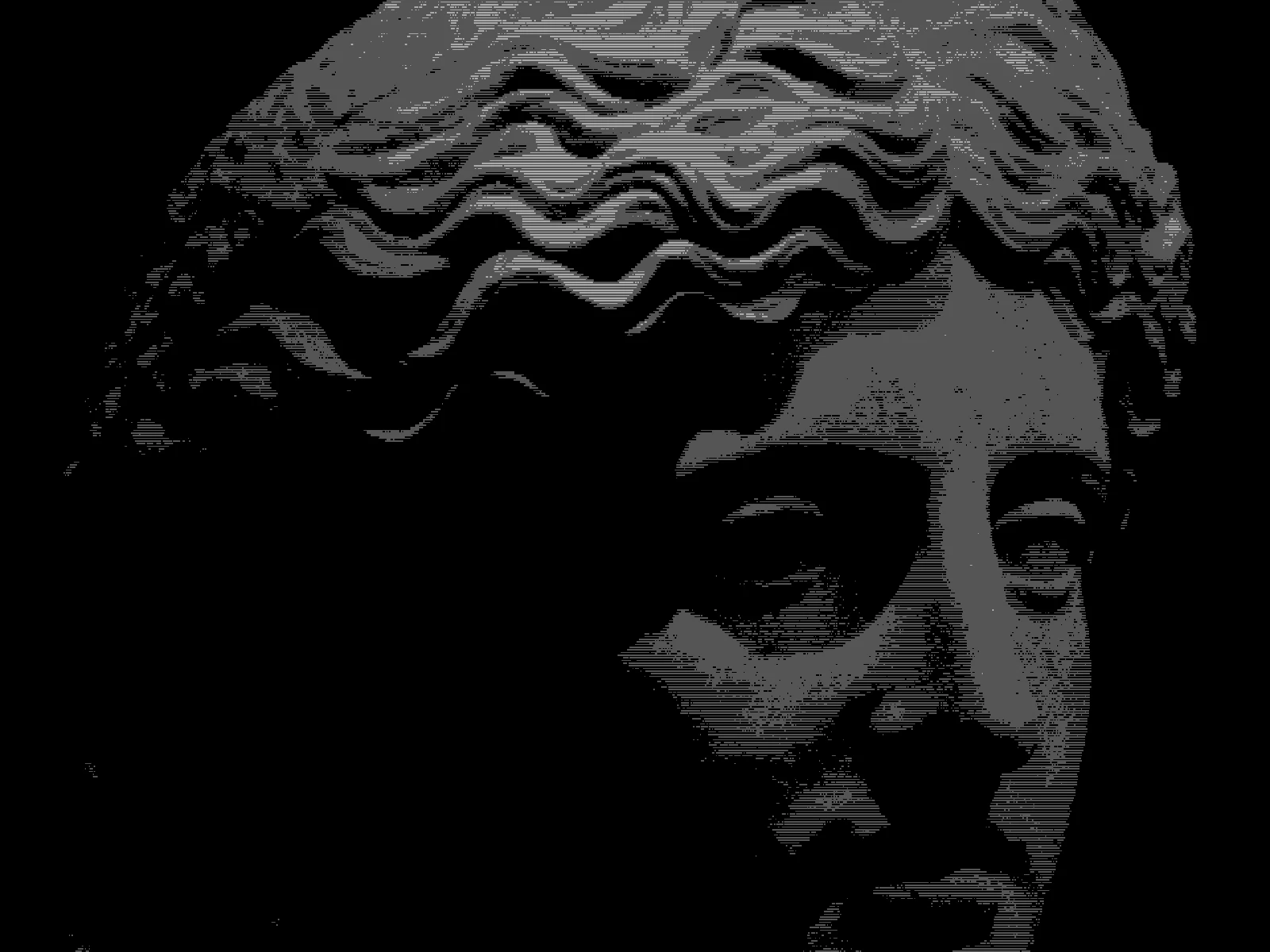
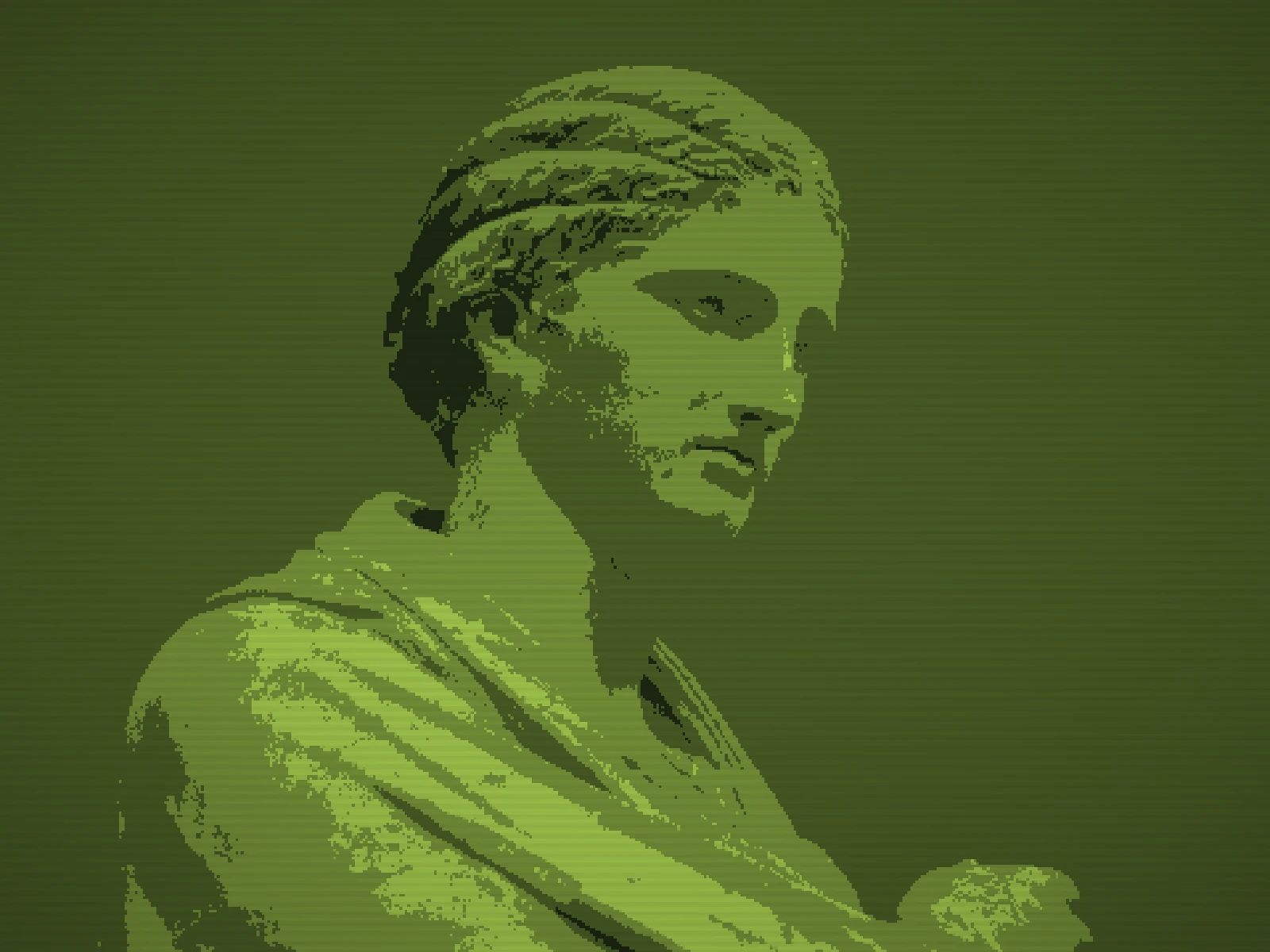
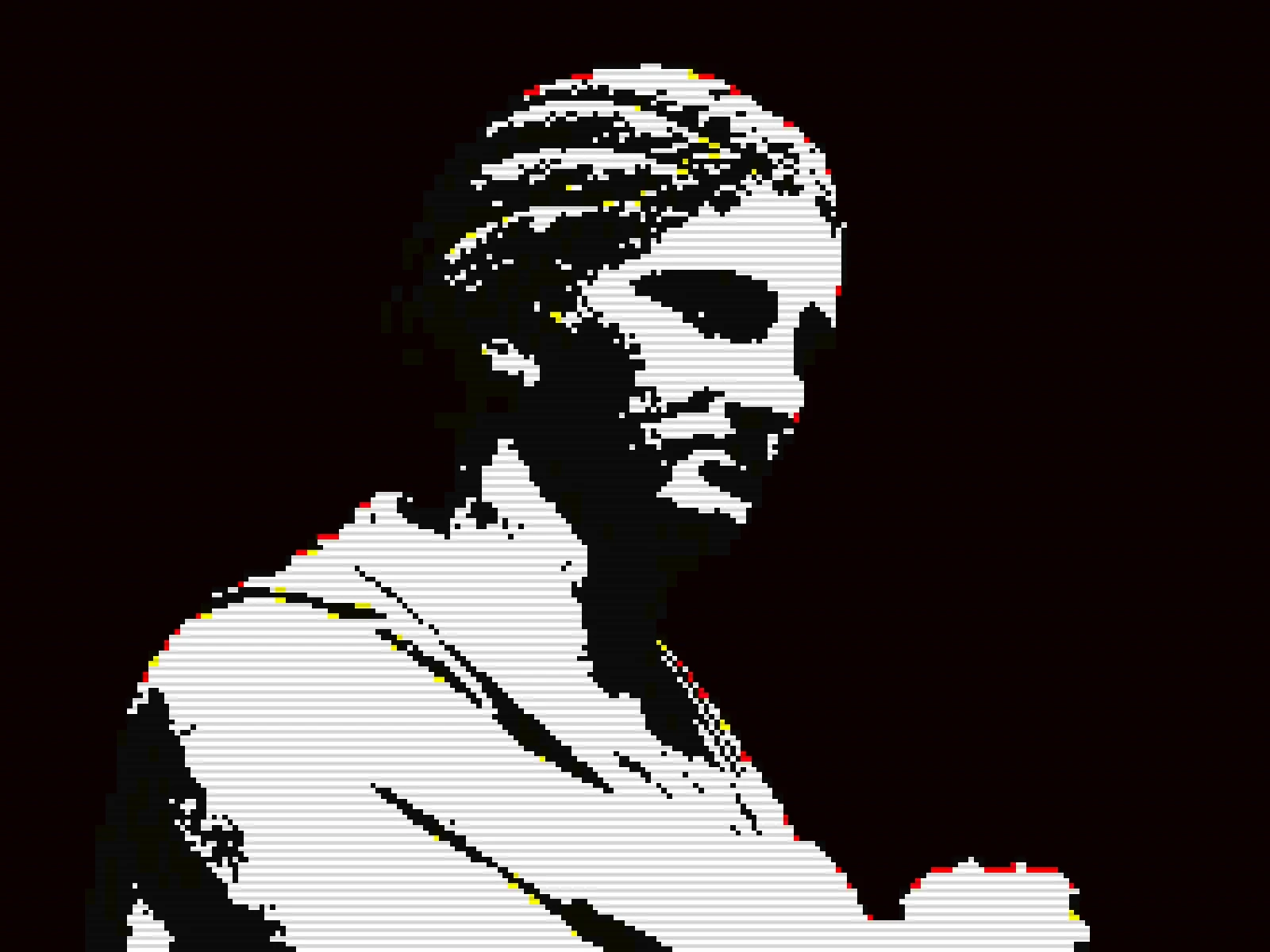
ntsc effect

 SourceEffect
01/ ORIGIN
NTSC colour was designed in 1953 to add colour to an existing black and white broadcast standard without breaking any set already in the field. Chroma was folded into the same signal as luminance at a much narrower bandwidth, which worked, and which also produced dot crawl along vertical edges, cross-colour shimmer on fine patterns, and colour that bled sideways. Engineers spent forty years reducing these. Digital broadcast removed them completely, and then people missed them.
02/ SWEEP
CHROMA sweep



03/ SPEC
This effect models composite video encoding rather than adding a generic vintage tint, reproducing the specific artifacts of folding chroma into a luminance signal. CHROMA from 0 to 1 with a default of 0.6 sets overall colour strength and bleed. DOT CRAWL adds the moving dot pattern that appeared along vertical colour edges. CROSS COLOR generates false colour on fine repeating detail, the artifact that made striped shirts shimmer on television. BLEED from 0 to 8 pixels smears colour horizontally. In kott these are separate controls, so a specific decade of broadcast can be built rather than a generic analogue wash.
04/ FAQ
- What is an NTSC effect?
- An NTSC effect imitates the colour artifacts of analogue composite video: dot crawl on vertical edges, false colour on fine patterns, and colour bleeding sideways past its boundaries.
- What is dot crawl?
- Dot crawl is the moving pattern of dots that appeared along vertical colour edges in composite video, caused by chroma and luminance sharing one signal. It is the most recognisable NTSC artifact.
- What is the difference between an NTSC and a VHS effect?
- NTSC artifacts come from the broadcast signal itself, so they affect colour encoding. VHS artifacts come from tape and its transport, adding head drift, dropout and tracking error on top.