teletext effect
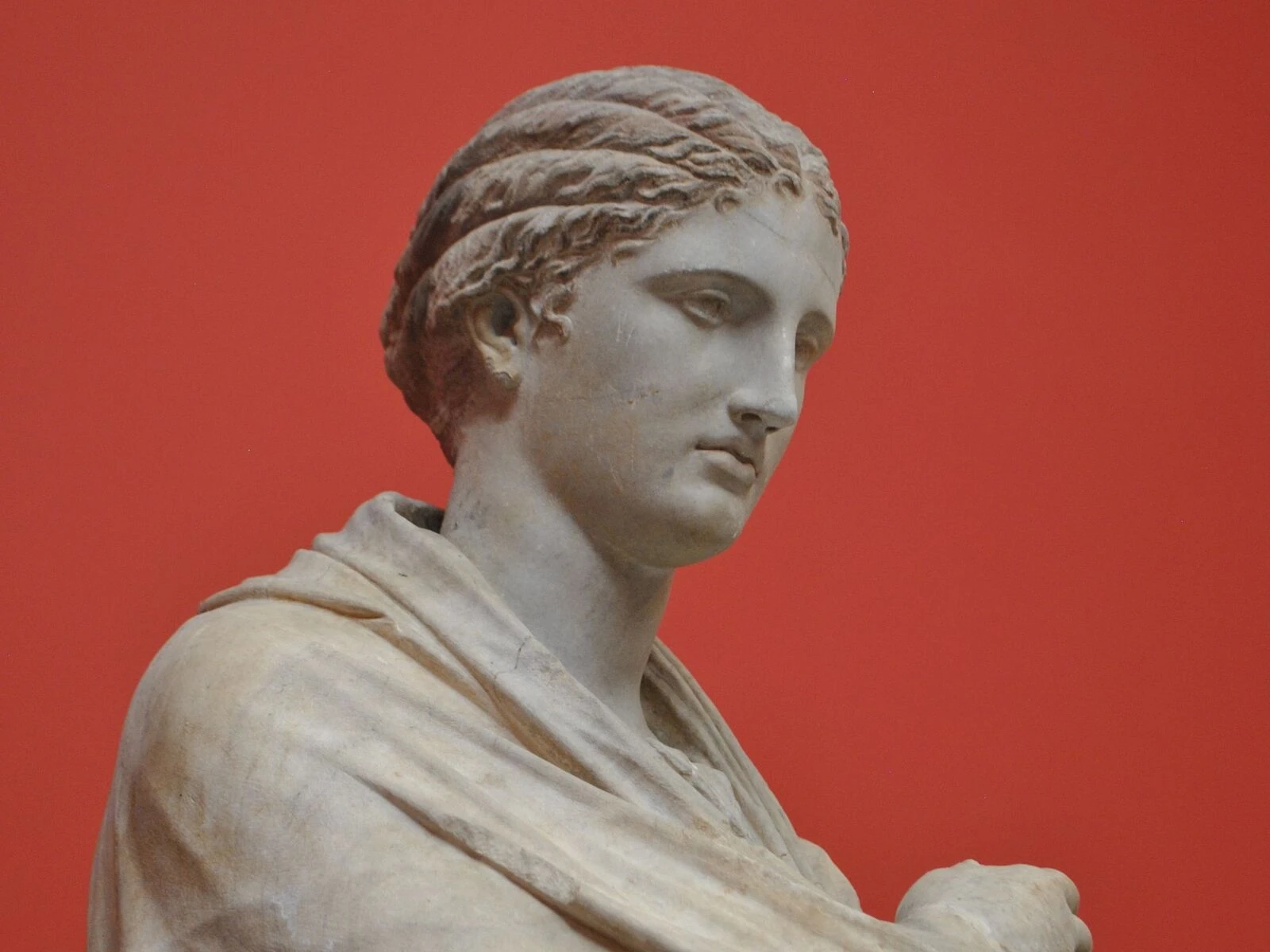
 SourceEffect
01/ ORIGIN
Teletext transmitted pages of text and blocky graphics inside the unused vertical blanking interval of an analogue broadcast, the sliver of signal between frames. The BBC launched Ceefax in 1974 and it ran until analogue switch-off in 2012. The format allowed forty columns, twenty-four rows and eight colours, with graphics built from a six-cell block mosaic inside each character. Every image ever made for it was designed inside that budget, which is why it looks the way it does.
02/ SWEEP
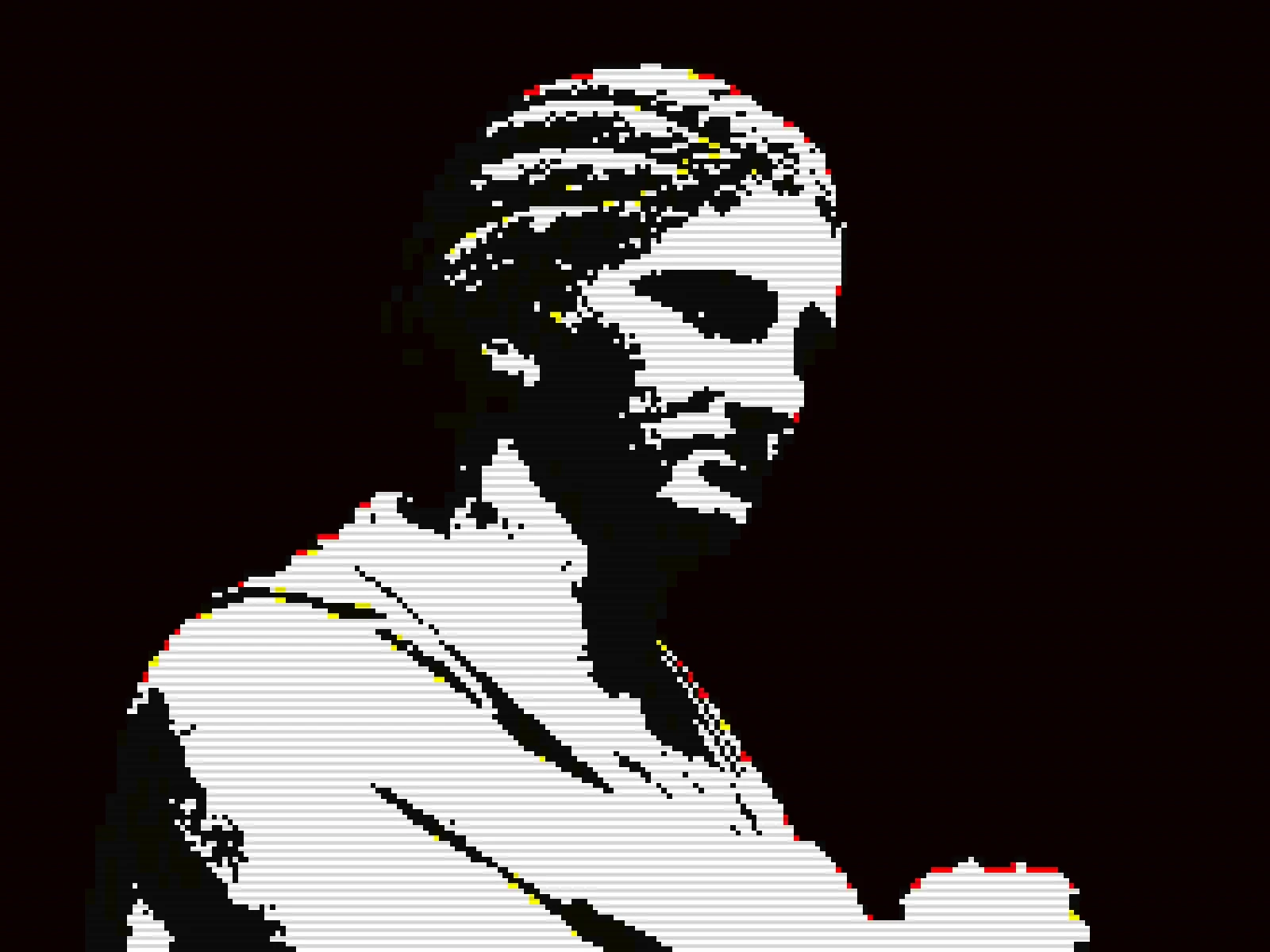
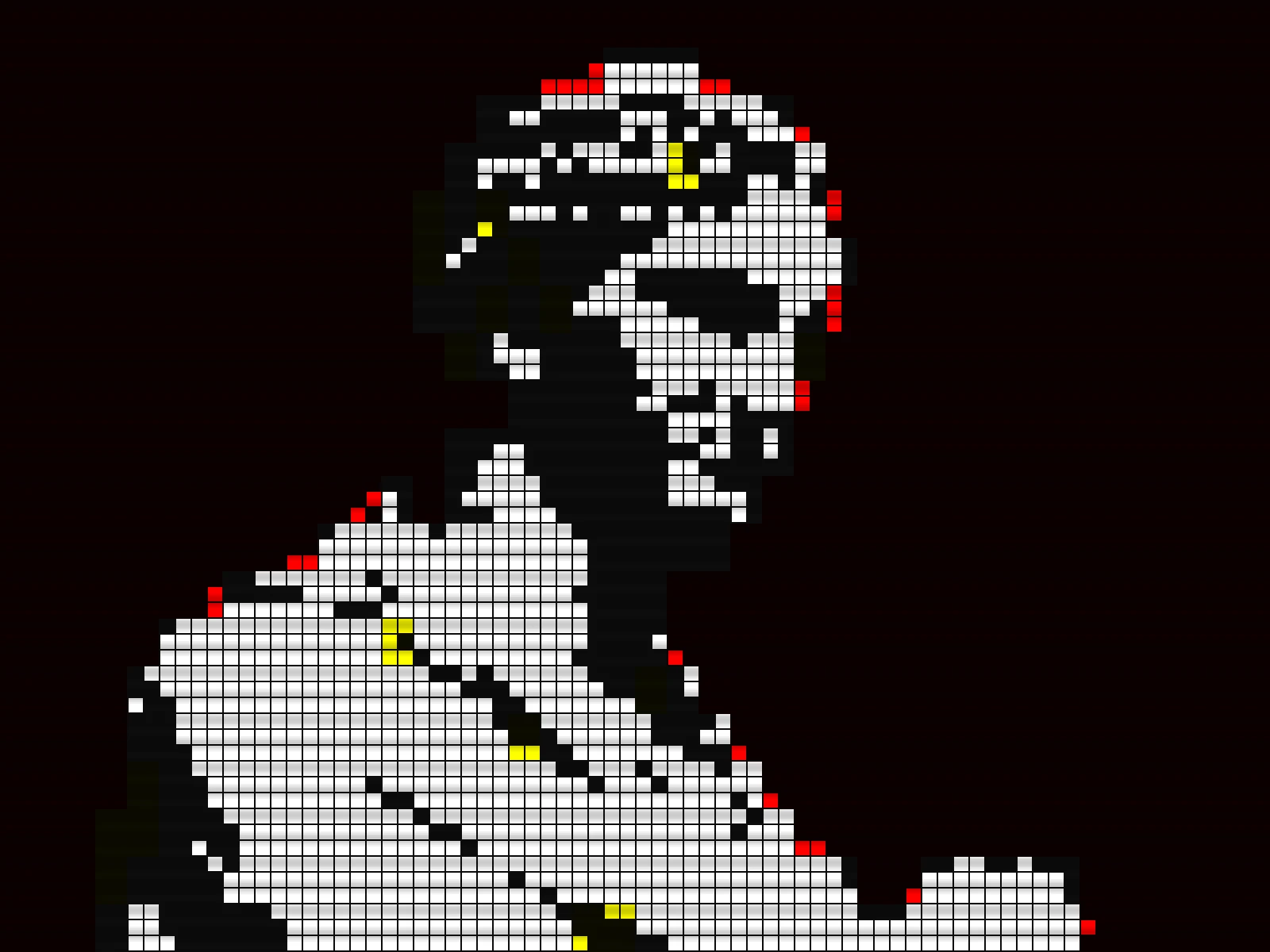
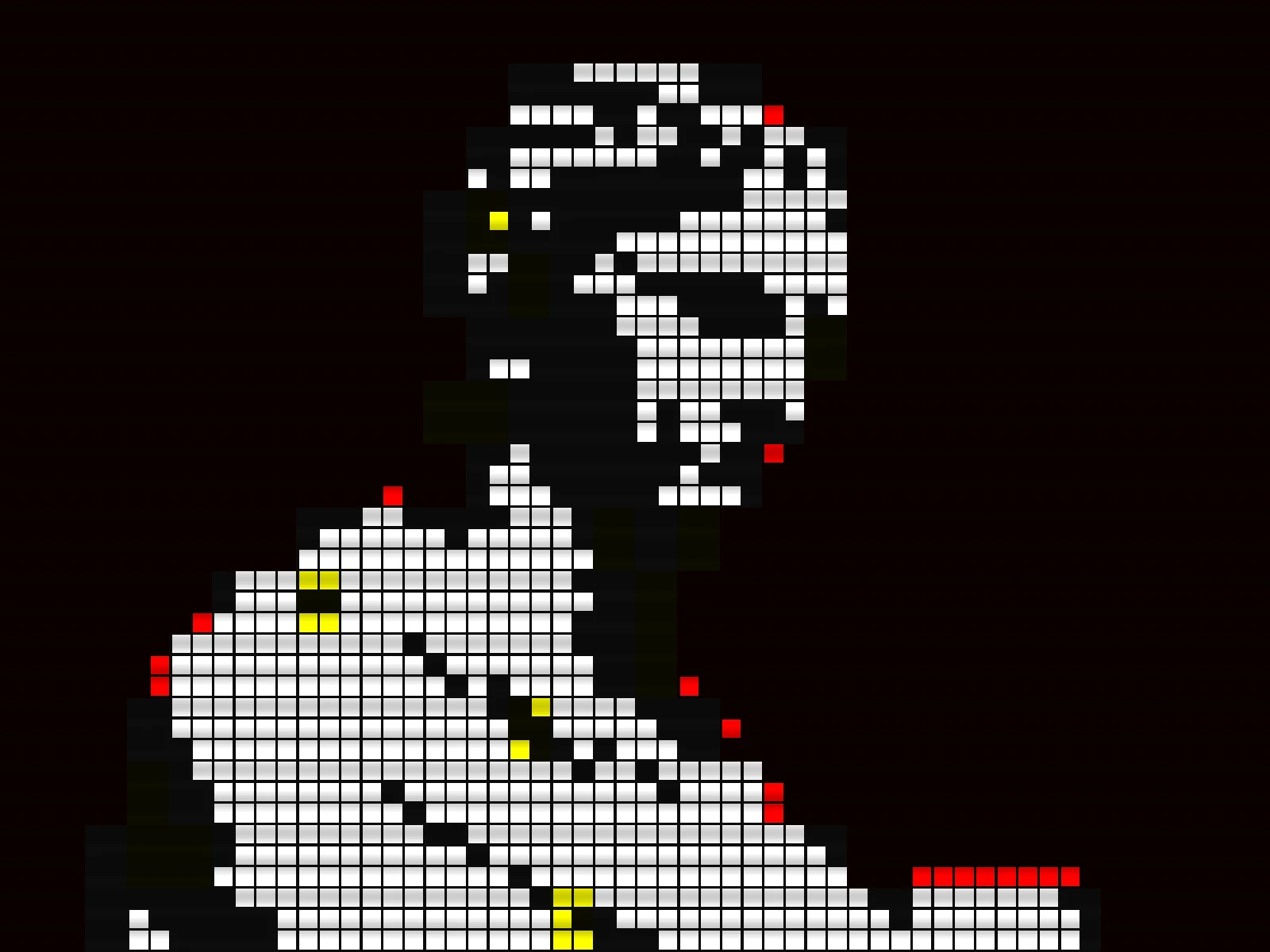
PIXEL sweep
03/ SPEC
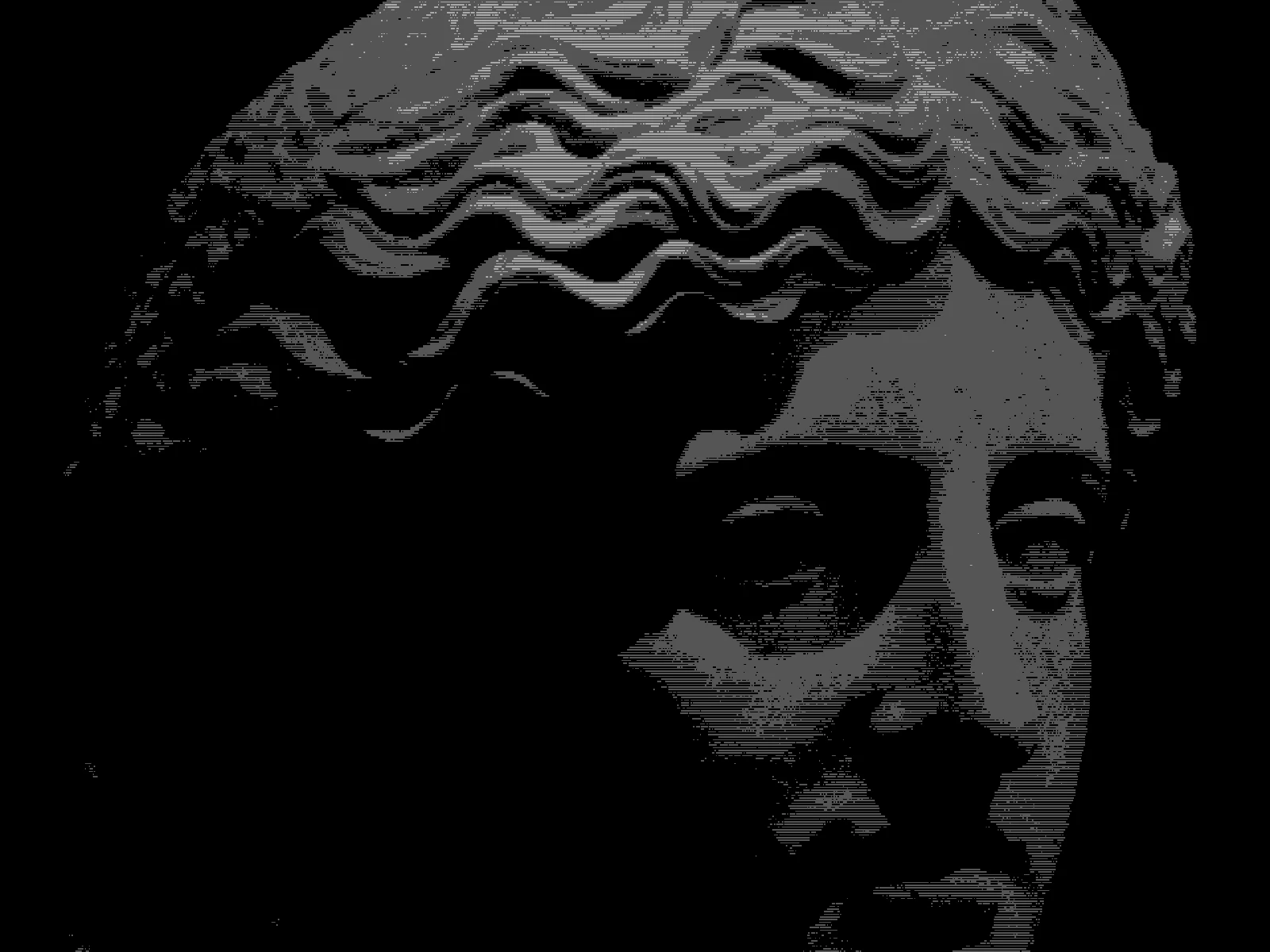
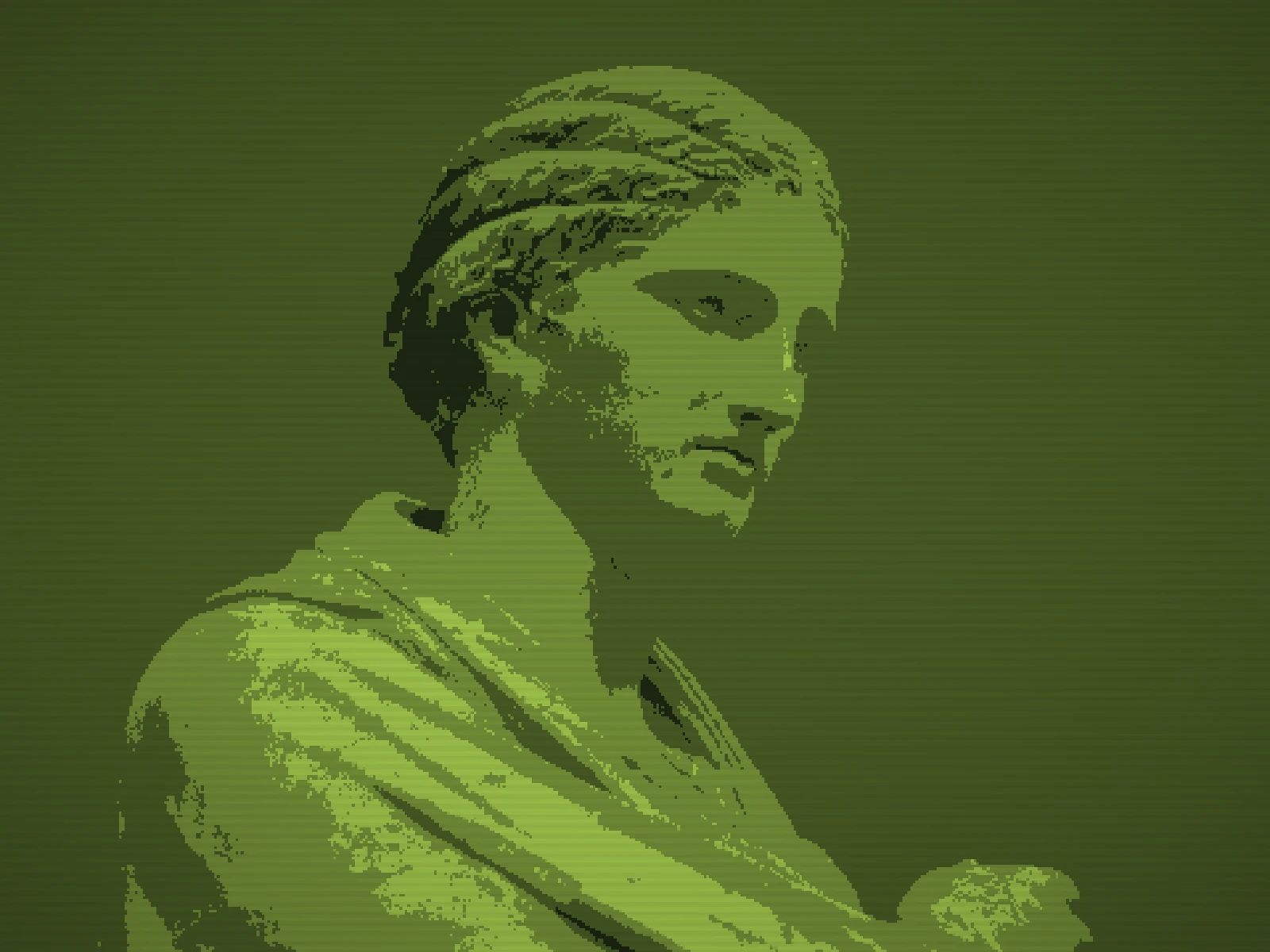
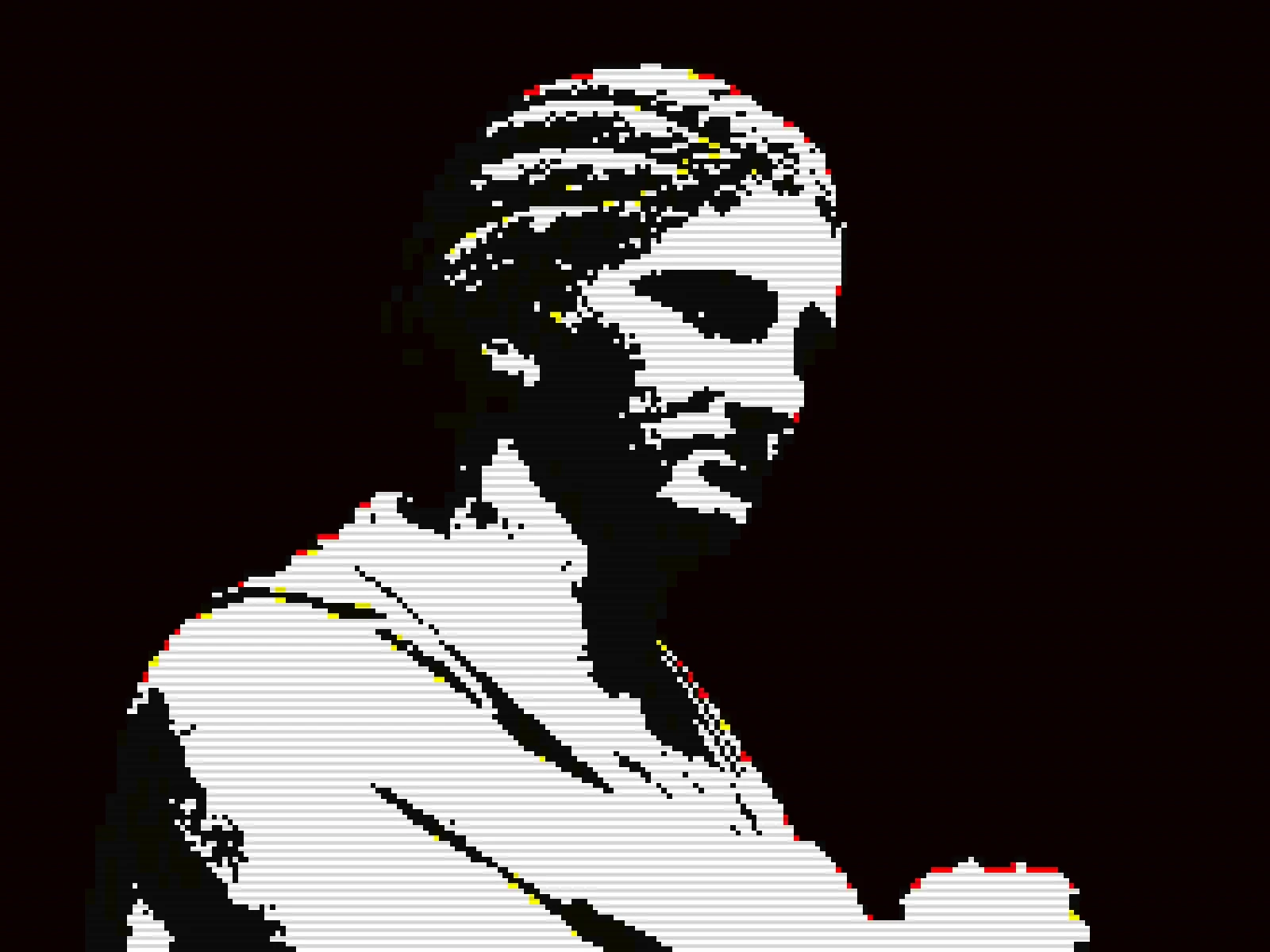
This effect quantises the image onto a coarse character grid and reduces colour to a small fixed set, imitating block mosaic graphics rather than adding a scanline texture. PIXEL runs from 1 to 4 with a default of 1 and scales the block size, which controls how closely the result matches teletext's genuinely low resolution. THRESHOLD shifts which tones fall into which colour, and CONTRAST is an advanced control. In kott it renders in natural colour so the limited palette reads as chosen ink rather than as grey steps.
04/ FAQ
- What is a teletext effect?
- A teletext effect reduces an image to coarse coloured blocks on a character grid with a very limited palette, imitating the block mosaic graphics of analogue broadcast teletext.
- What was Ceefax?
- The BBC's teletext service, launched in 1974 and closed in 2012. It carried pages of text and blocky graphics inside the unused gap between analogue television frames.
- Why is teletext limited to eight colours?
- The signal budget. Teletext rode in the vertical blanking interval, which left room for very little data, so the format allowed forty columns, twenty-four rows and eight colours.