synthwave effect

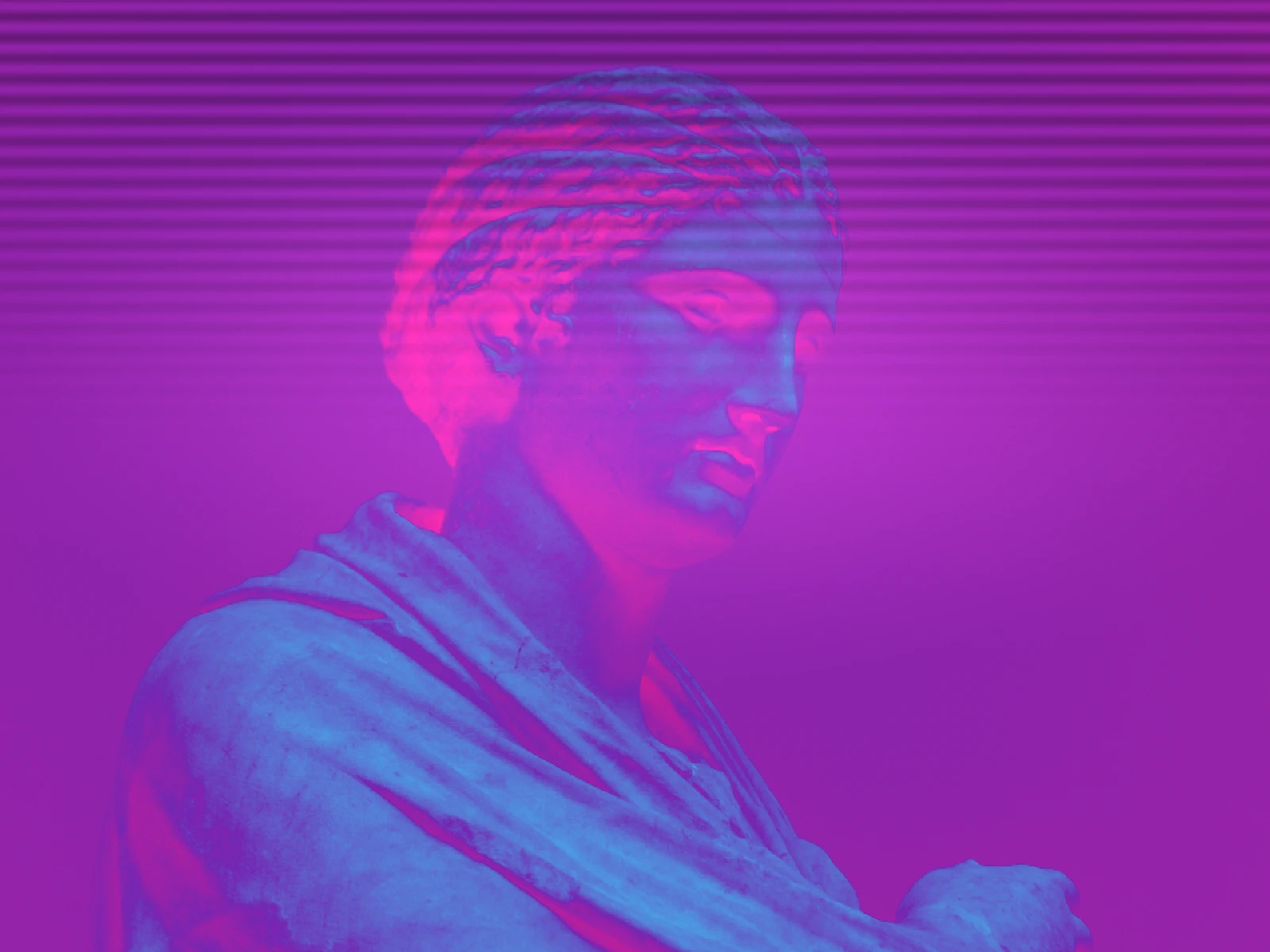 SourceEffect
01/ ORIGIN
Synthwave is a revival with no original. It emerged in the 2000s out of soundtrack nostalgia and assembled its look from things that never shared a frame: the airbrushed magenta and cyan of paperback science fiction, the neon of television title sequences, the scanlines of a worn cassette. What it recreates is not the 1980s but the way the 1980s imagined its own future, which is why it feels familiar to people born long afterwards.
02/ SWEEP
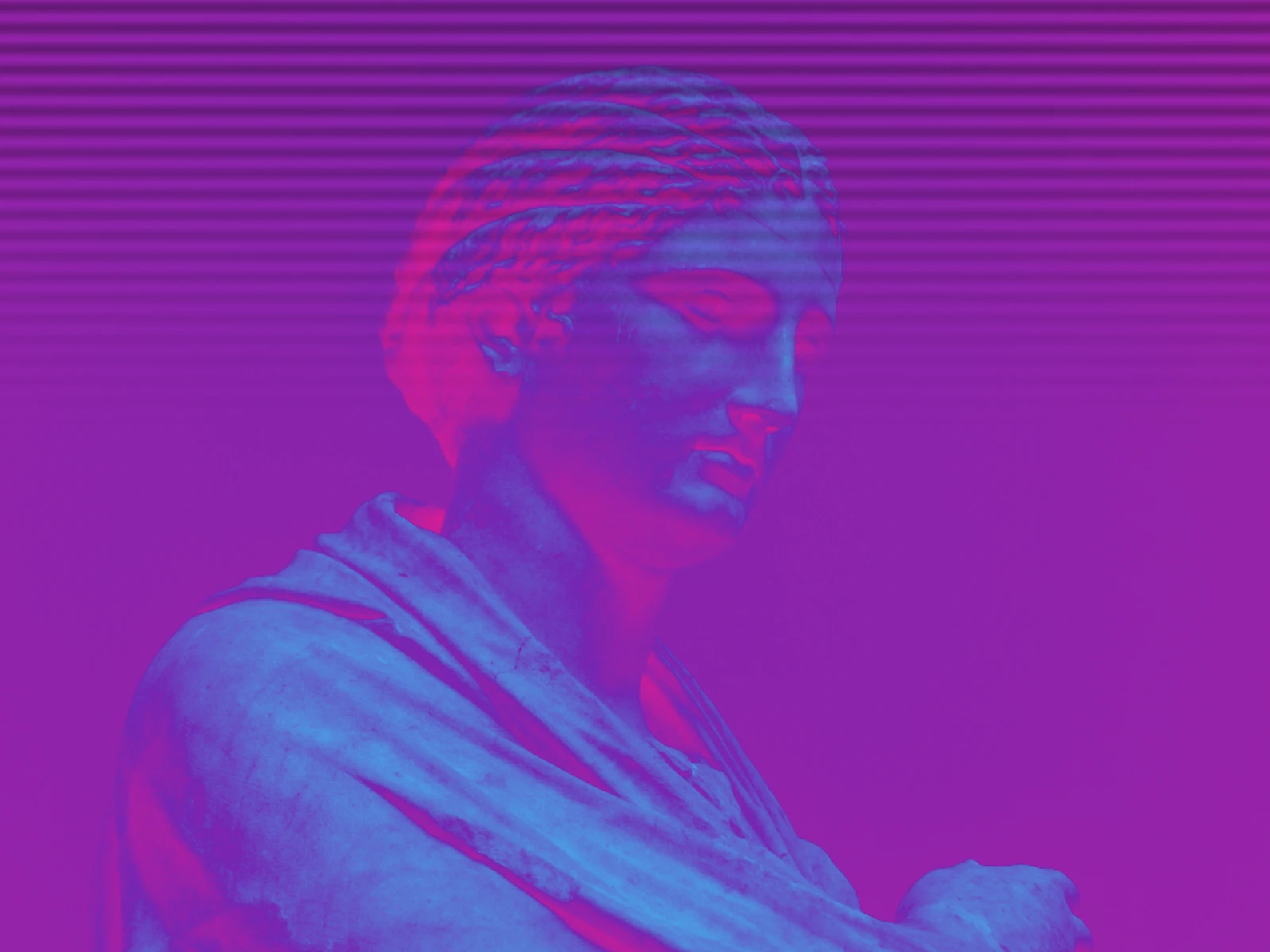
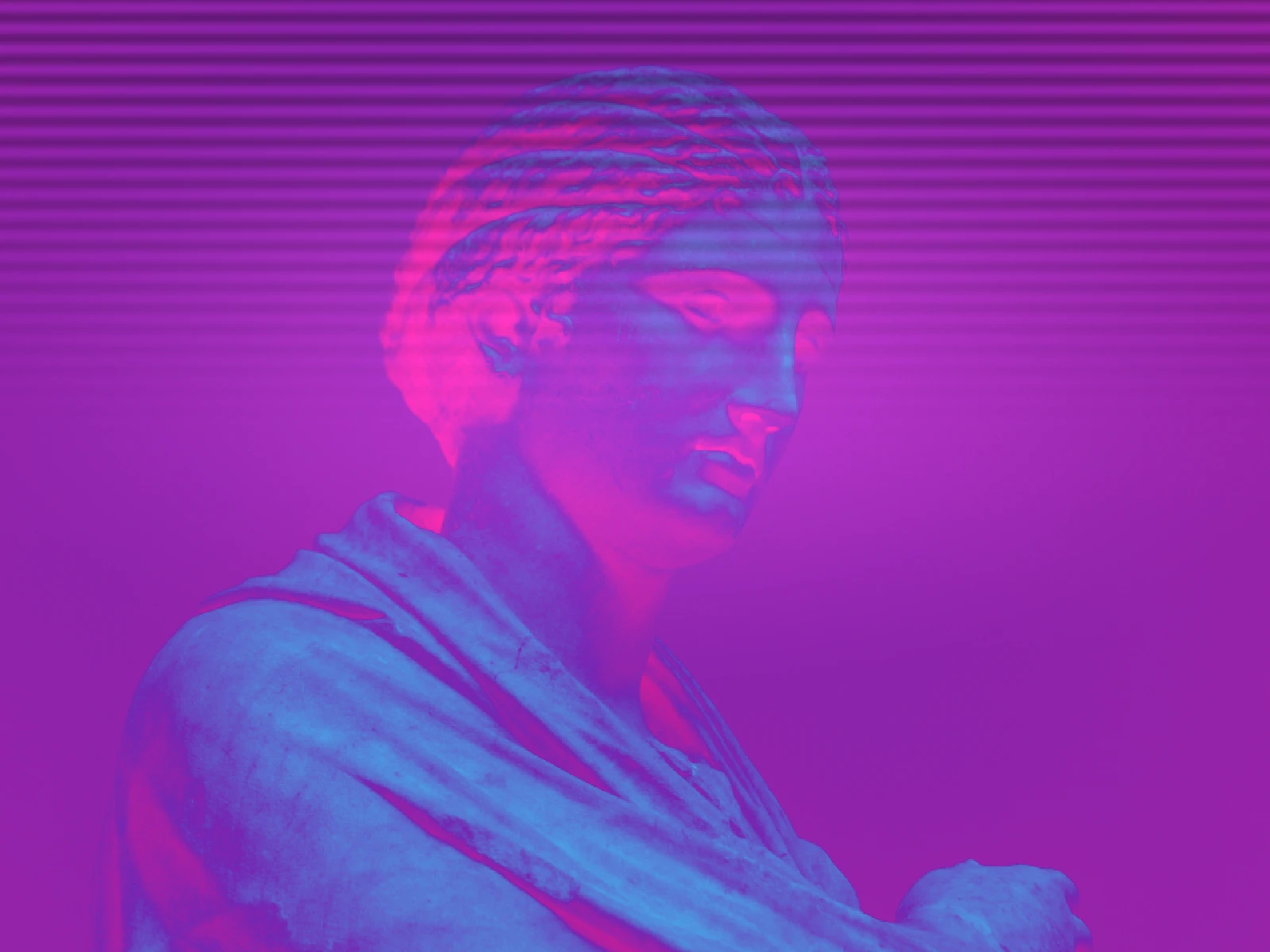
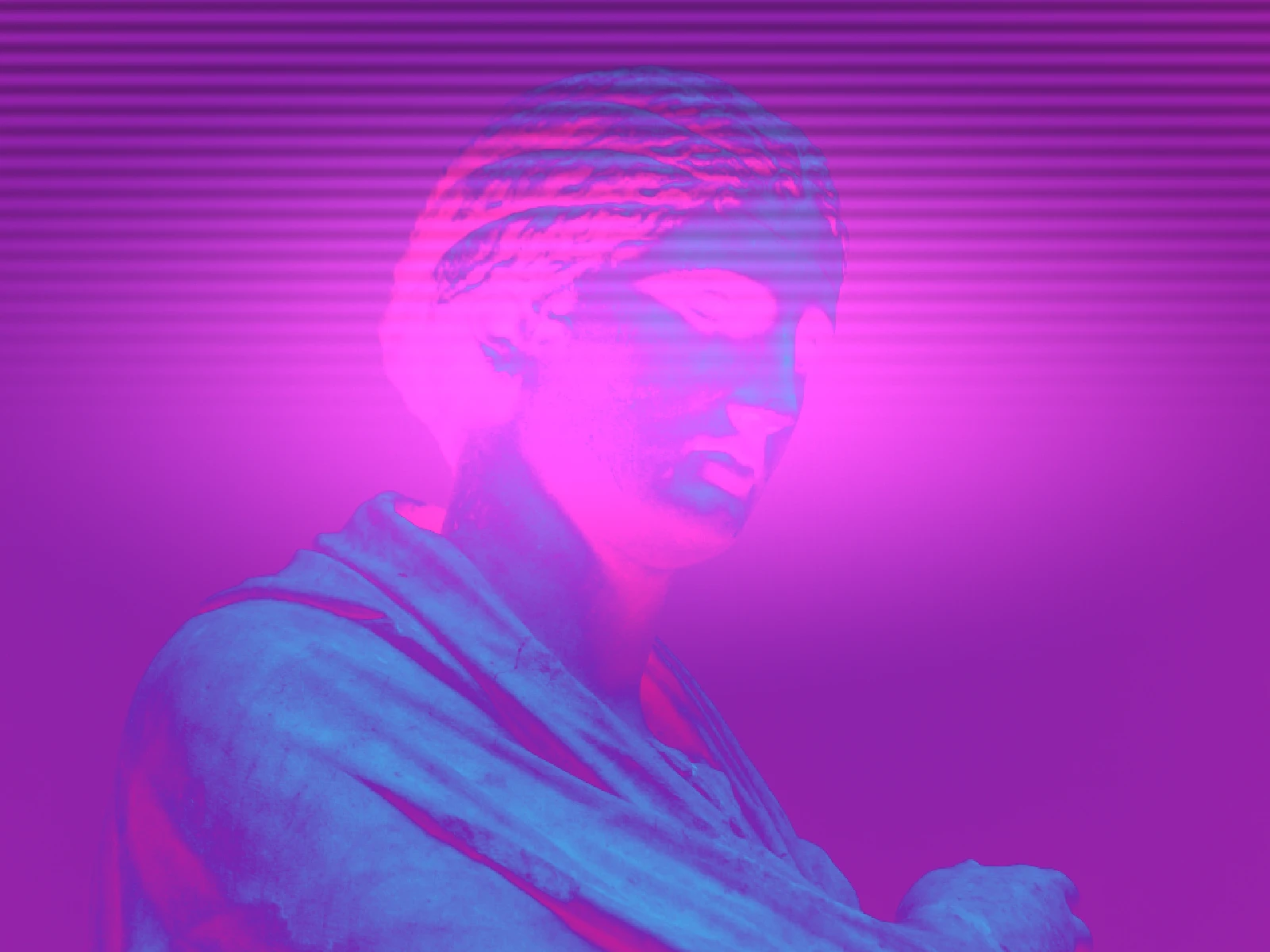
SUN sweep
03/ SPEC
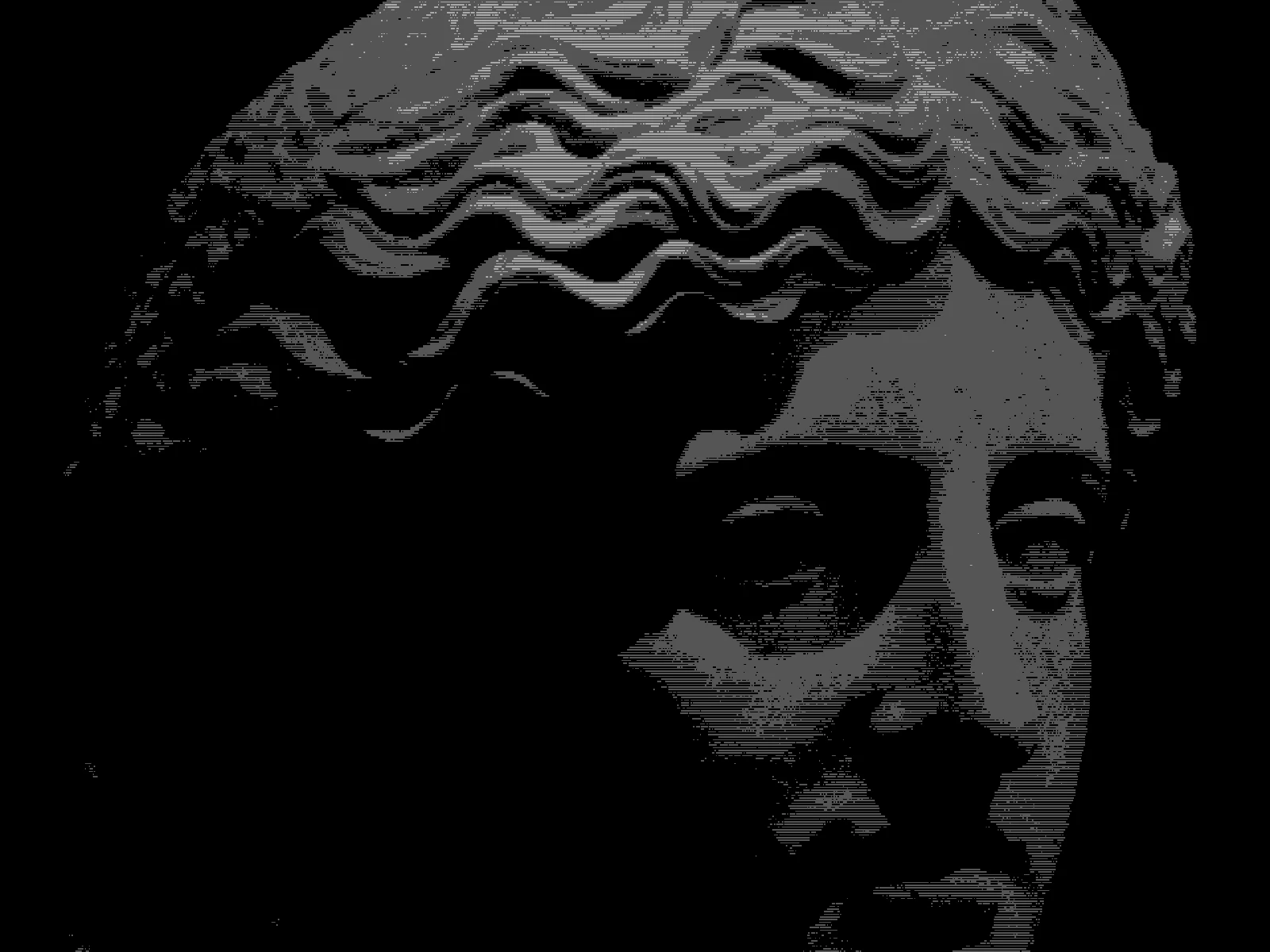
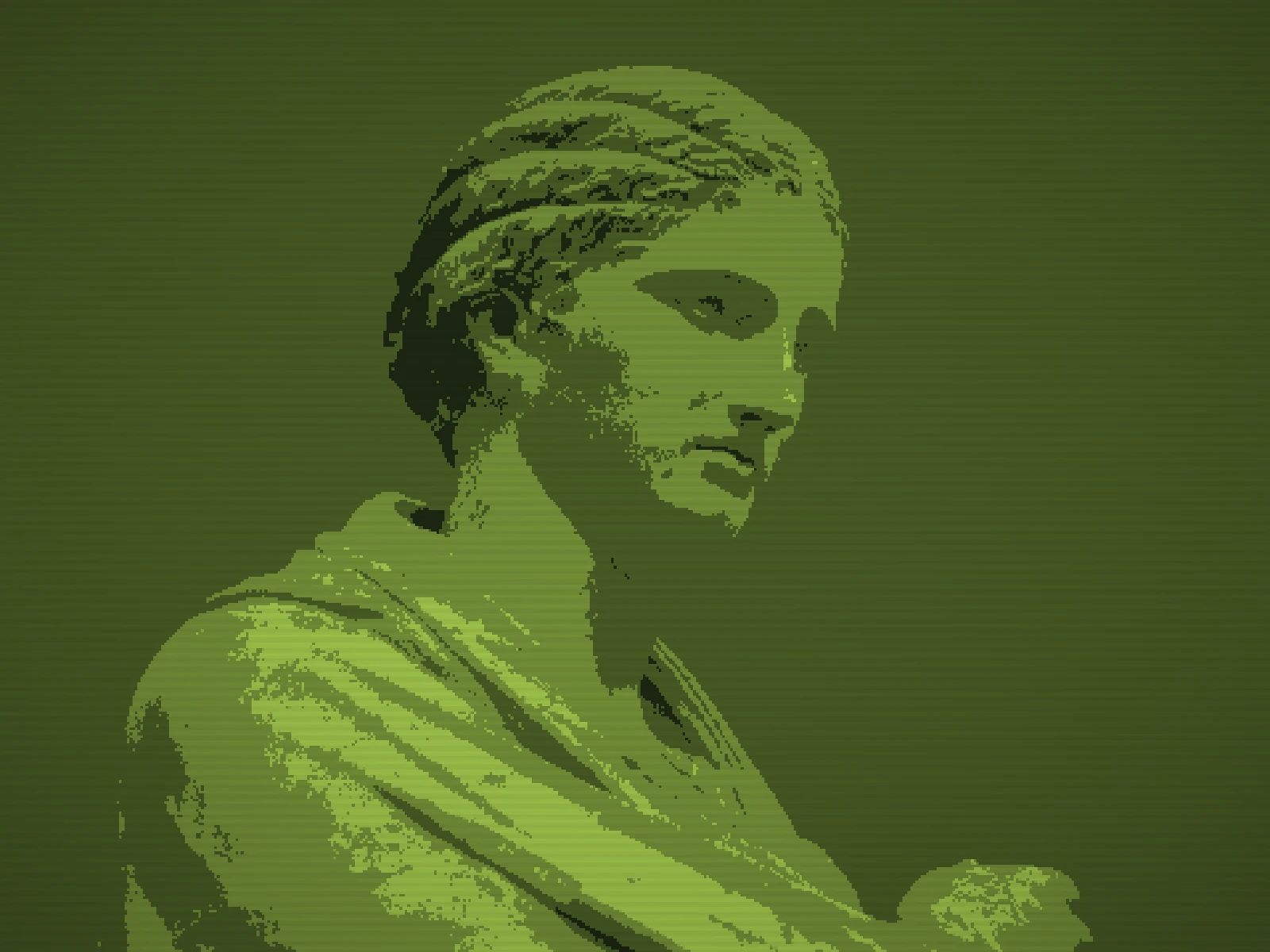
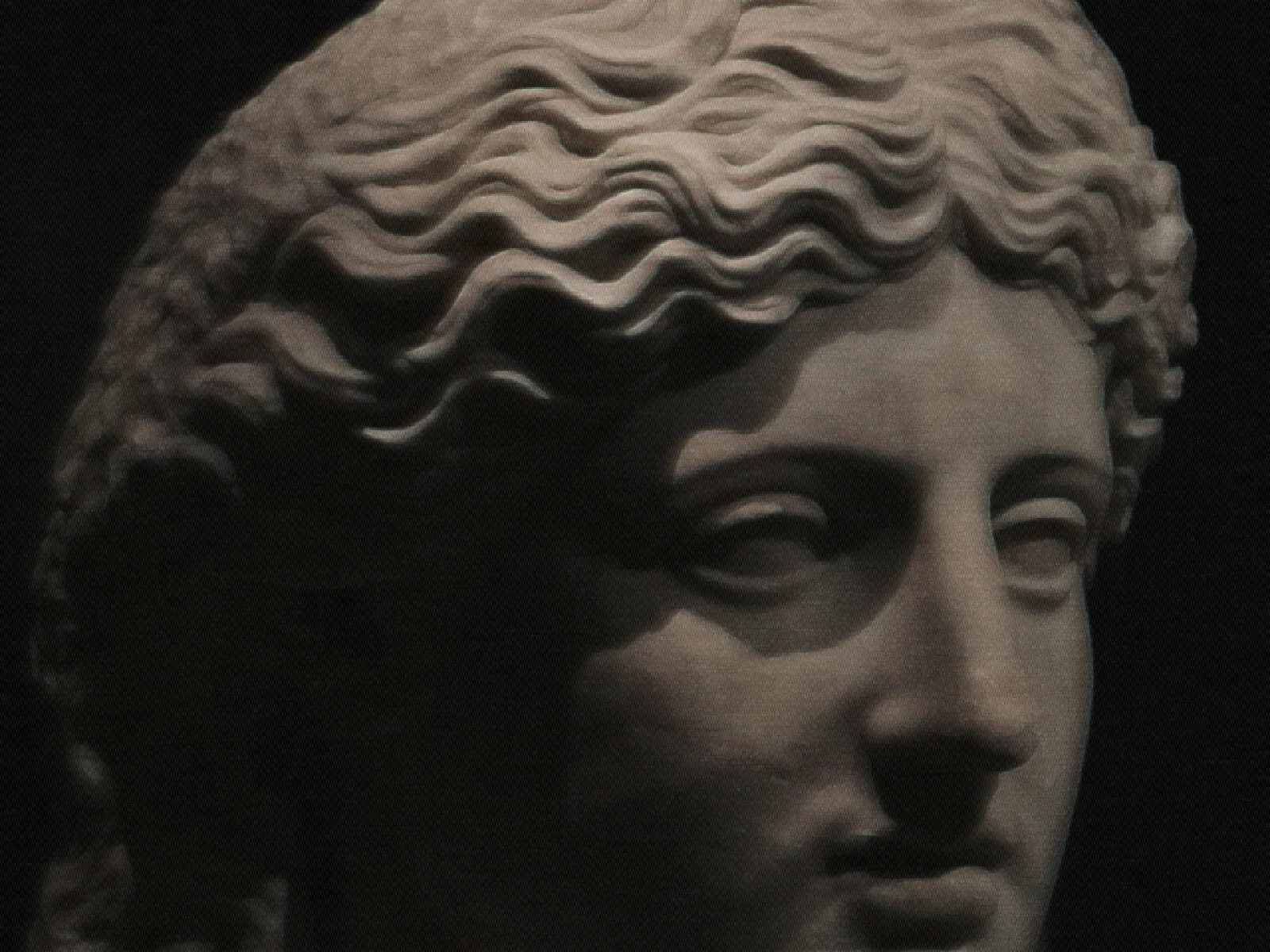
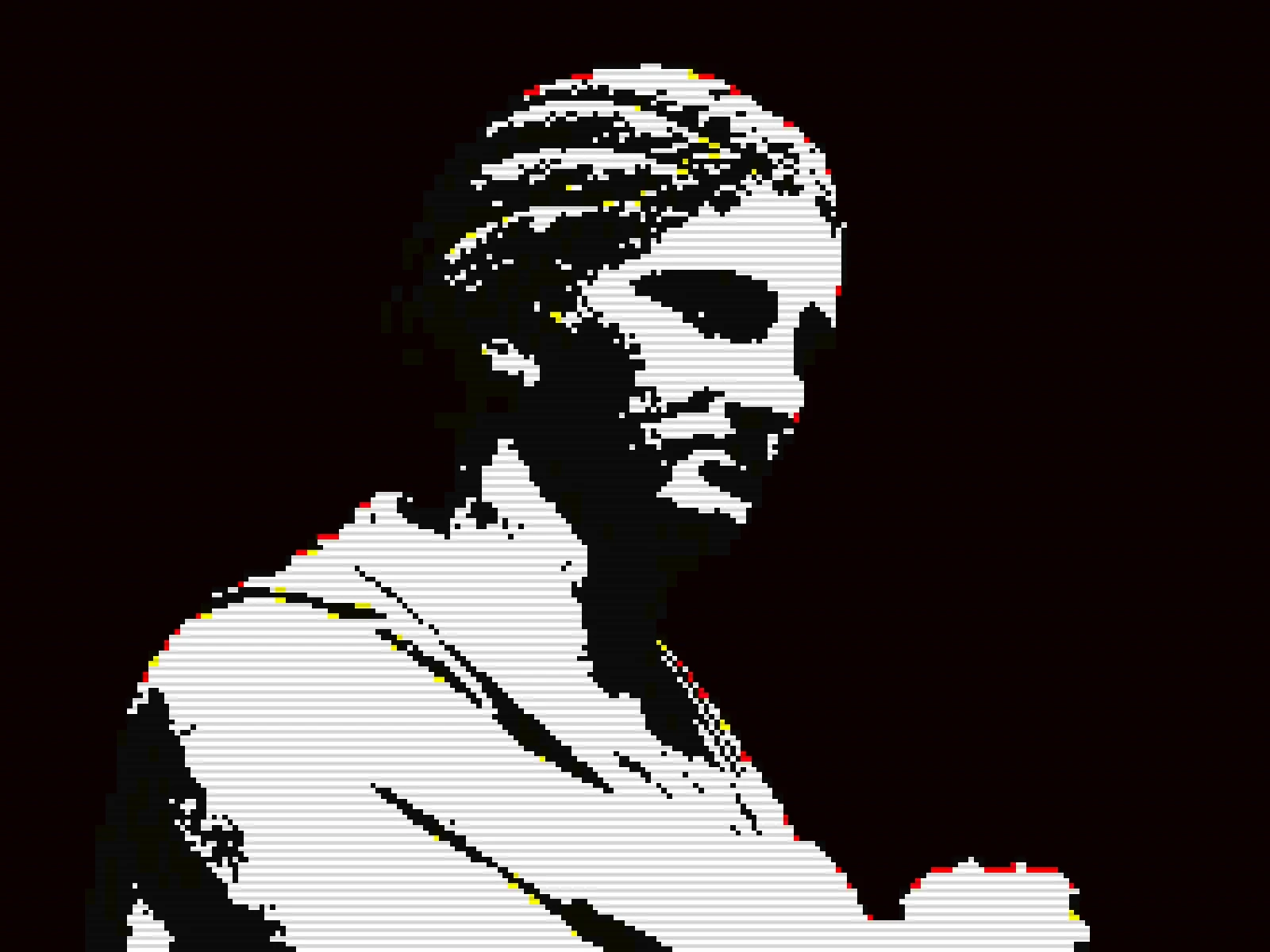
This effect maps the image into a magenta and cyan duotone, overlays horizontal scanlines, and adds a radial glow bloom behind the subject. SUN runs from 0 to 1 with a default of 0.35 and controls that bloom: at 0 the frame is a flat duotone wash with scanlines and no glow, and at 1 a broad halo spreads out from behind the subject and lifts the surrounding field. SCAN is an advanced control for scanline strength. In kott this renders in natural colour, so the duotone remap works from the source hue rather than from a grey ramp.
04/ FAQ
- What is a synthwave effect?
- A synthwave effect washes an image in magenta and cyan, adds scanlines, and lights the subject from behind with a neon glow, reproducing the retro-futurist look of 1980s revival artwork.
- Is synthwave actually from the 1980s?
- No. It emerged in the 2000s and assembles elements that never originally shared a frame, drawn from paperback science fiction airbrush art, television title sequences and worn videotape.
- What does the SUN control do?
- It drives the radial glow behind the subject. At 0 you get a flat duotone wash with scanlines only; at 1 a broad halo spreads across the frame and lifts the background.