atmosphere effect
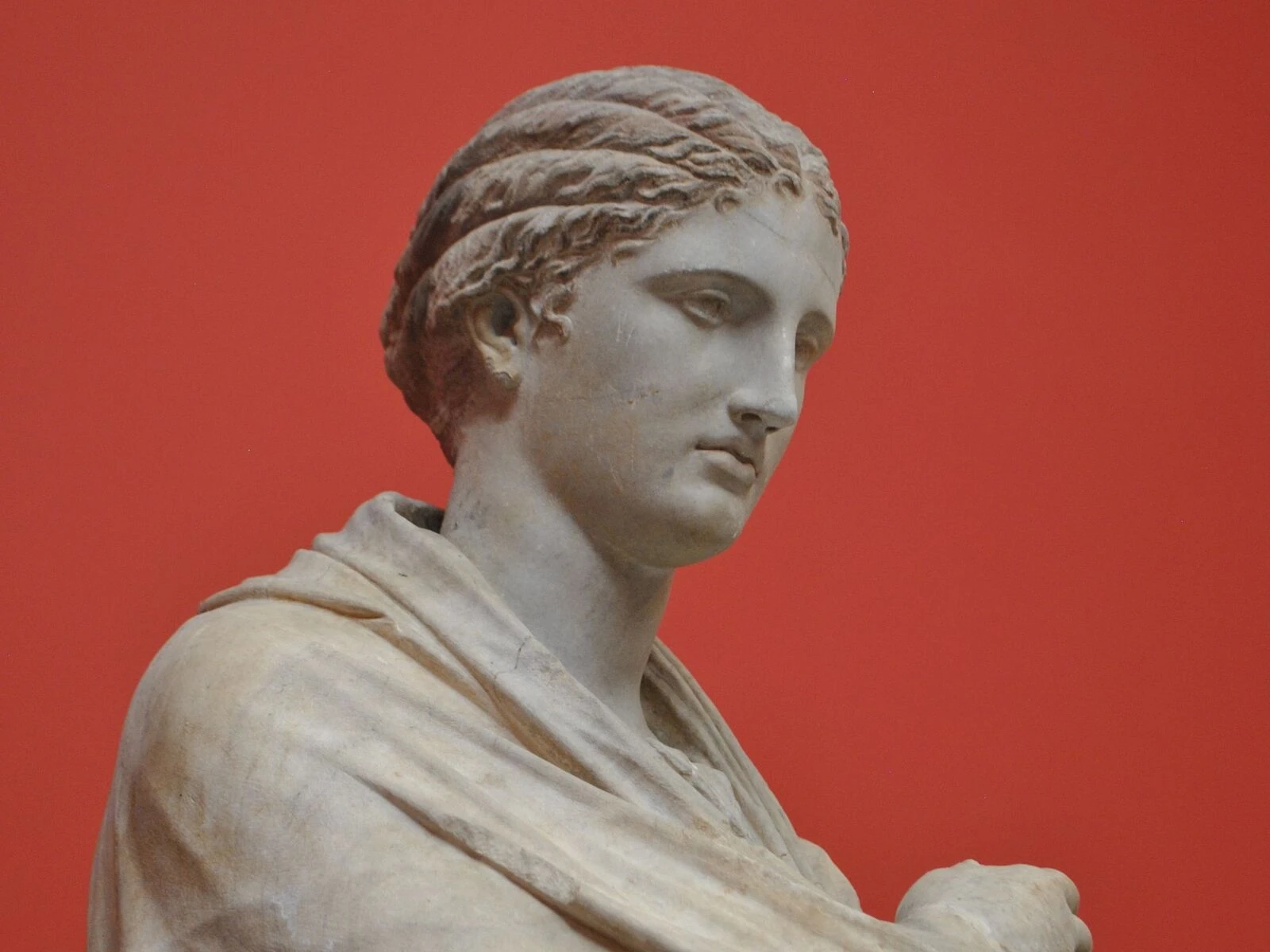
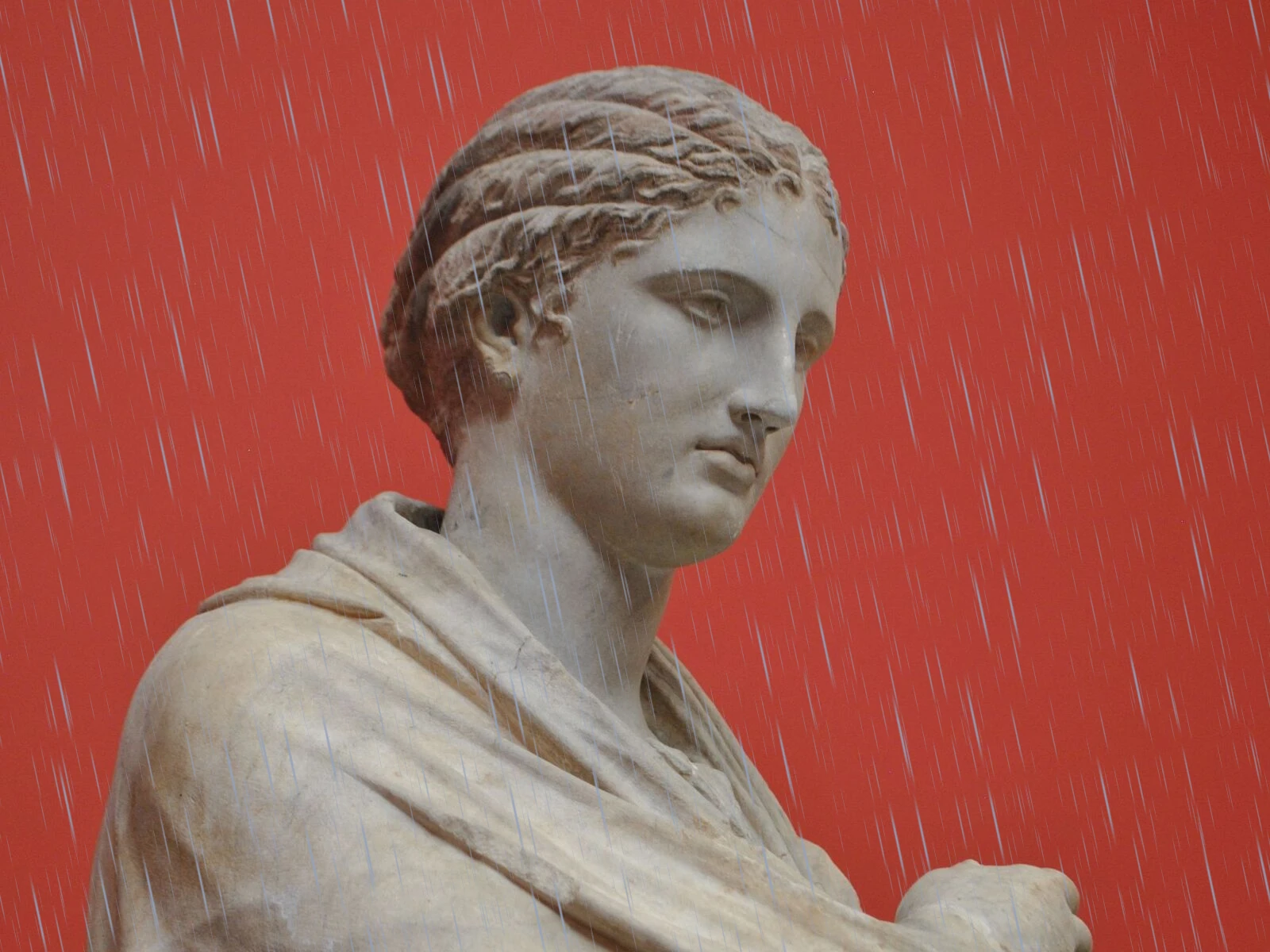 SourceEffect
01/ ORIGIN
Air scatters light, and it also moves. Painters had the first half from Leonardo, who described how intervening air softens and shifts distant colour, but a painting cannot show the second half: that the haze is in motion, thinning and thickening, so distance is never constant. Only a moving image can. Cinematographers have used atmospheric smoke on set for a century precisely to make air visible.
02/ MOTION
in motion

03/ SPEC
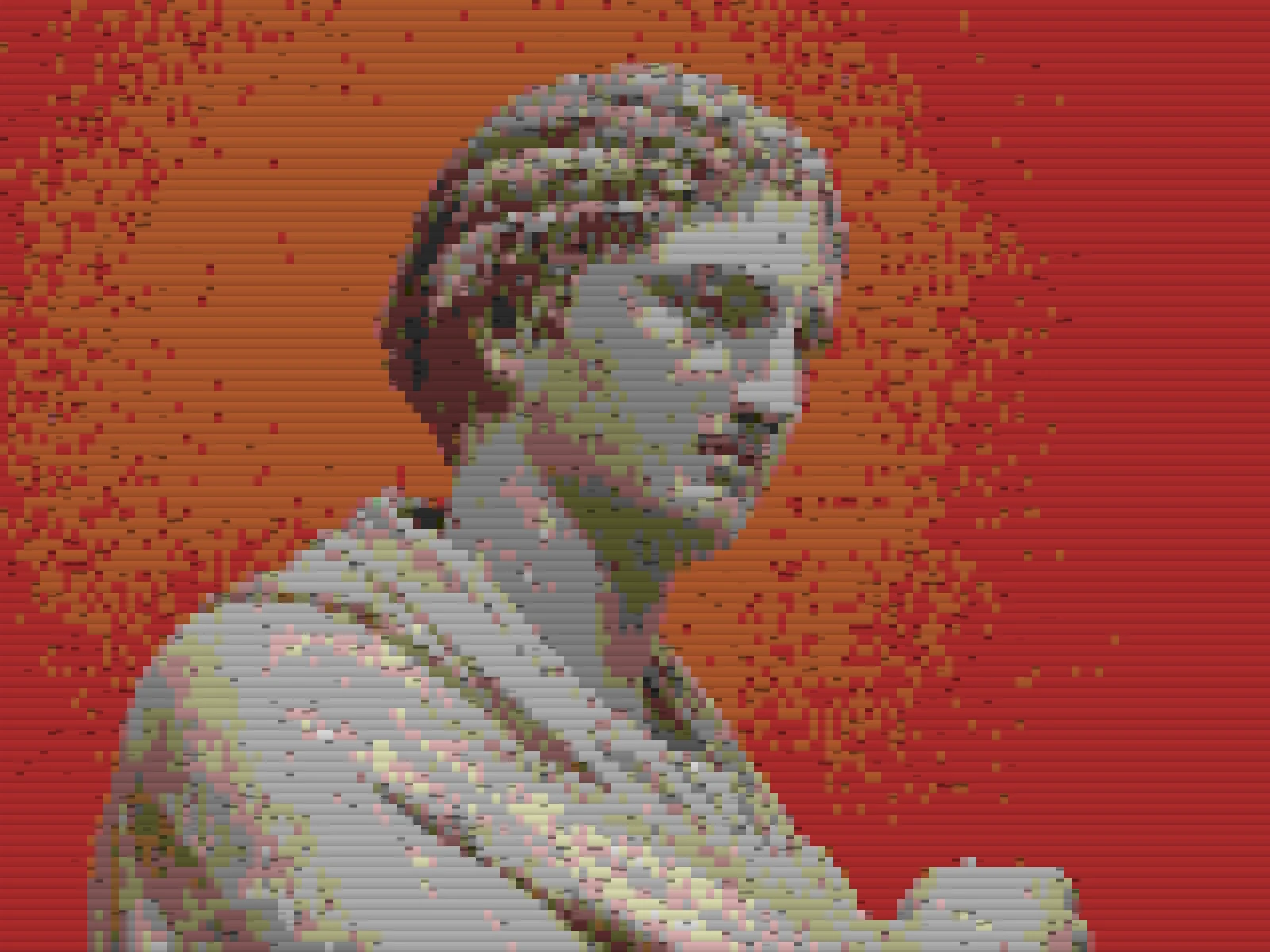
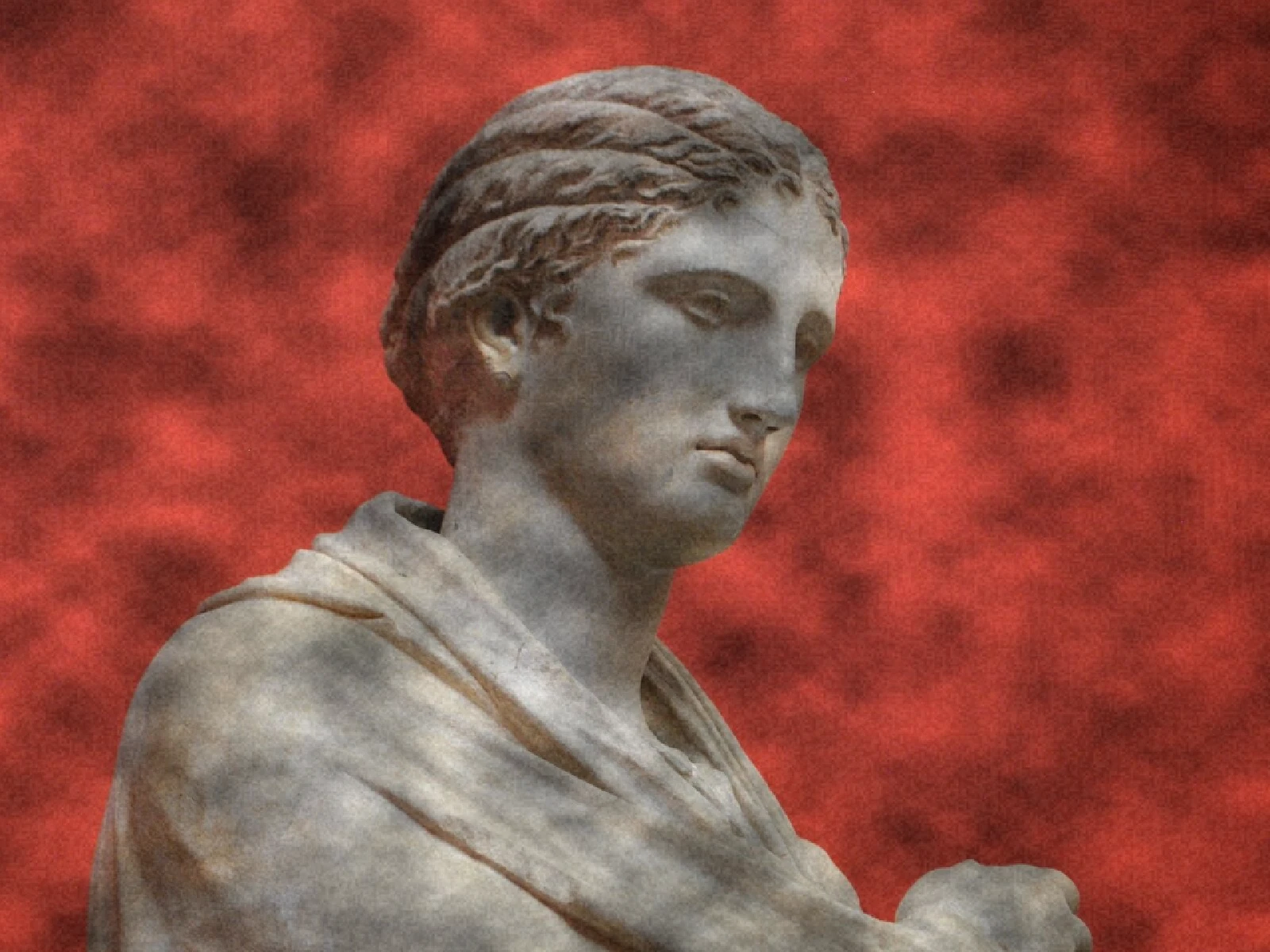
This effect composites drifting layers of soft noise over the image, varying their density over time so the veil is never uniform. MODE selects between the three haze profiles, which is the coarsest choice and changes the character of the drift entirely. AMOUNT sets overall opacity, SPEED how fast the layers move, ANGLE the direction of travel from -45 to 45 degrees, and TINT shifts the haze colour. Because the drift is what distinguishes atmosphere from a flat veil, in kott this page shows a loop: a single frame of it is indistinguishable from a static soft wash, which is a different effect entirely.
04/ FAQ
- What is an atmosphere effect?
- It composites drifting layers of soft haze over an image, varying density over time so the subject alternately recedes and returns as the air moves across it.
- What is the difference between atmosphere and a haze filter?
- A static haze is a uniform veil. Atmosphere moves, thinning and thickening, which is what makes it read as air rather than as a layer applied to the picture.
- Why does this page show a loop?
- Because the drift is the effect. Frozen, it is just a soft wash, and a soft wash is a different thing with a different name.