matrix rain effect
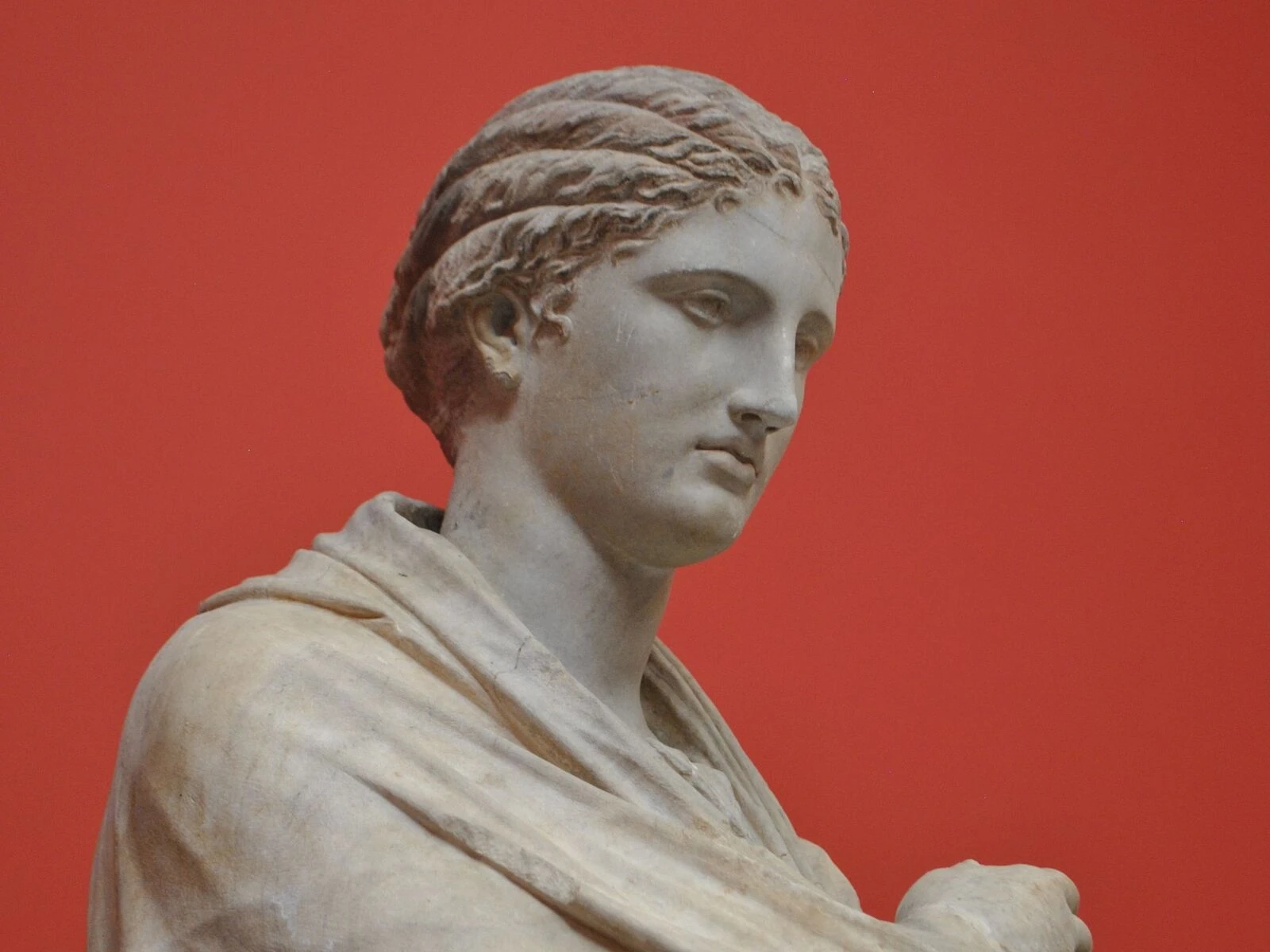
 SourceEffect
01/ ORIGIN
The falling glyphs in The Matrix were designed by Simon Whiteley in 1999, who built the character set by scanning a Japanese cookbook his wife owned and mirroring the katakana. He has said since that the code is, in his words, sushi recipes. Nothing in the sequence represents computation at all, which has not stopped it becoming the default visual shorthand for it in the twenty-five years since.
02/ MOTION
in motion

03/ SPEC
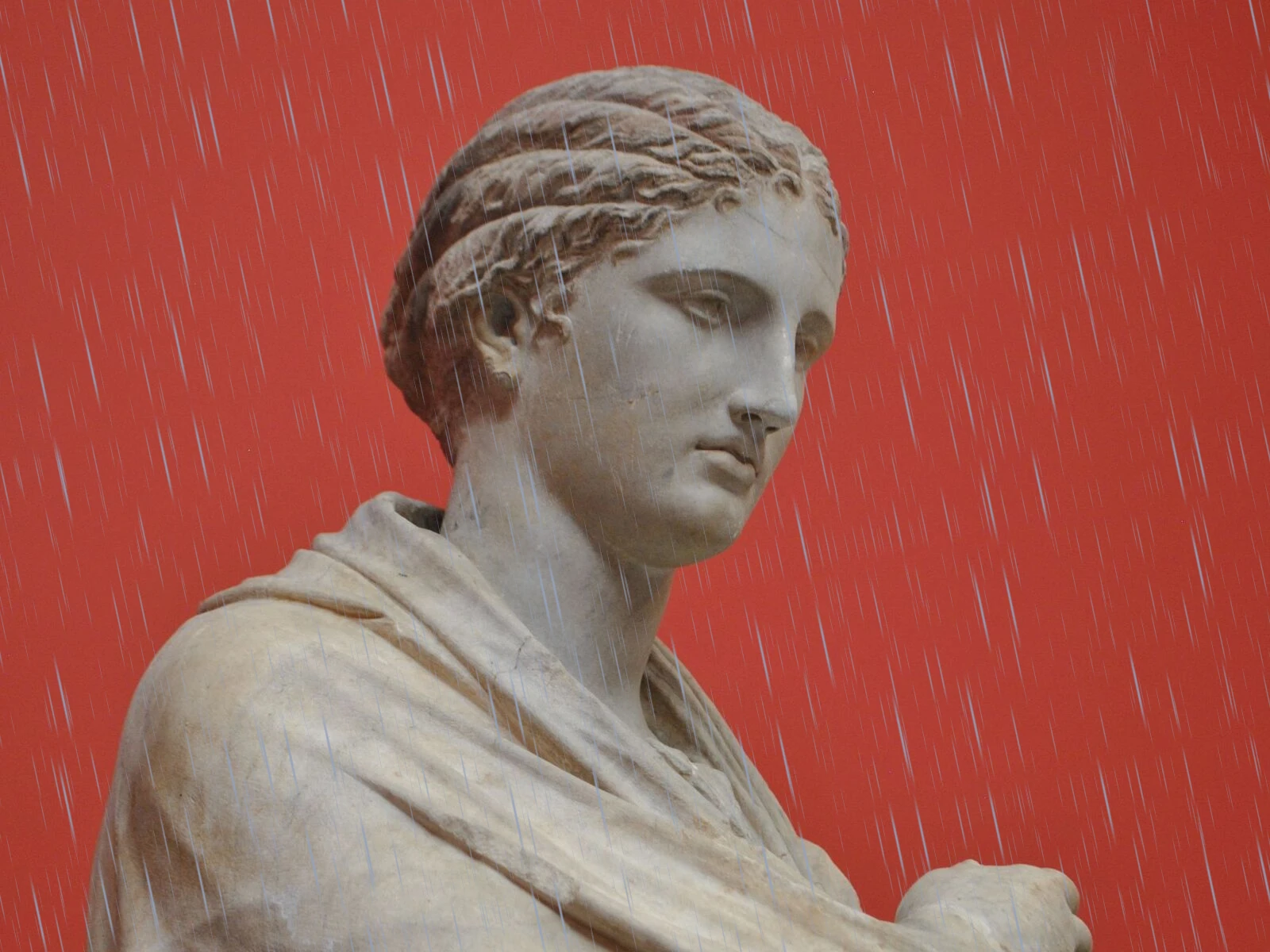
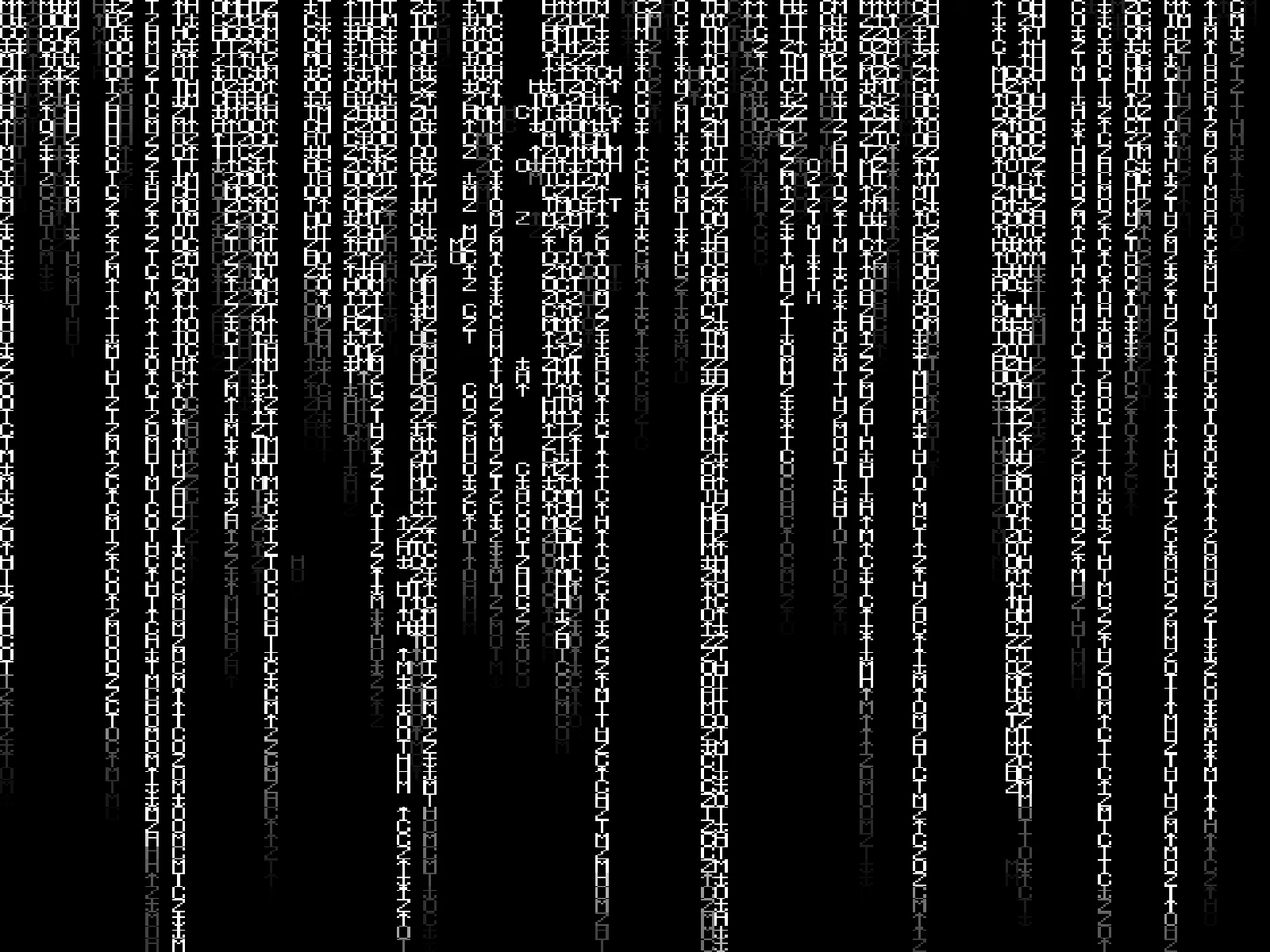
This effect overlays columns of glyphs descending at per-column speeds, brightening at the leading character and trailing off behind it, composited over the source. CELL sets the glyph size from 4 to 24 pixels, which fixes how many columns fit across the frame. SPEED scales the fall rate, DENSITY controls how much of the grid is occupied at any moment, and GLOW is an advanced control over the brightness of each column's leading character. Because the fall is driven by time rather than by a parameter position, in kott this page shows a loop rather than a sweep: a still frame of falling rain is indistinguishable from a still frame of static glyphs.
04/ FAQ
- What is the matrix rain effect?
- It overlays columns of glyphs falling at different speeds, brightening at the head of each column and fading behind, reproducing the descending code from The Matrix.
- What are the characters in the Matrix code?
- Mirrored katakana. Designer Simon Whiteley built the set in 1999 by scanning a Japanese cookbook and reversing the characters, so the famous code is closer to sushi recipes than to programming.
- Why does this page show a loop instead of a parameter sweep?
- Because the effect is defined by movement. Three still frames of falling rain look like three unrelated arrangements of glyphs, which documents nothing about what the effect does.