turing pattern effect
 SourceEffect
01/ ORIGIN
Alan Turing published The Chemical Basis of Morphogenesis in 1952, two years before his death, proposing that animal markings arise from two interacting substances diffusing at different rates rather than from any pre-existing map. It was largely ignored by biologists for decades and then confirmed repeatedly, in fish, in mouse palates, in the spacing of hair follicles. It remains the most surprising thing in his body of work.
02/ MOTION
in motion

03/ SPEC
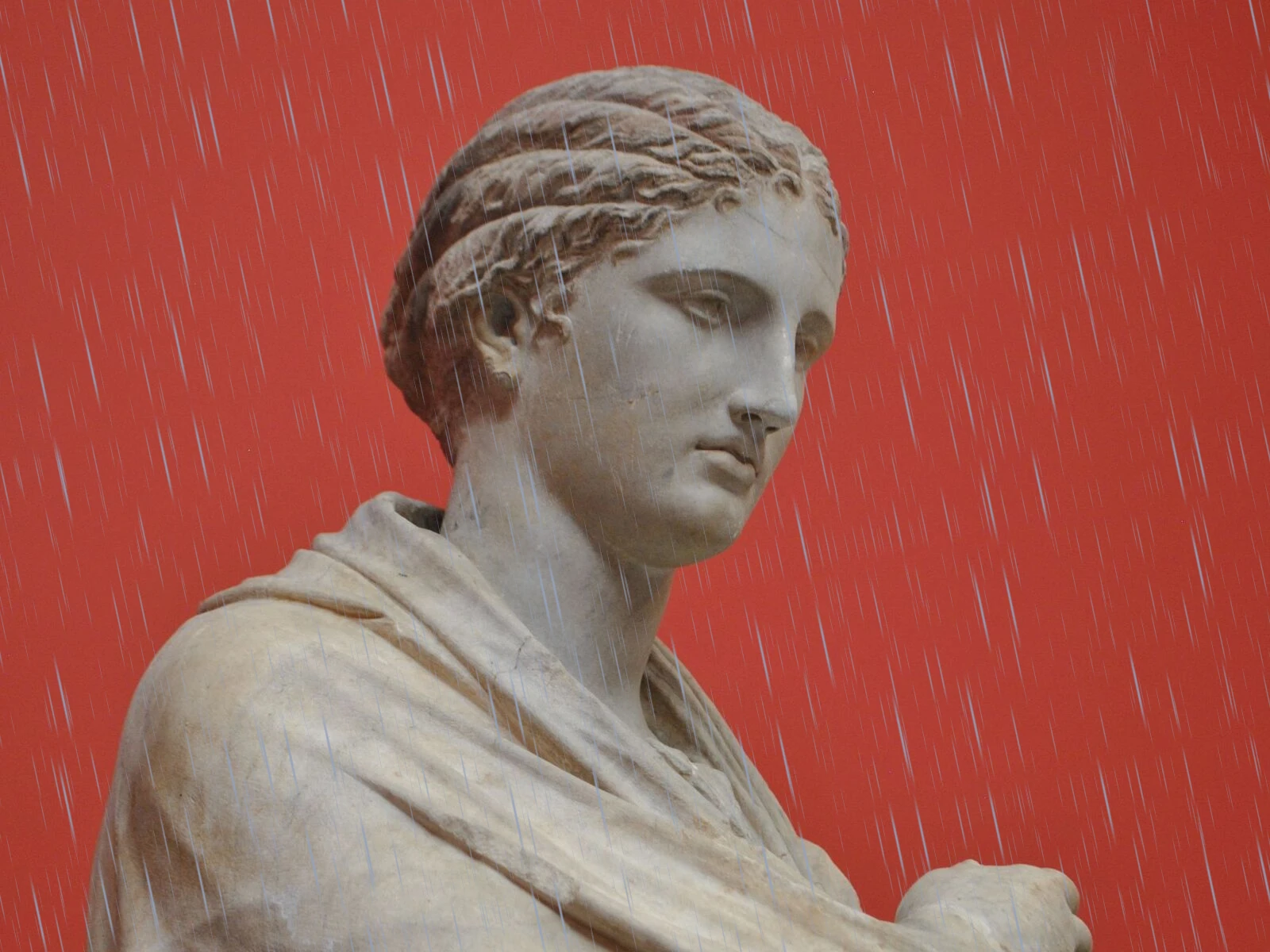
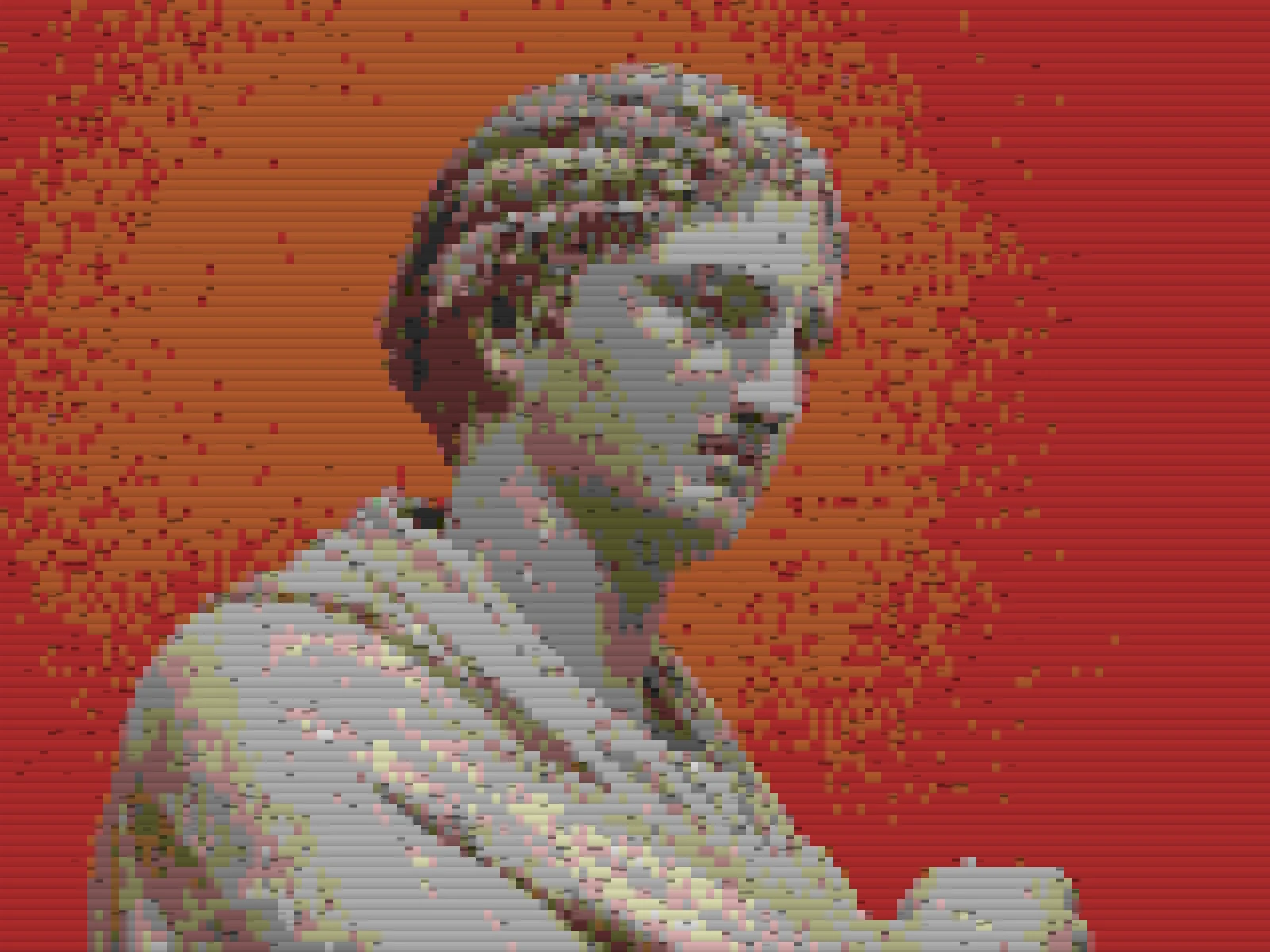
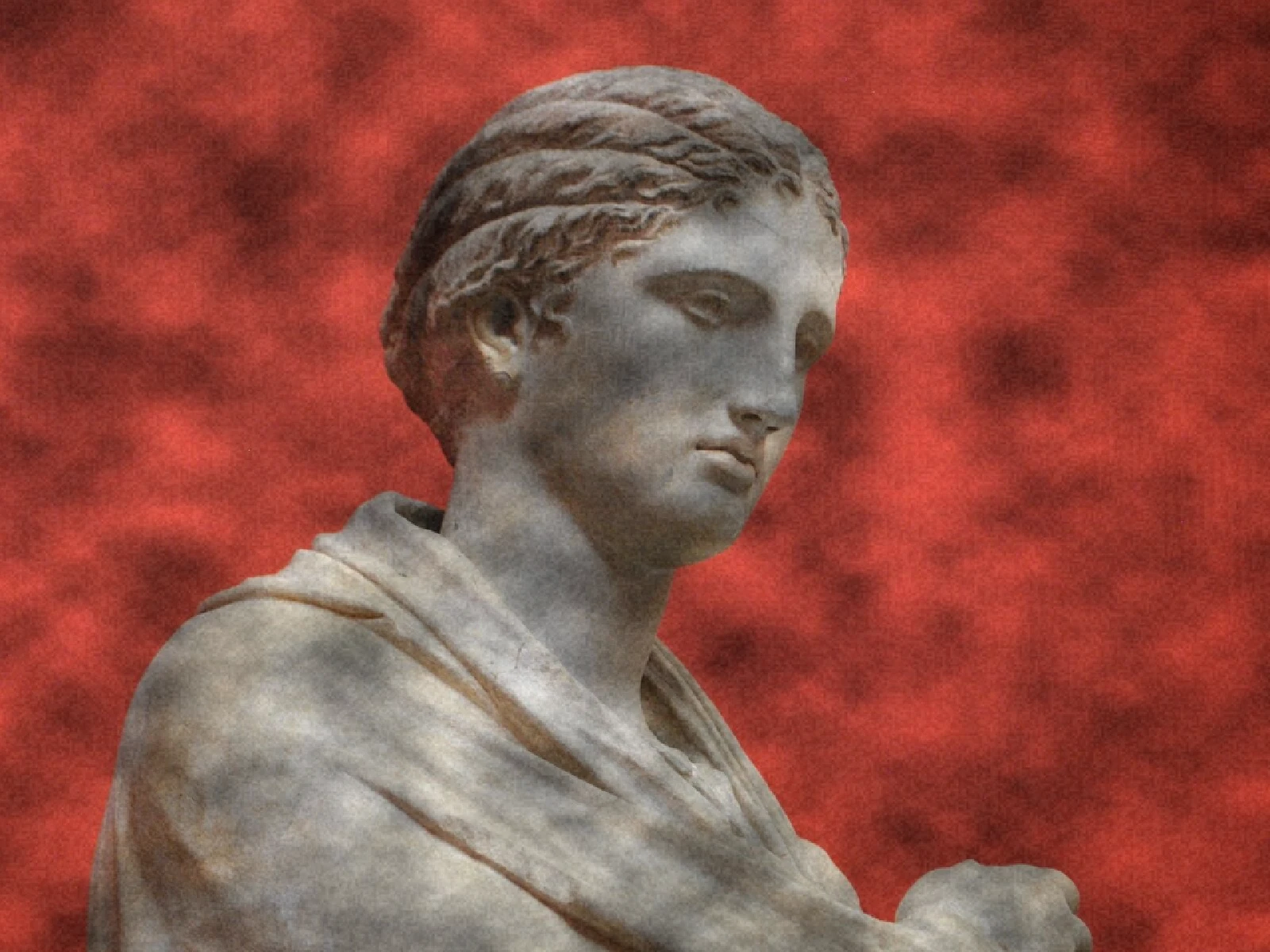
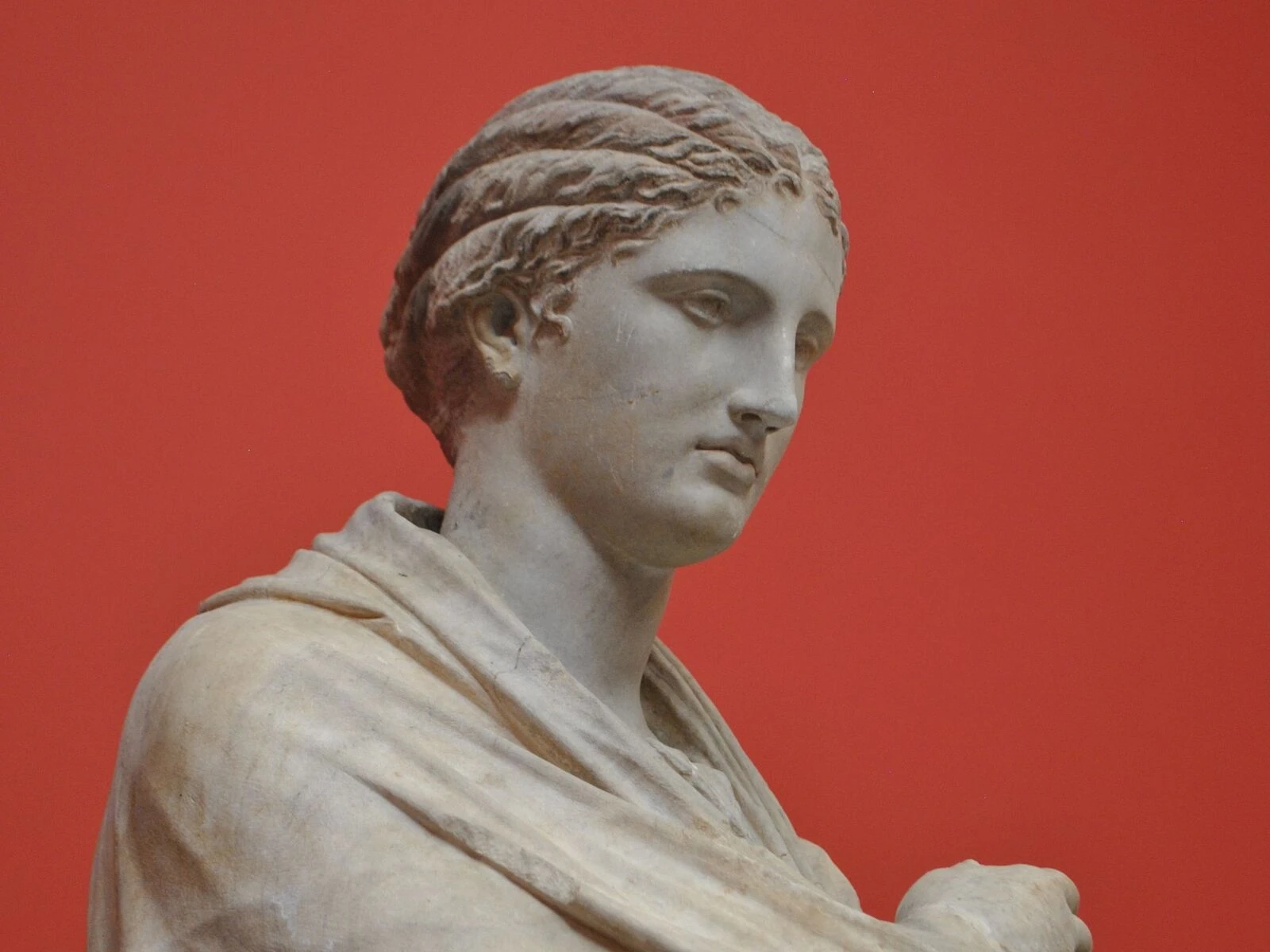
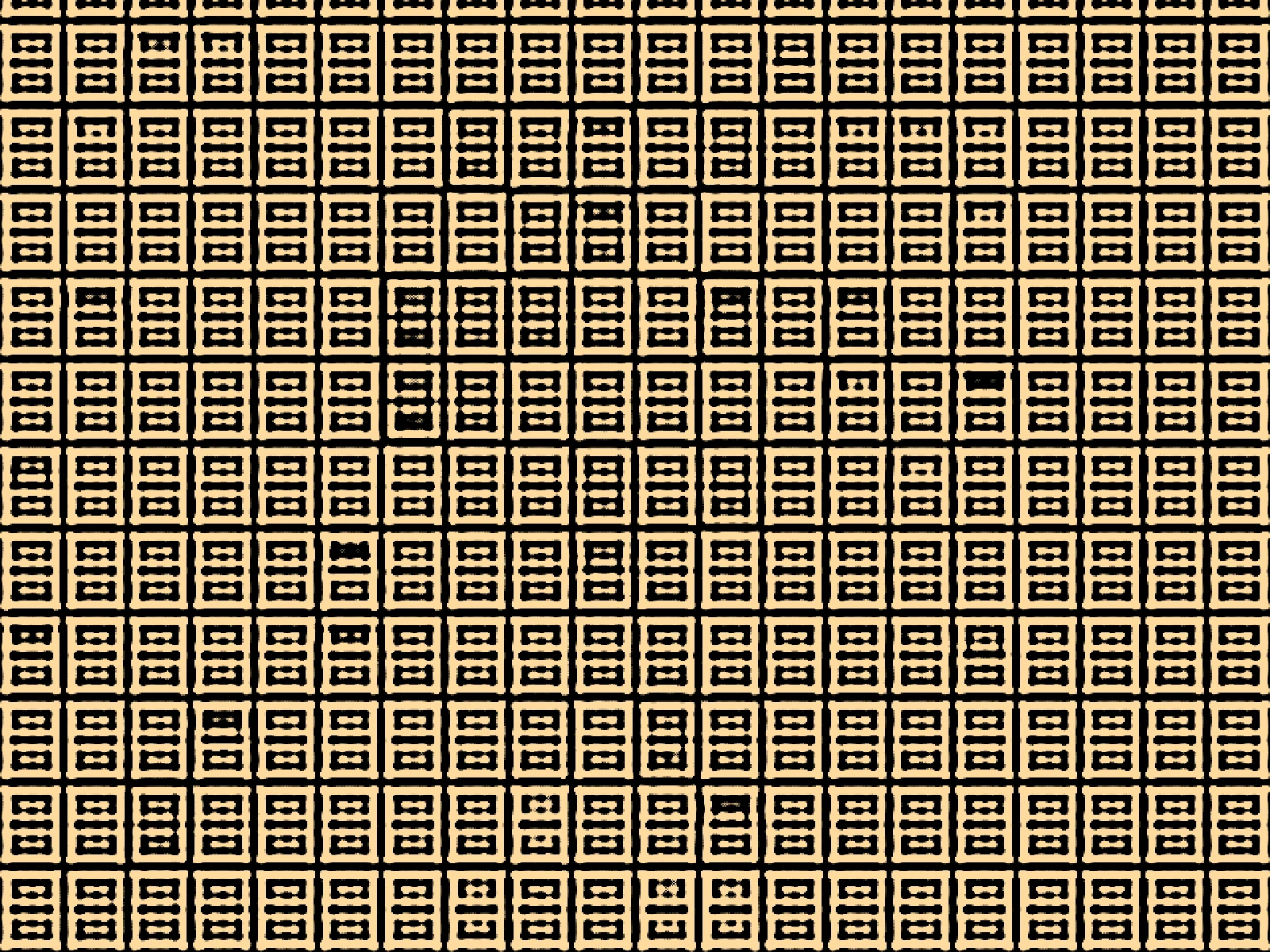
This effect runs a reaction-diffusion simulation seeded by the source image, so the pattern grows out of the picture's own tonal structure rather than being applied over it. SCALE from 1 to 8 sets the feature size of the emerging pattern, which is the closest analogue to the diffusion rates in Turing's model. RATE controls how quickly the simulation advances, so it changes how fast the pattern reorganises rather than what it settles into. Because reaction-diffusion is defined by iteration, in kott this page shows a loop: any single frame is one arbitrary moment in a process whose entire character is that it keeps reorganising.
04/ FAQ
- What is a Turing pattern?
- A pattern that arises from two substances diffusing at different rates and reacting, producing spots and stripes with no pre-existing template. Alan Turing proposed the mechanism in 1952.
- Is reaction-diffusion real biology?
- Yes. Turing's 1952 model was ignored for decades and has since been confirmed in fish markings, mouse palate ridges and hair follicle spacing, among others.
- Why does this page show a loop?
- Reaction-diffusion is iterative: the pattern is never finished, it keeps reorganising. A single frame captures one arbitrary state and says nothing about the process.