split flap effect
 SourceEffect
01/ ORIGIN
Solari di Udine industrialised the split-flap display in Italy in the 1950s, and it ran the world's airports and stations for four decades. Each cell is a stack of hinged flaps on a motor that can only advance, so reaching a character means passing through every one before it. The clatter as a board updated was purely mechanical, and when digital screens replaced them several stations kept recordings of the sound.
02/ MOTION
in motion

03/ SPEC
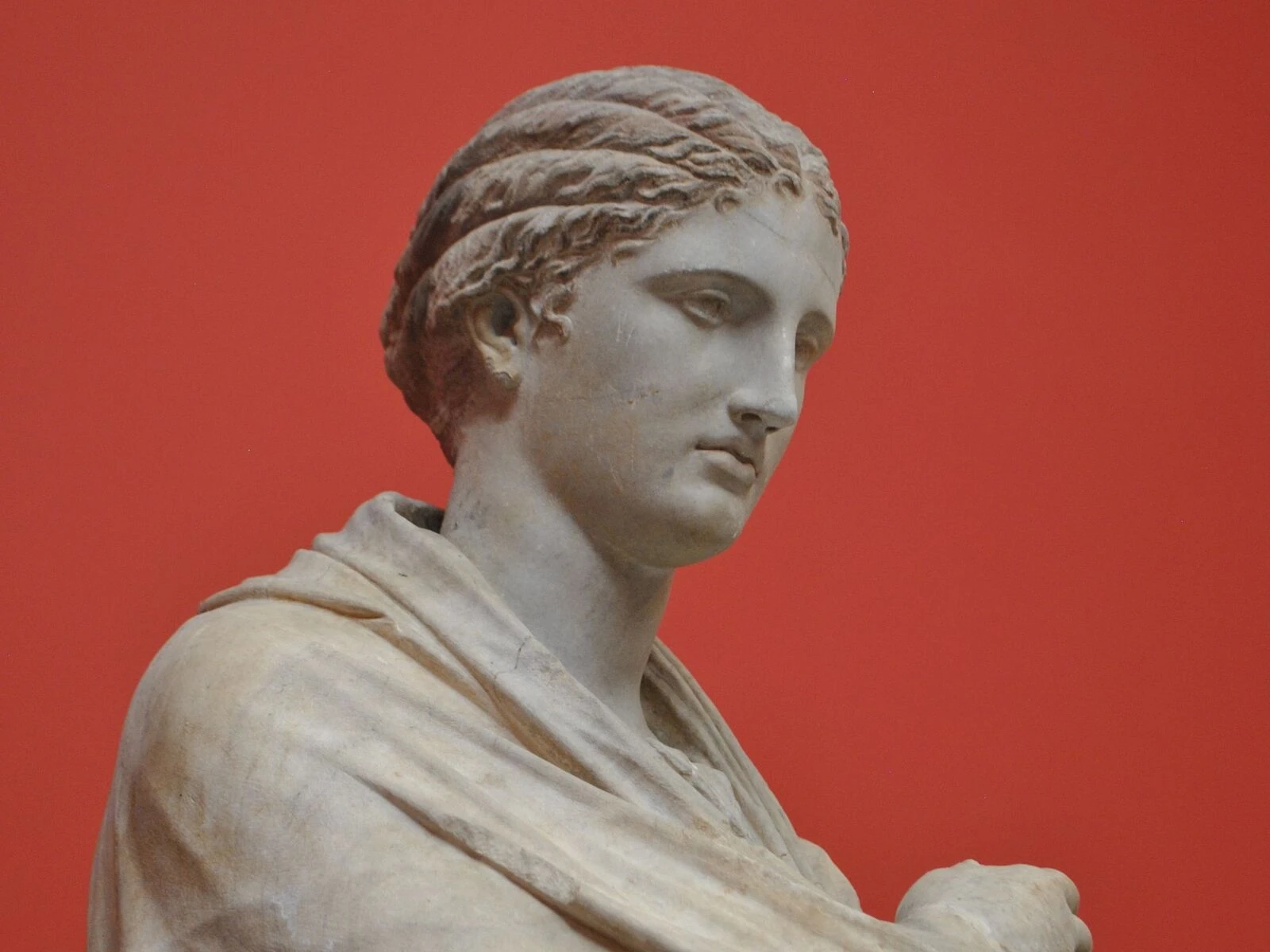
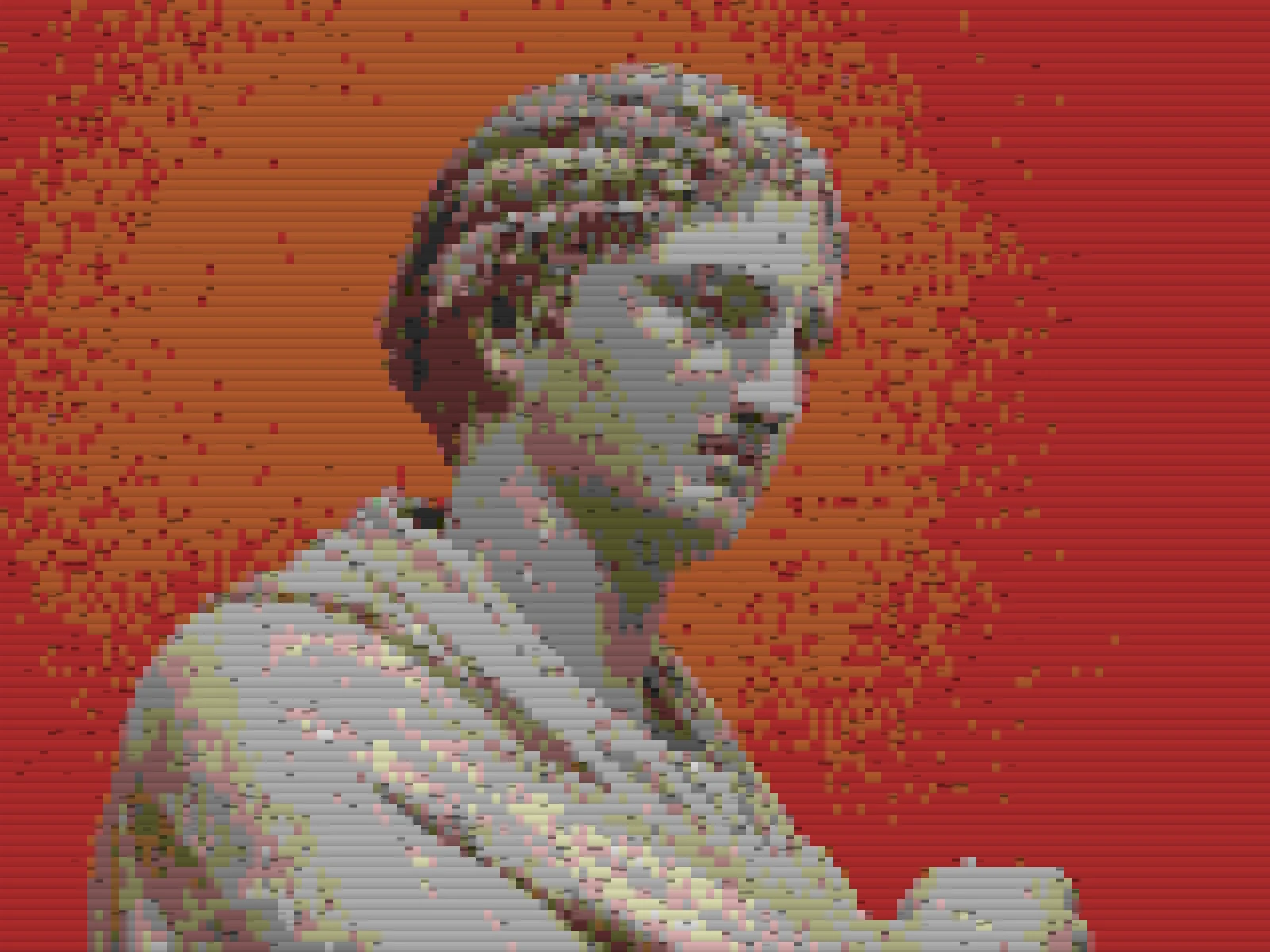
This effect renders the image on a character grid and animates each cell flipping through intermediate glyphs before settling, with cells starting at staggered times. PLATE from 1 to 8 sets the size of each flap cell, which fixes the resolution of the board. SPEED controls how fast cells advance through their character sequence, and the per-cell stagger is what produces the characteristic uneven assembly. Because the flipping is the effect, in kott this page shows a loop: a still frame is either a settled board, which is plain glyph output, or a mid-flip mess with no explanation.
04/ FAQ
- What is a split-flap effect?
- It renders an image on a character grid and animates each cell flipping through intermediate glyphs before settling, imitating a mechanical departure board.
- Why do split-flap boards clatter through characters?
- Each cell is a stack of hinged flaps on a motor that only advances in one direction, so reaching a given character means physically passing through every one before it.
- Who made split-flap displays?
- Solari di Udine industrialised them in Italy in the 1950s. They ran airports and stations for around forty years, and some stations kept recordings of the sound after replacing them.