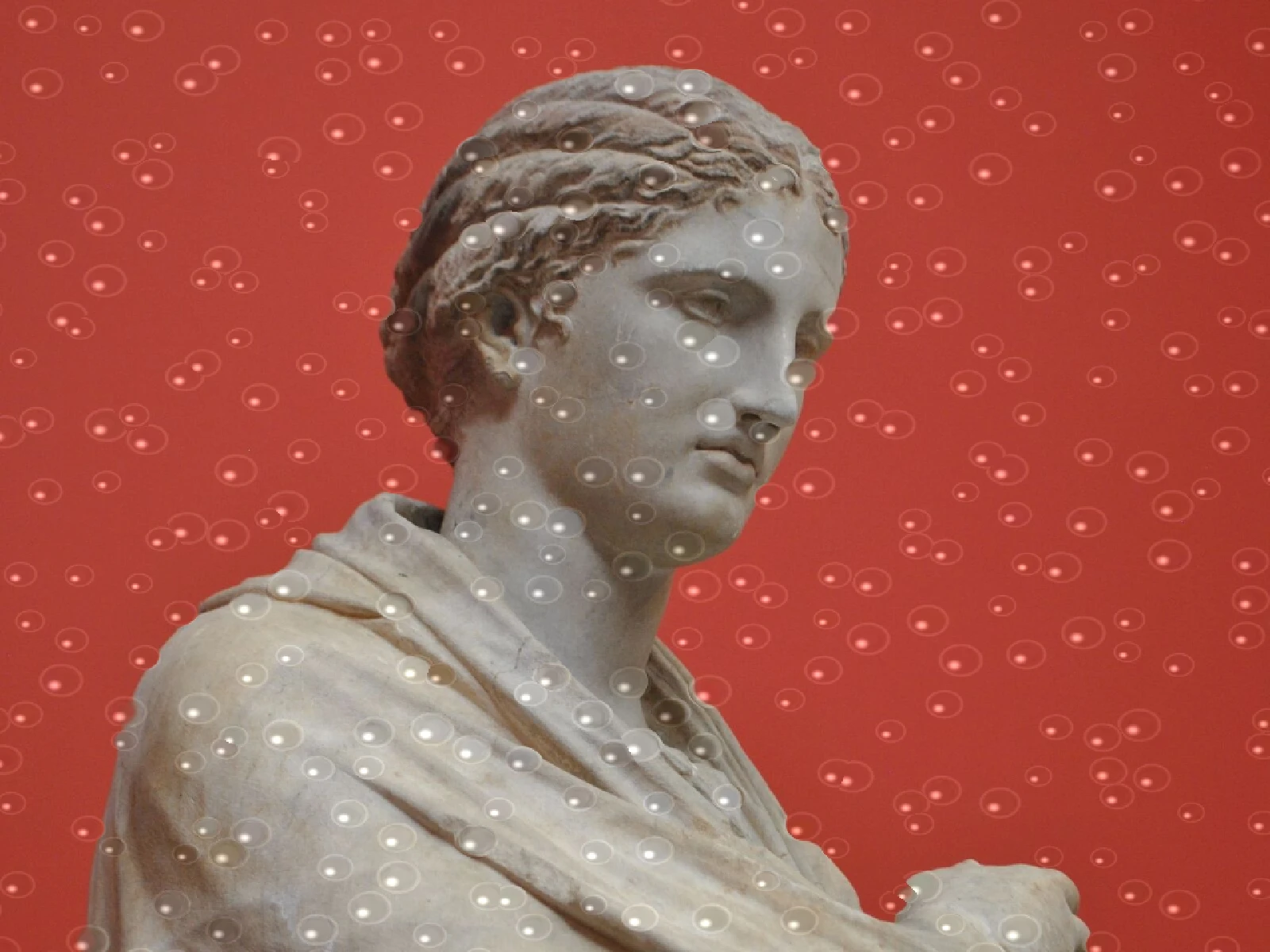
fluted glass effect

 SourceEffect
01/ ORIGIN
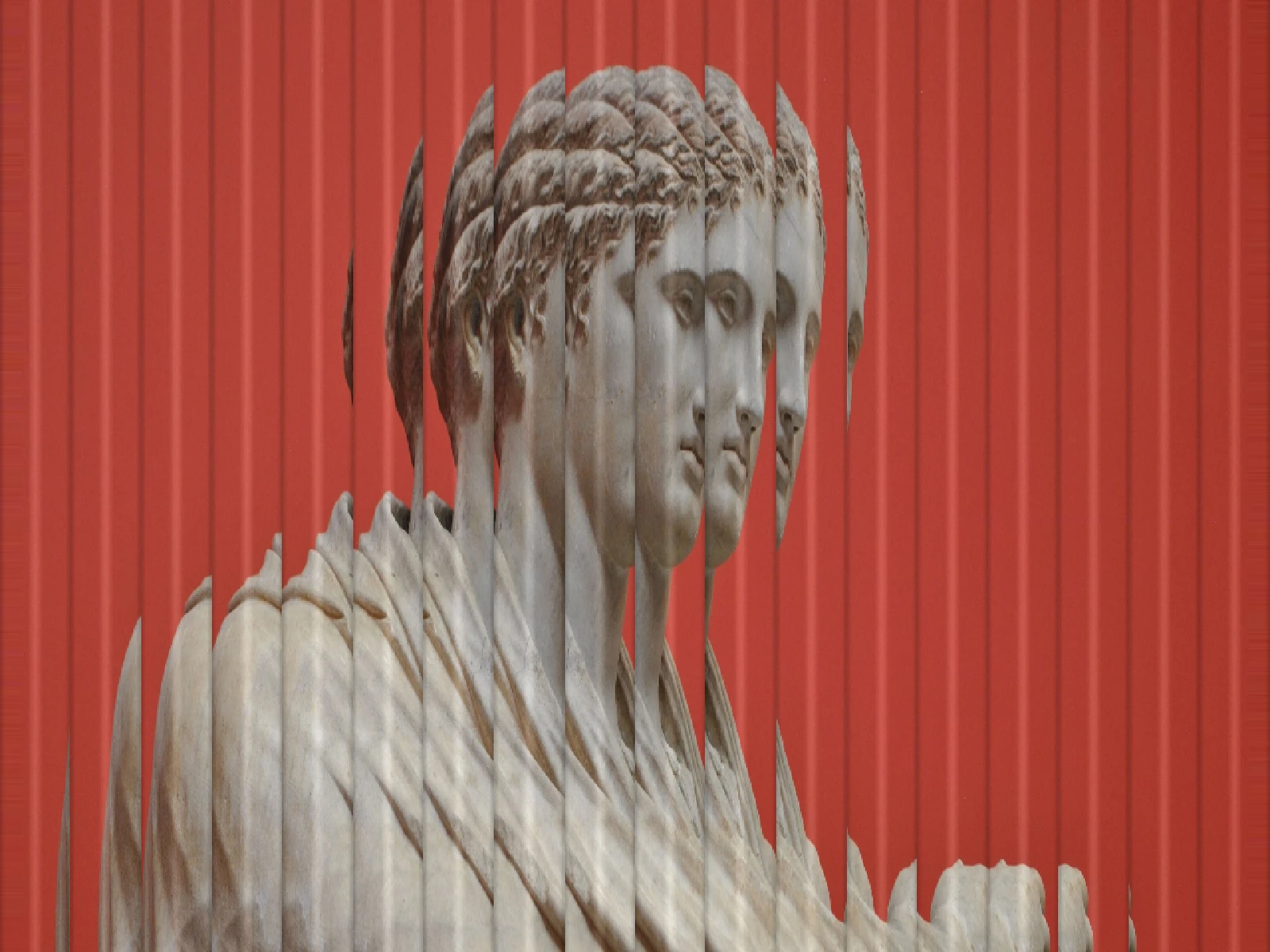
Fluted or reeded glass is a sheet with parallel semicylindrical ribs, and each rib is a lens with one axis of curvature: it bends light horizontally and leaves the vertical untouched. Architects have used it for over a century wherever a room needed light and privacy at once, in office partitions, stairwells and shop fronts. It has returned heavily in recent interior design, which is why the look now reads as contemporary rather than institutional.
02/ SWEEP
STRIPS sweep
03/ SPEC
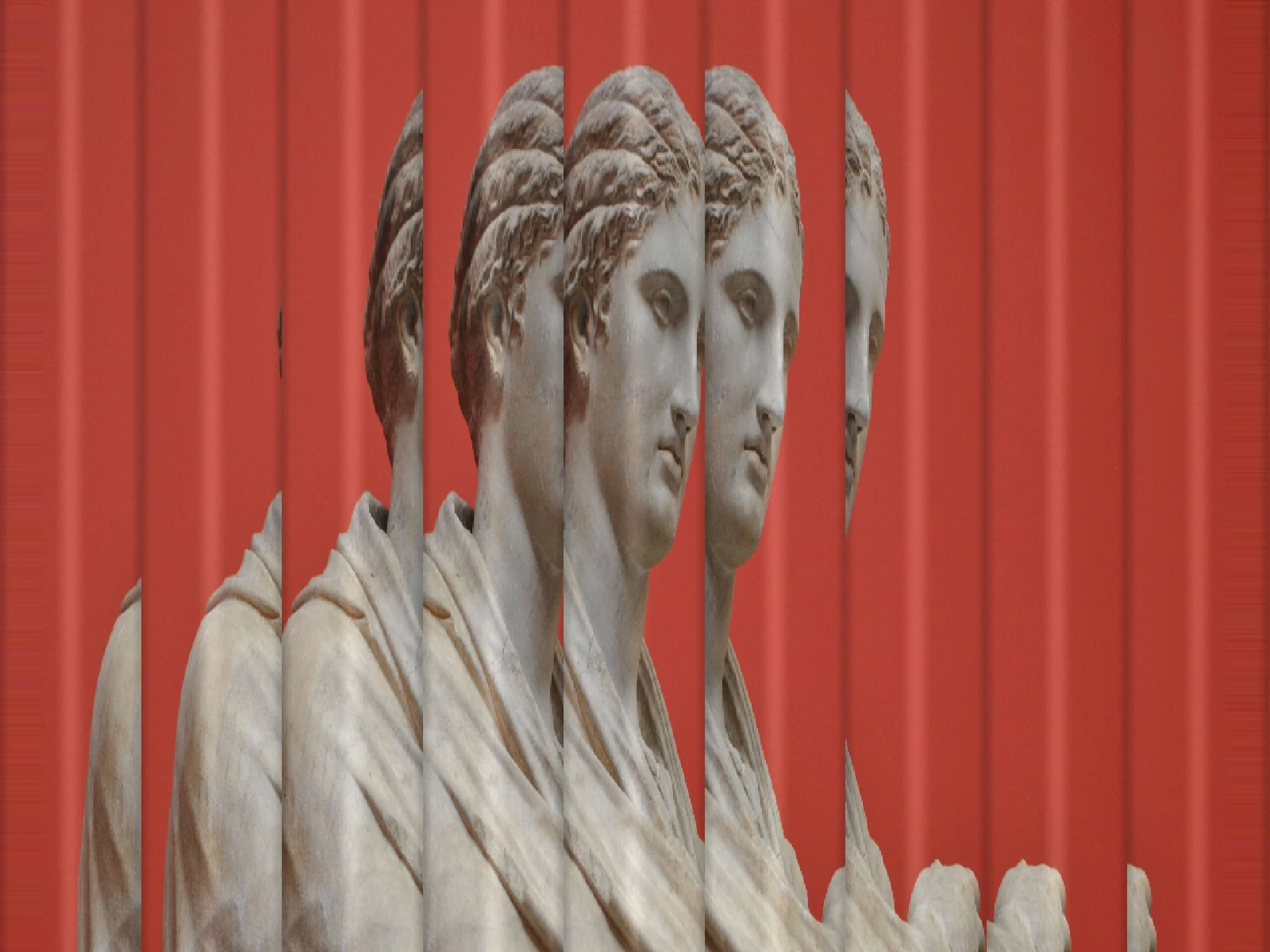
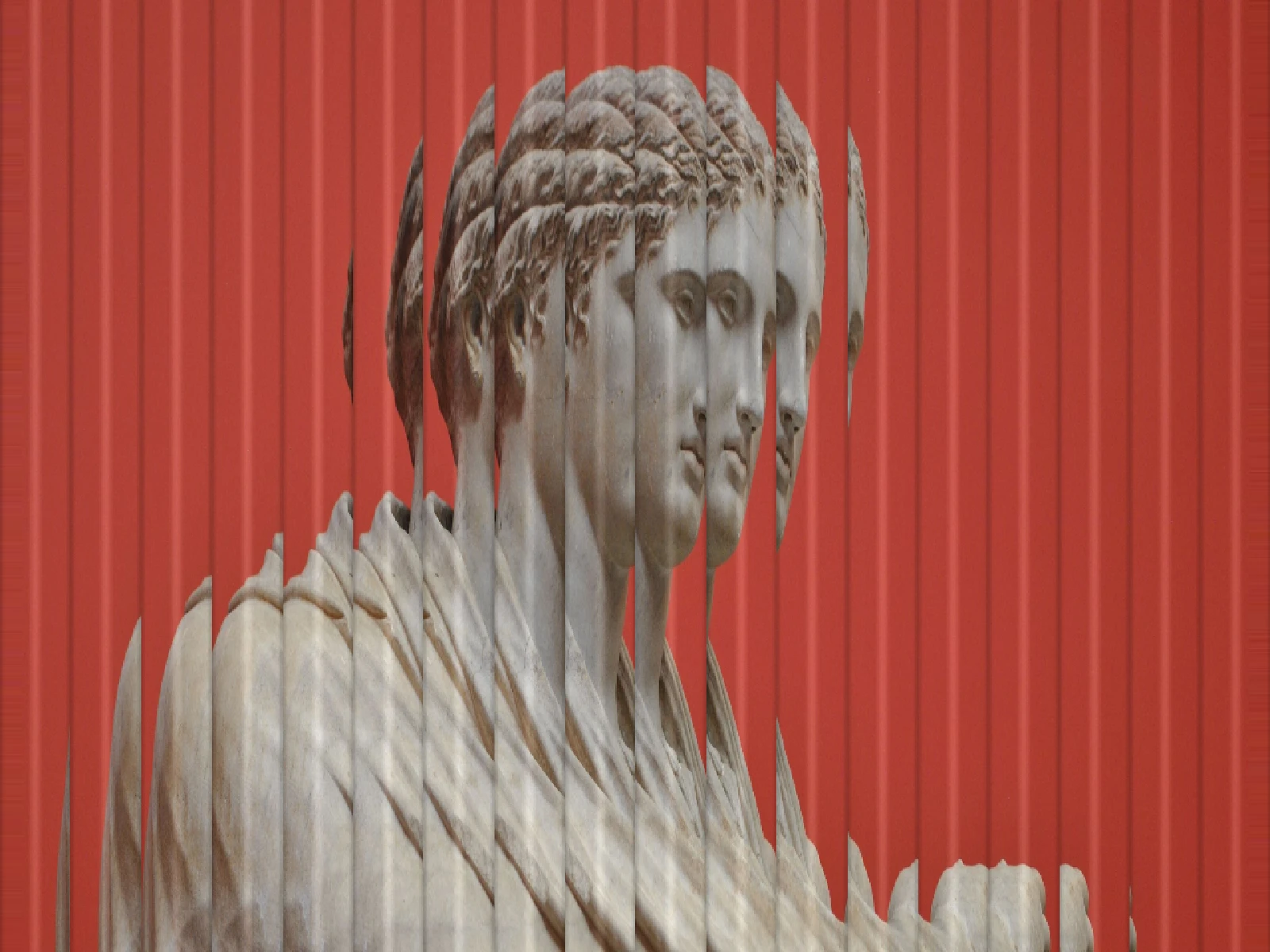
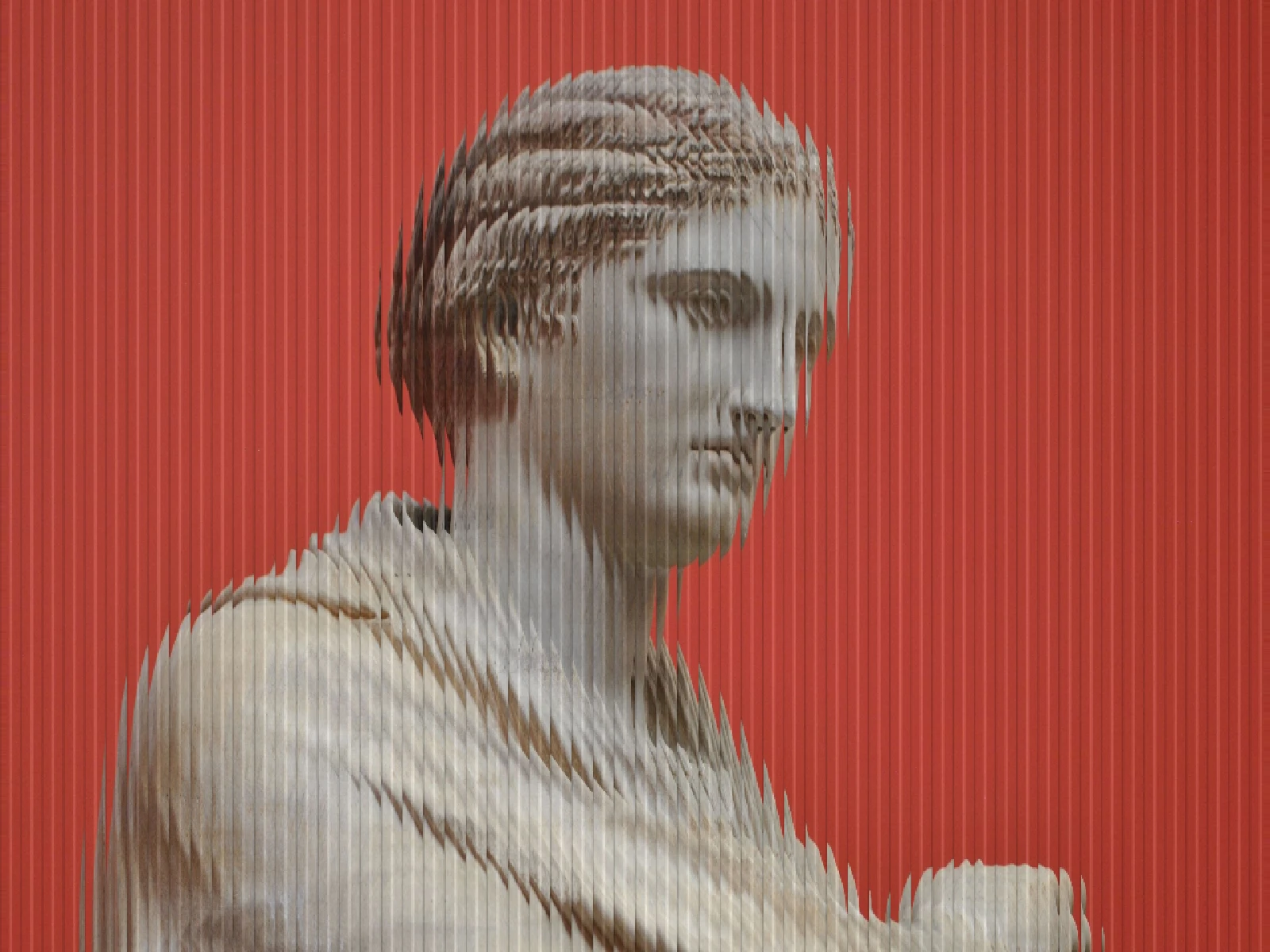
This effect divides the frame into vertical strips and displaces the image within each one, imitating refraction through parallel semicylindrical ribs rather than a general distortion. STRIPS runs from 3 to 20 with a default of 6 and sets how many flutes span the frame, which determines whether the result reads as broad architectural glass or fine reeding. BEND controls how strongly each strip refracts what it carries. Because displacement is horizontal only, in kott vertical structure survives intact exactly as it does through real fluted glass.
04/ FAQ
- What is a fluted glass effect?
- A fluted glass effect slices an image into vertical strips and refracts each one separately, imitating glass with parallel semicylindrical ribs that bend light horizontally only.
- Why does fluted glass preserve vertical detail?
- Each rib is curved in one axis only, so it refracts horizontally and leaves the vertical unchanged. That is why a vertical line behind fluted glass stays a vertical line.
- How many STRIPS look most like real architectural glass?
- Around the default of 6 for broad partition glass. Higher values read as fine reeded glass, which is common in cabinet doors and recent interior work.