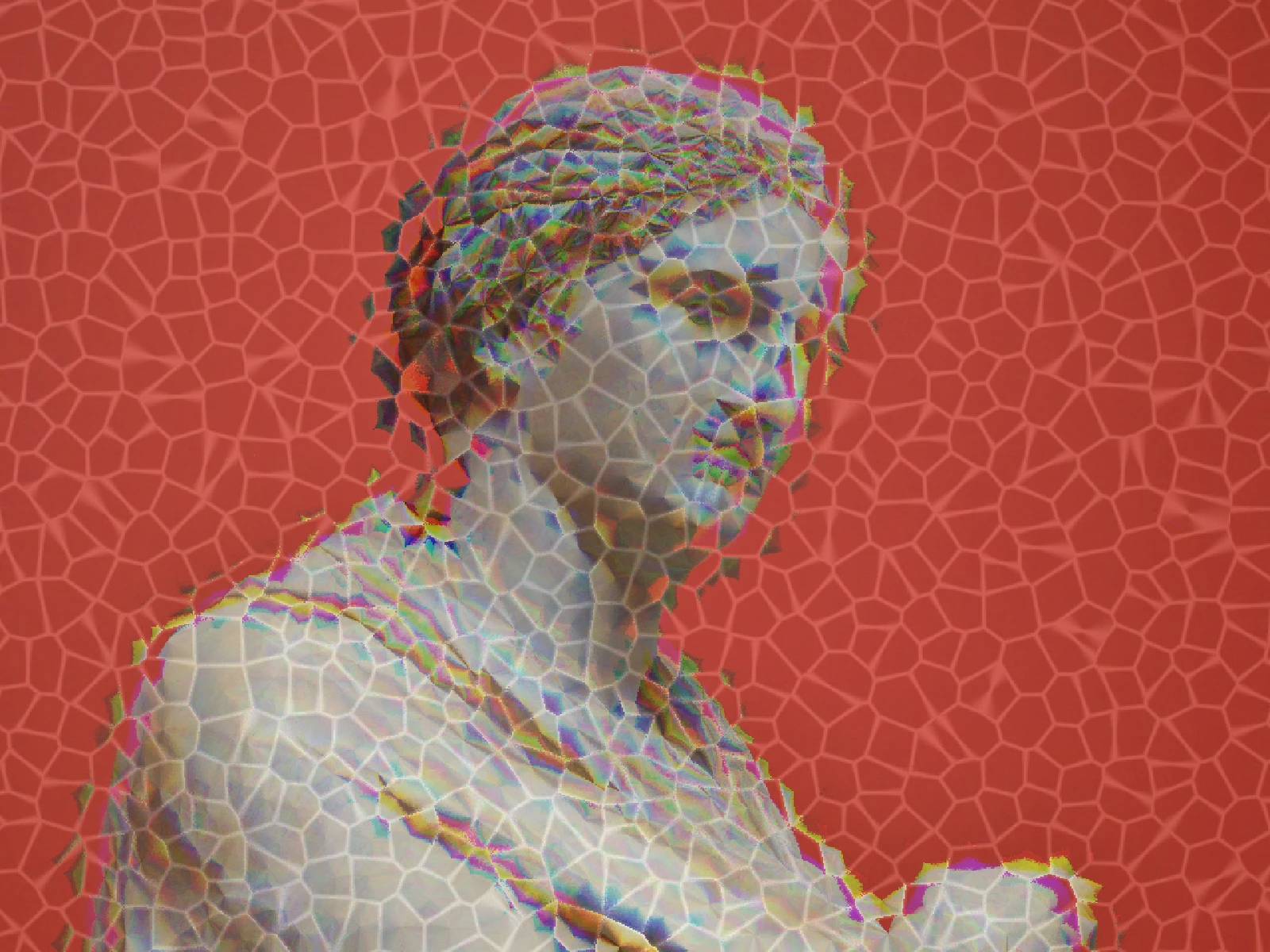
kaleidoscope effect
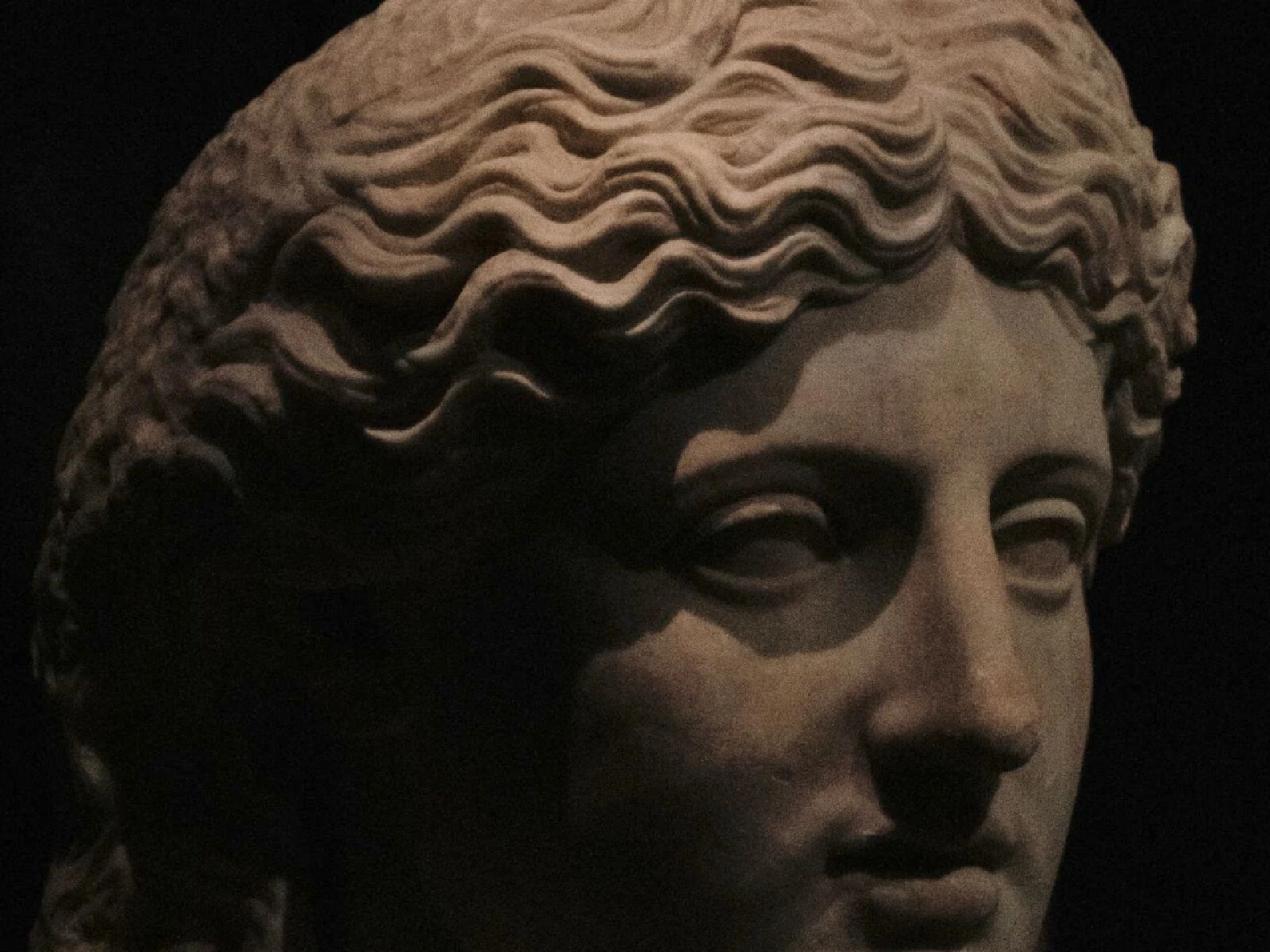
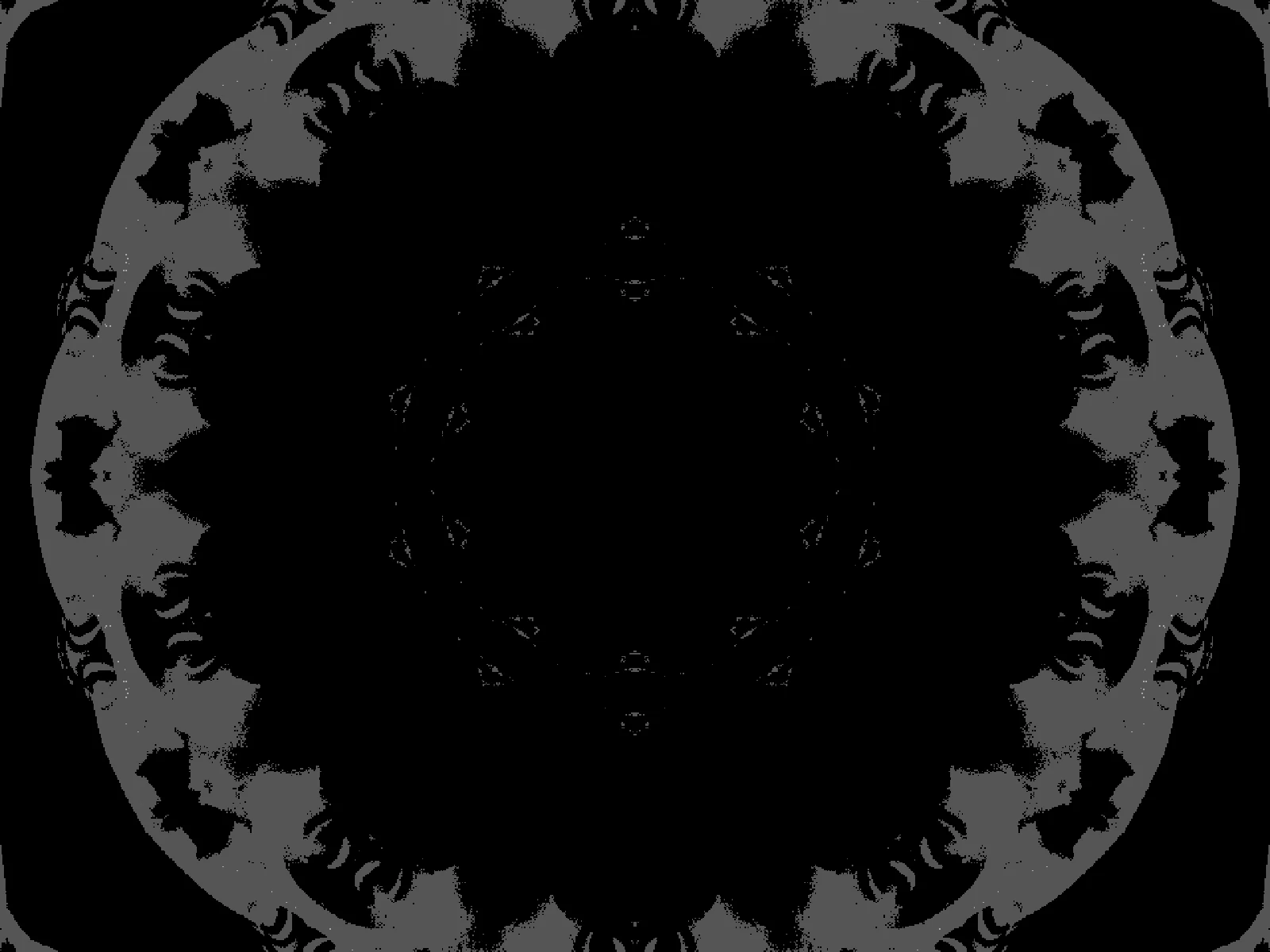 SourceEffect
01/ ORIGIN
The number of repeats in a kaleidoscope is not a choice but a consequence: two mirrors at an angle produce 360 divided by that angle reflections, so a 60 degree pair gives six and a 30 degree pair gives twelve. Brewster's 1817 instrument made this arithmetic into a toy, and the toy sold in the hundreds of thousands before he could enforce a patent. The word he coined is Greek for the observation of beautiful forms, which is a fair description of arithmetic doing aesthetic work.
02/ SWEEP
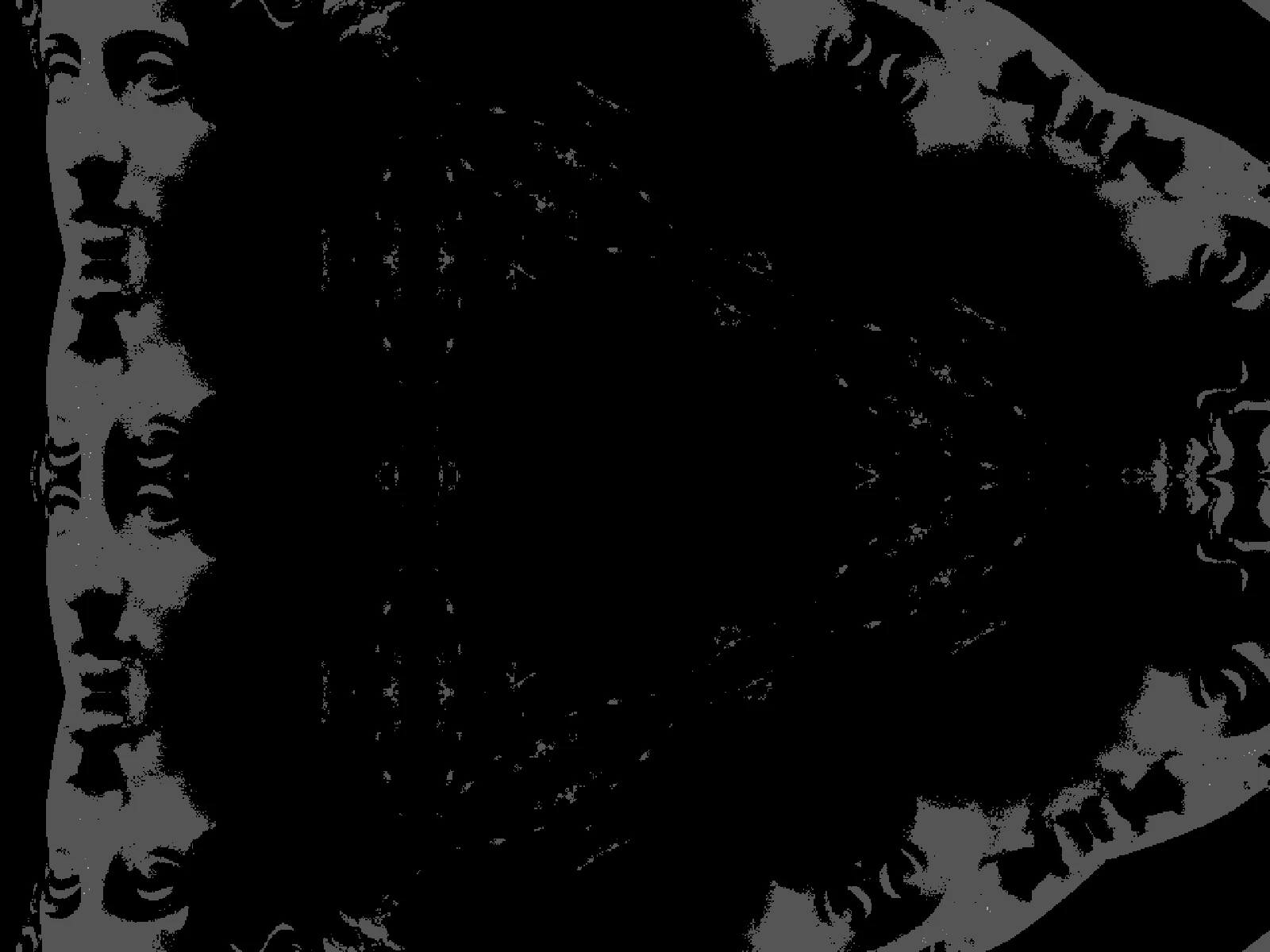
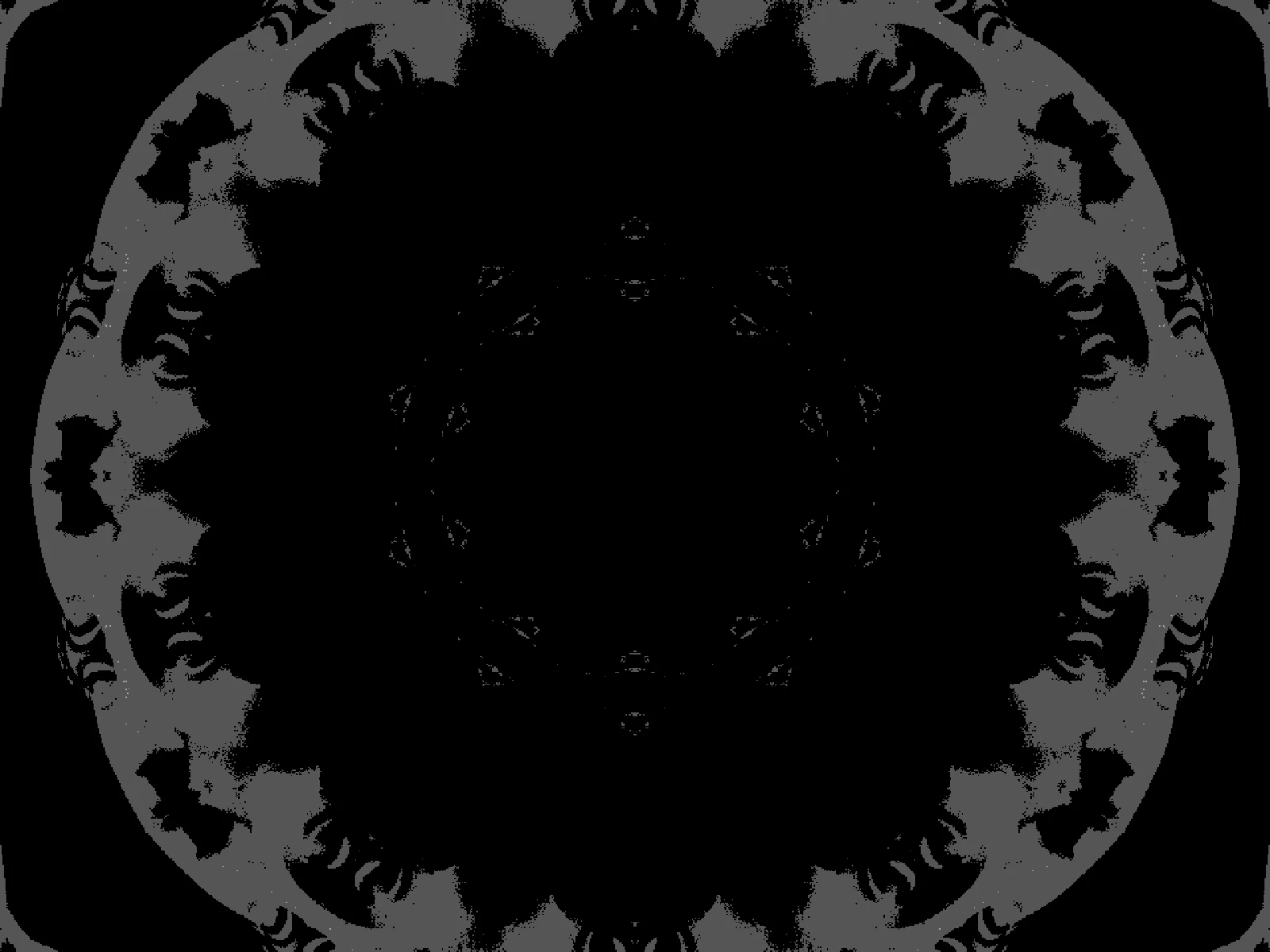
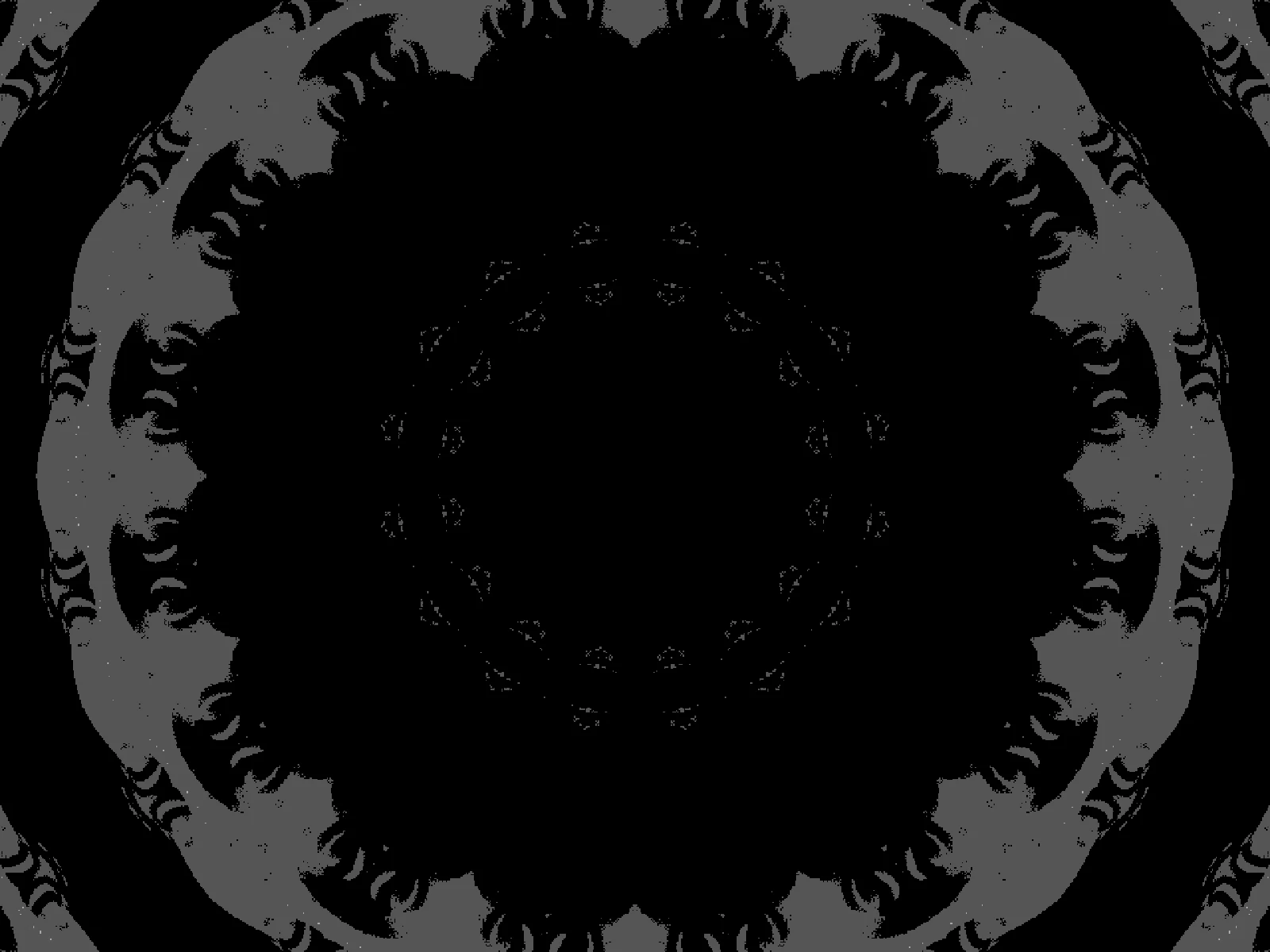
SEGMENTS sweep
03/ SPEC
This effect samples a single angular wedge of the source and reflects it repeatedly around the frame centre, so the output is genuinely periodic rather than merely symmetrical. SEGMENTS runs from 3 to 16 with a default of 10 and sets how many times the wedge repeats, which mirrors the physical relationship between mirror angle and reflection count. ZOOM from 0.5 to 5 scales how much of the source the wedge samples, and is what decides whether a recognisable feature appears in every repeat. SATURATION is an advanced control. In kott the sampling is per pixel, so seams between wedges stay hard rather than softening.
04/ FAQ
- What is a kaleidoscope effect?
- A kaleidoscope effect samples a wedge of an image and reflects it repeatedly around a centre point, producing radial symmetry. It reproduces what two angled mirrors do optically.
- How many SEGMENTS should a kaleidoscope have?
- Six to twelve matches common physical kaleidoscopes, since those correspond to 60 and 30 degree mirror pairs. Three keeps the source readable, and sixteen turns it into pure pattern.
- How do I keep the subject recognisable in a kaleidoscope?
- Lower SEGMENTS to 3 or 4 and reduce ZOOM so each wedge samples a larger area of the source. Narrow wedges sample too little to carry anything identifiable.