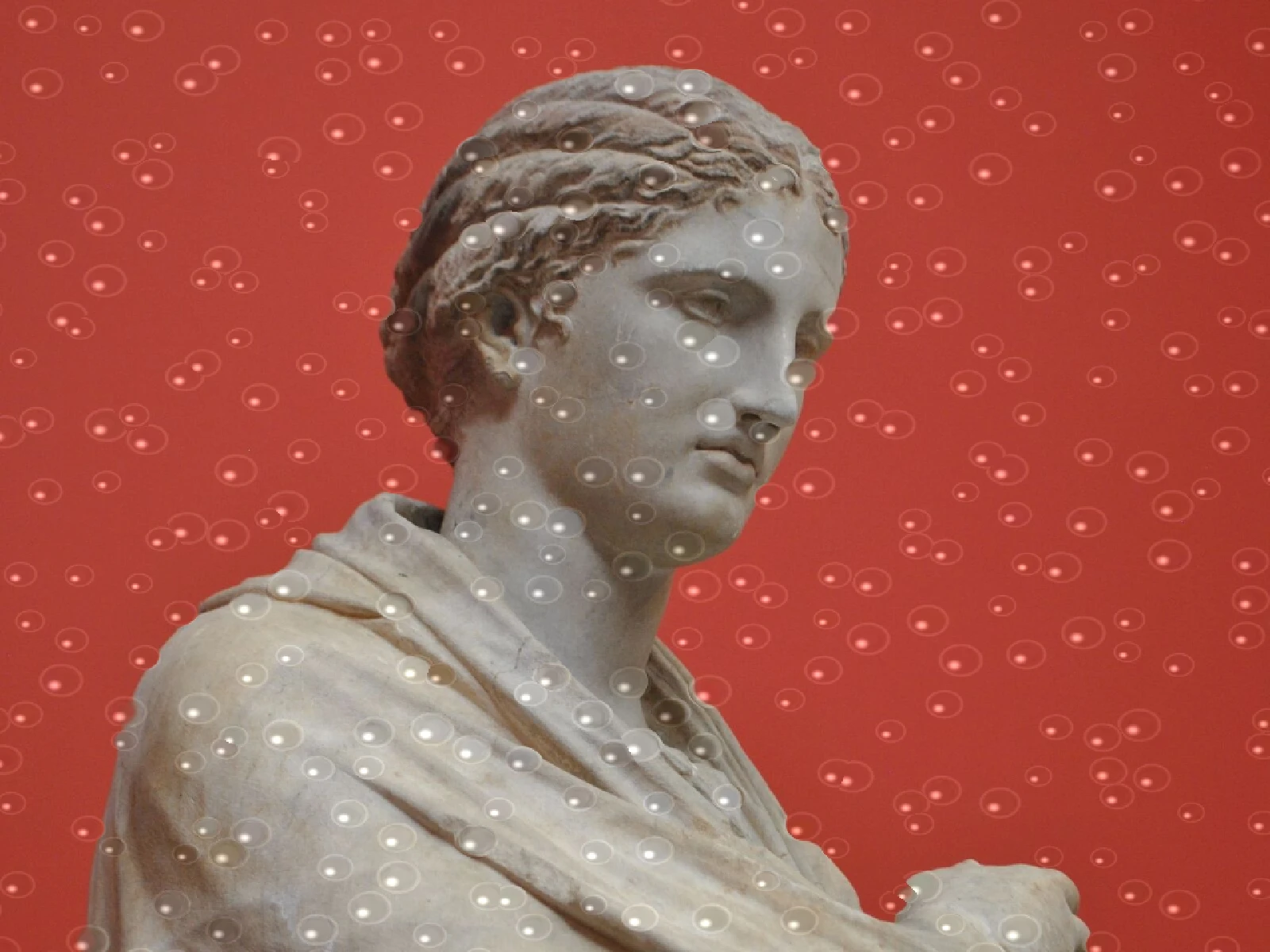
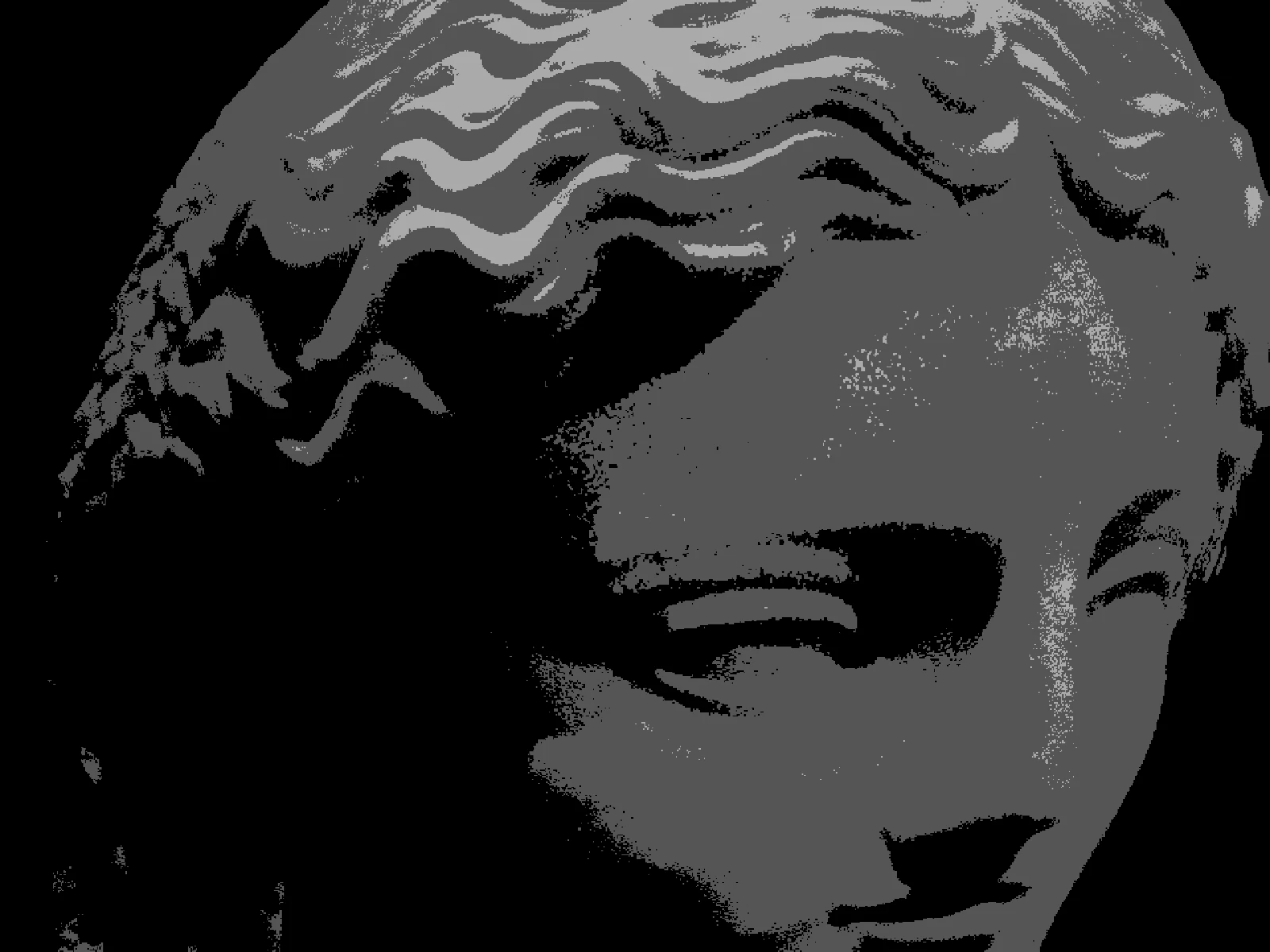
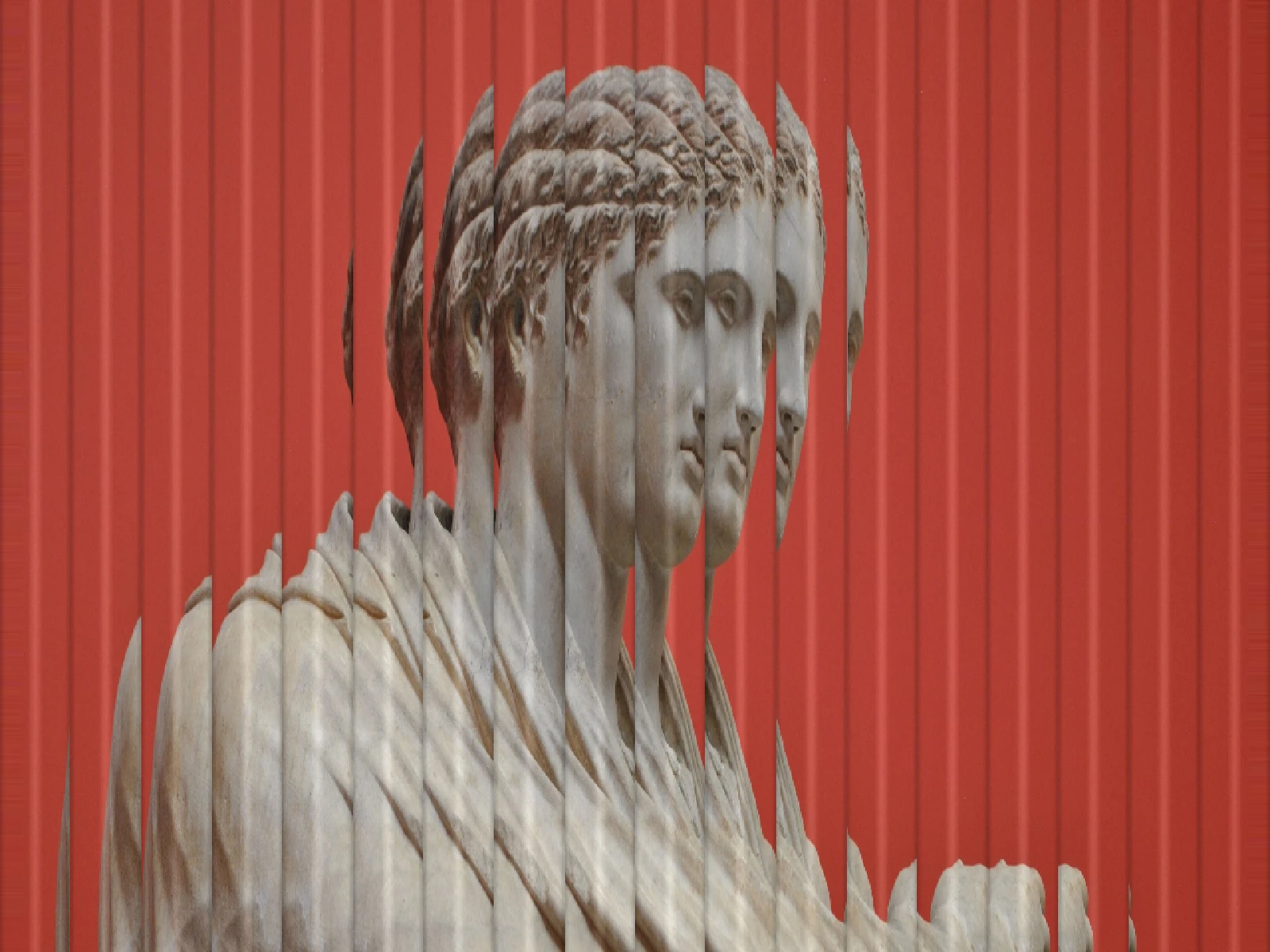
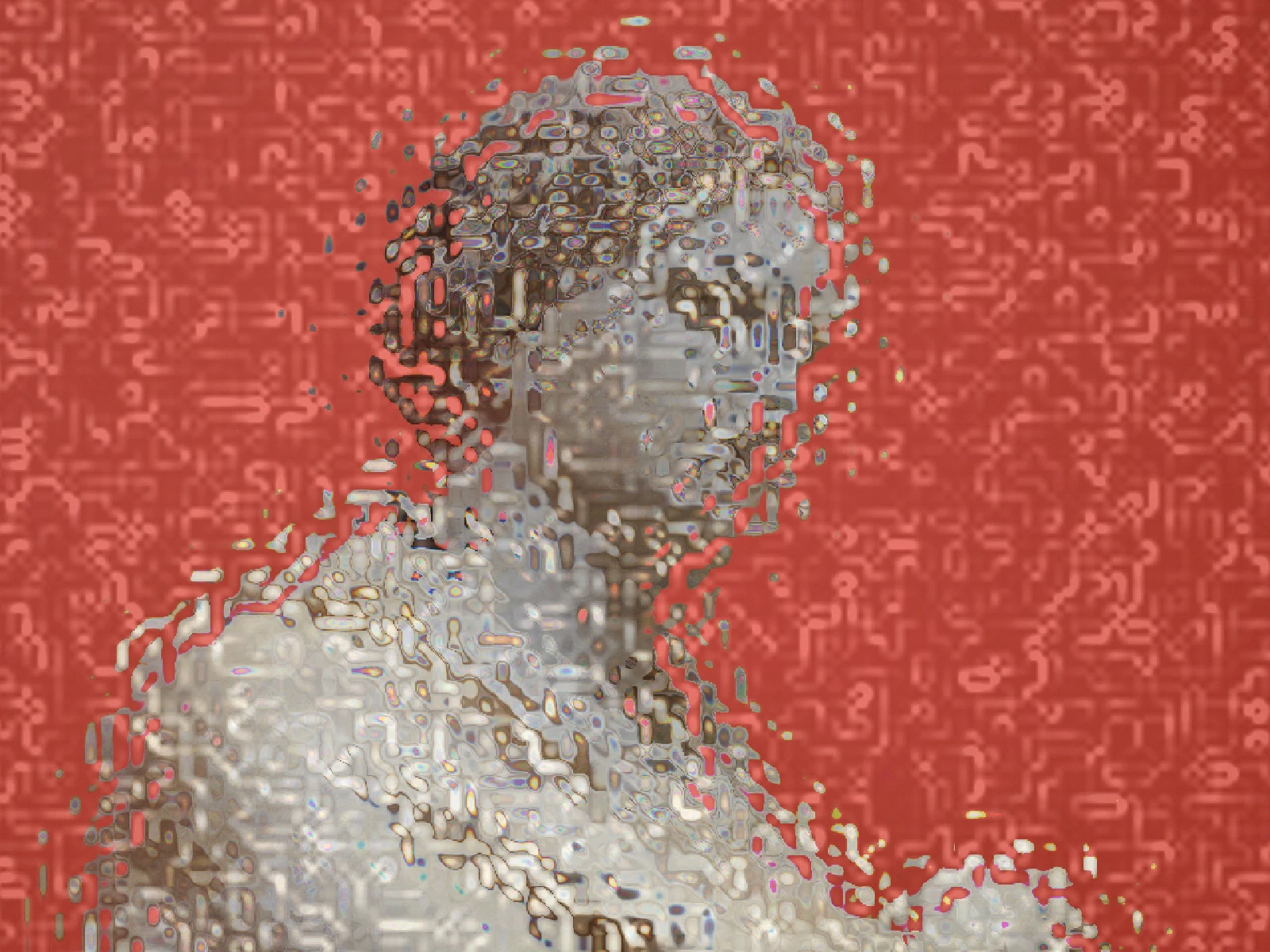
glass dispersion effect
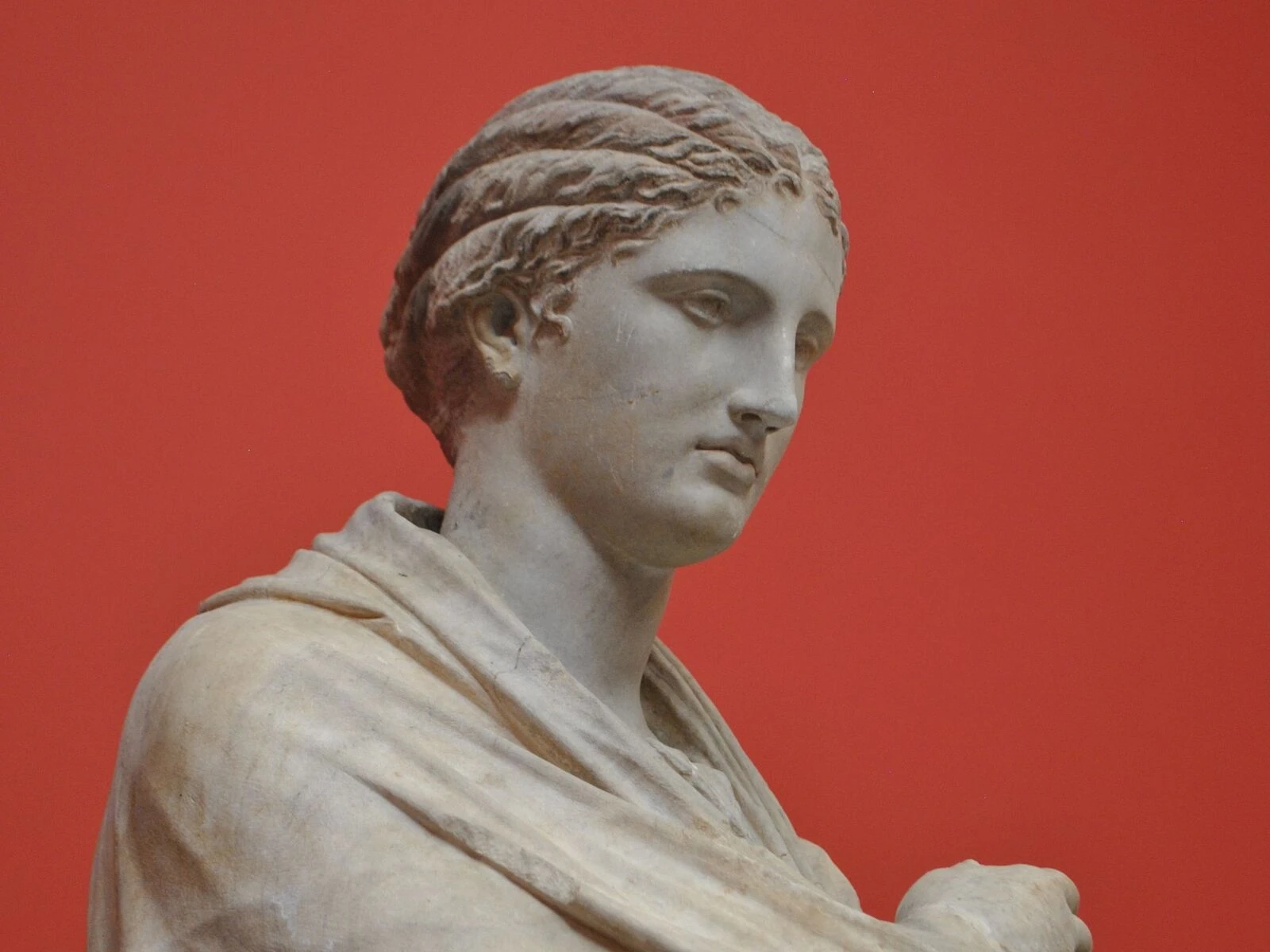
 SourceEffect
01/ ORIGIN
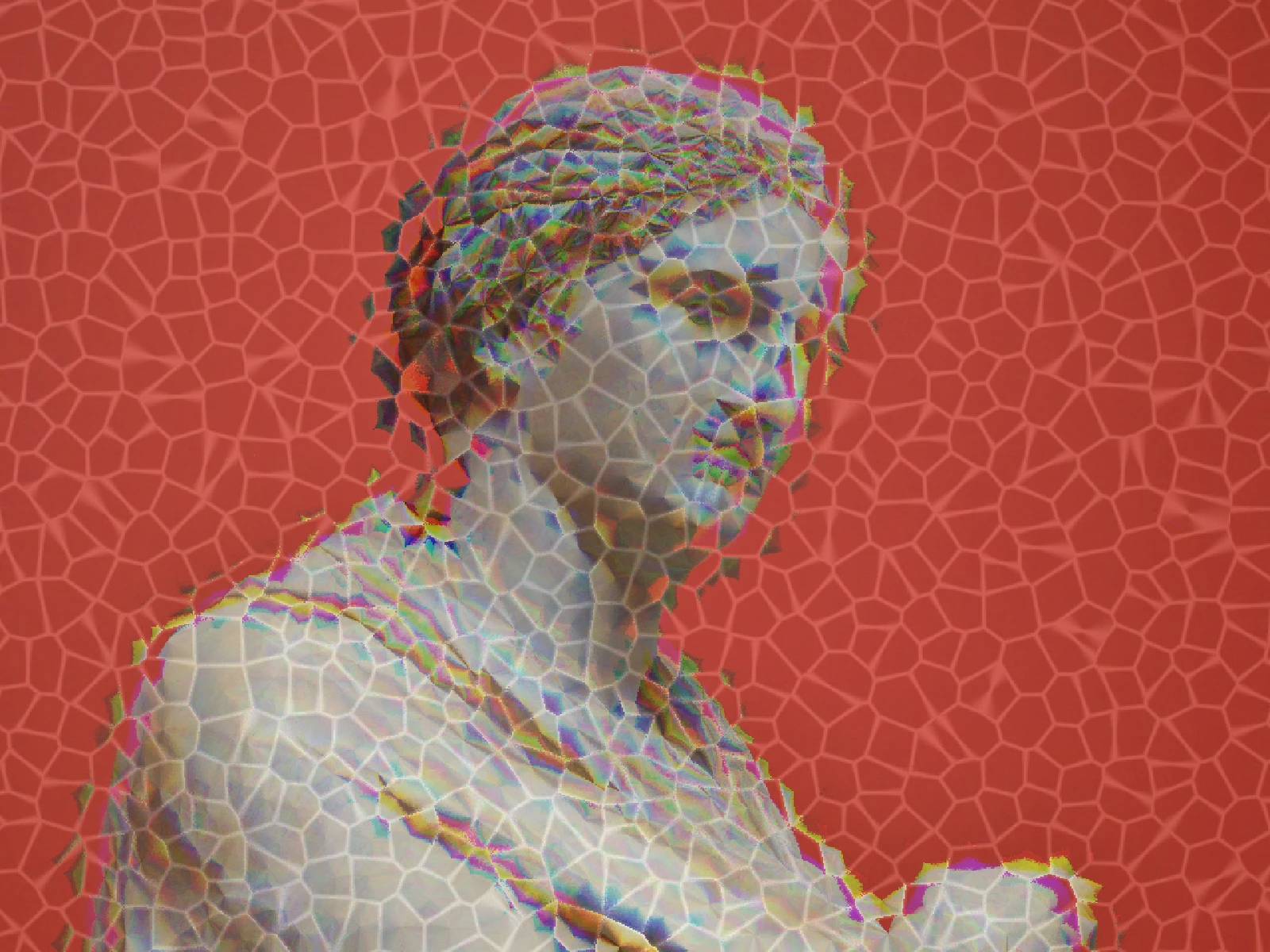
Two physical facts stacked together. Broken glass refracts along whatever facet angles the fracture happened to produce, so each fragment redirects light differently, and glass disperses, bending short wavelengths more than long ones. Put both together and a shattered pane does not soften an image, it fragments and colours it. Jewellers exploit exactly this, cutting facets specifically to maximise the dispersion that a lens designer spends a career suppressing.
02/ SWEEP
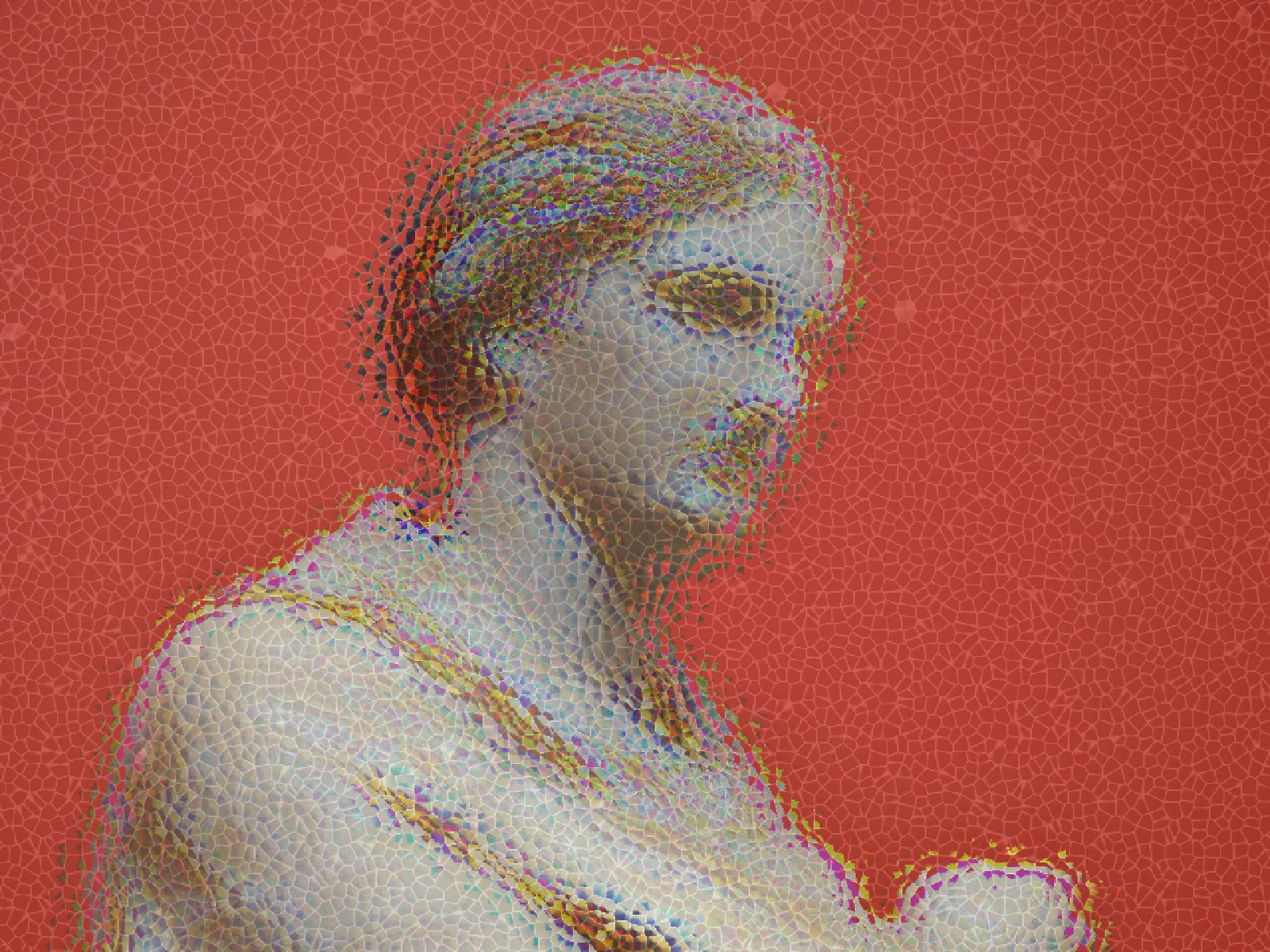
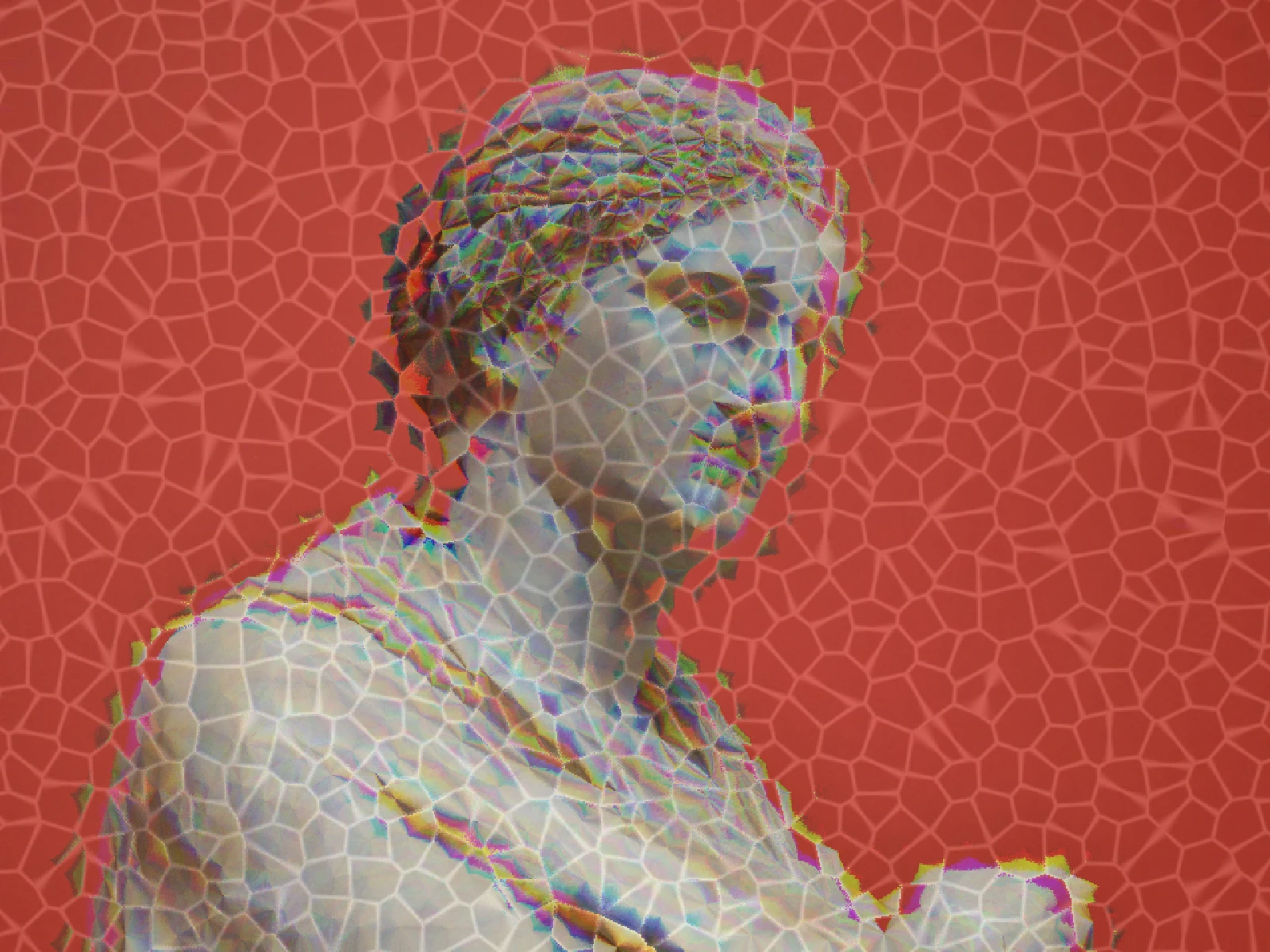
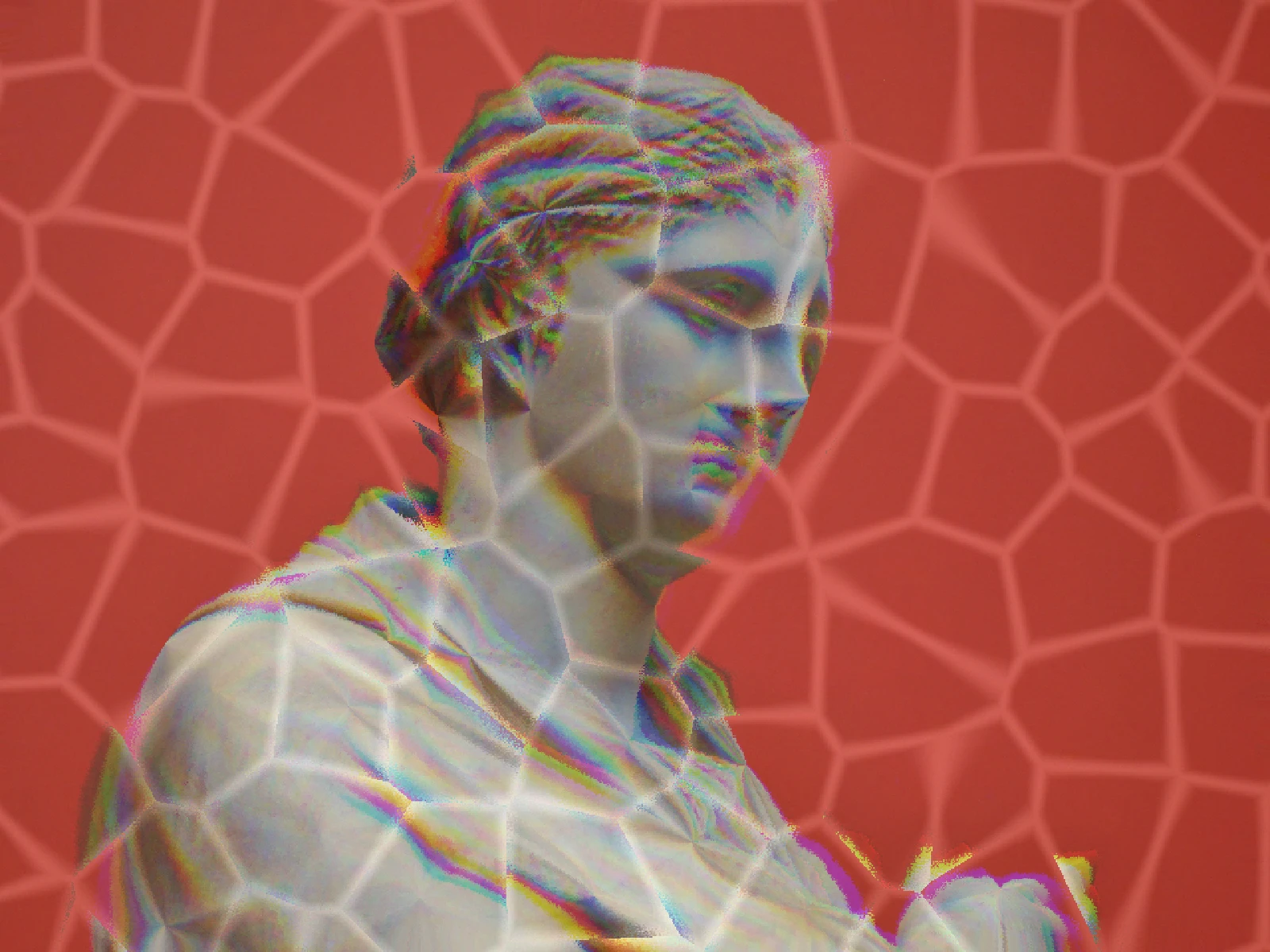
SHARD sweep
03/ SPEC
This effect partitions the frame into angular shards and applies wavelength-dependent displacement within each, so fragments refract and disperse independently. SHARD runs from 1 to 10 with a default of 3 and sets the fragment size, controlling how finely the image is broken. DISPERSION from 0 to 2 scales how far colour channels separate inside each shard, and FROST is an advanced control adding surface scatter. In kott it renders in natural colour, without which the dispersion would have nothing to separate.
04/ FAQ
- What is a glass dispersion effect?
- It breaks an image into angular shards and separates colour channels within each, imitating how broken glass both fragments a view and disperses light into its component wavelengths.
- Why does broken glass produce colour fringes?
- Glass bends short wavelengths more than long ones, so each facet separates light slightly. Jewellers cut facets to maximise exactly the dispersion lens designers try to eliminate.
- What is the difference between this and frosted glass?
- Frosting scatters light through a randomly roughened surface and destroys ordering. This refracts along discrete facet angles, so the image fragments into distinct pieces instead.