liquid effect

 SourceEffect
01/ ORIGIN
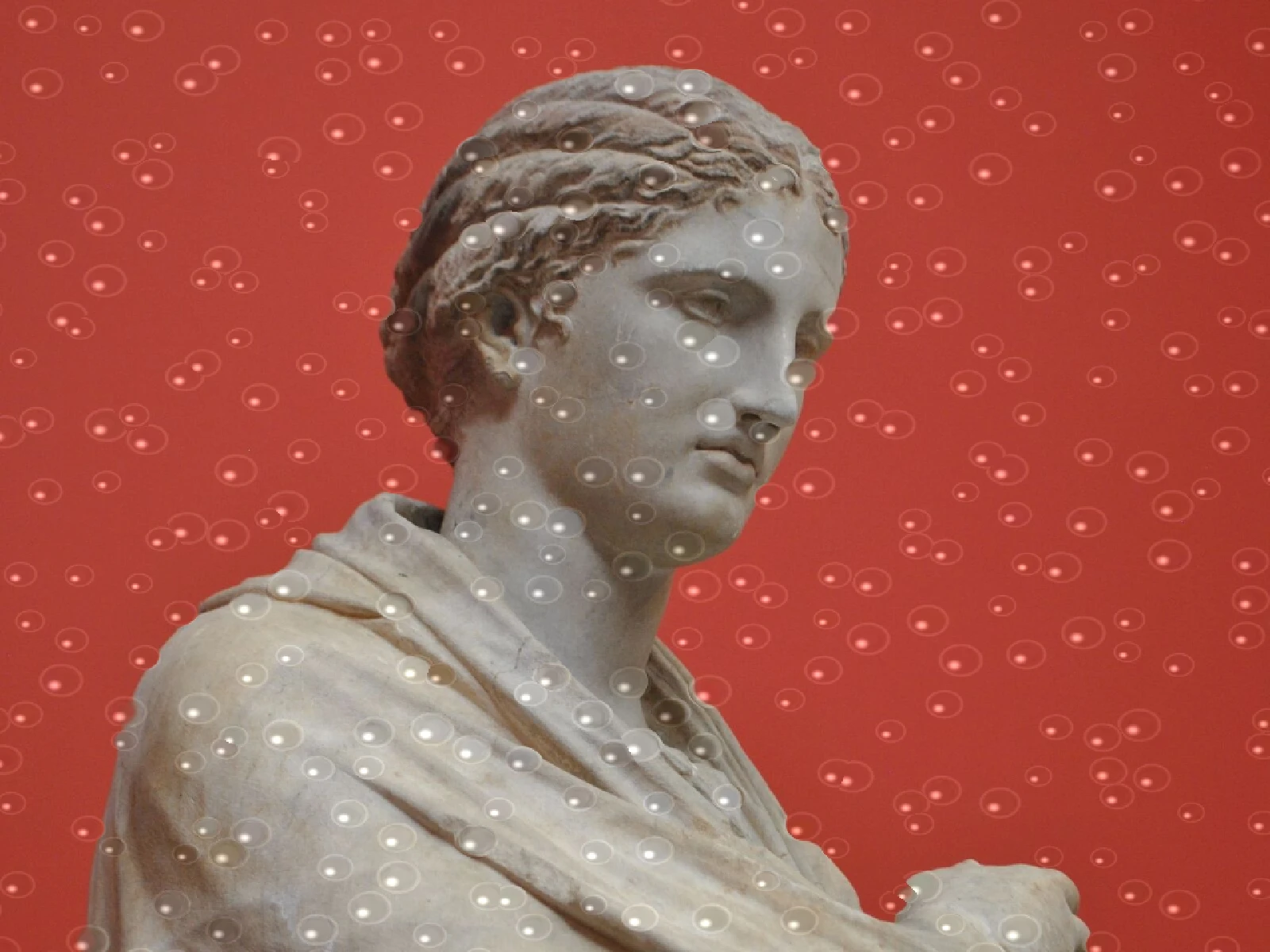
Look through moving water and nothing is lost, only moved: the surface acts as a shifting lens, redirecting light rather than scattering it, which is why a pebble under a stream stays sharp while its position wanders. The bright bands on the bottom of a pool, caustics, are the same phenomenon focused rather than spread. Digital fluid displacement borrows the geometry directly, using a smooth noise field where physics would use a surface.
02/ SWEEP
SCALE sweep



03/ SPEC
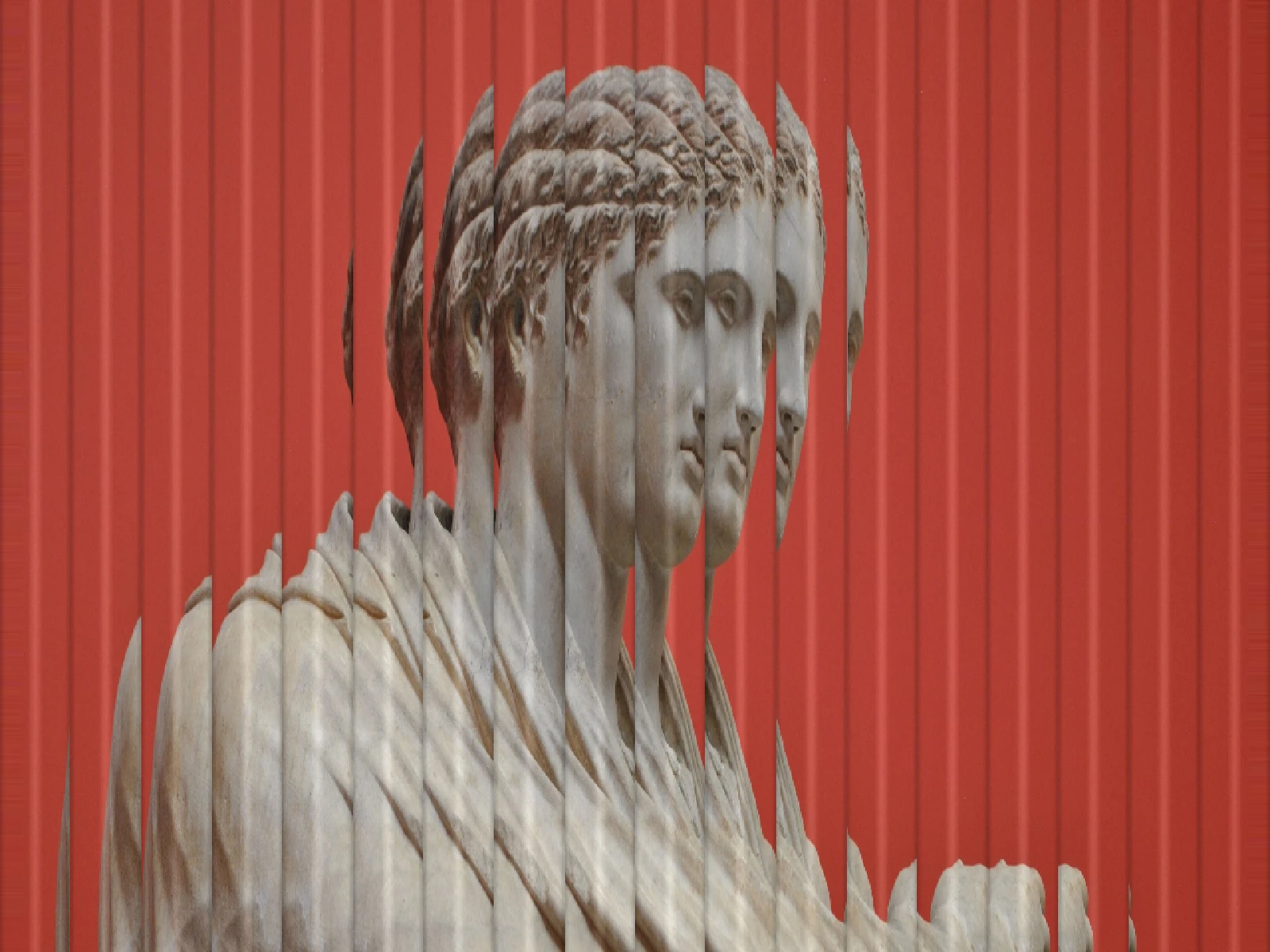
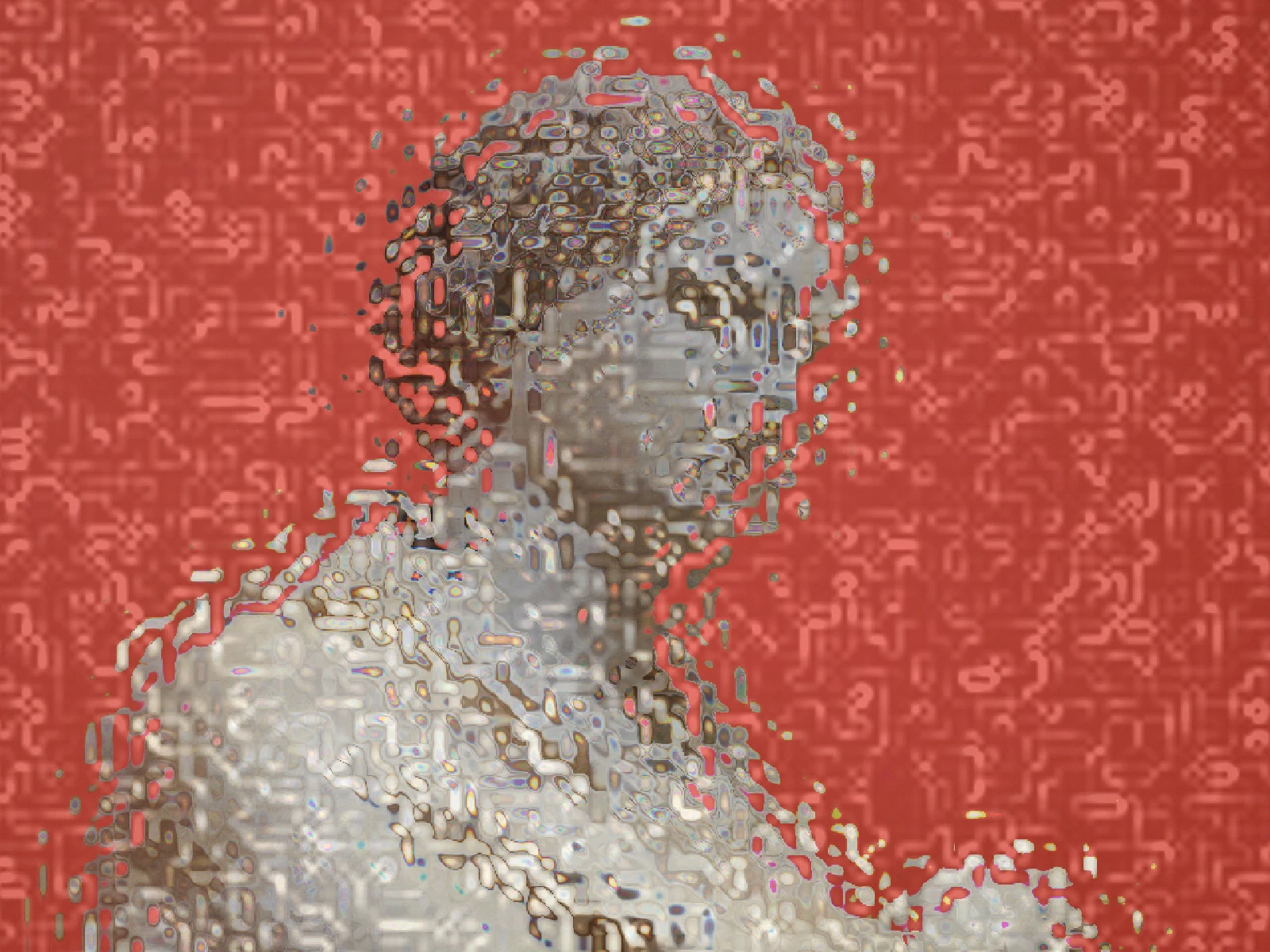
This effect displaces each pixel along a smooth continuous noise field, so the image is relocated rather than averaged and stays sharp everywhere. SCALE runs from 1 to 8 pixels with a default of 2 and sets the size of the flow features, deciding whether the result reads as fine ripple or broad current. AMOUNT from 0 to 10 sets displacement distance. Because samples are moved rather than blended, in kott detail survives the distortion completely, which is the difference between this and any blur.
04/ FAQ
- What is a liquid effect?
- A liquid effect displaces pixels along a smooth flowing field, relocating the image rather than blurring it, which is how a moving water surface actually distorts what is behind it.
- What is the difference between liquid distortion and blur?
- A blur averages neighbouring pixels and destroys detail. Liquid displacement moves them, so everything stays sharp and only its position changes, exactly as a reflection does.
- What are caustics?
- The bright bands on the bottom of a pool, produced when a curved water surface focuses light rather than scattering it. They are the same refraction this effect imitates.