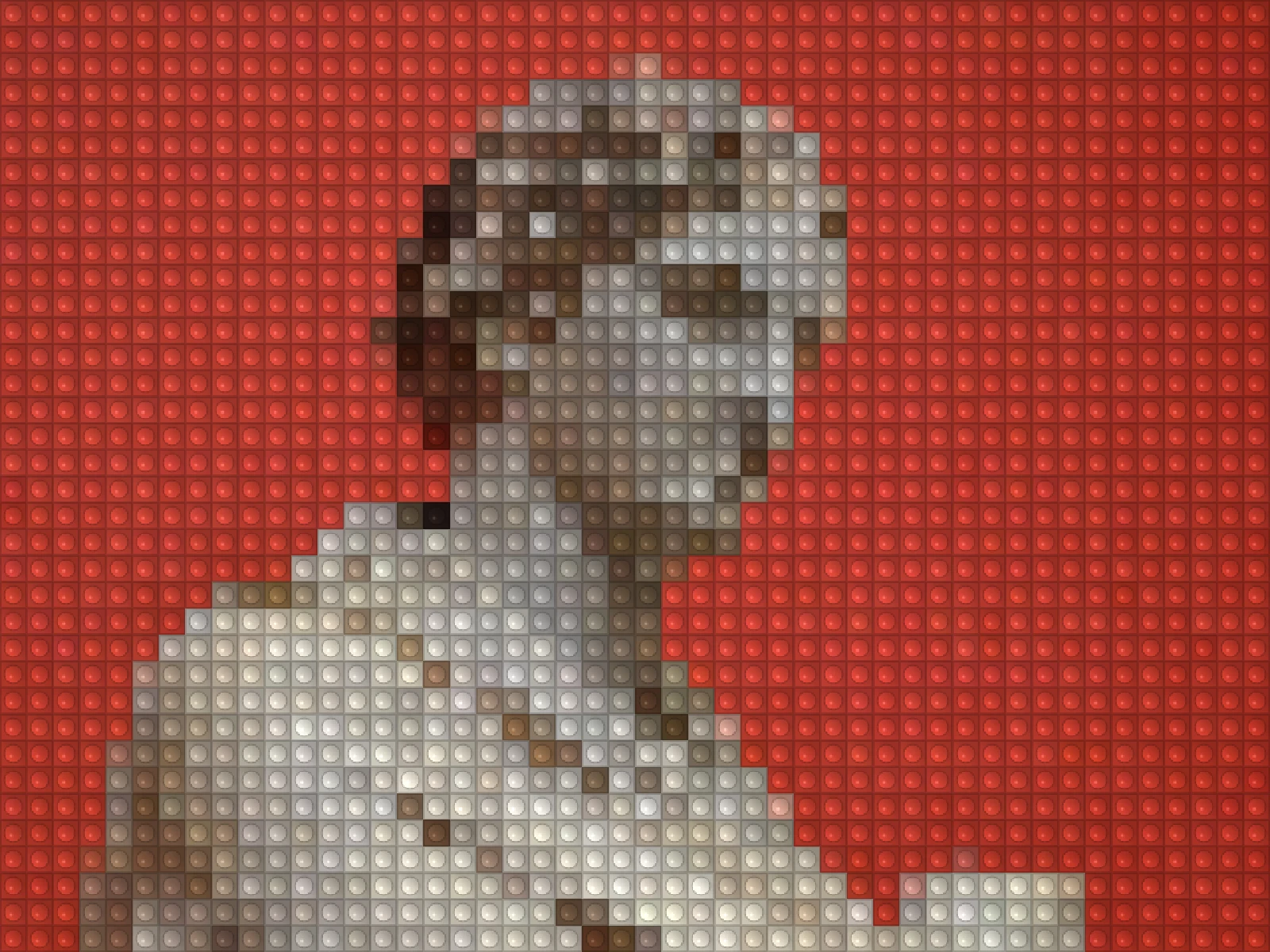
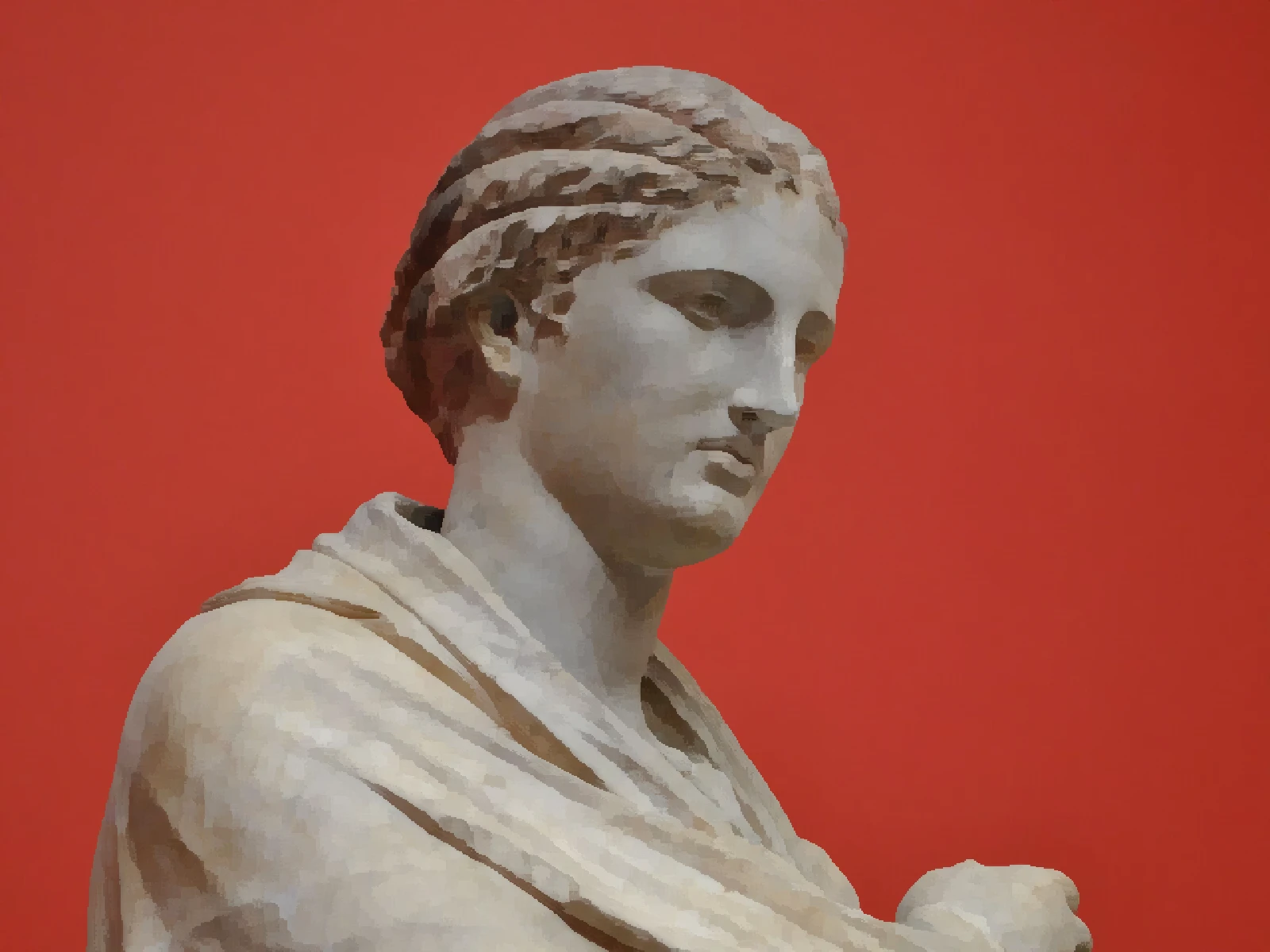
gouache effect
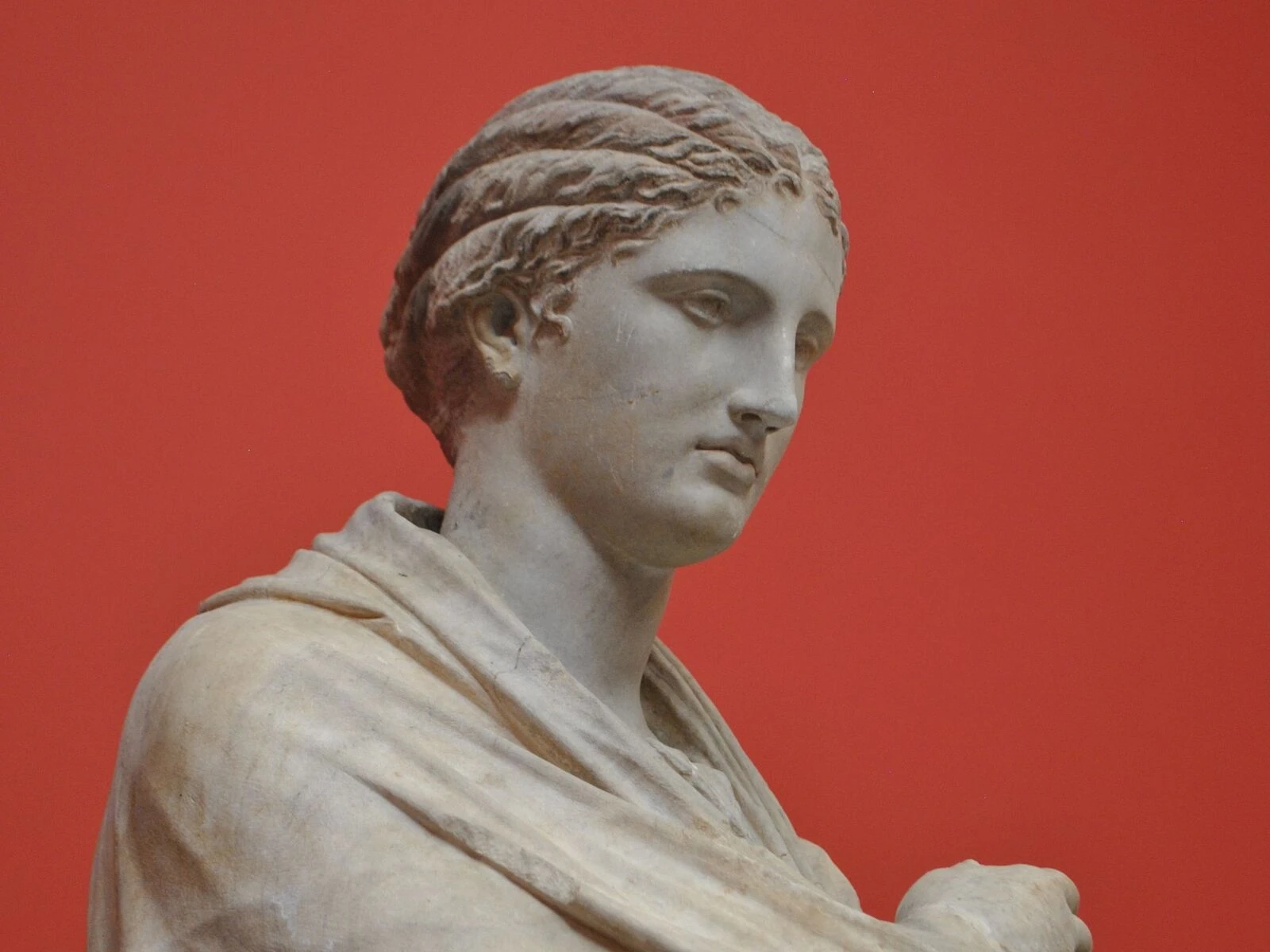
 SourceEffect
01/ ORIGIN
Gouache is watercolour made opaque, usually with added chalk, so it dries flat and matte and covers what is beneath it rather than glazing over it. That single property made it the working medium of commercial illustration for most of the twentieth century: it photographed evenly under studio lights, it could be corrected, and it held flat areas of colour that reproduced cleanly on press. Poster and album artwork through the 1950s and 60s is largely gouache.
02/ SWEEP
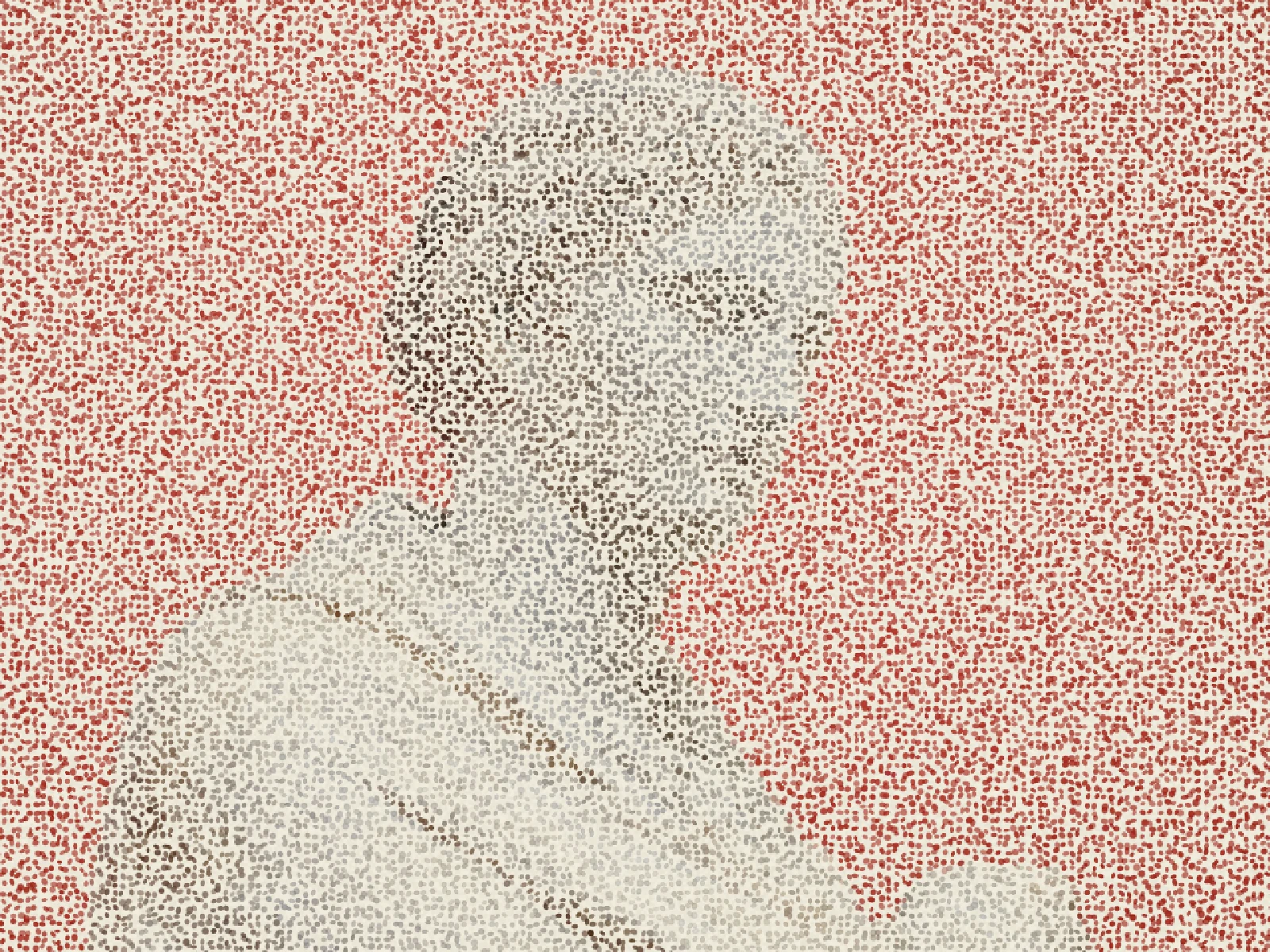
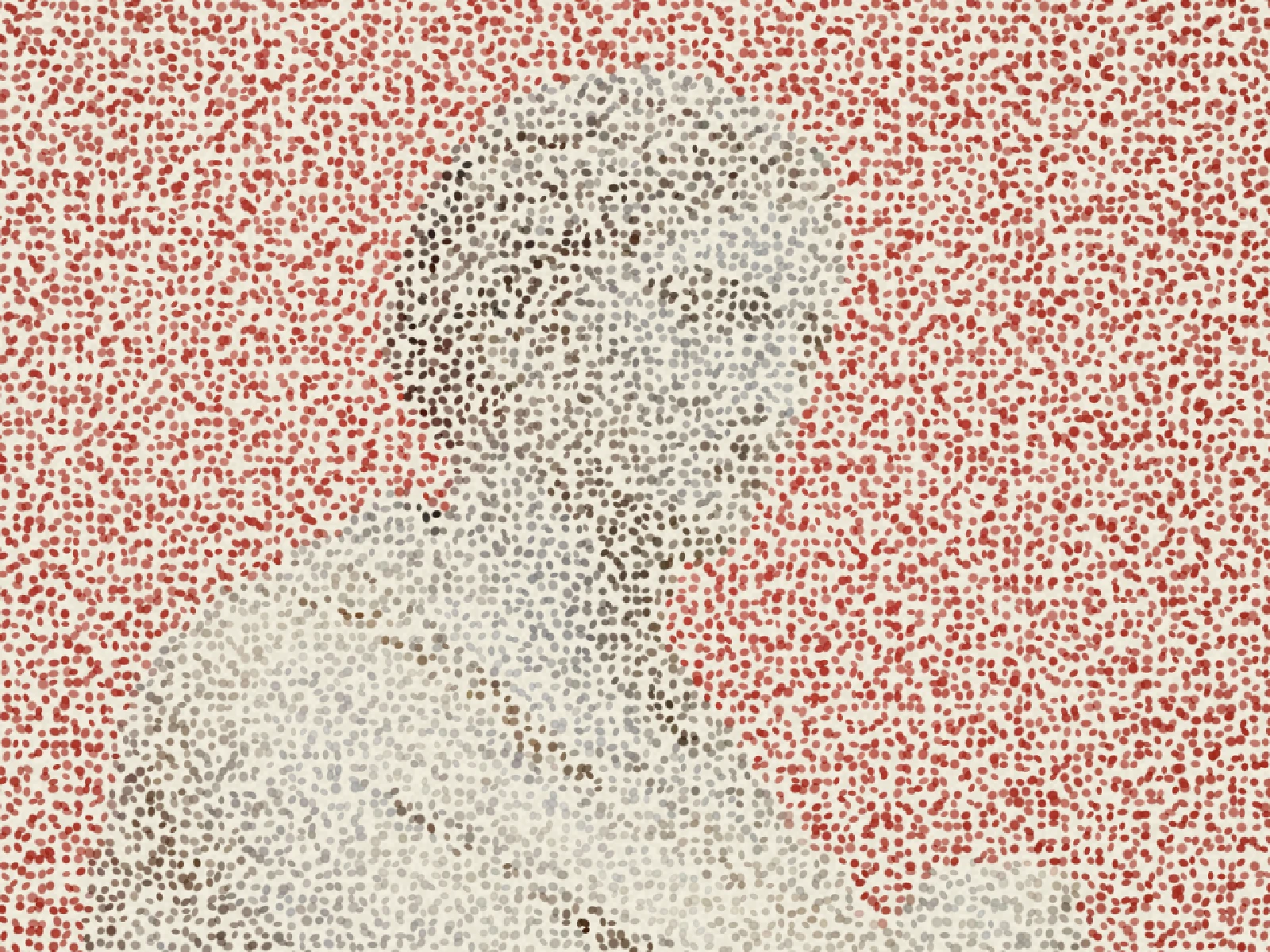
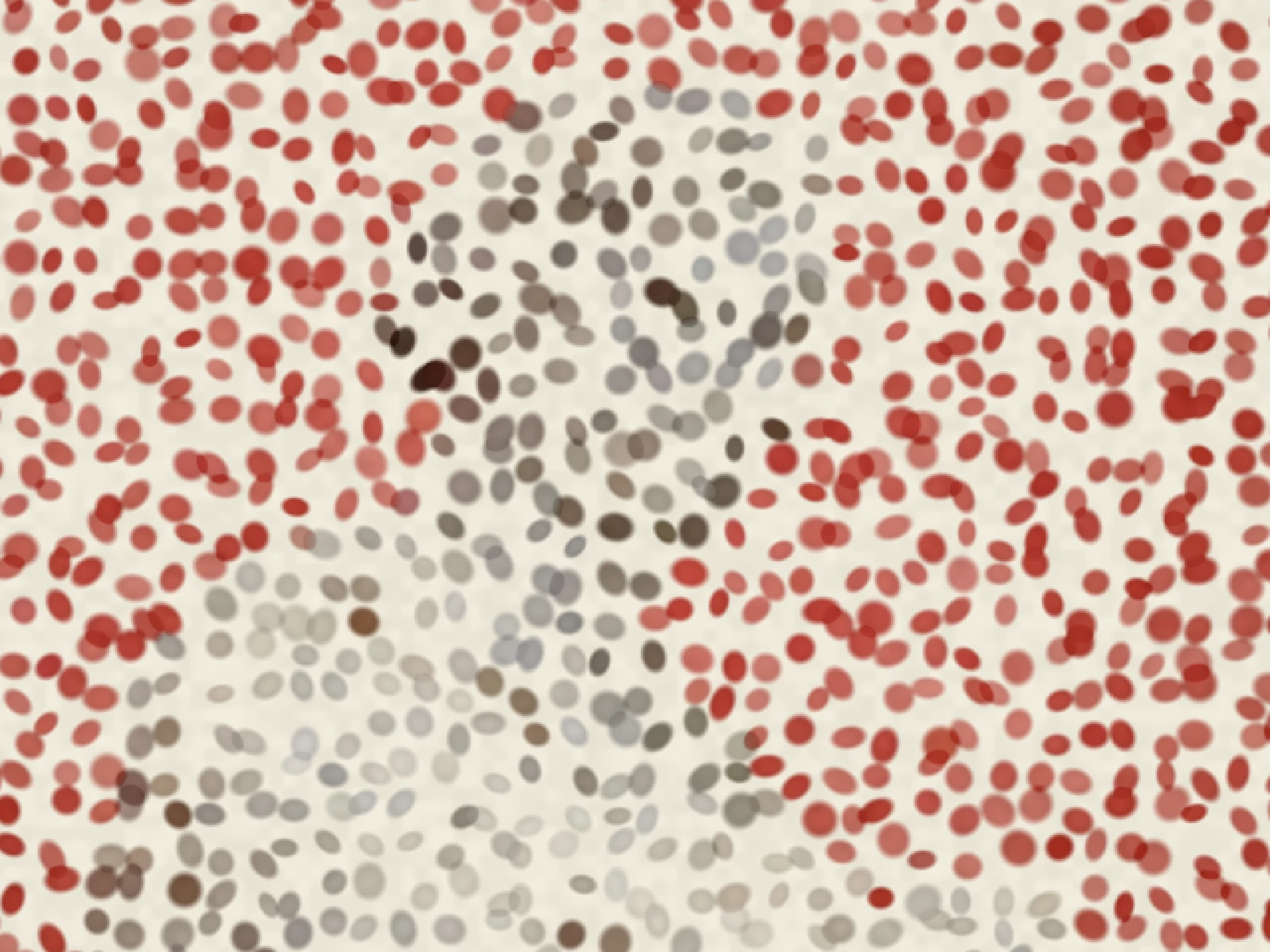
DAB SIZE sweep
03/ SPEC
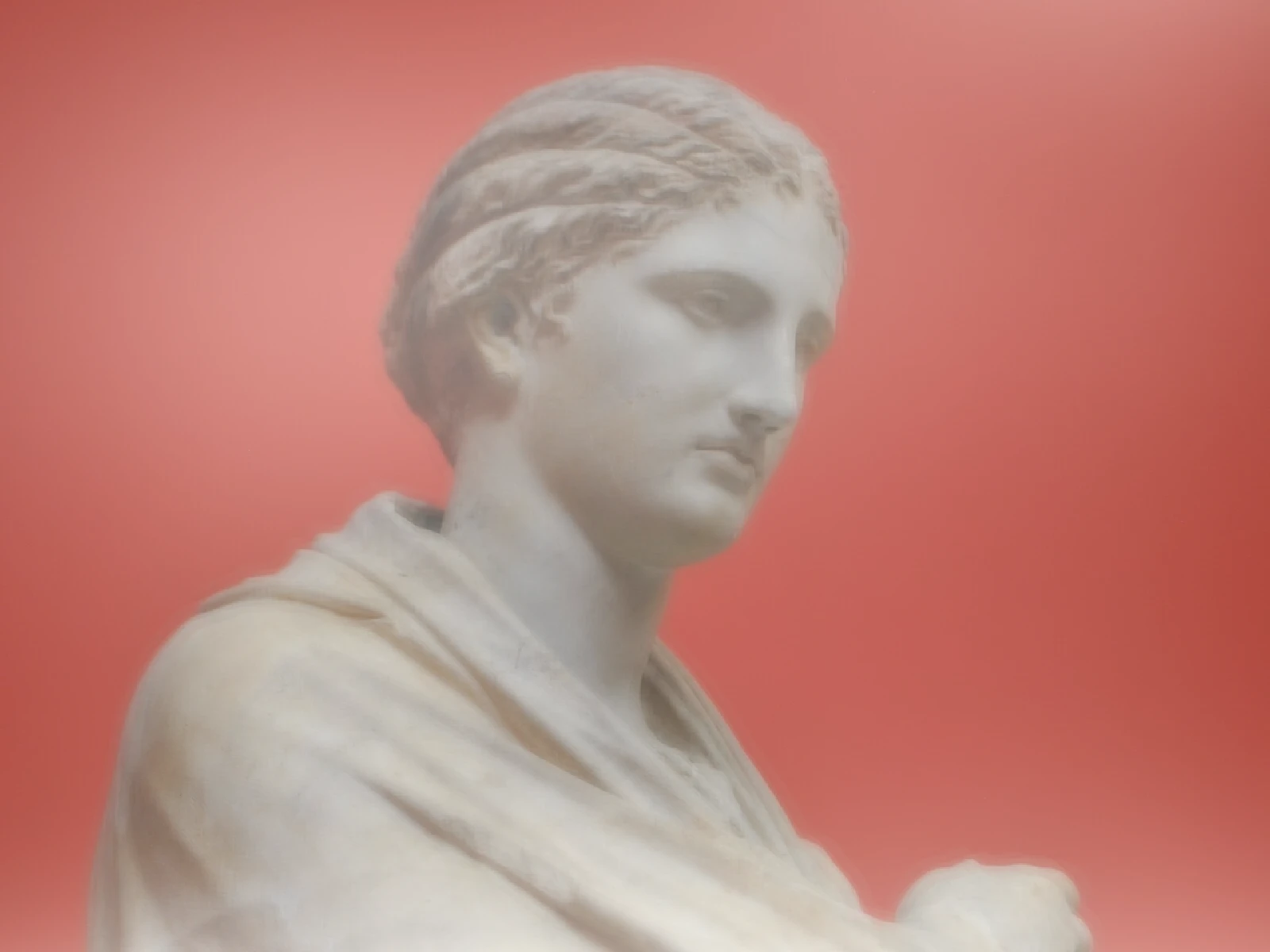
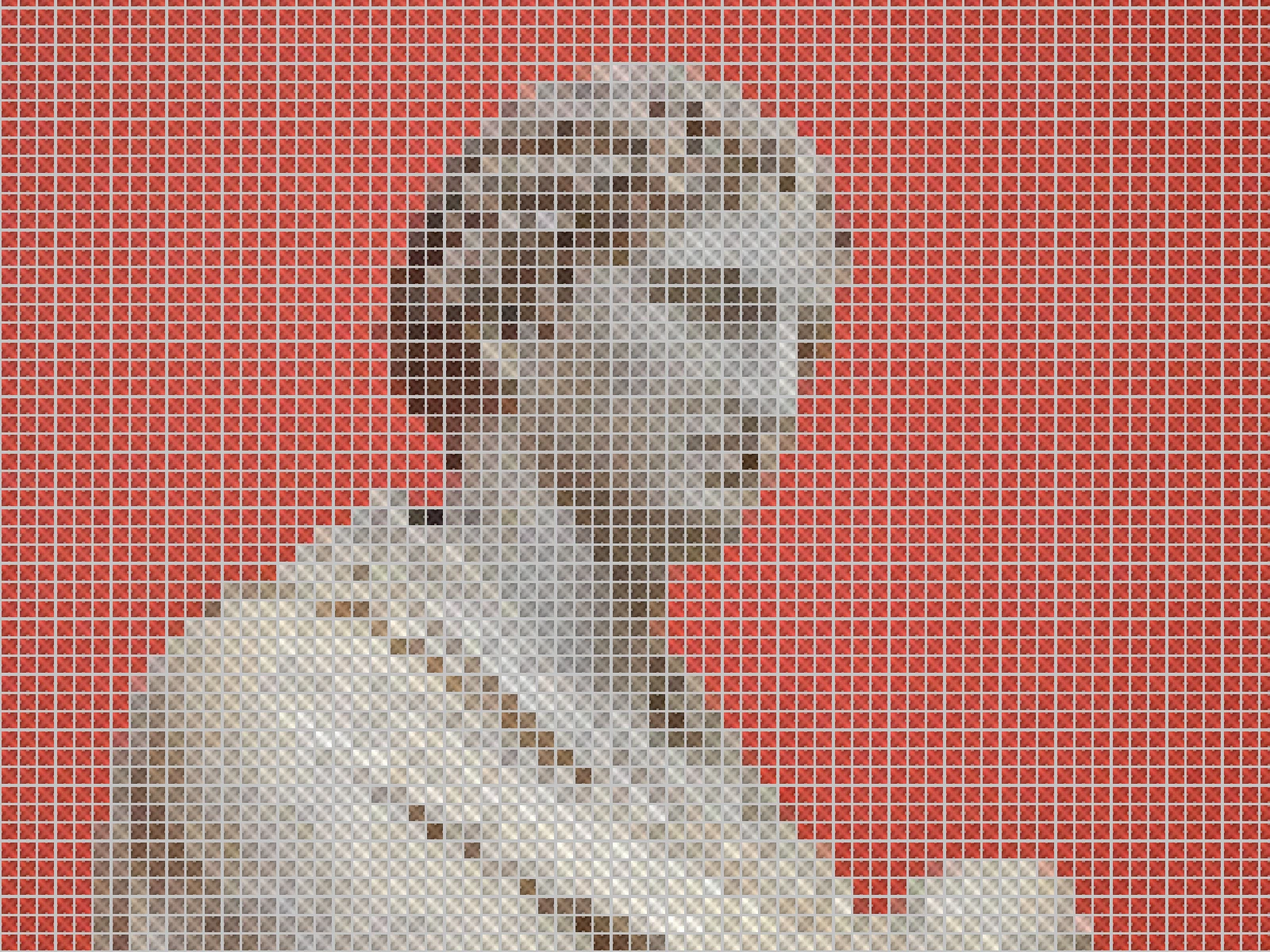
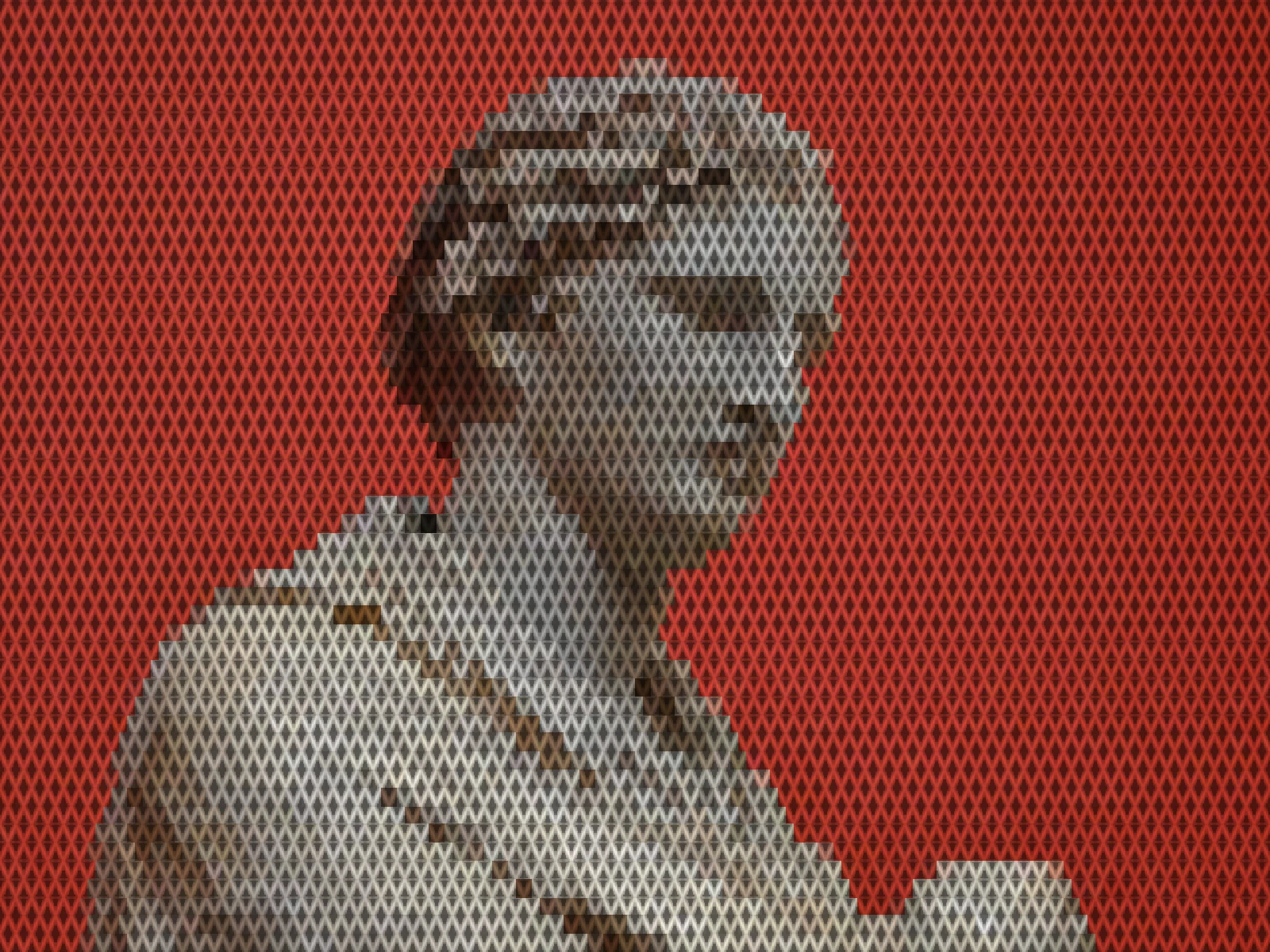
This effect replaces local detail with flat opaque dabs of averaged colour, keeping edges hard rather than glazing tones together. DAB SIZE runs from 2 to 10 pixels with a default of 3 and sets the brush footprint, which controls how much detail each mark covers: small values keep structure, large values reduce a subject to blocked-in shapes. CONTRAST expands tone before the dabs are placed, which matters because opaque paint separates areas rather than blending them. In kott it renders in natural colour so the flat dabs carry real hue.
04/ FAQ
- What is a gouache effect?
- A gouache effect lays flat opaque dabs of colour that cover what is beneath them, imitating chalk-loaded watercolour that dries matte rather than transparent.
- What is the difference between gouache and watercolour?
- Watercolour is transparent and lets the paper contribute, so tone builds by glazing. Gouache is opaque and covers, so tone is placed once and edges stay hard.
- What DAB SIZE looks most like illustration?
- Around the default of 3 on a large export. Commercial gouache illustration held reasonably fine detail, so very large dabs read as abstraction rather than as the medium.