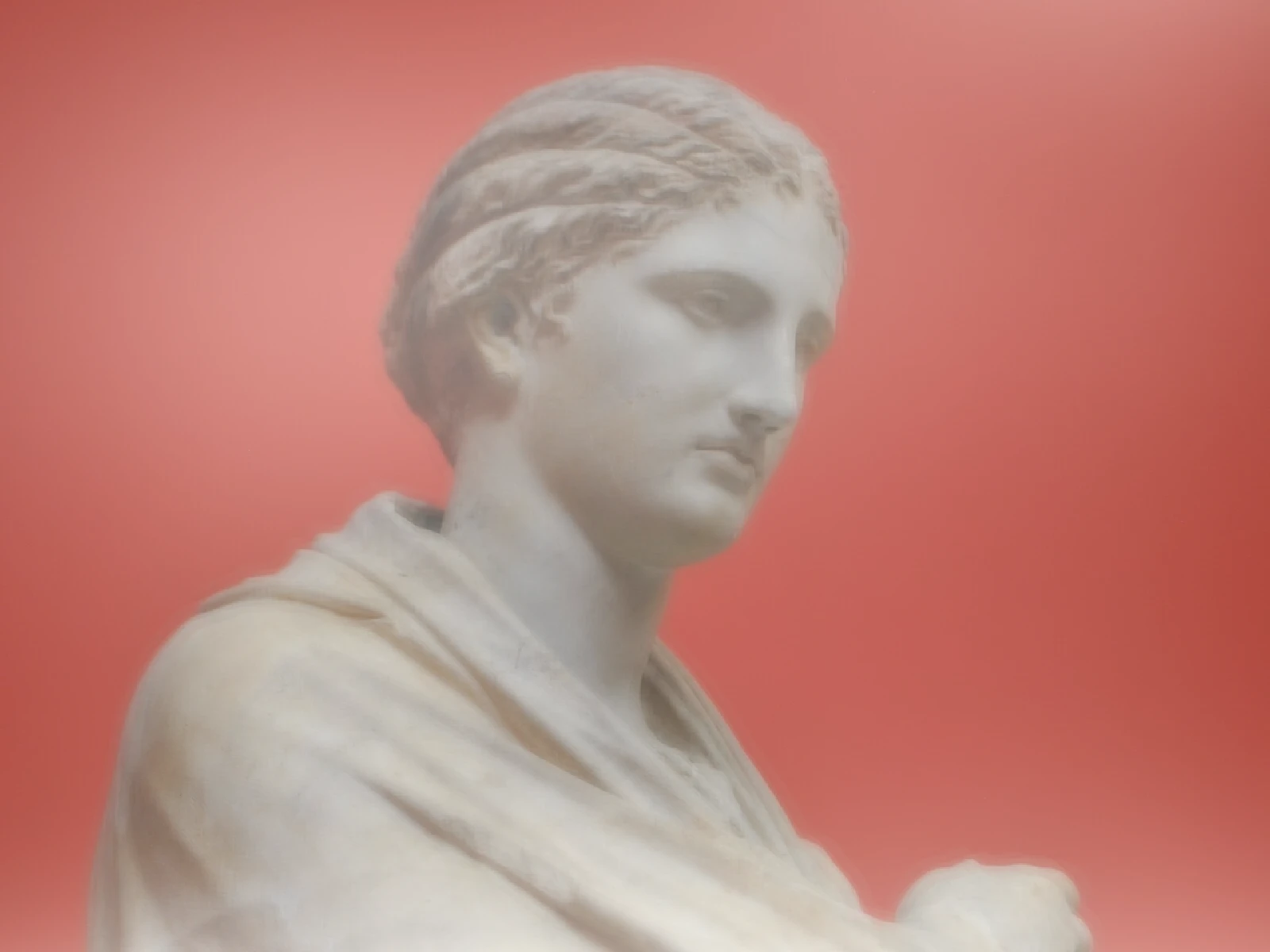
knitted effect
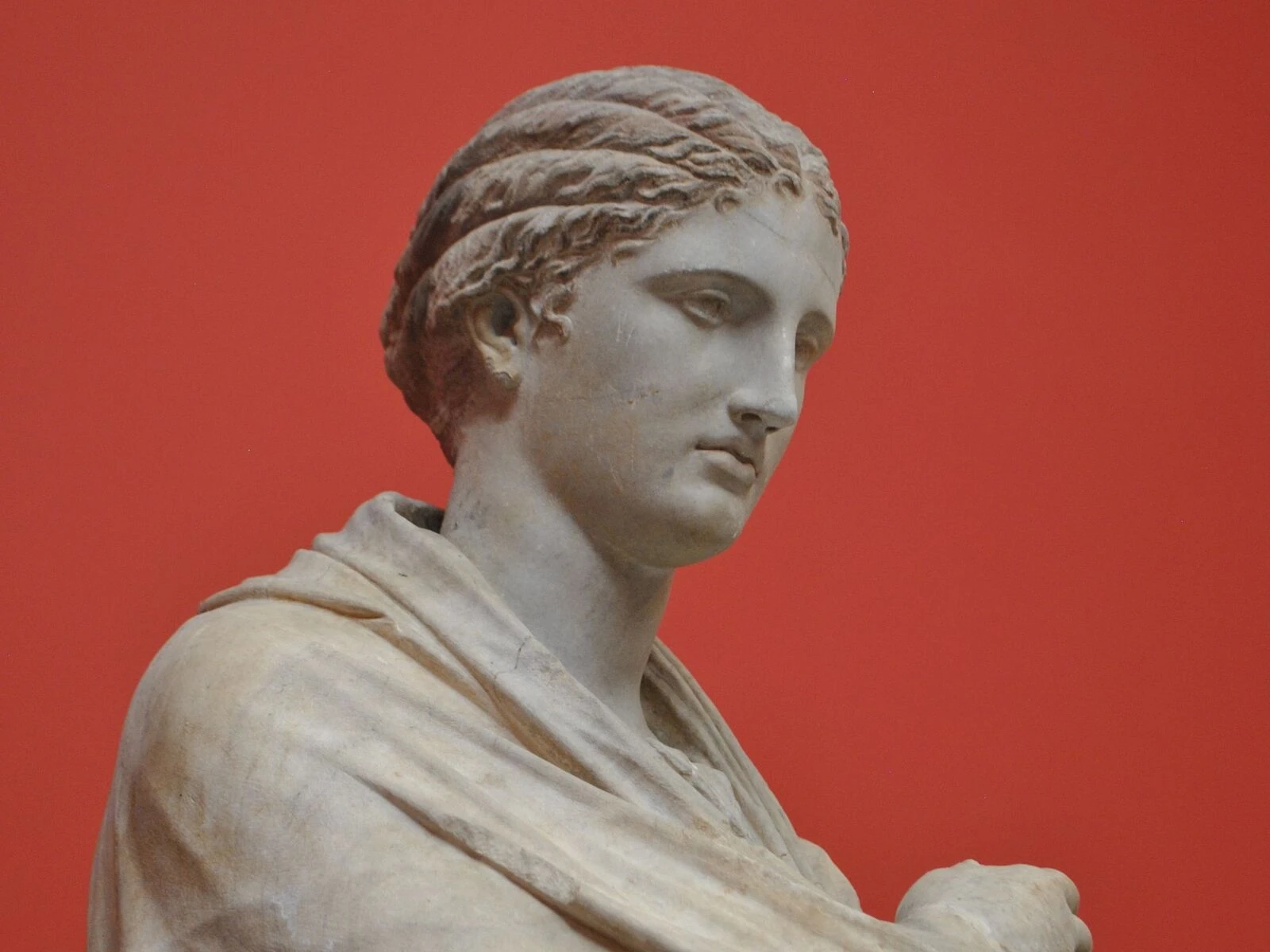
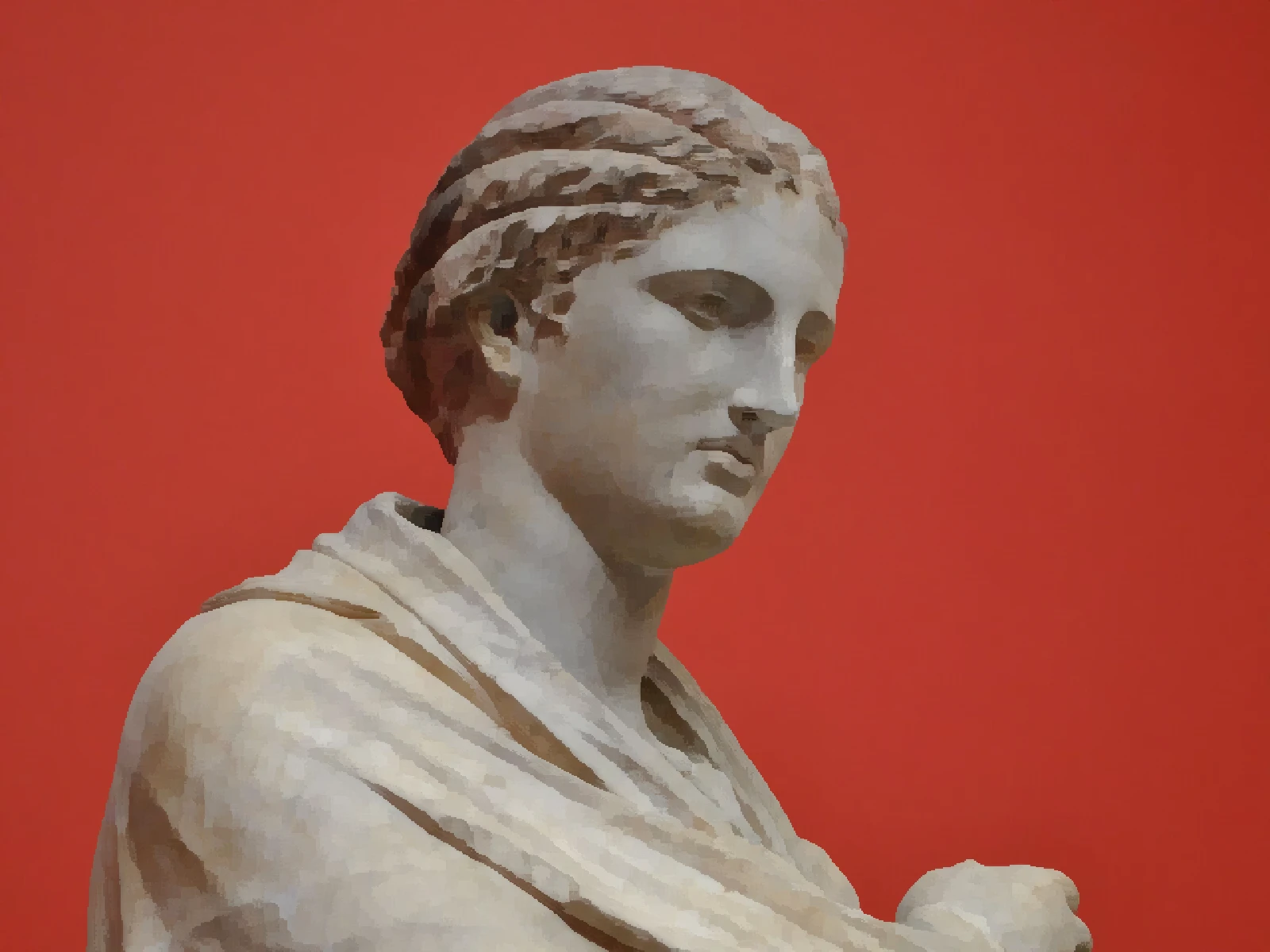
 SourceEffect
01/ ORIGIN
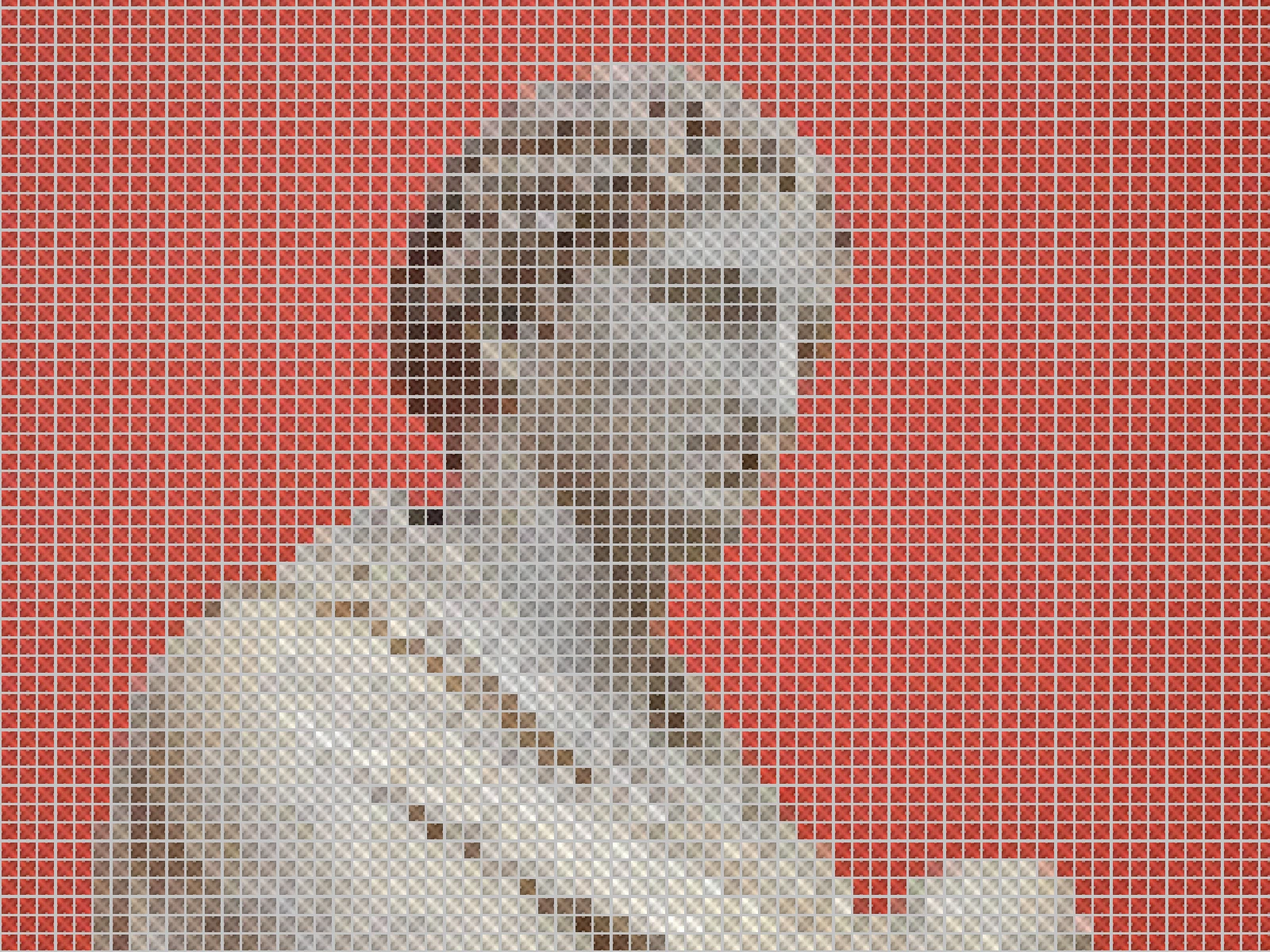
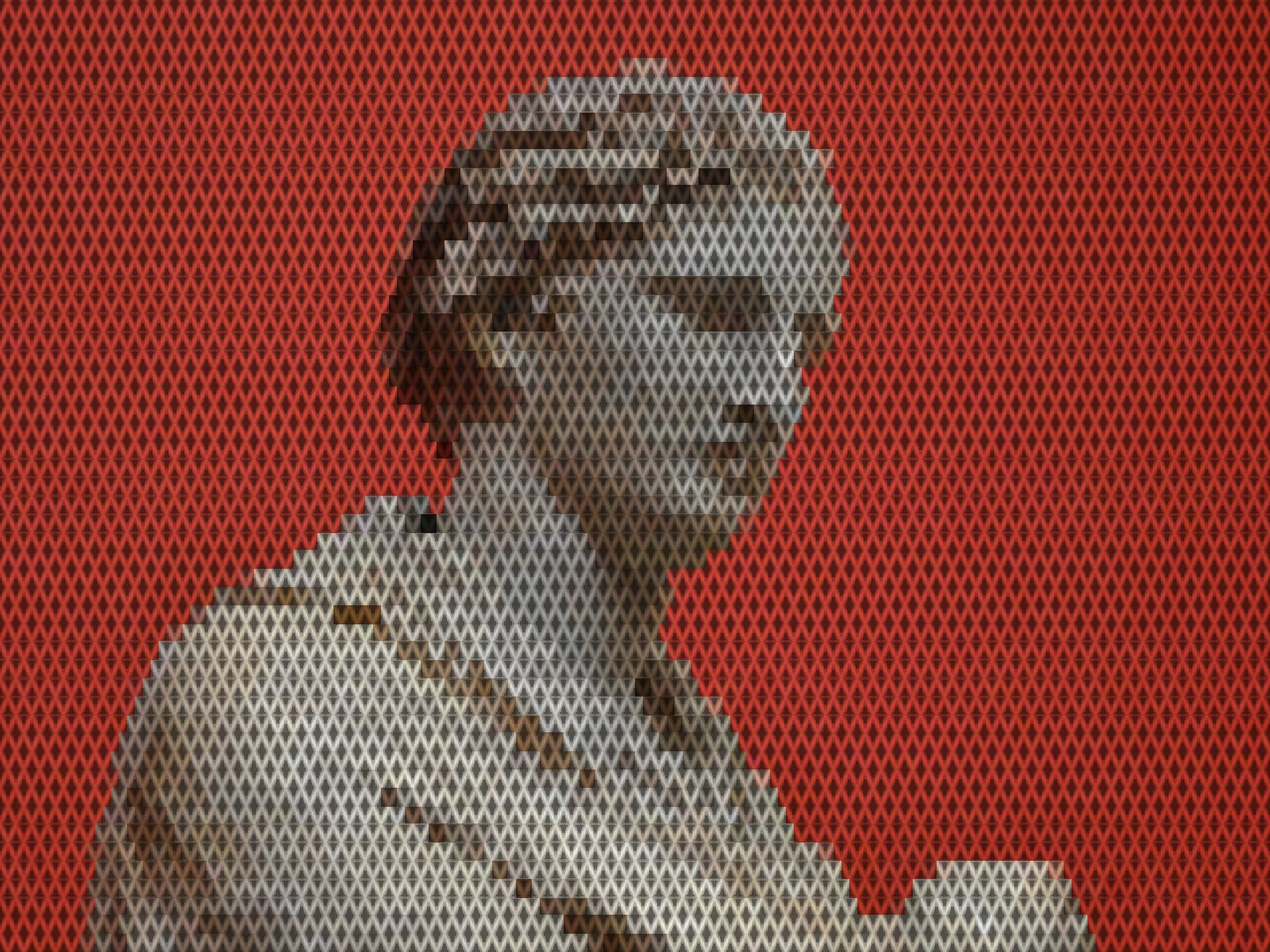
Knitting is a single thread looped through itself, which is why a knitted image is always a grid: one stitch per row per column, colour chosen per stitch. Jacquard and Fair Isle traditions worked pictures this way for centuries, carrying two or more yarns along a row and swapping which one shows. The constraint is identical to a low-resolution display, and the reason a knitted portrait looks pixelated is that it genuinely is.
02/ SWEEP
STITCH sweep
03/ SPEC
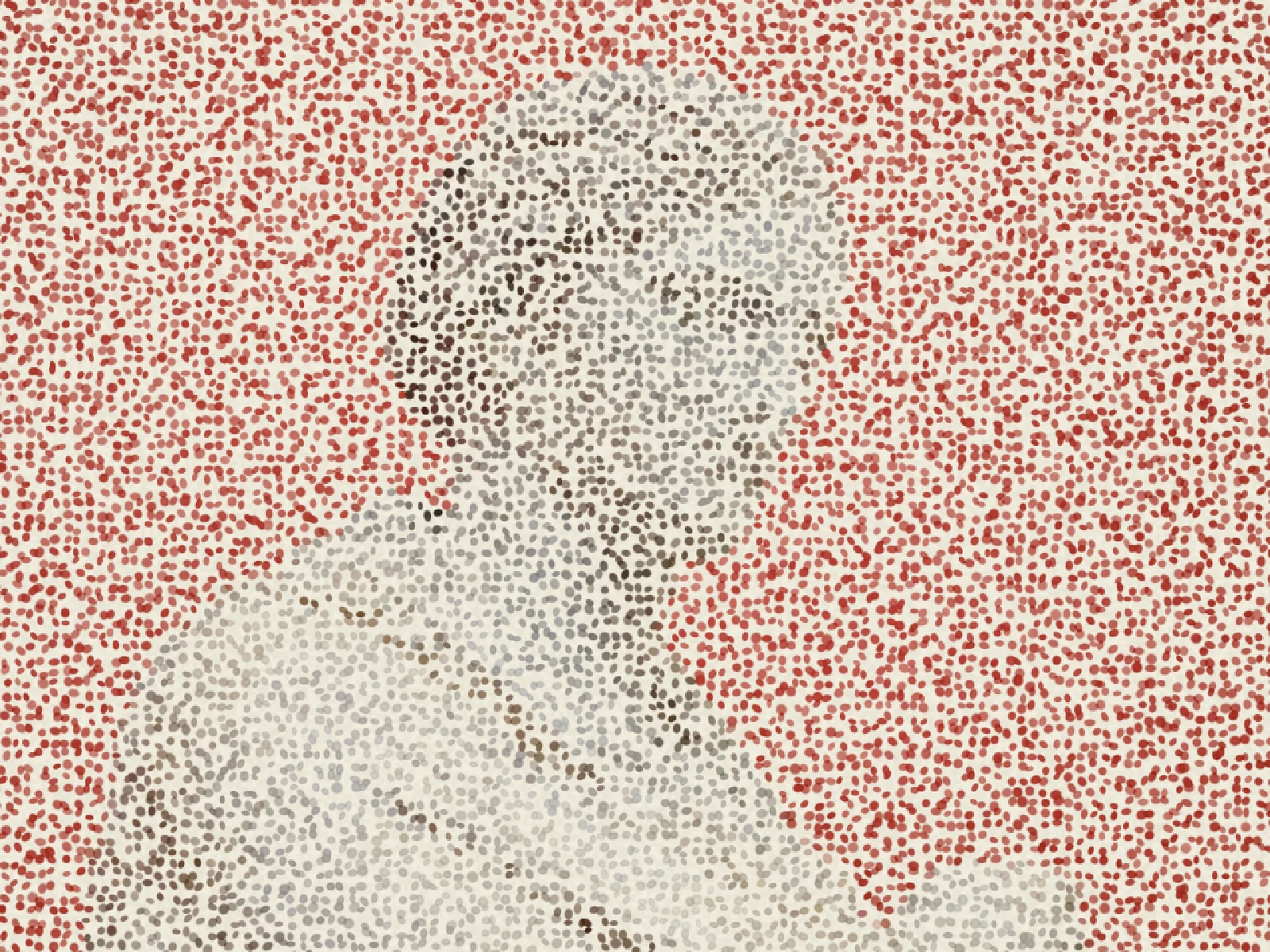
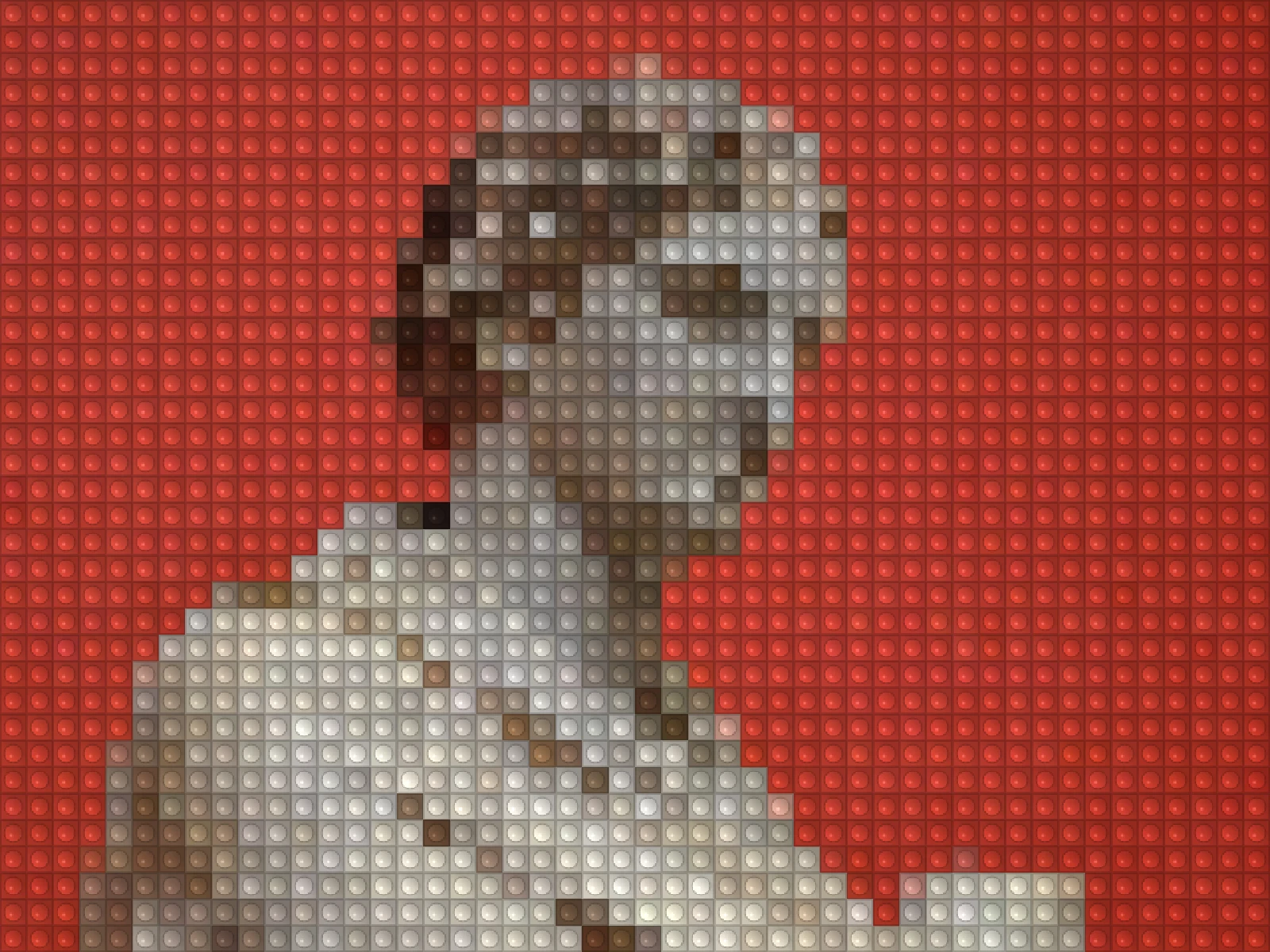
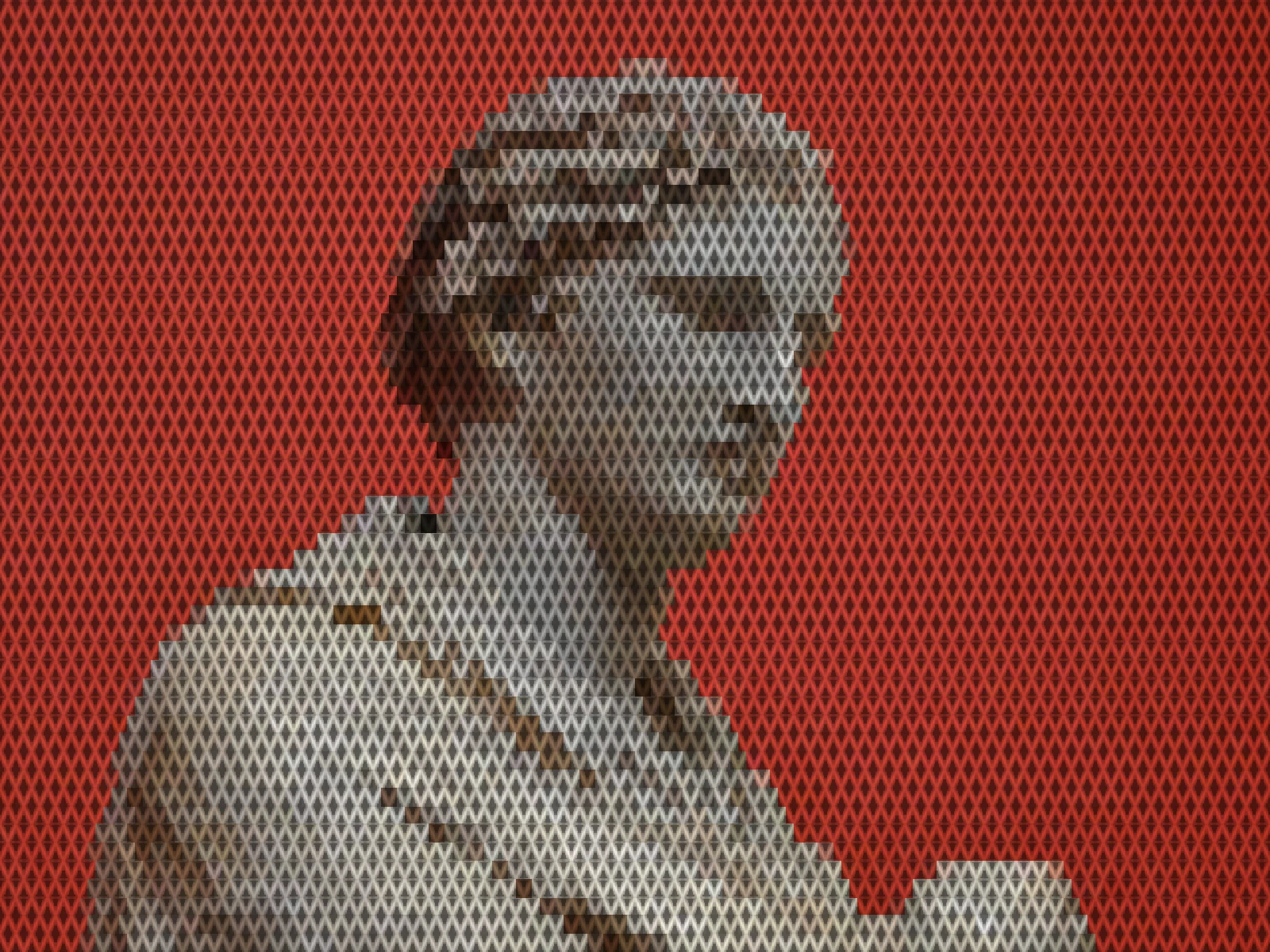
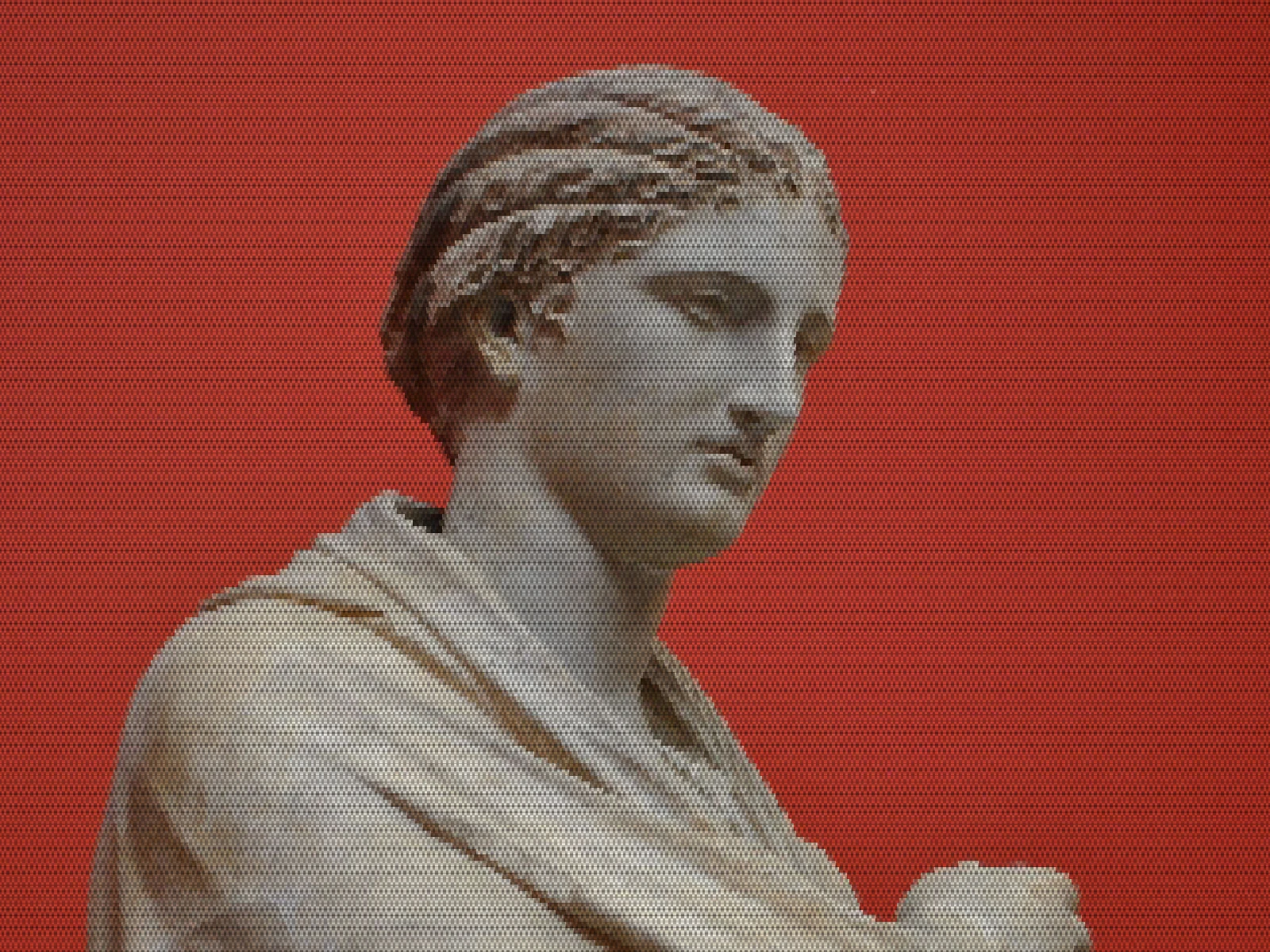
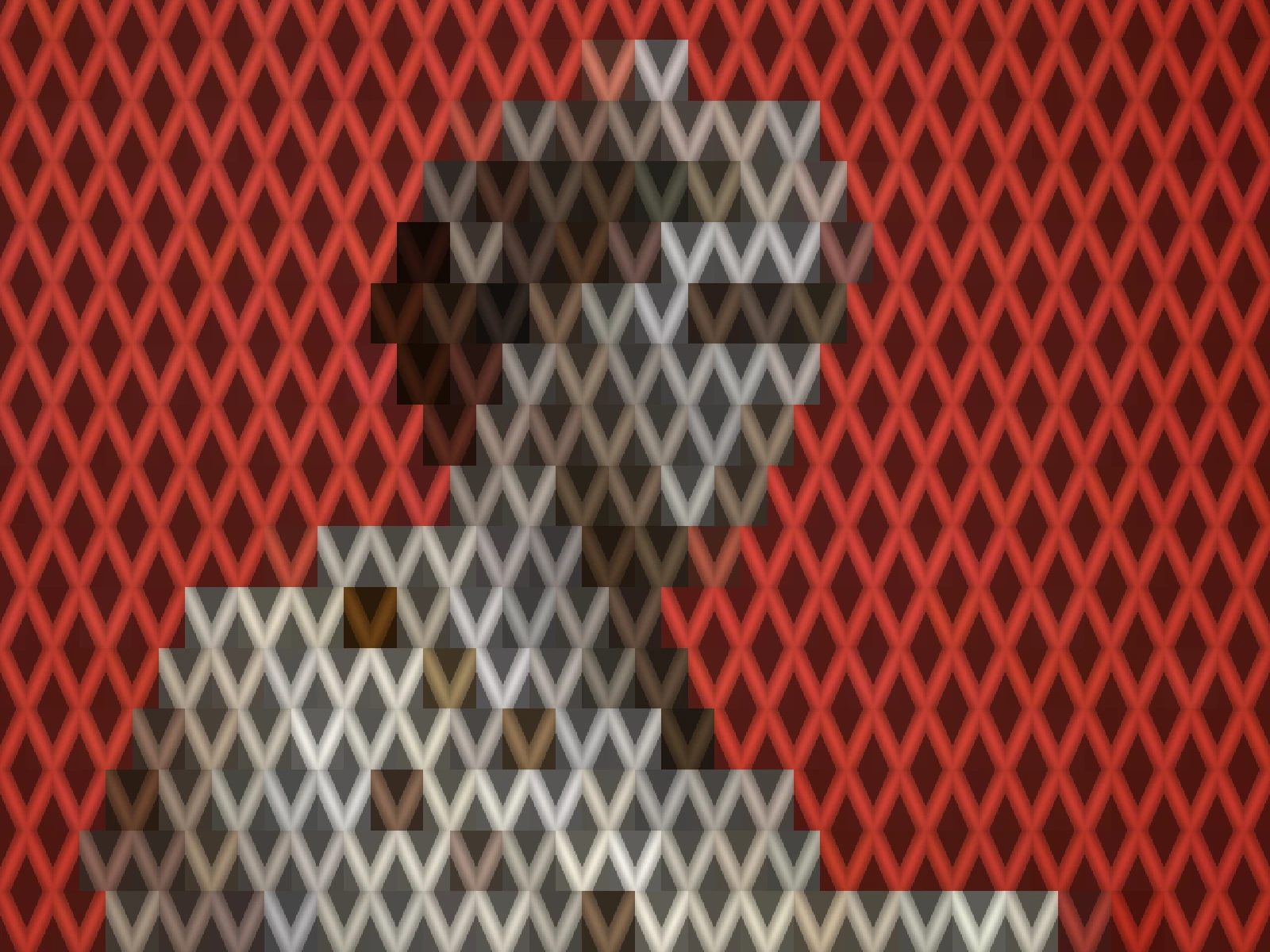
This effect samples the image onto a grid and renders each cell as an interlocking yarn loop with directional shading, so the surface reads as knitted cloth rather than as flat tiles. STITCH runs from 4 to 40 pixels with a default of 12 and sets the stitch size, which is the direct analogue of gauge in real knitting: small values give a fine gauge holding detail, large values a chunky one. YARN controls how strongly each loop reads as raised fibre. In kott it renders in natural colour so the yarn carries the source hue.
04/ FAQ
- What is a knitted effect?
- A knitted effect rebuilds an image as interlocking yarn loops on a grid, with shading on each loop so the surface reads as cloth rather than as flat coloured tiles.
- Why do knitted images look pixelated?
- Because they are. A knit places one stitch per row and column with one colour each, which is structurally identical to a low-resolution grid of pixels.
- What STITCH size matches real knitting?
- Smaller values correspond to finer gauge. STITCH 4 to 8 reads like machine knitting, and 25 and above reads like hand-knitted chunky yarn.