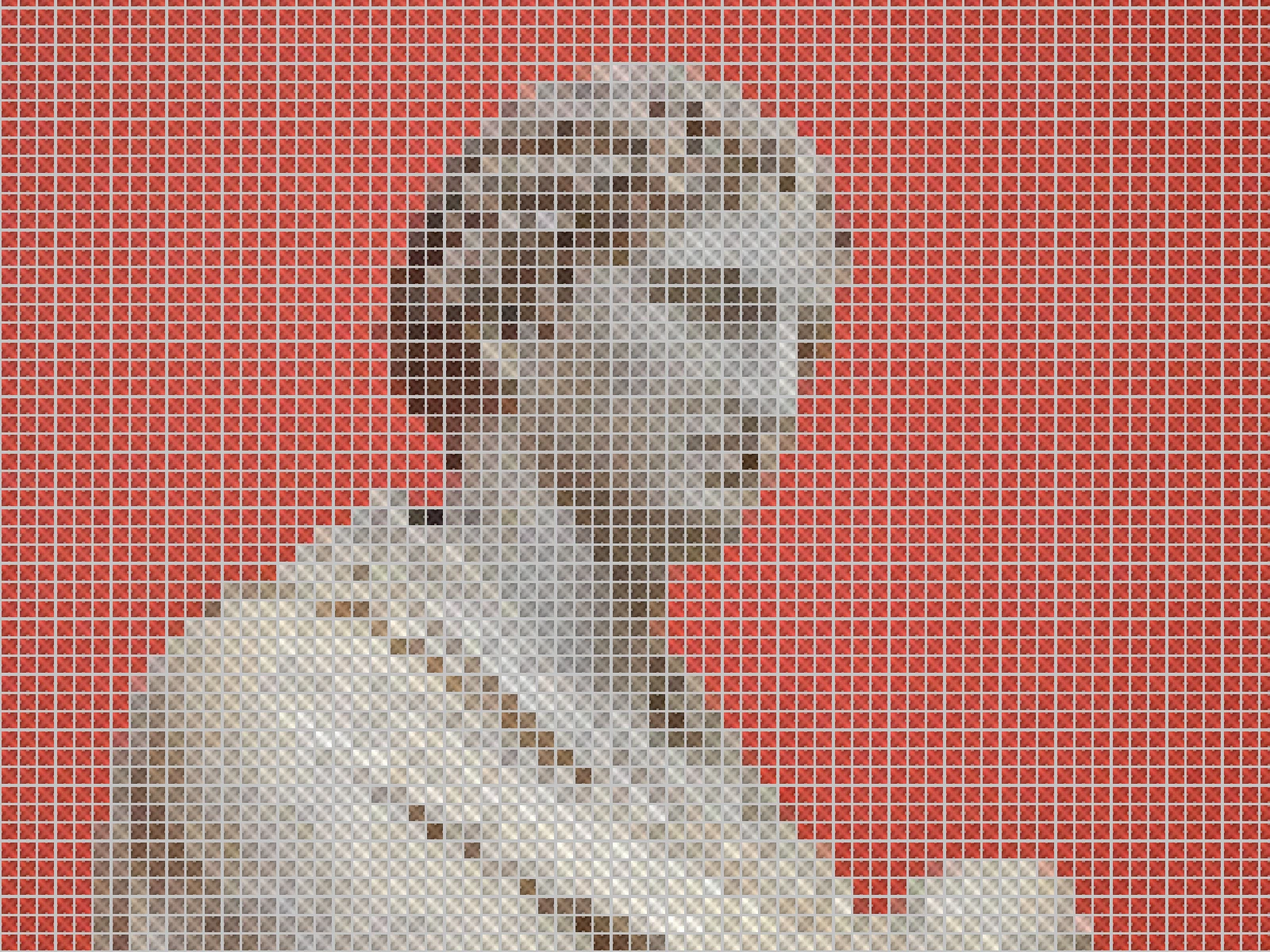
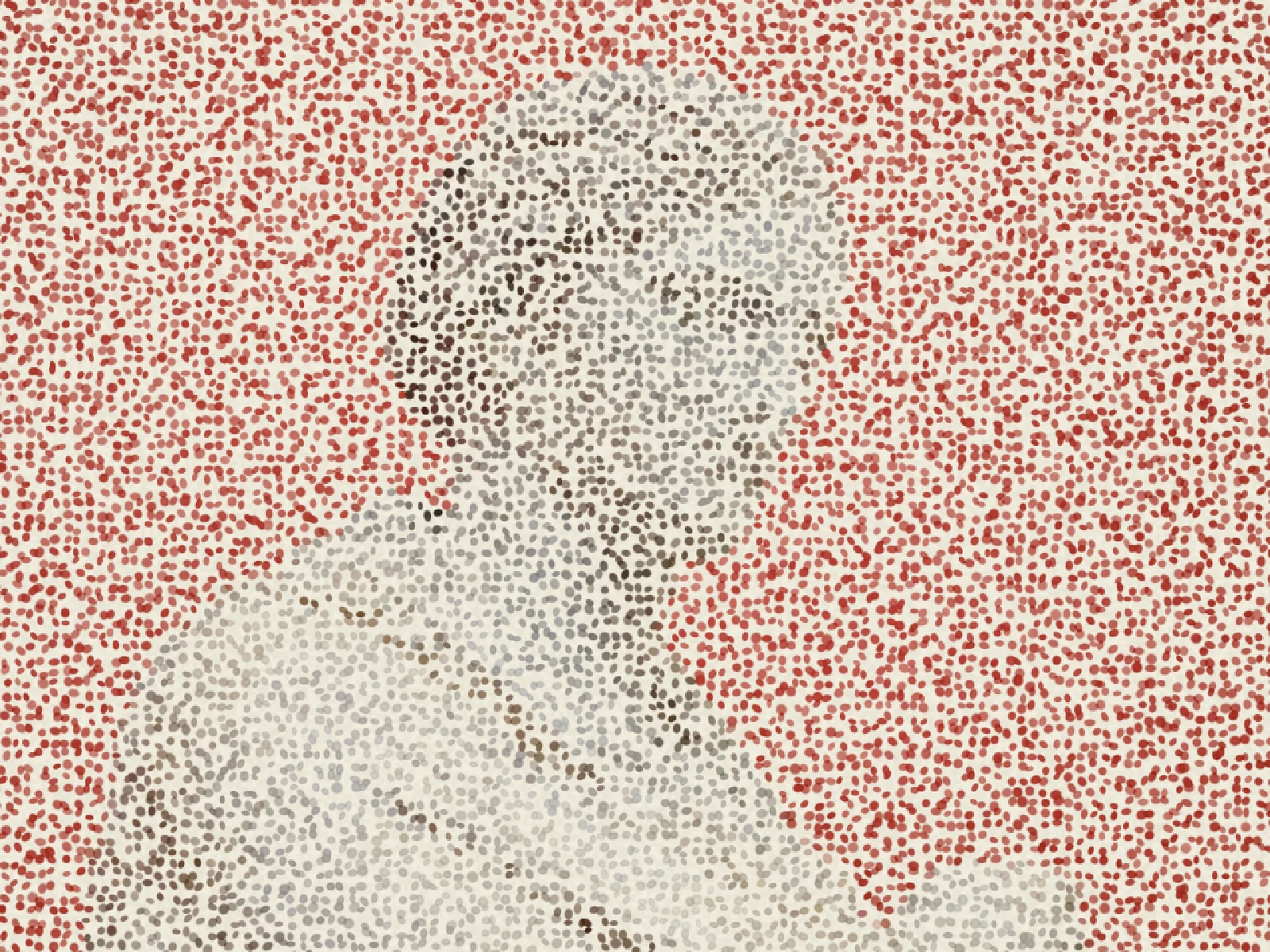
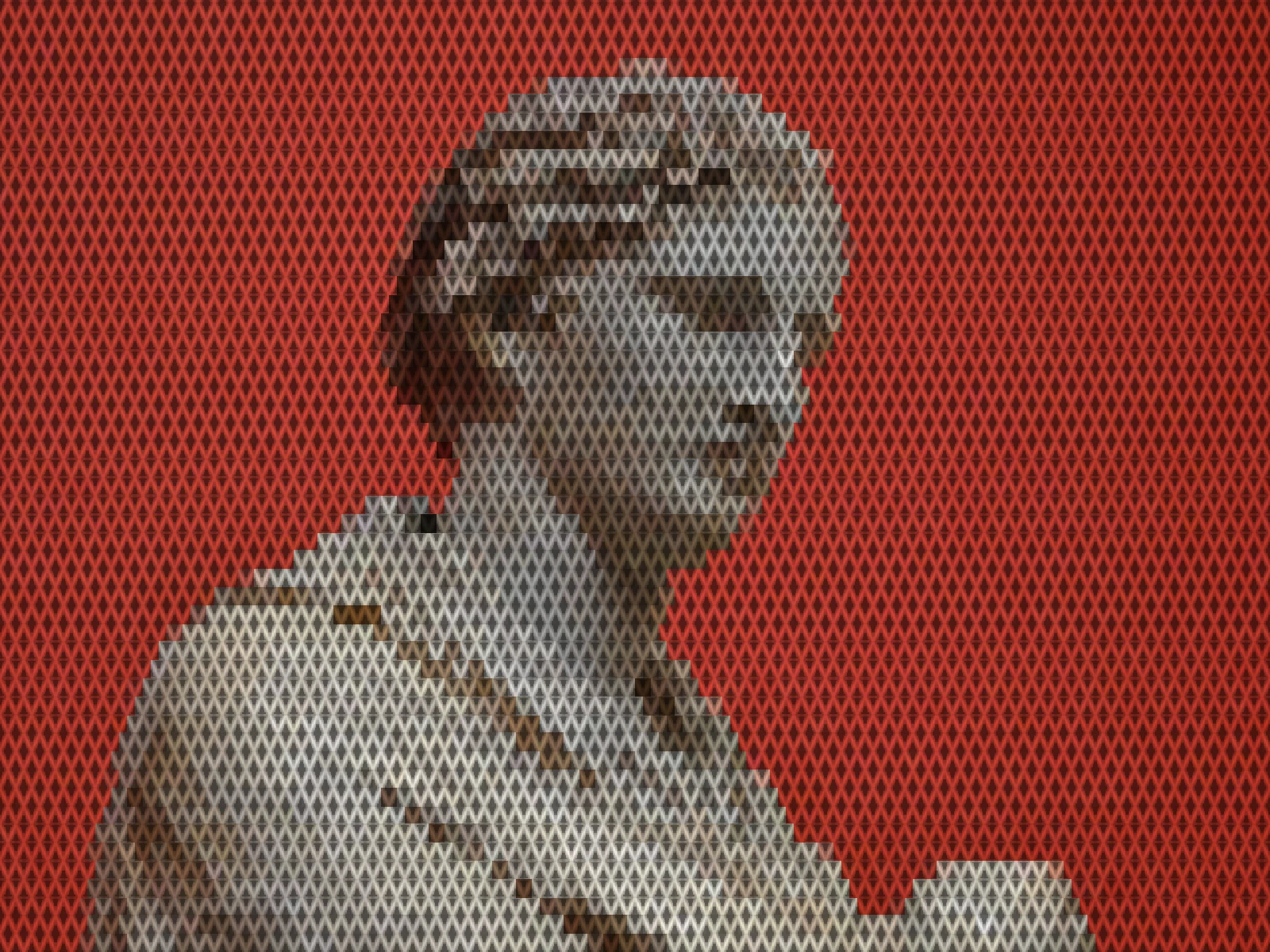
lego effect

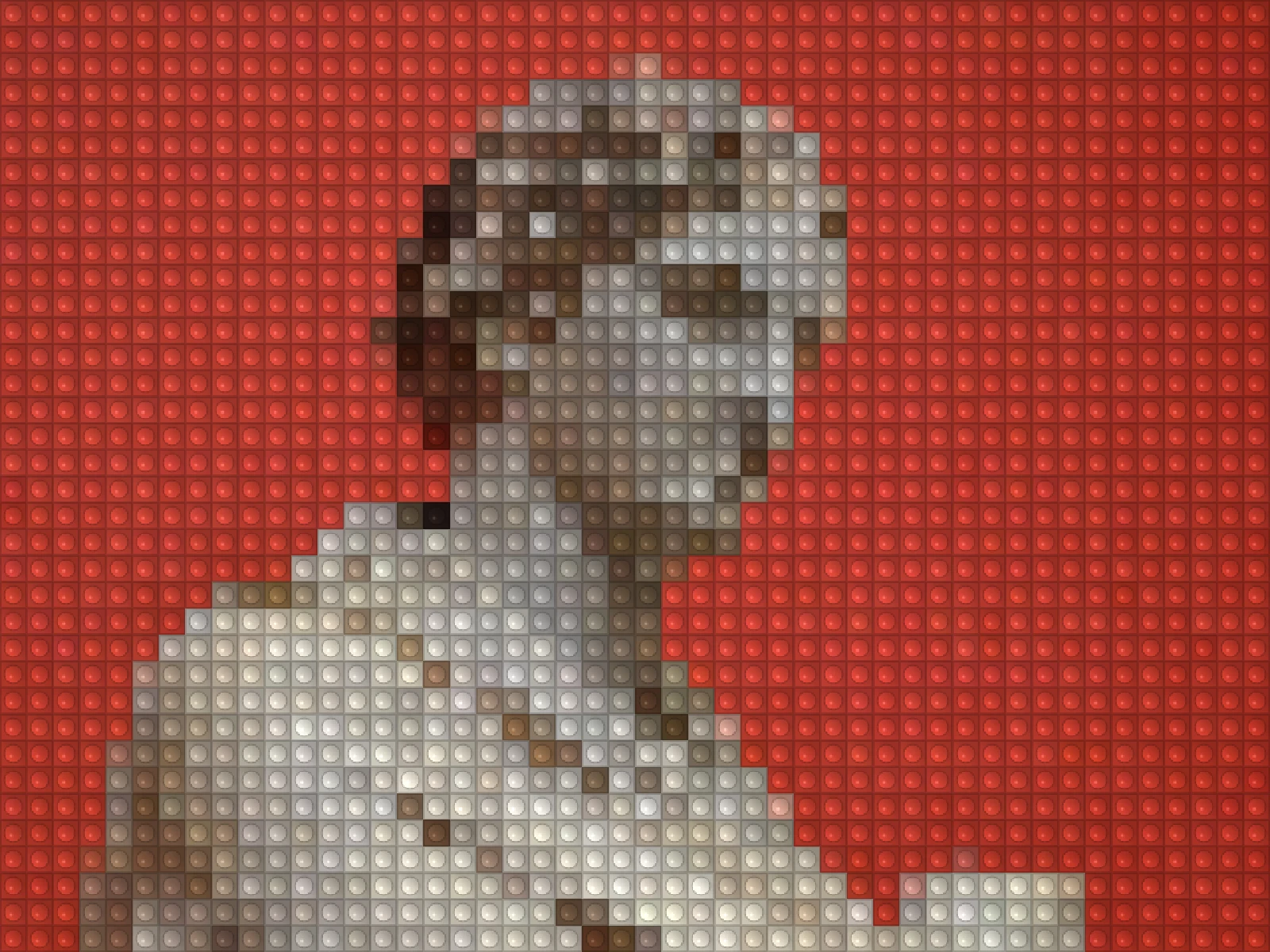 SourceEffect
01/ ORIGIN
The interlocking brick was patented in 1958, and the tolerance was the whole invention: studs and sockets machined tightly enough that a brick from that year still clutches one made this morning. The system's other constraint mattered just as much for how things look. A limited run of moulded colours meant every model was an act of substitution, and builders learned to work in available palette rather than in intended colour, which is exactly what this effect does to a photograph.
02/ SWEEP
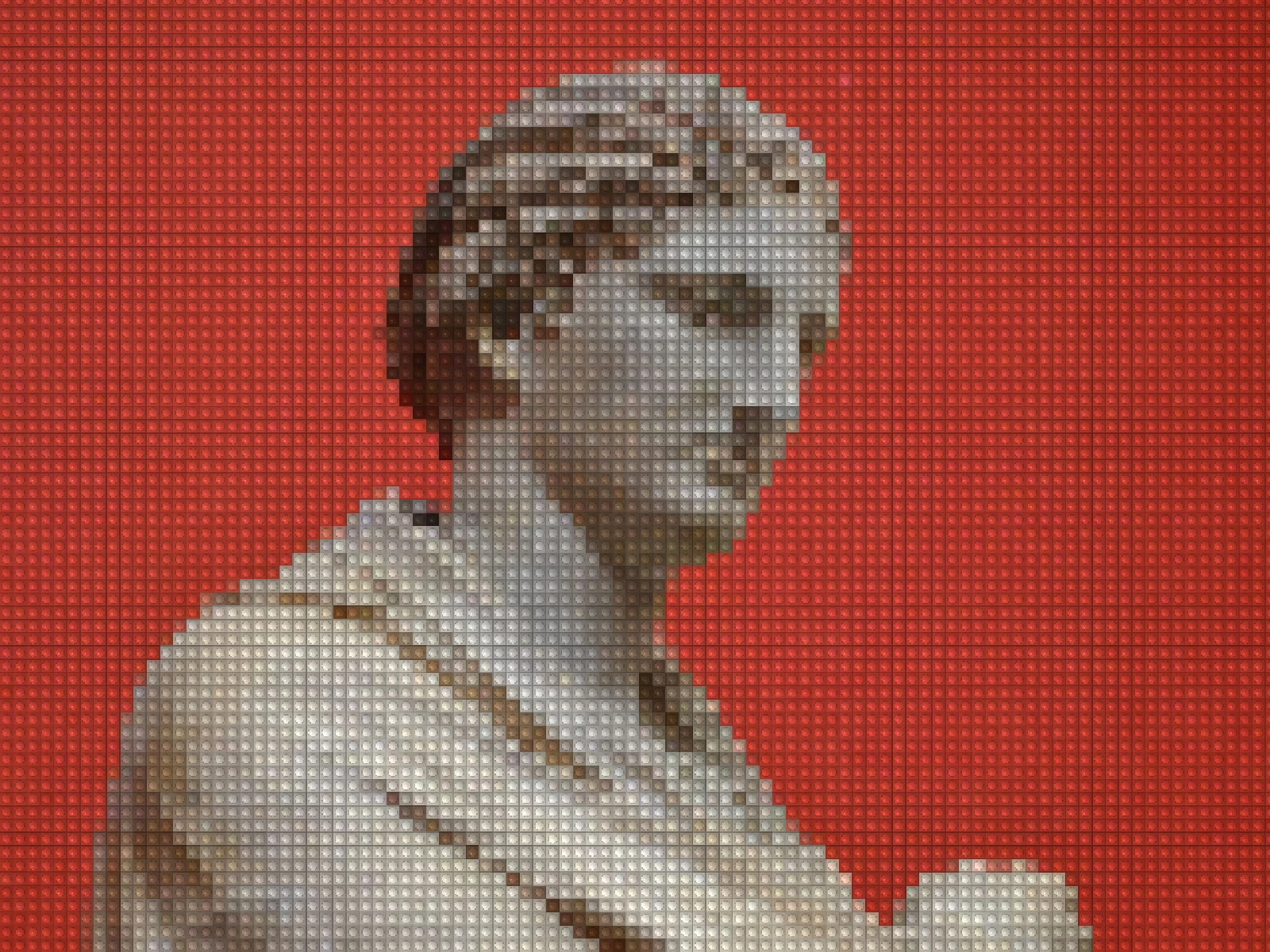
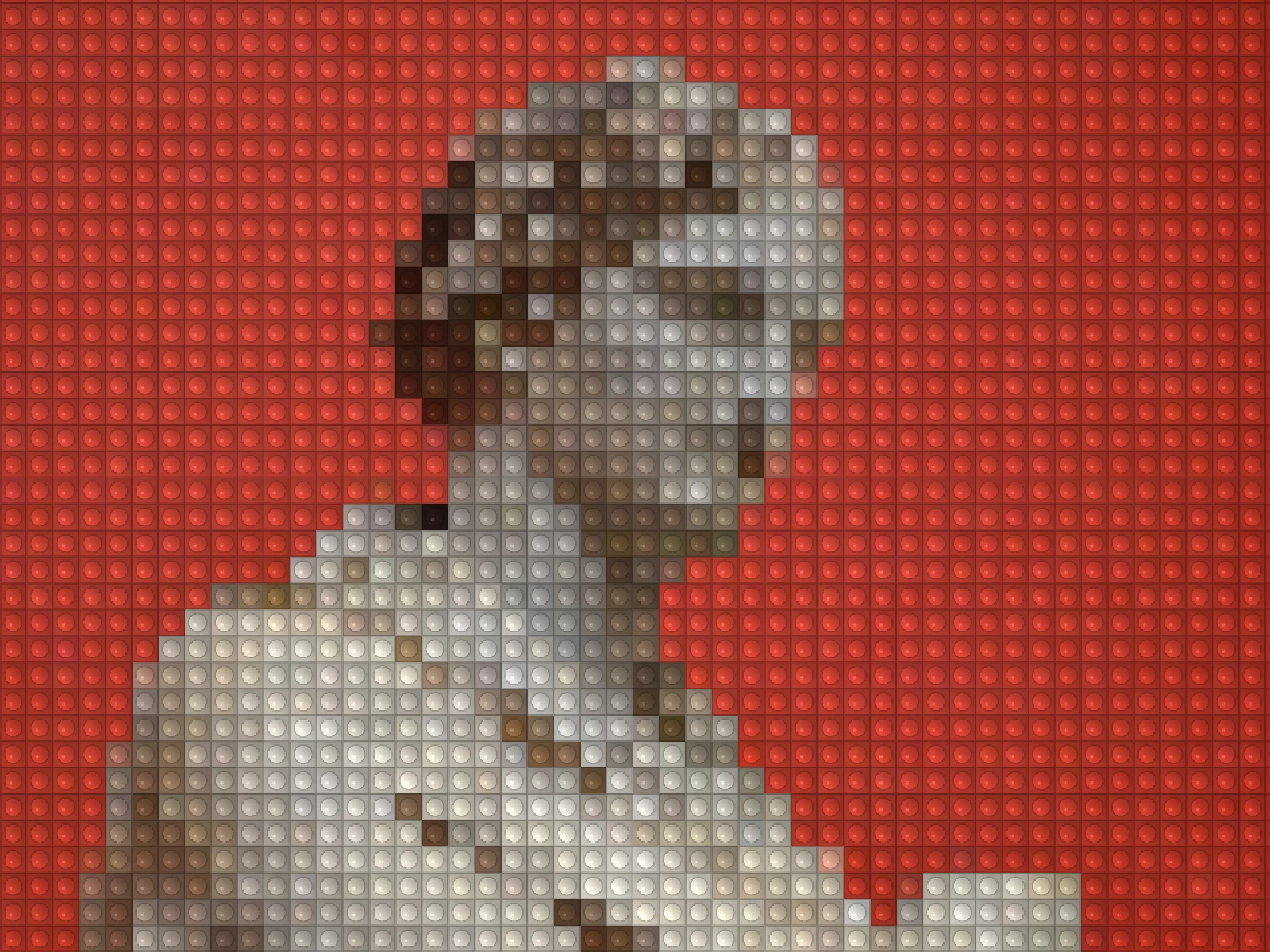
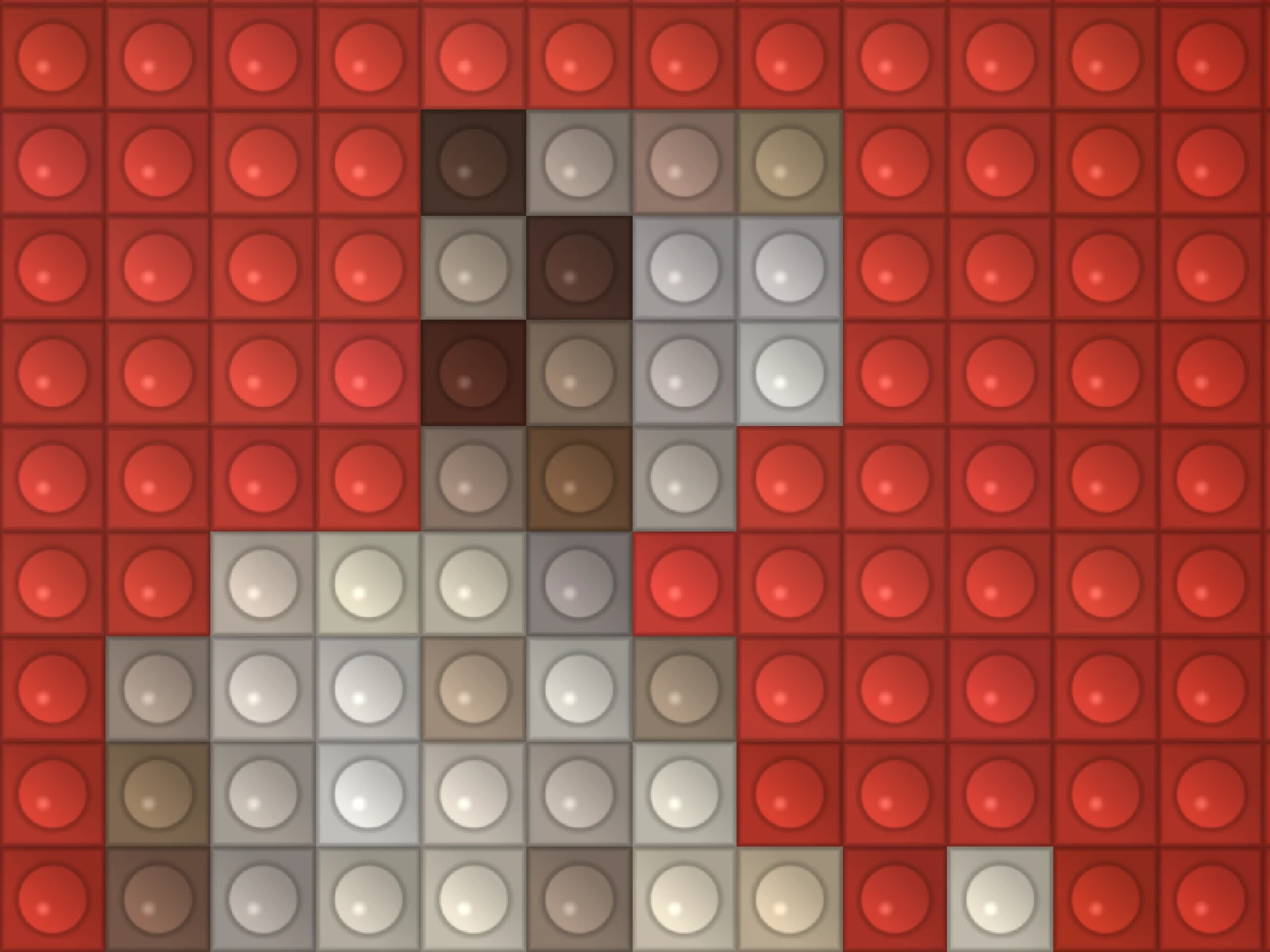
BRICK SIZE sweep
03/ SPEC
This effect samples the image on a grid, quantises each cell to a limited palette, and renders it as a studded brick face with directional shading on the stud. BRICK SIZE runs from 1 to 8 pixels with a default of 2 and sets the grid pitch, controlling how many bricks the image is built from. CONTRAST expands tone beforehand, which matters because a limited palette needs tonal separation to pick distinct colours. In kott this renders in natural colour, so the palette substitution reads the way a real build does rather than as a grey mosaic.
04/ FAQ
- What is a Lego effect?
- A Lego effect rebuilds an image as a grid of studded plastic bricks, quantising each cell to a limited palette and shading the stud so the surface reads as moulded plastic.
- What BRICK SIZE should I use for a portrait?
- One or two, on a large export. Coarser grids swallow facial features into single bricks, which works for a silhouette or a logo but not for a face.
- Why does a brick effect need high contrast?
- The palette is deliberately limited, so neighbouring tones can quantise to the same brick and flatten the image. Raising CONTRAST separates them enough to pick different colours.