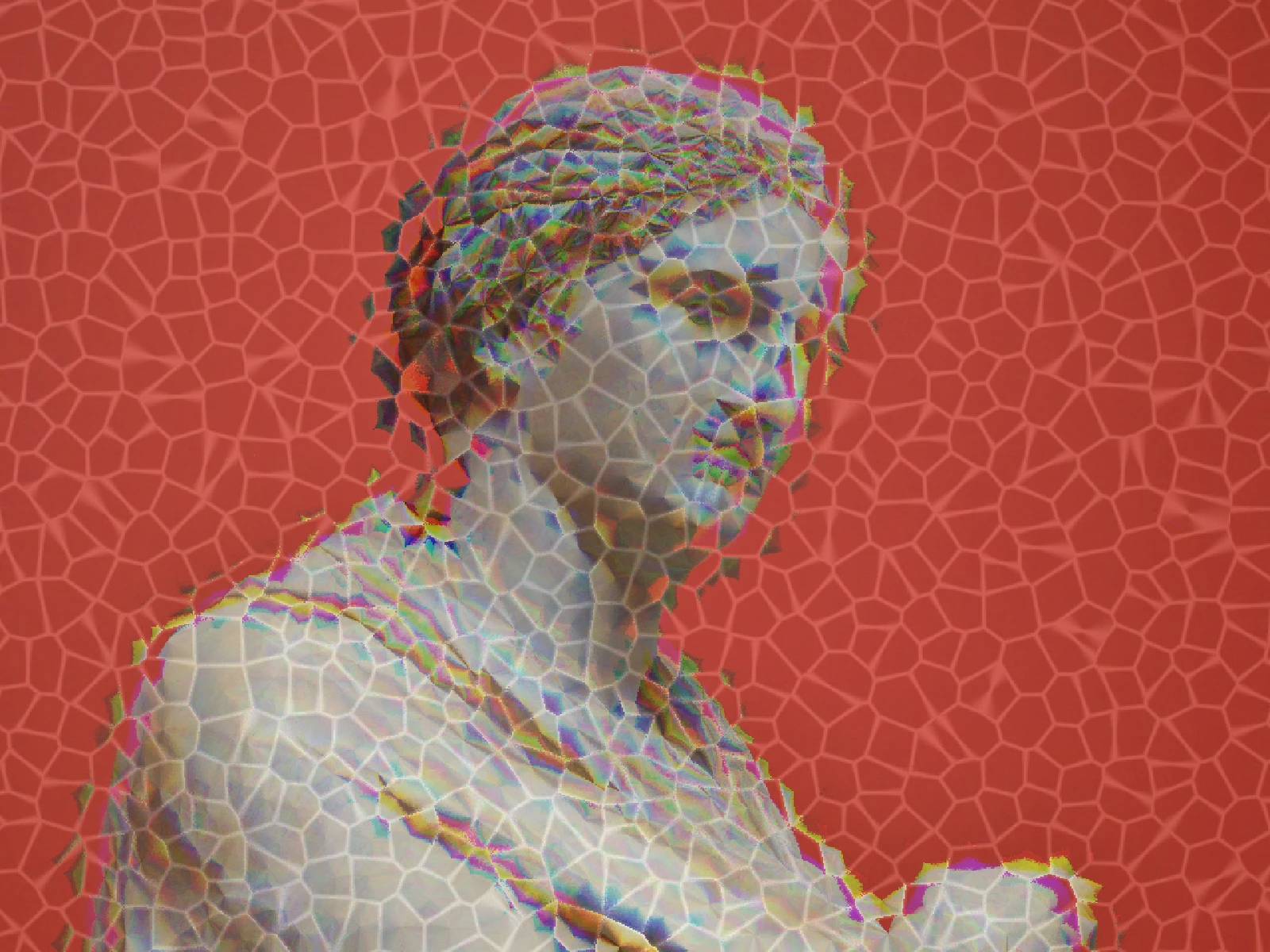
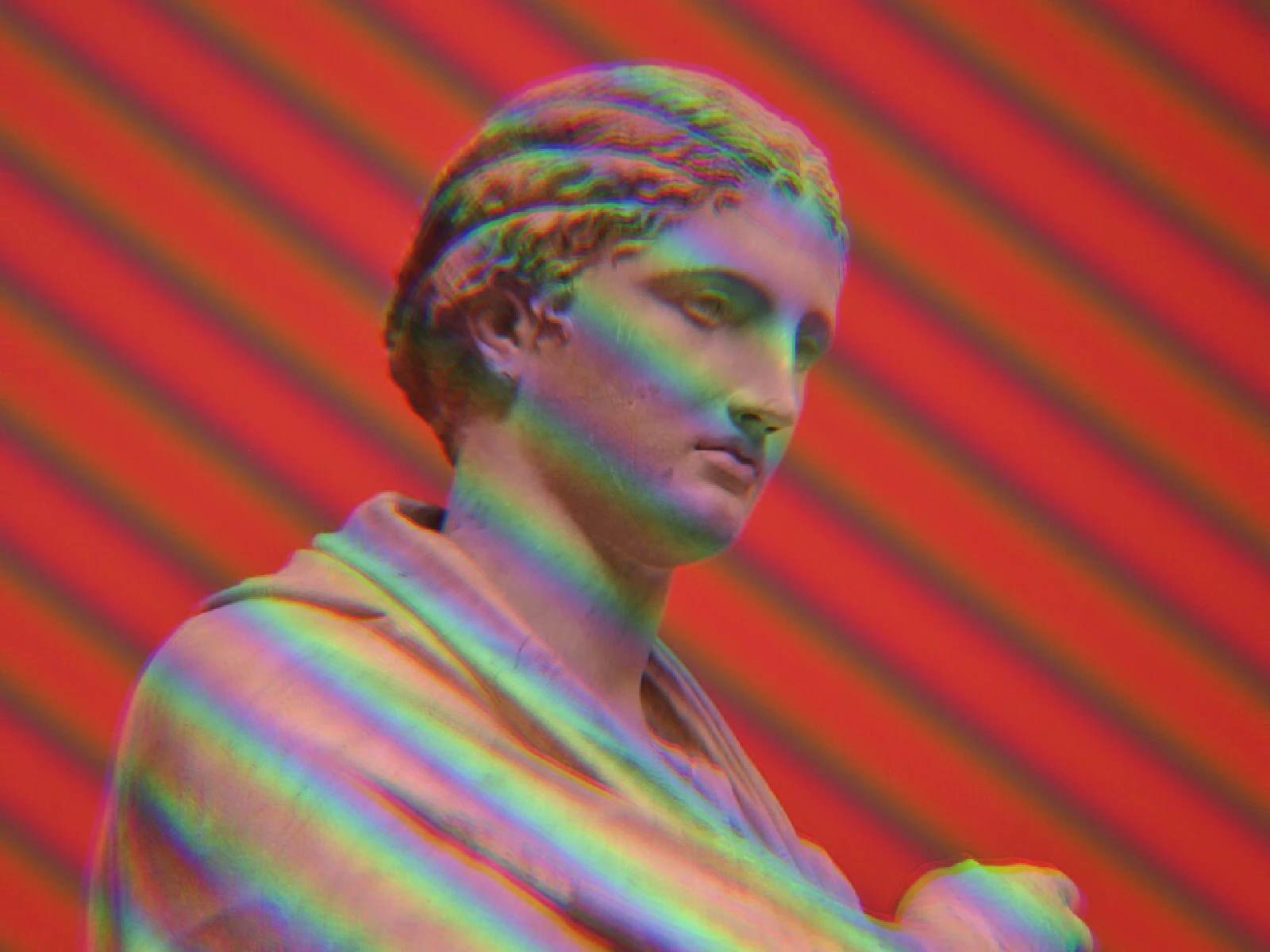
prism effect

 SourceEffect
01/ ORIGIN
Newton put a prism in a sunbeam in 1666 and established that white light is not simple but composite, separable into a fixed spectrum and recombinable back into white. The reason it separates is that glass slows different wavelengths by different amounts, so each leaves at its own angle. Every rainbow, every lens fringe and every chromatic aberration anyone has ever tried to correct is the same phenomenon appearing where nobody asked for it.
02/ SWEEP
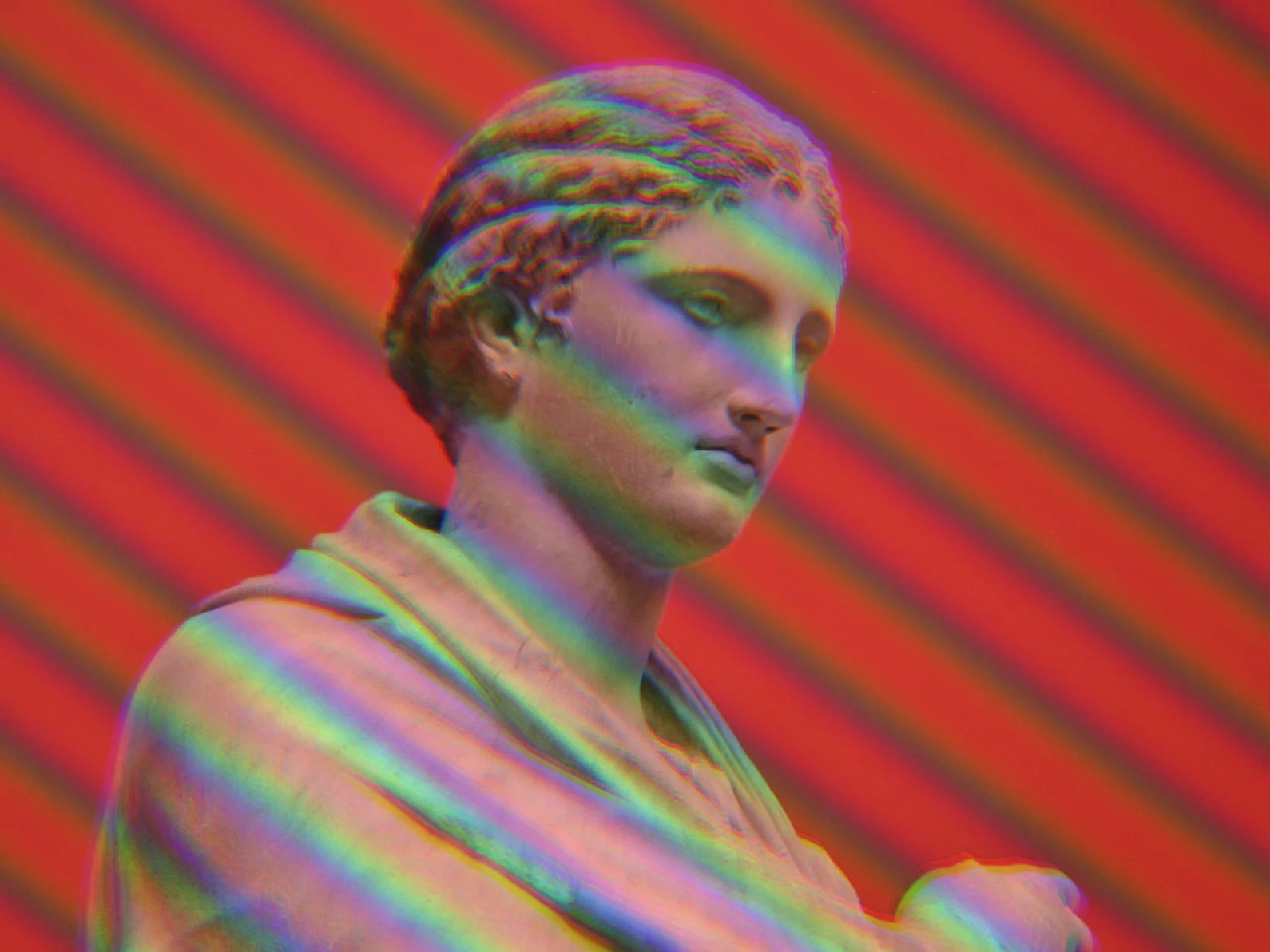
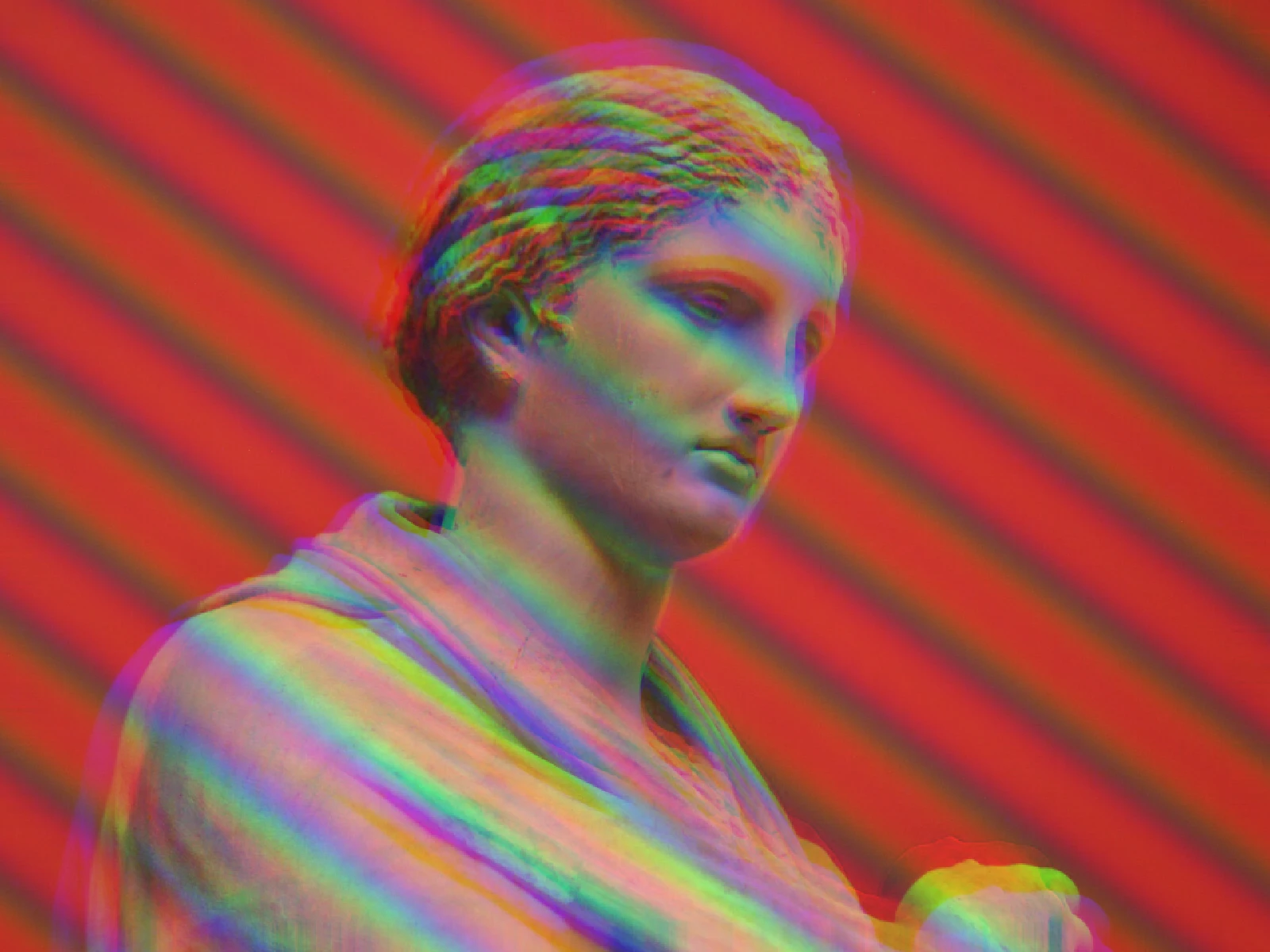
ABERRATION sweep
03/ SPEC
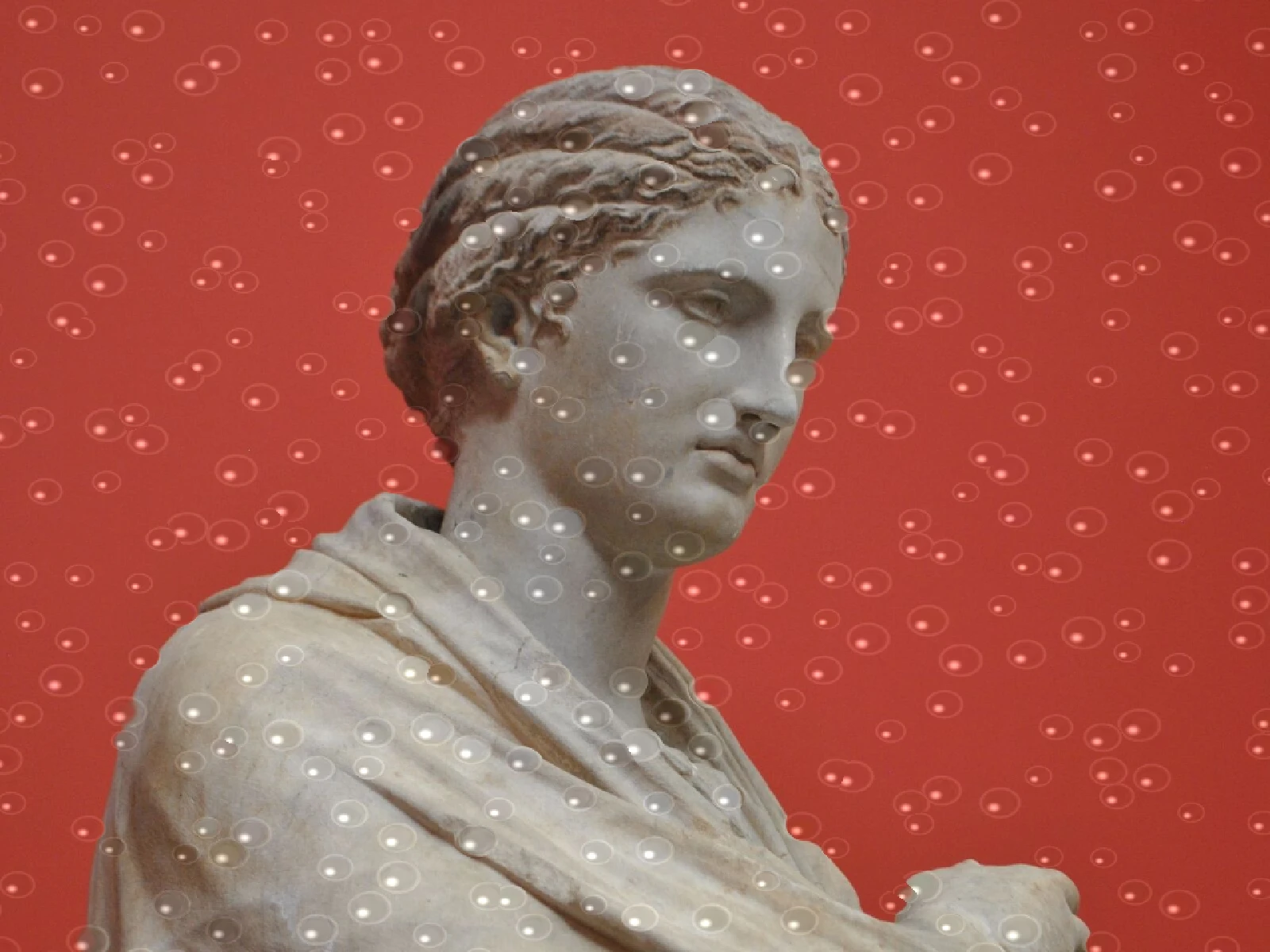
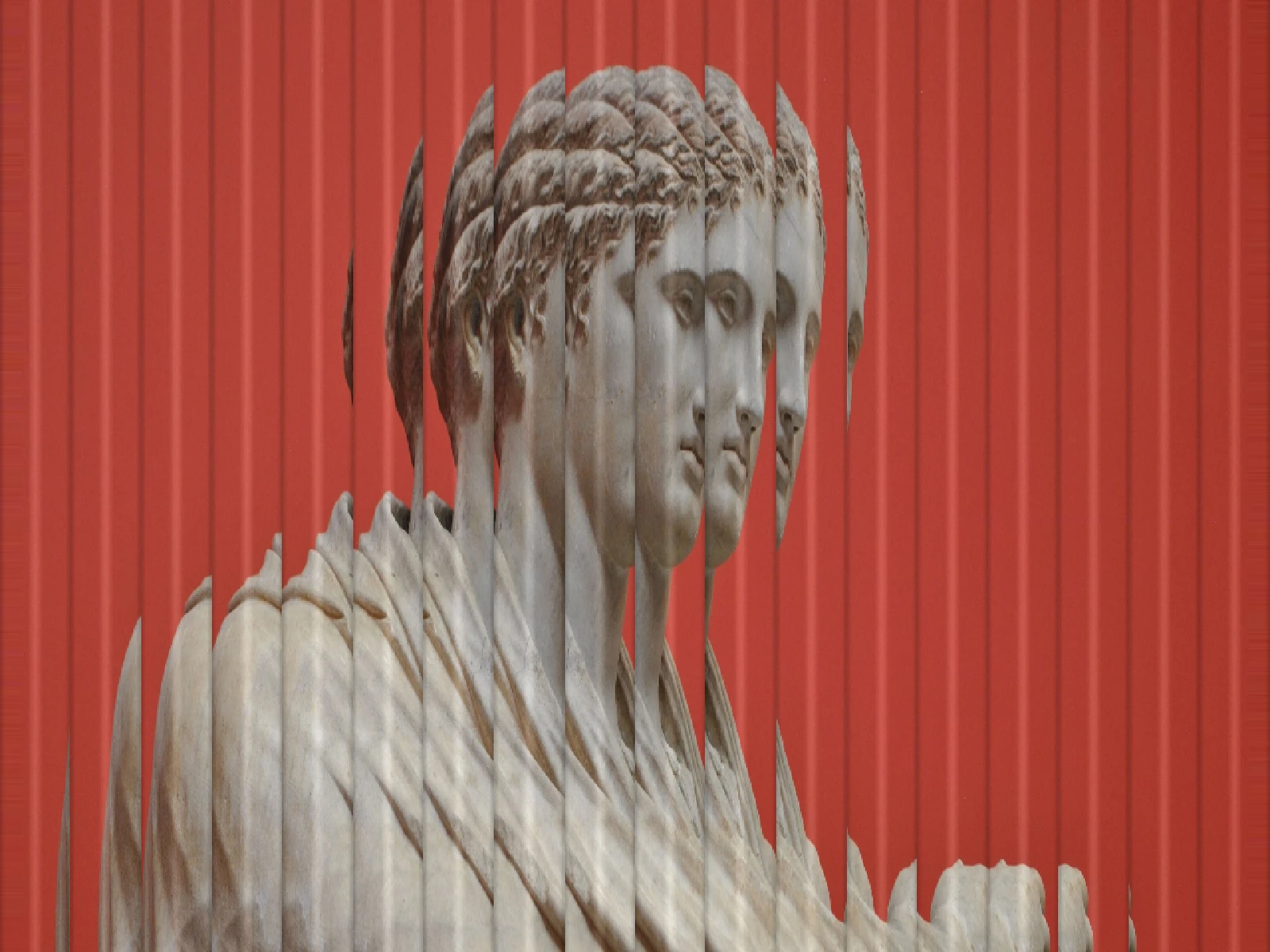
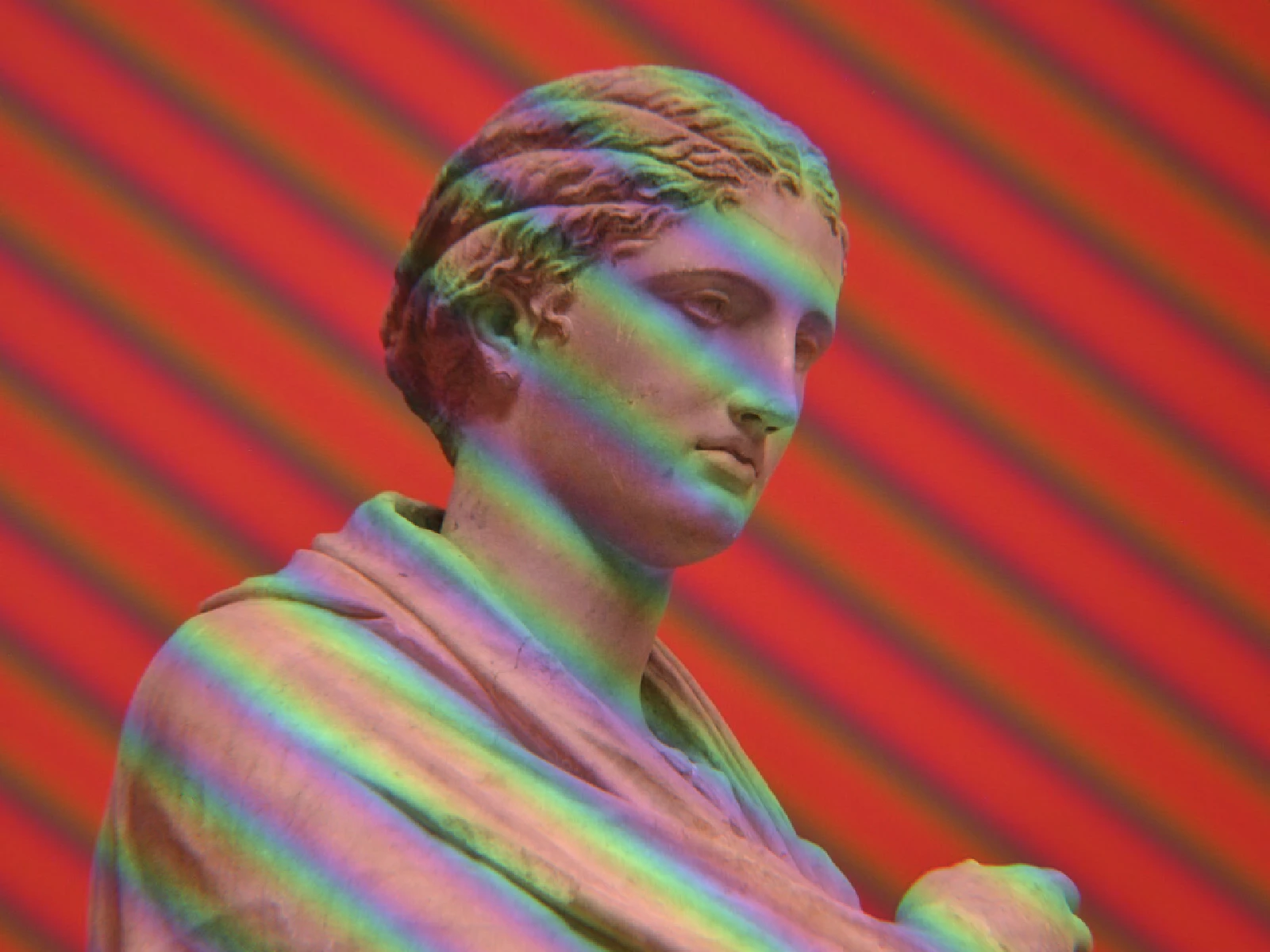
This effect offsets the colour channels by wavelength-dependent amounts and adds a specular sheen, imitating dispersion through glass rather than a uniform channel shift. ABERRATION runs from 0 to 2 with a default of 0.5 and scales how far apart the channels are pushed, which controls how visible the spectral fringing becomes. SHEEN adds a bright refractive highlight over the result. Because dispersion is strongest where contrast is highest, in kott the fringing concentrates on edges exactly as it does in a real lens.
04/ FAQ
- What is a prism effect?
- A prism effect separates an image into component colours along its edges, imitating how glass refracts different wavelengths by different amounts and splits white light into a spectrum.
- Why does glass split white light?
- Different wavelengths travel at different speeds through glass, so each leaves at a slightly different angle. Newton demonstrated this in 1666 and showed the spectrum recombines back into white.
- What is the difference between prism and RGB split?
- An RGB split offsets channels uniformly in one direction. Prism offsets them by wavelength and concentrates the effect on edges, which is what real dispersion does.