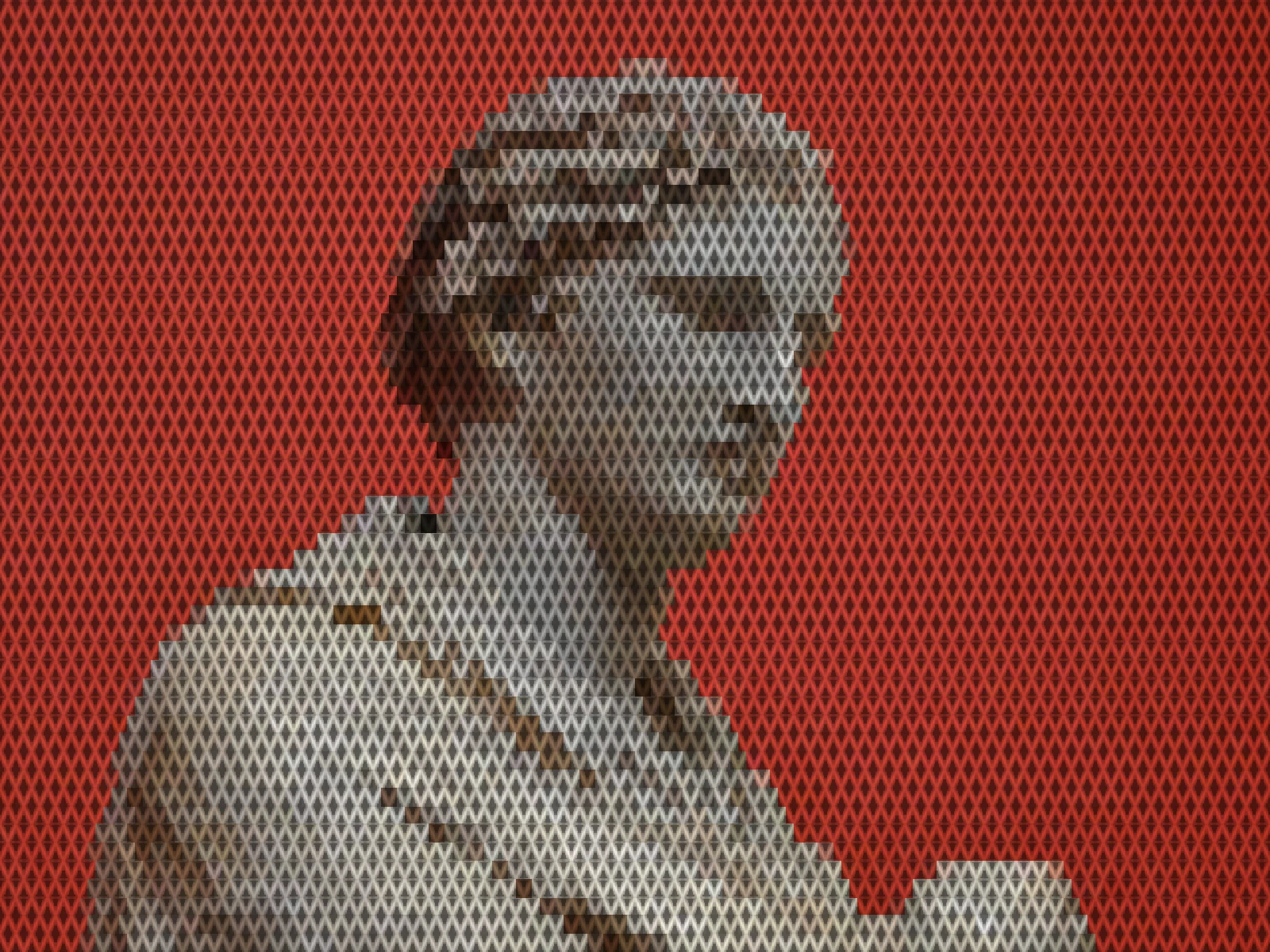
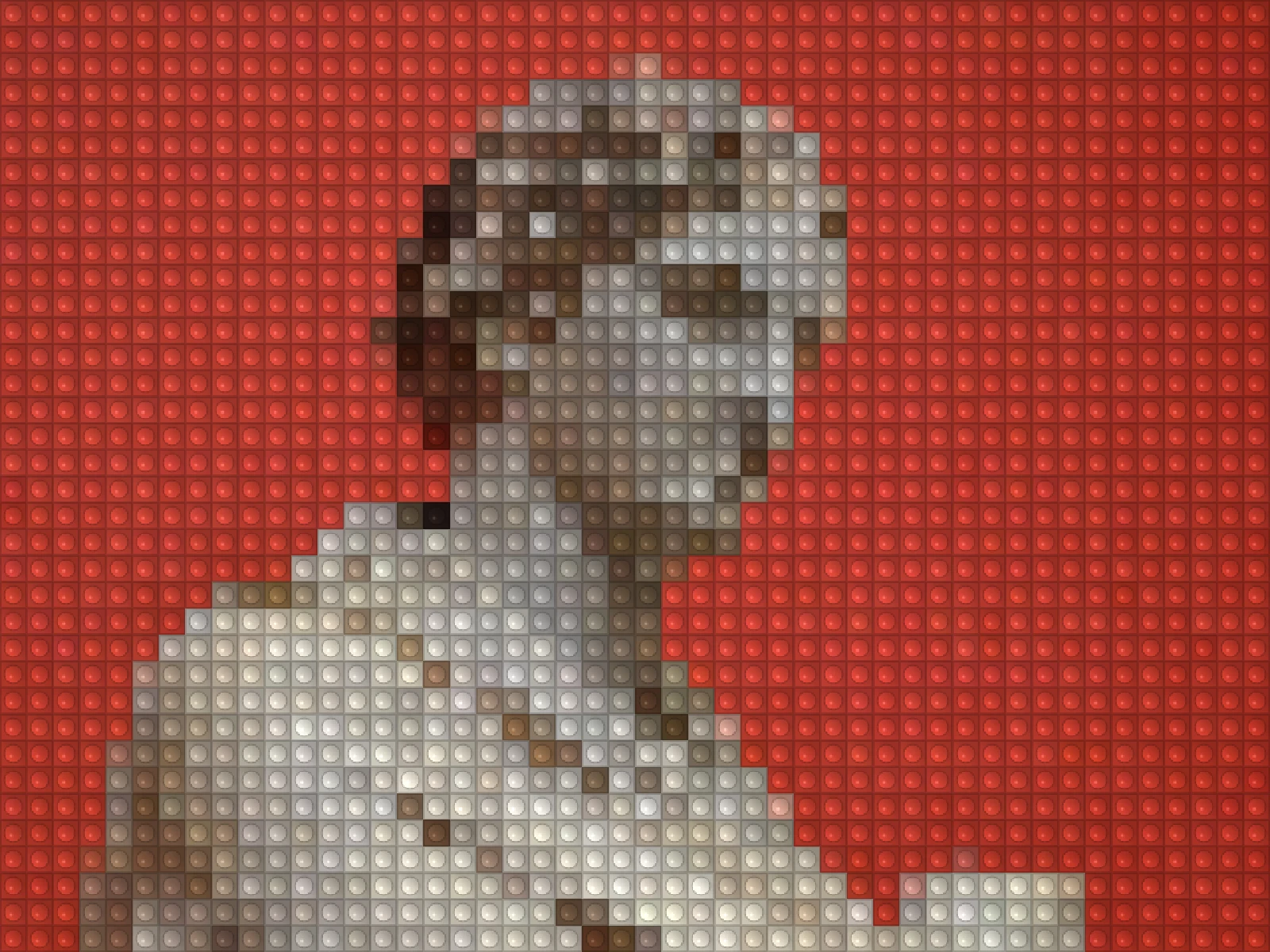
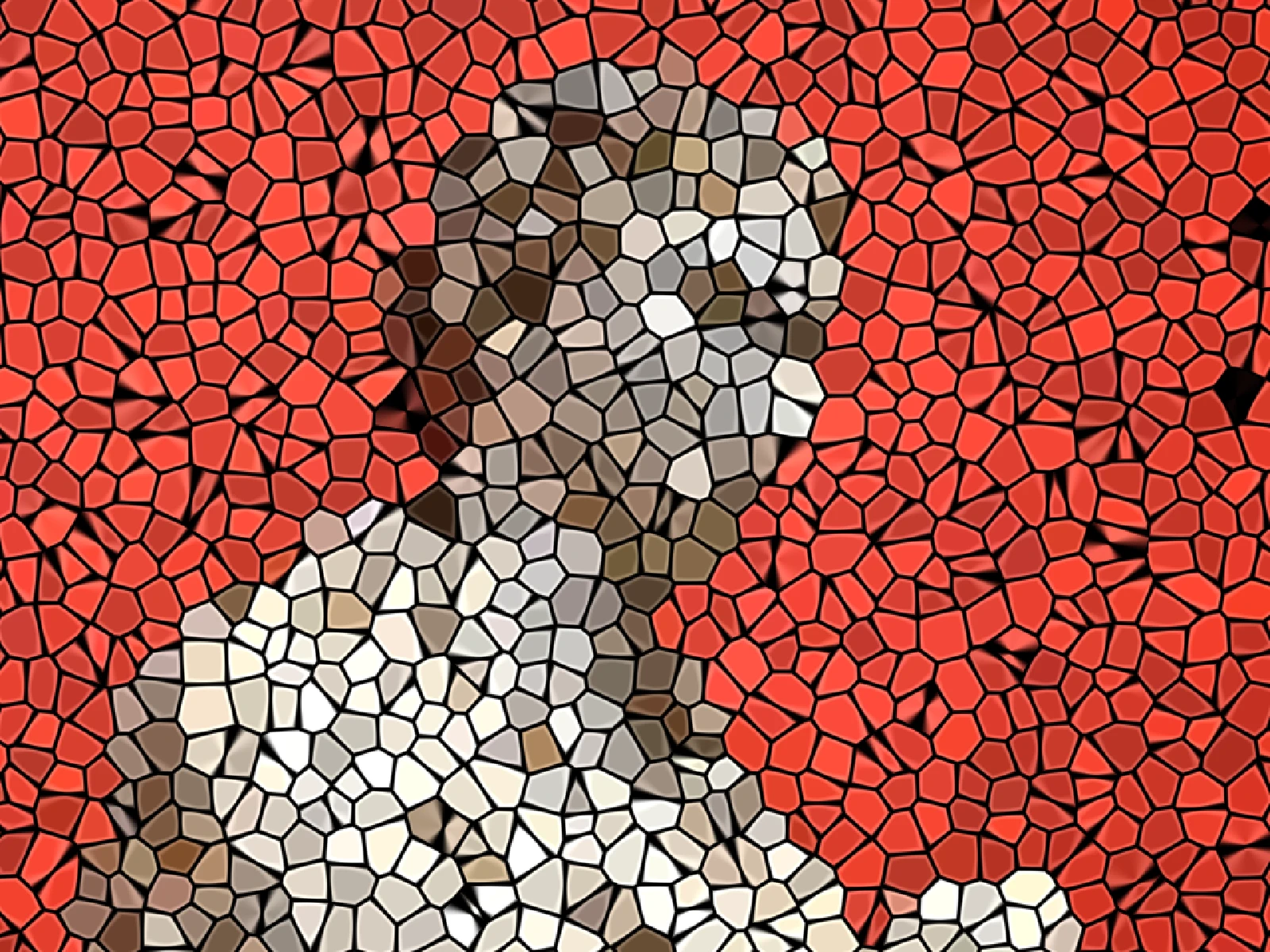
stained glass effect
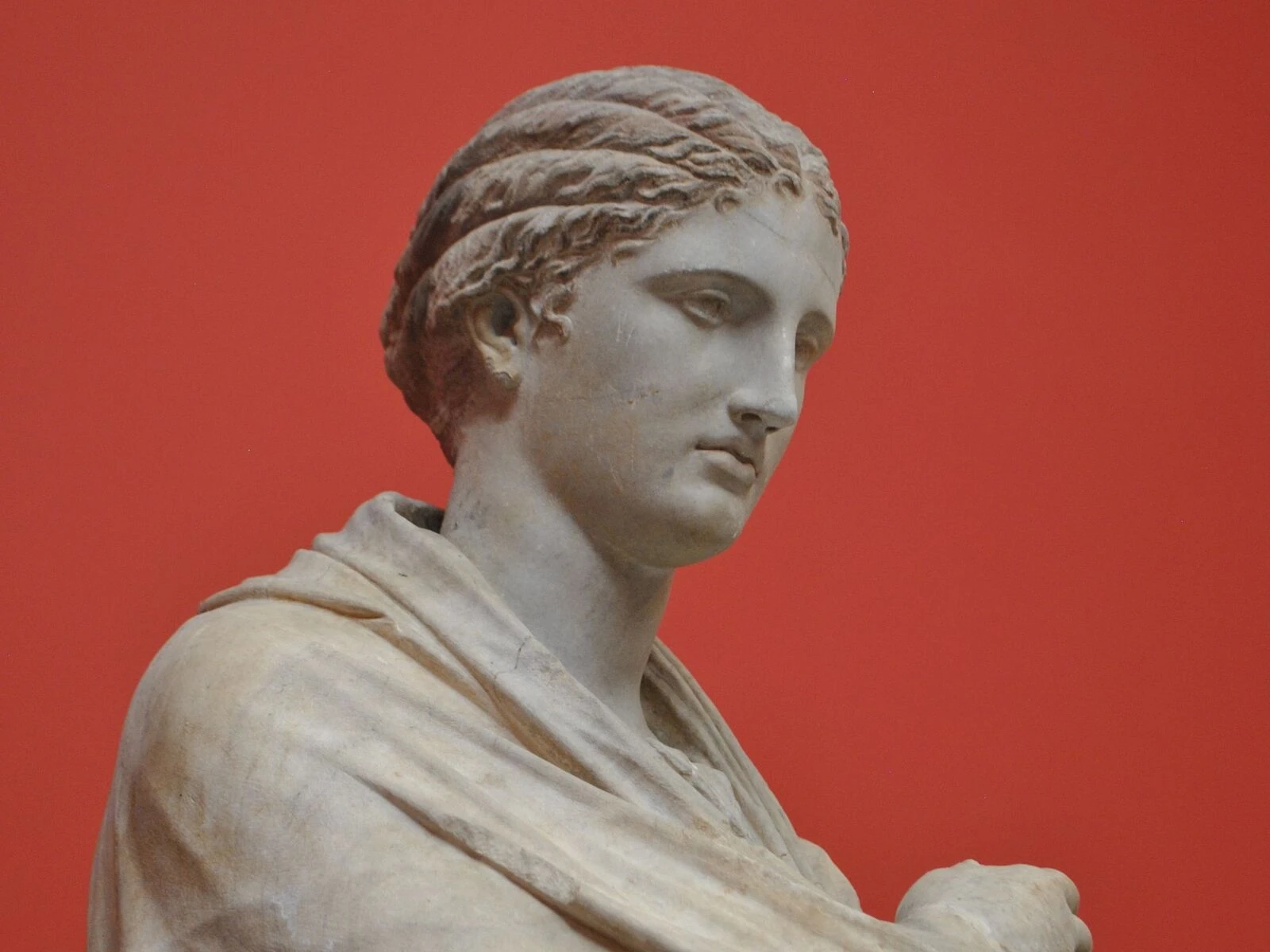
 SourceEffect
01/ ORIGIN
Cathedral glass was never painted like a picture. Coloured glass was cut into pieces and held in grooved lead strips called cames, so the dark lines running through a window are structural: without them the panel collapses. Twelfth and thirteenth century workshops at Chartres and the Sainte-Chapelle built entire narrative cycles inside that constraint, designing the leading as drawing rather than working around it. The effect imitates a load-bearing decision.
02/ SWEEP
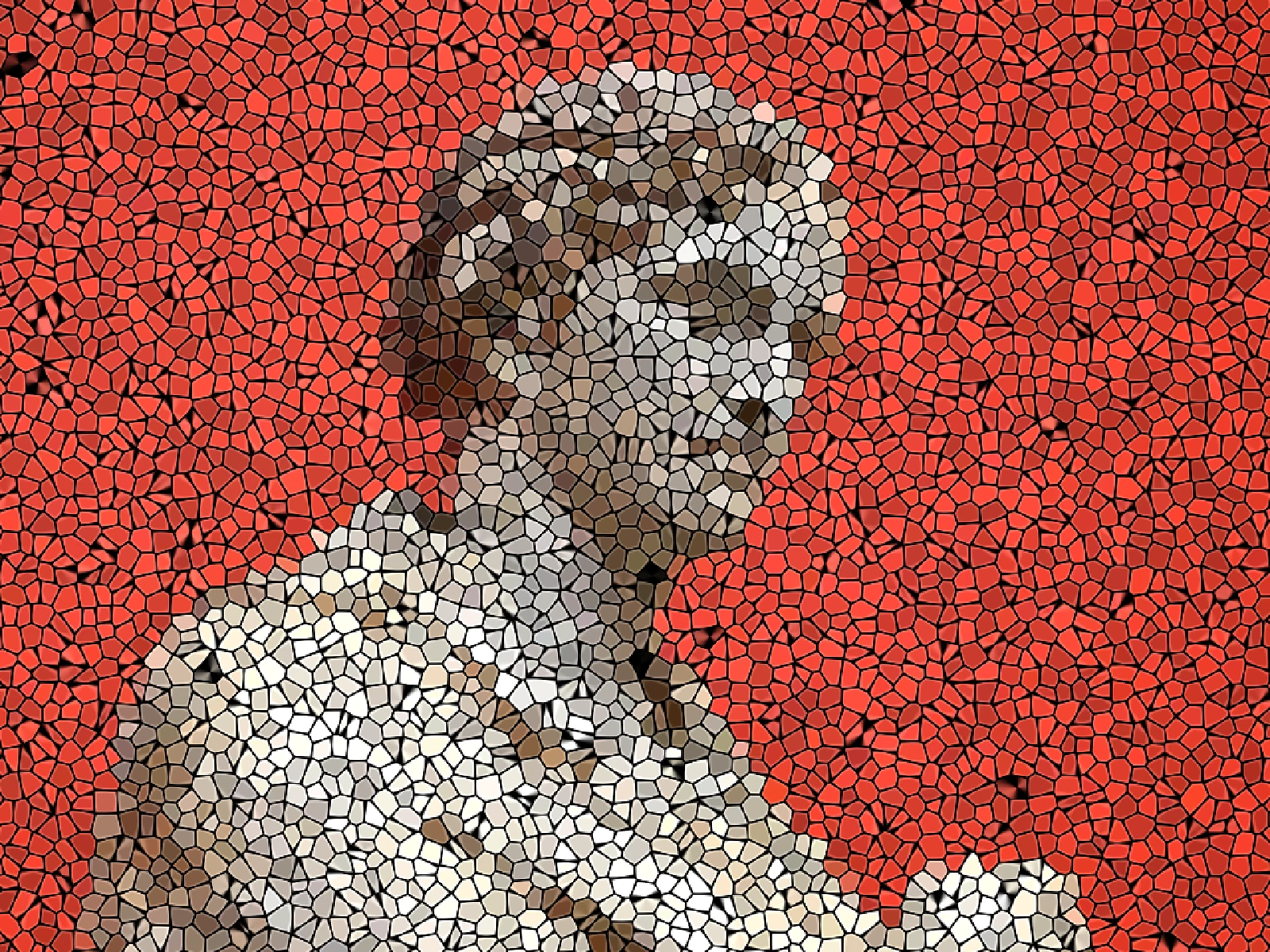
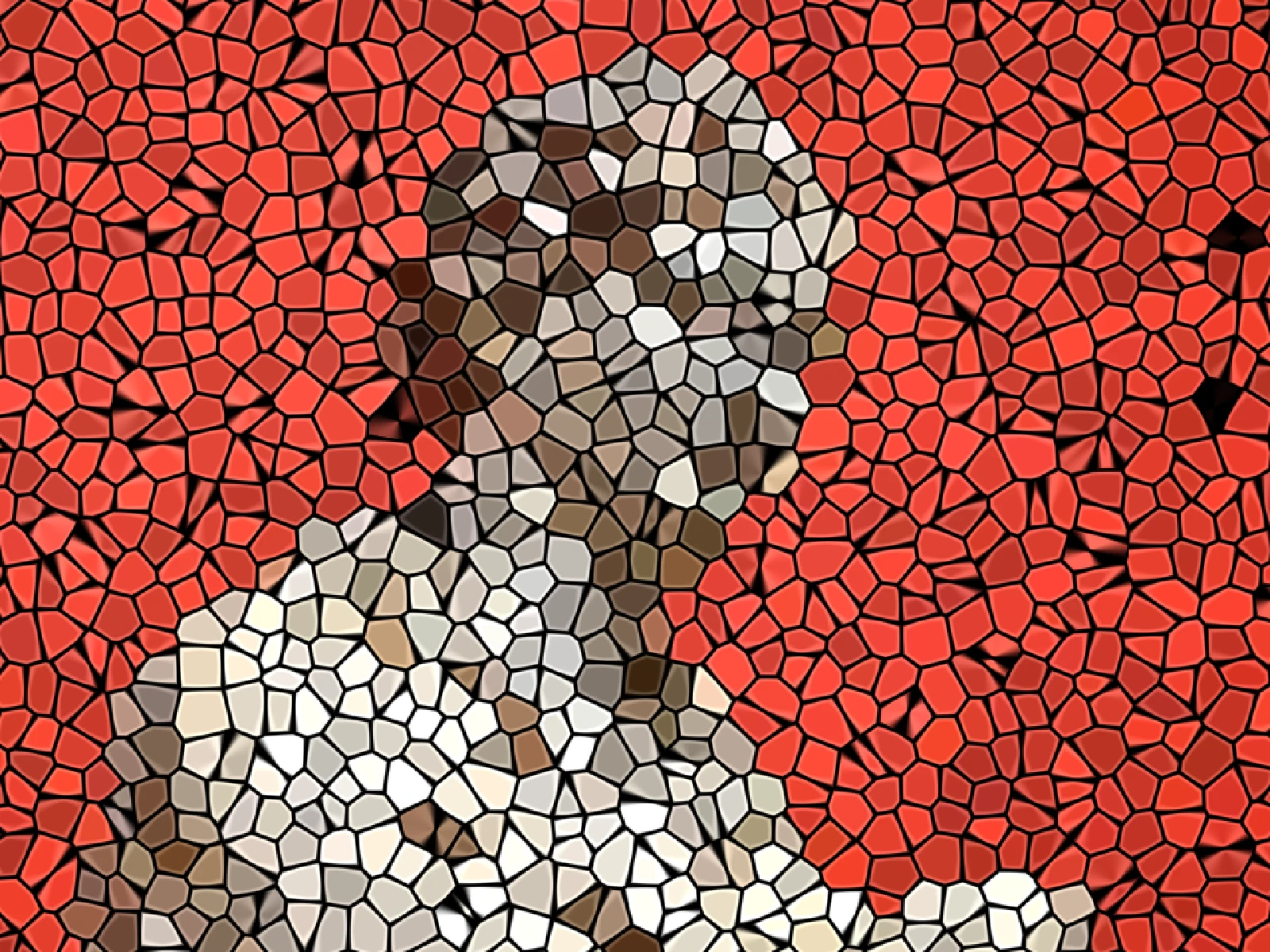
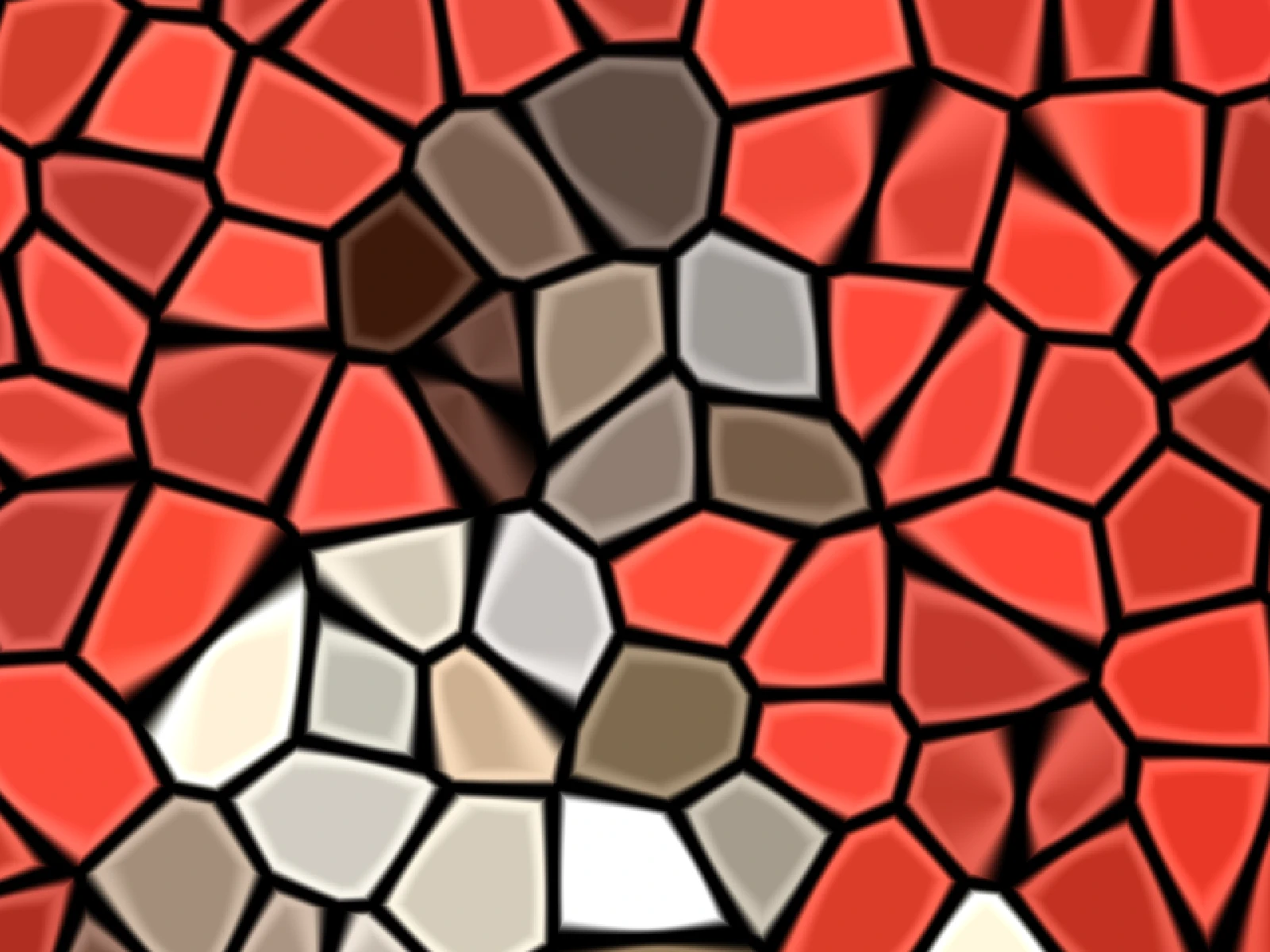
PANE SIZE sweep
03/ SPEC
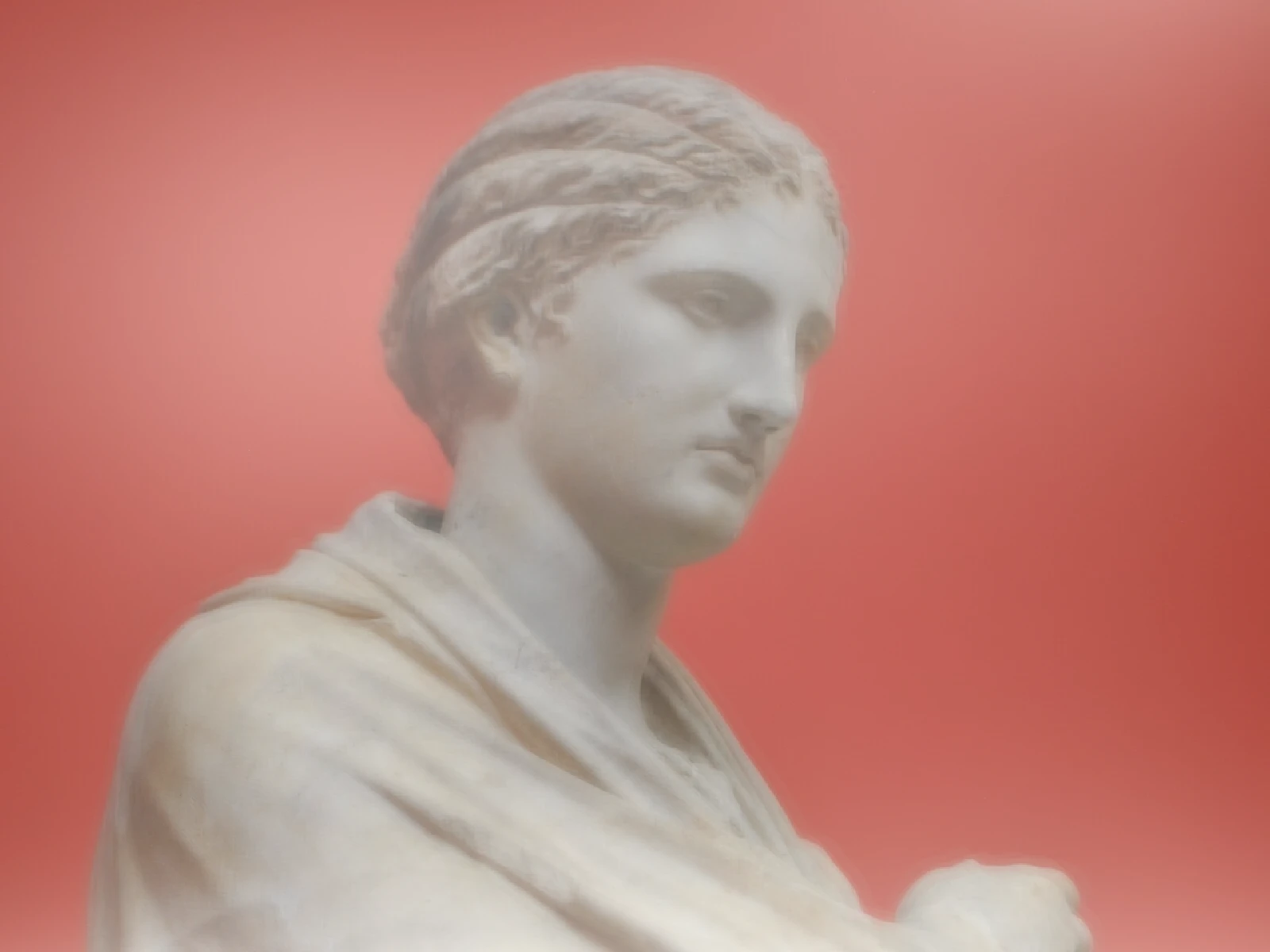
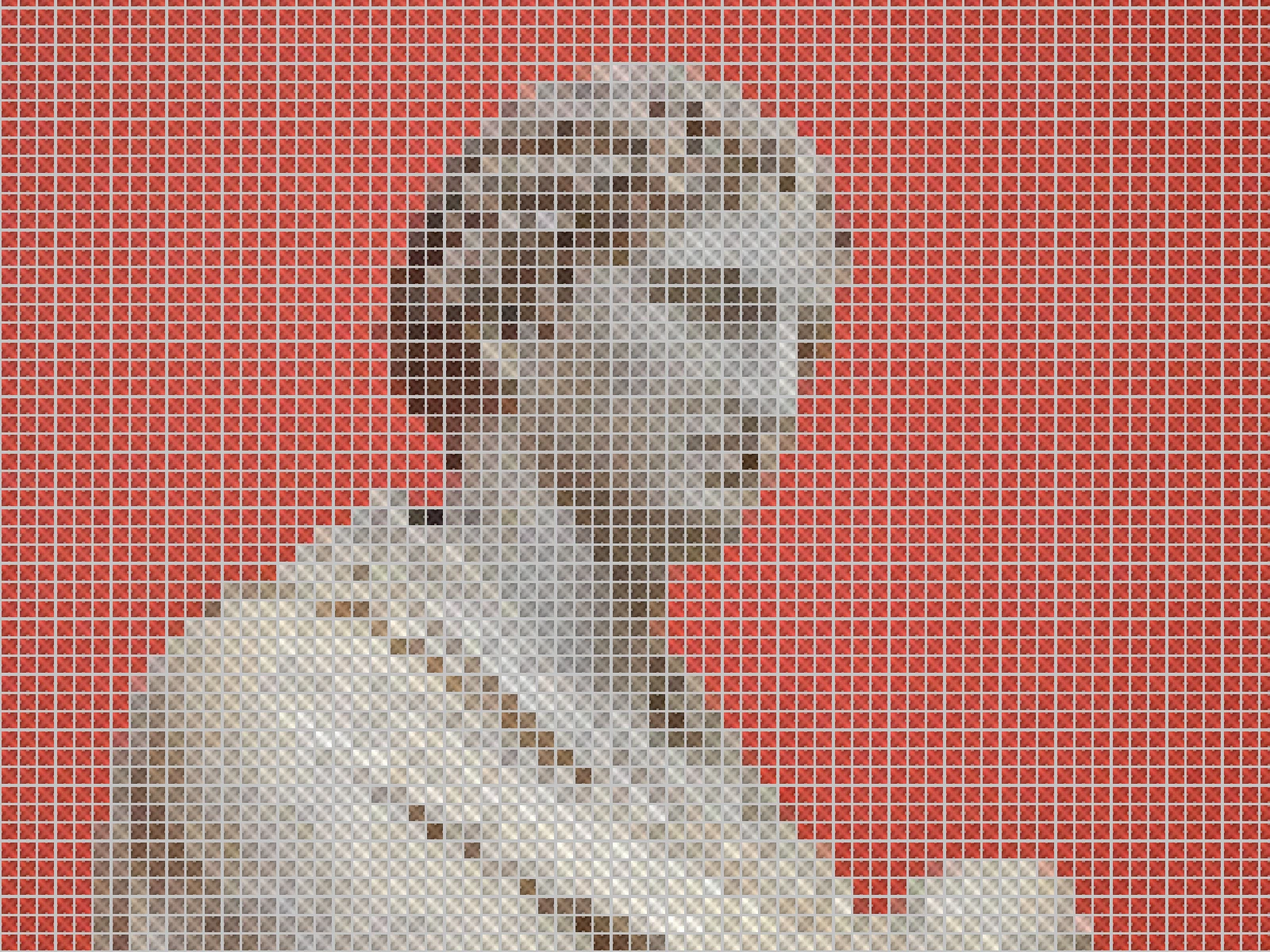
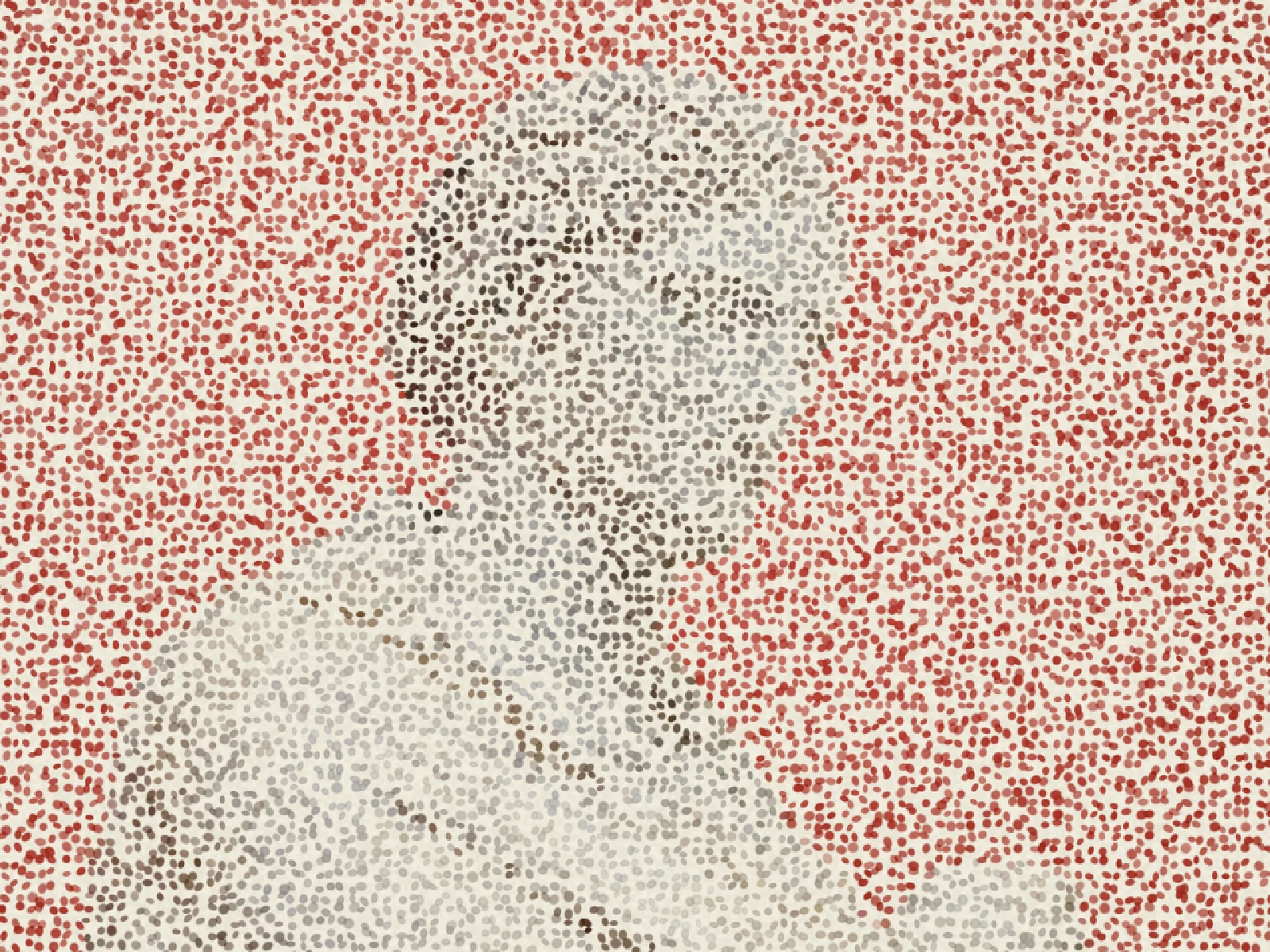
This effect segments the image into flat-coloured regions and draws a dark border along every boundary, imitating cut glass held in lead. PANE SIZE runs from 1 to 8 pixels with a default of 2 and sets the segmentation scale, so it controls how many panes the image is broken into: low values keep facial detail across many small pieces, high values reduce a portrait to a few dozen. CONTRAST expands tone before segmentation, which decides how confidently the boundaries fall. In kott it renders in natural colour so the panes carry the source hue rather than a grey ramp.
04/ FAQ
- What is a stained glass effect?
- A stained glass effect breaks an image into flat regions of colour separated by dark borders, imitating pieces of cut glass held together by lead strips in a cathedral window.
- Why are the lines in stained glass dark?
- They are lead. Coloured glass is cut and held in grooved lead cames, which are structural rather than decorative, so the dark lattice is what physically holds the panel together.
- What PANE SIZE keeps a face recognisable?
- Stay at 1 or 2. Above about 4 the panes grow larger than facial features, so eyes and mouth get absorbed into single flat pieces and the likeness goes.