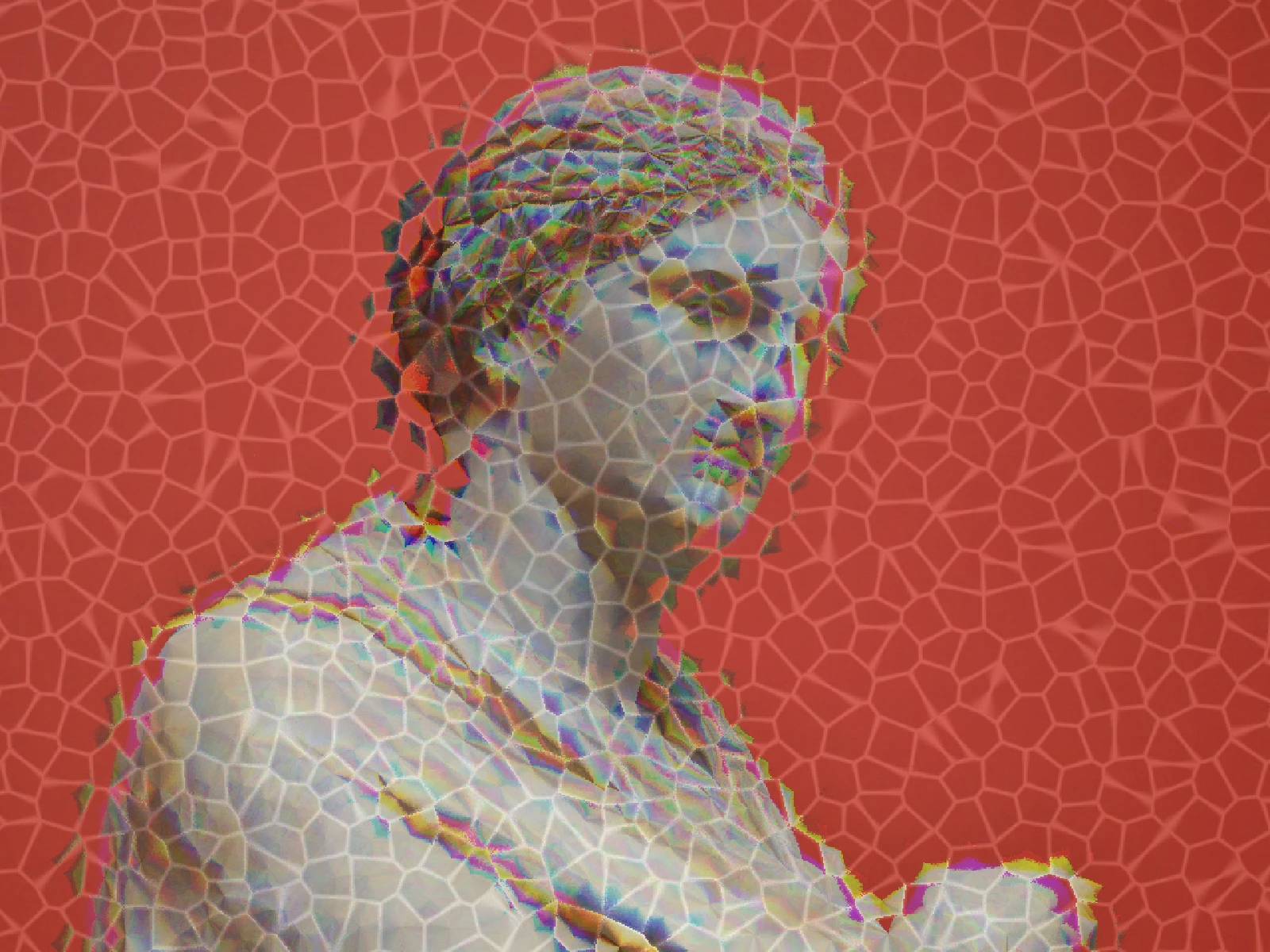
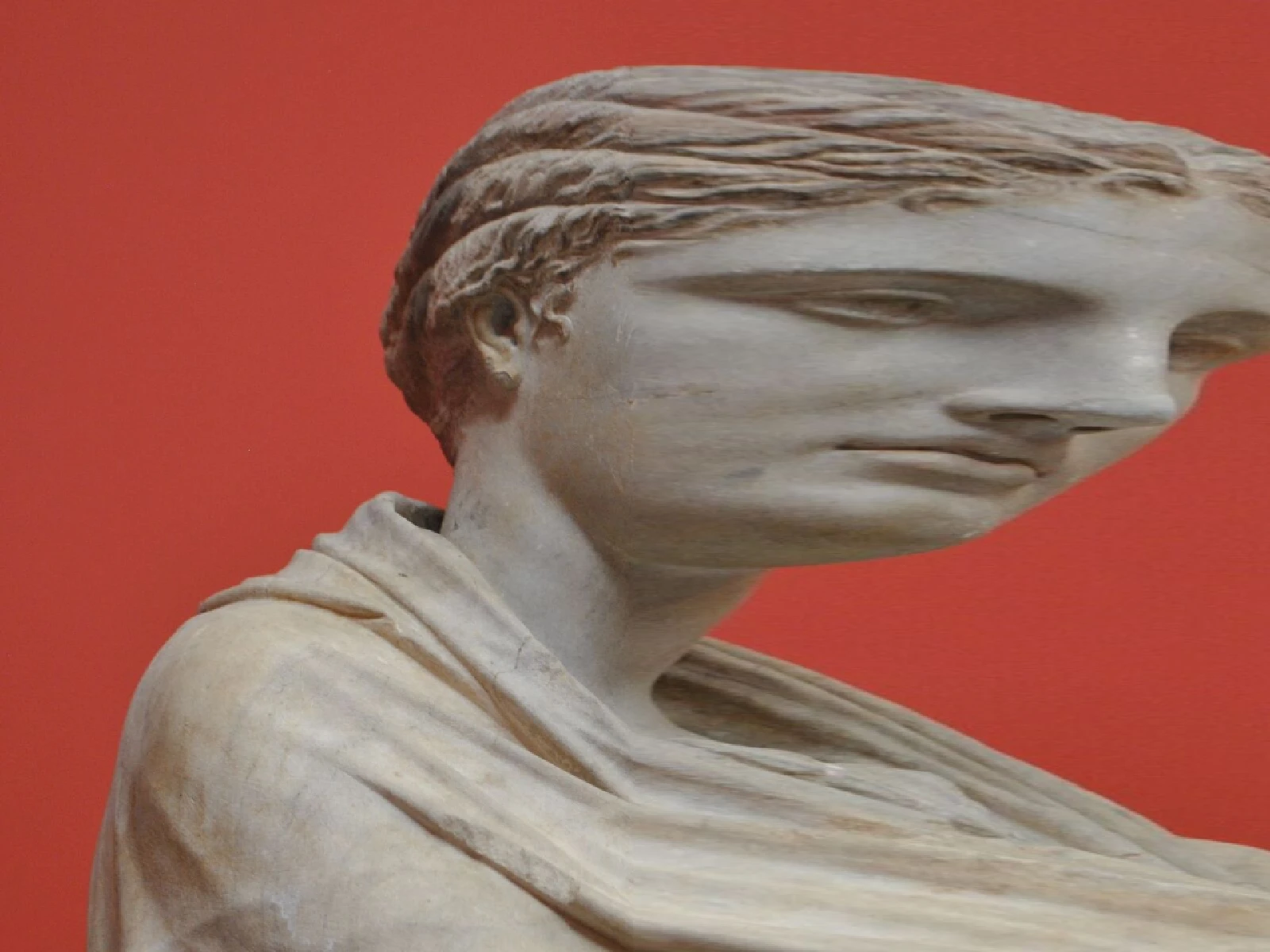
stretch effect
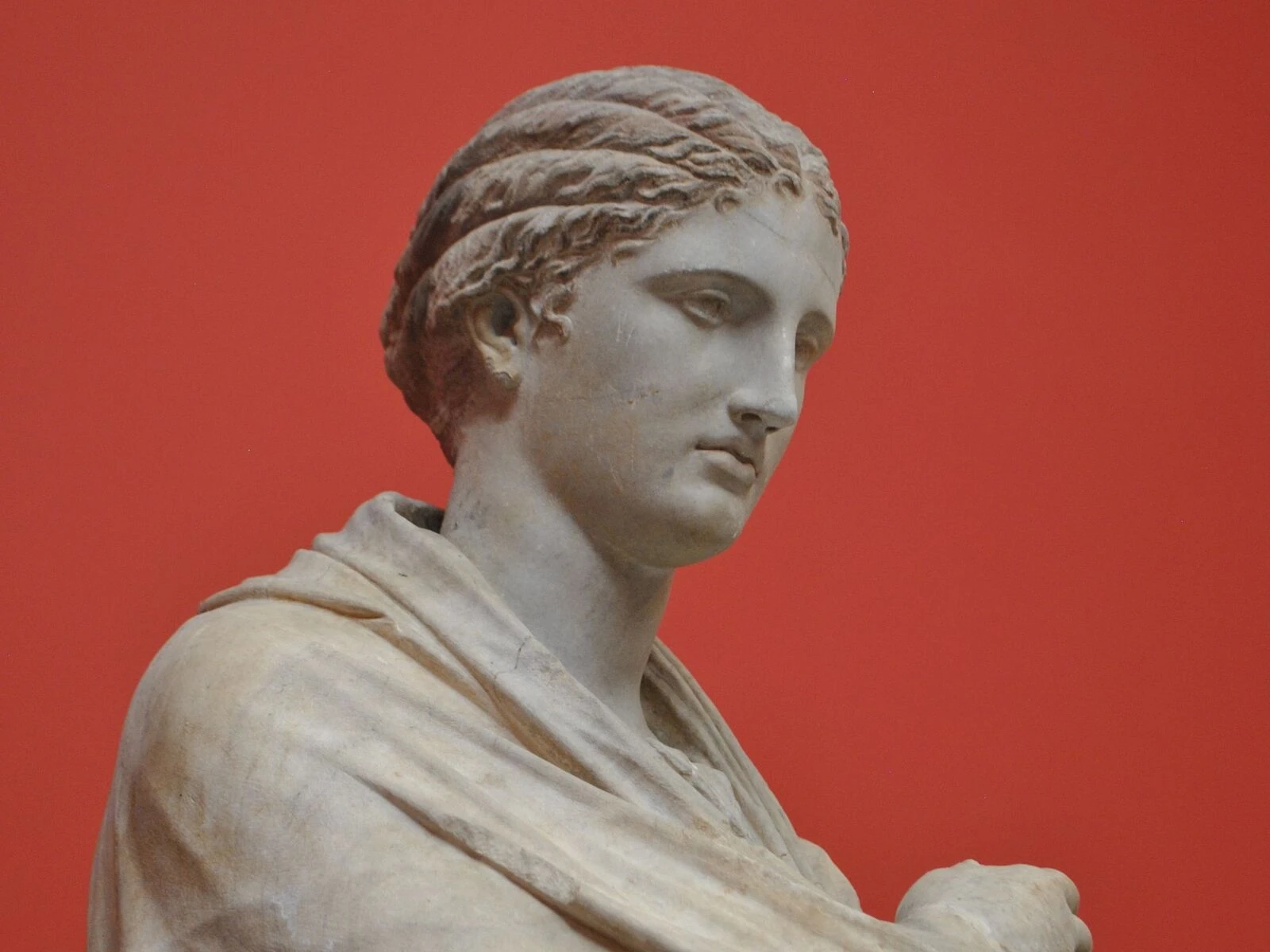
 SourceEffect
01/ ORIGIN
Pixel stretching is native to digital editing and has no optical ancestor: no lens or film can take one row of an image and extend it across the frame. It arrived with raster tools and became a staple of glitch and cover art through the 2000s, usually as a way of turning a photograph into a colour field while keeping provenance. The technique is honest about being a technique, which is part of why it aged well.
02/ SWEEP
AMOUNT sweep
03/ SPEC
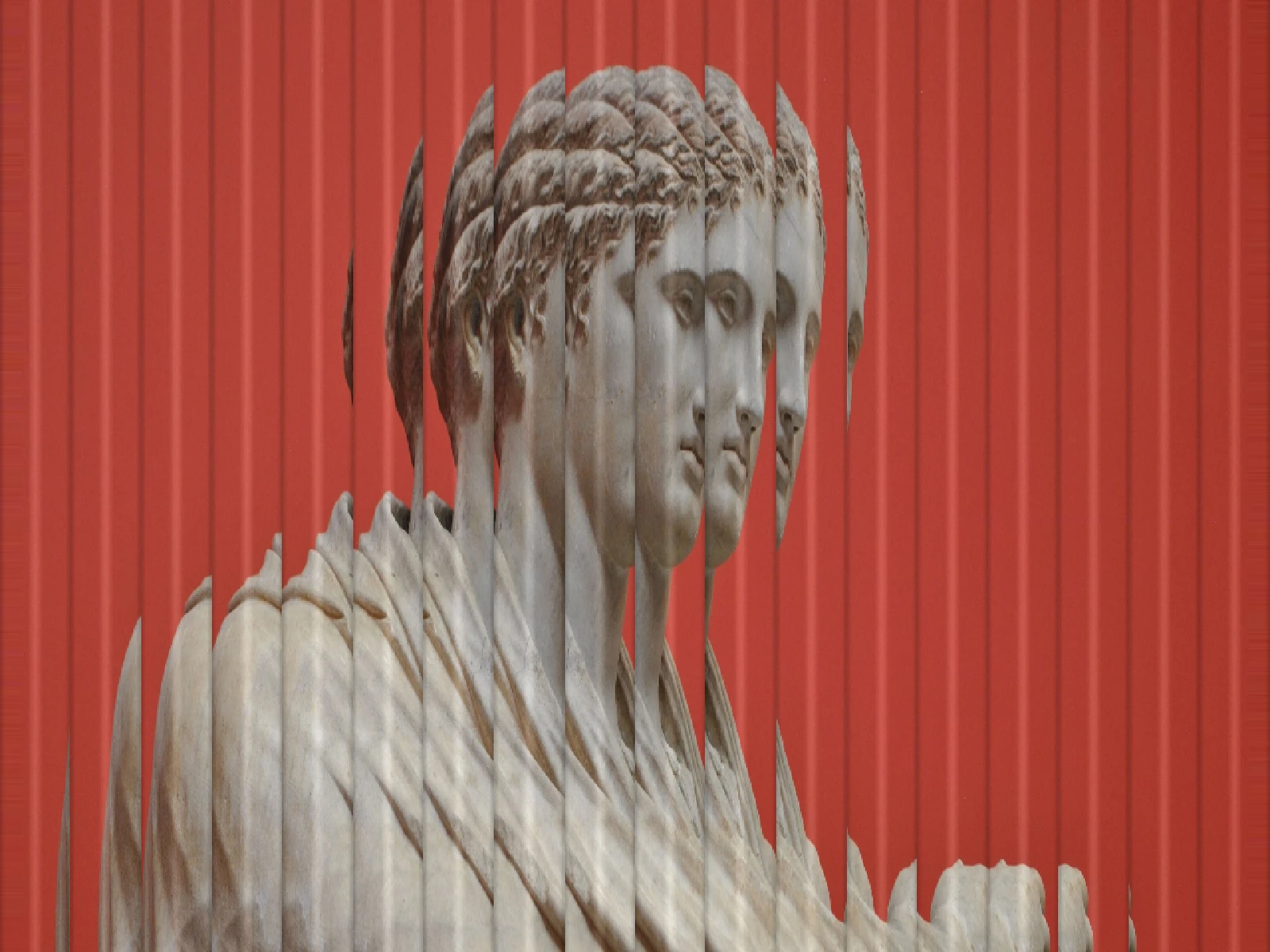
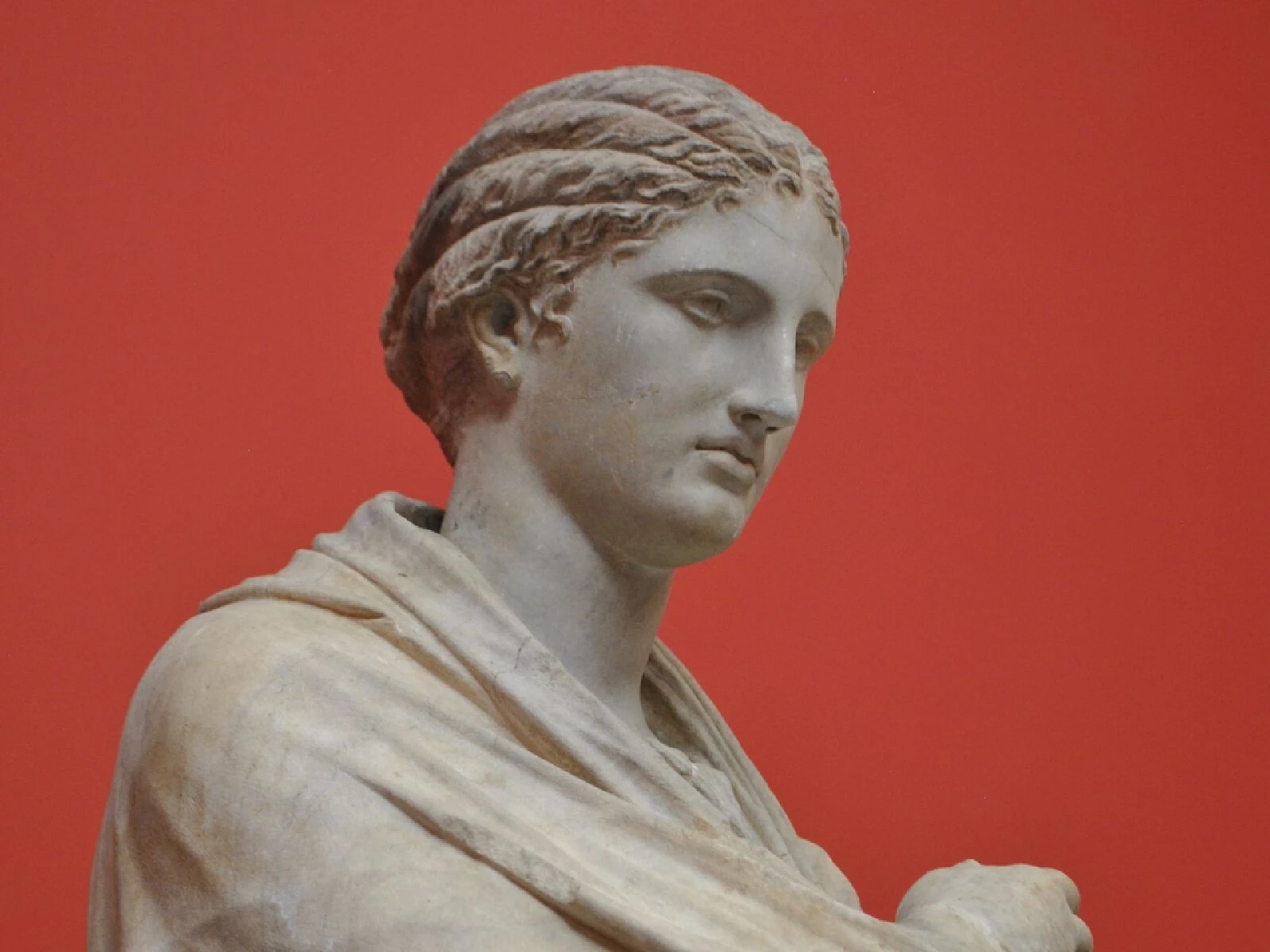
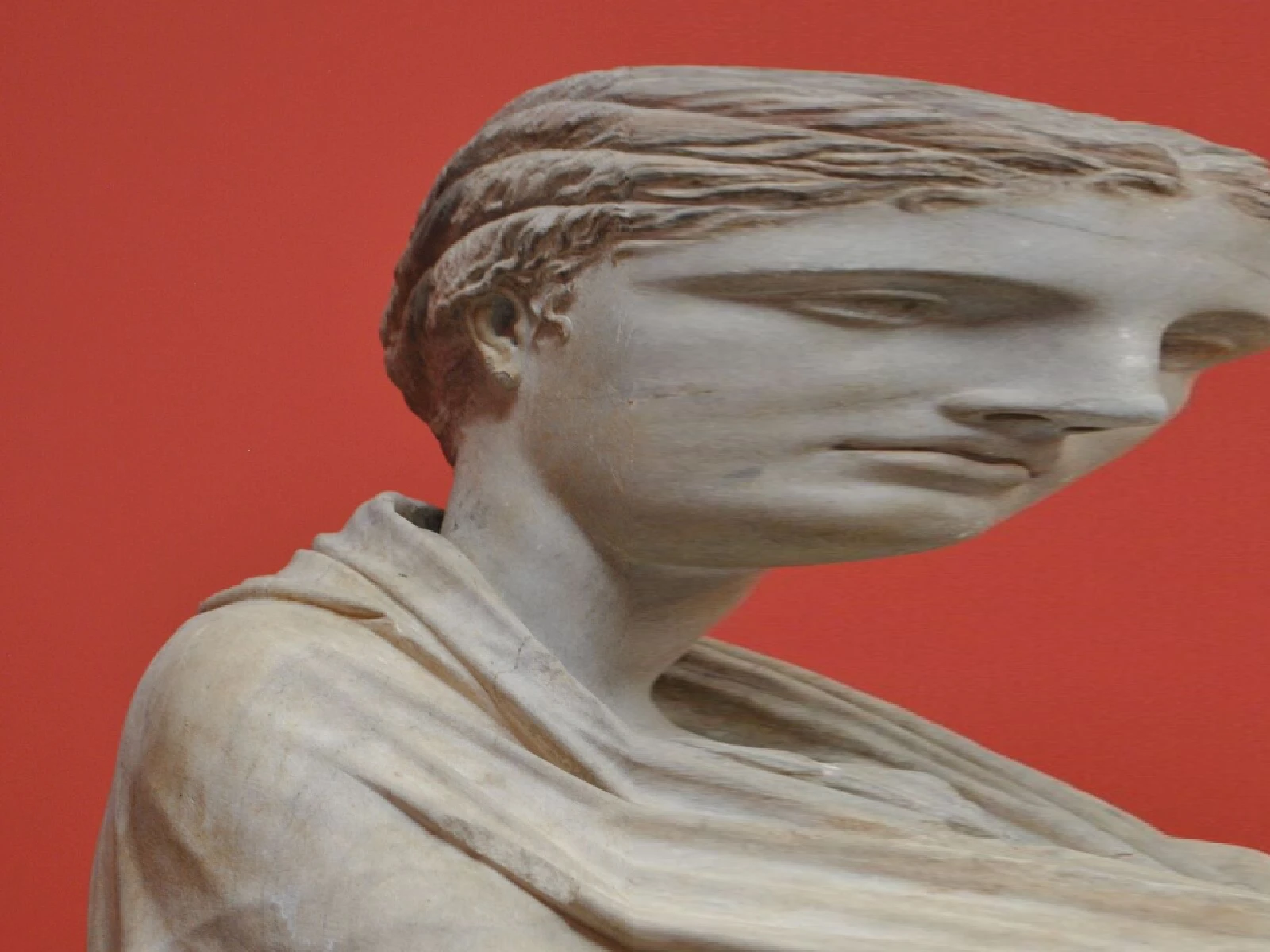
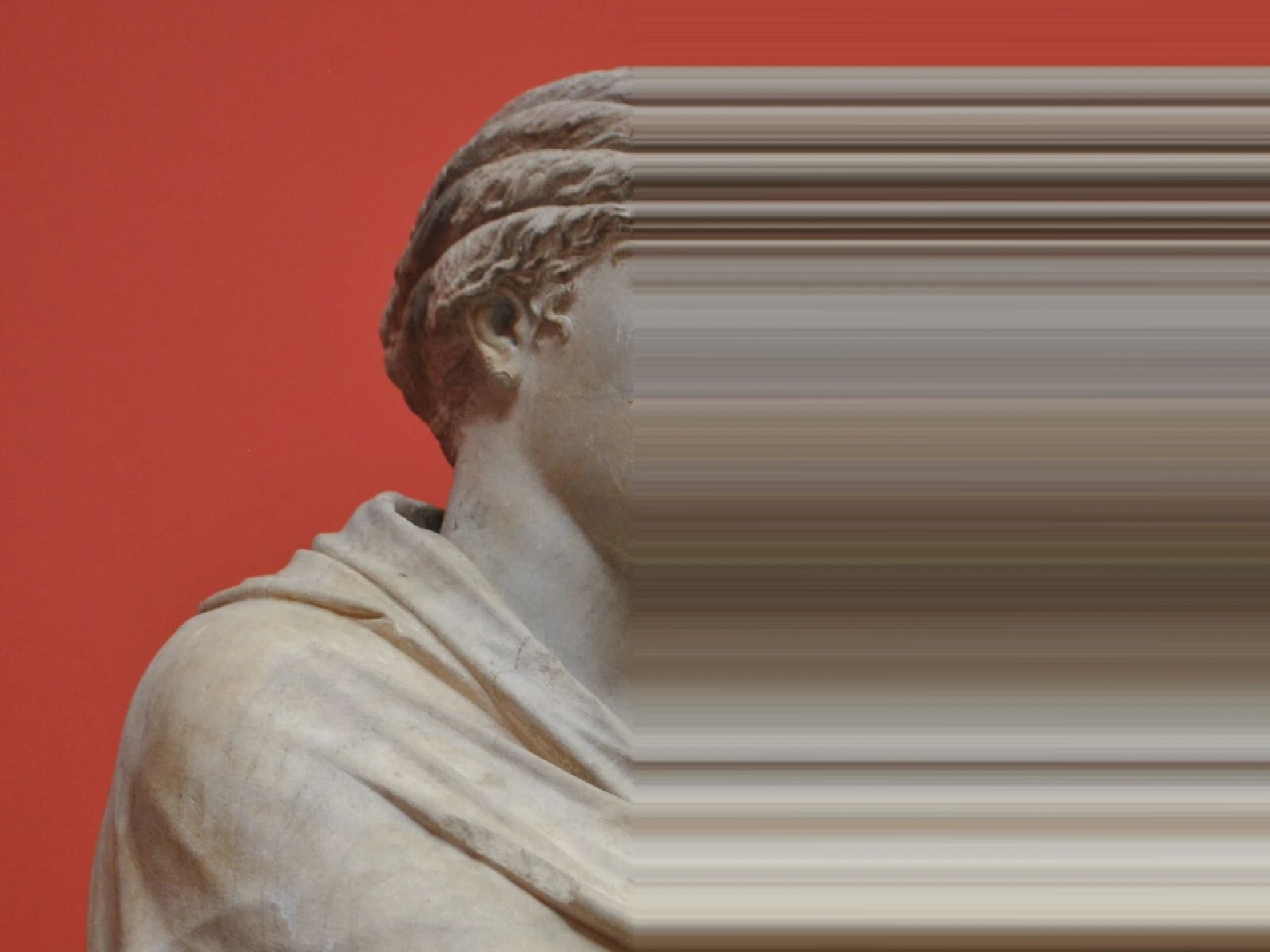
This effect samples a single row or column and repeats it across the frame, so a one-pixel slice becomes a full field. AXIS selects whether the stretch runs horizontally or vertically, FROM positions which slice is taken, and AMOUNT runs from 0 to 1 with a default of 0.7 to set how much of the frame the stretch replaces. Because it repeats rather than interpolating, in kott the result stays hard-edged and keeps the exact colours of the sampled line.
04/ FAQ
- What is a pixel stretch effect?
- A pixel stretch samples one row or column of an image and repeats it across the frame, turning a single slice into a field of colour while keeping that slice's exact values.
- What does the FROM control do?
- It selects which row or column gets sampled. Because the whole result comes from that one slice, moving FROM changes the output completely rather than adjusting it.
- Is there an optical equivalent of pixel stretching?
- No. No lens or film can take one line of an image and extend it across the frame. It is a purely digital operation, which is part of why it reads as deliberate.