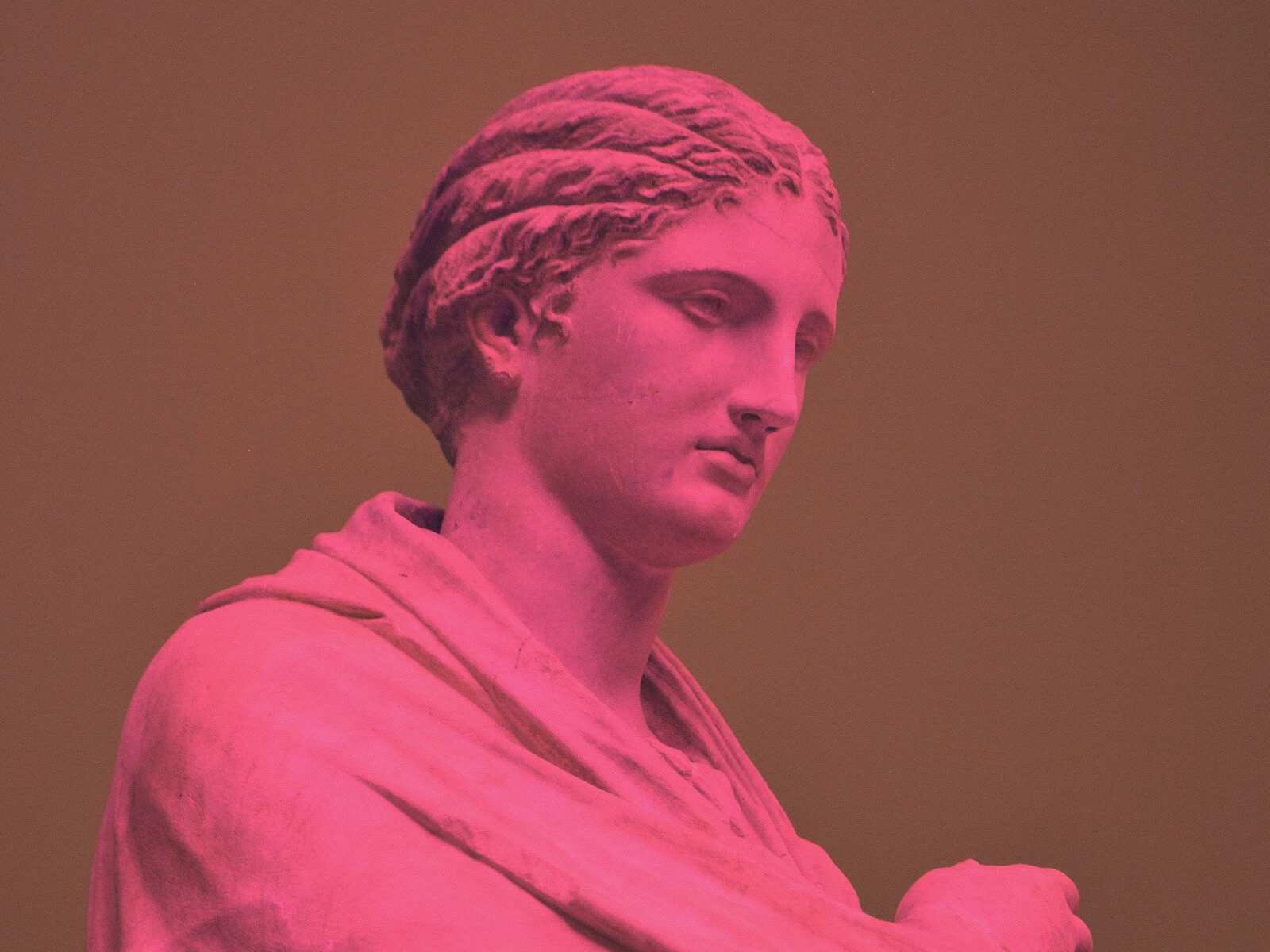
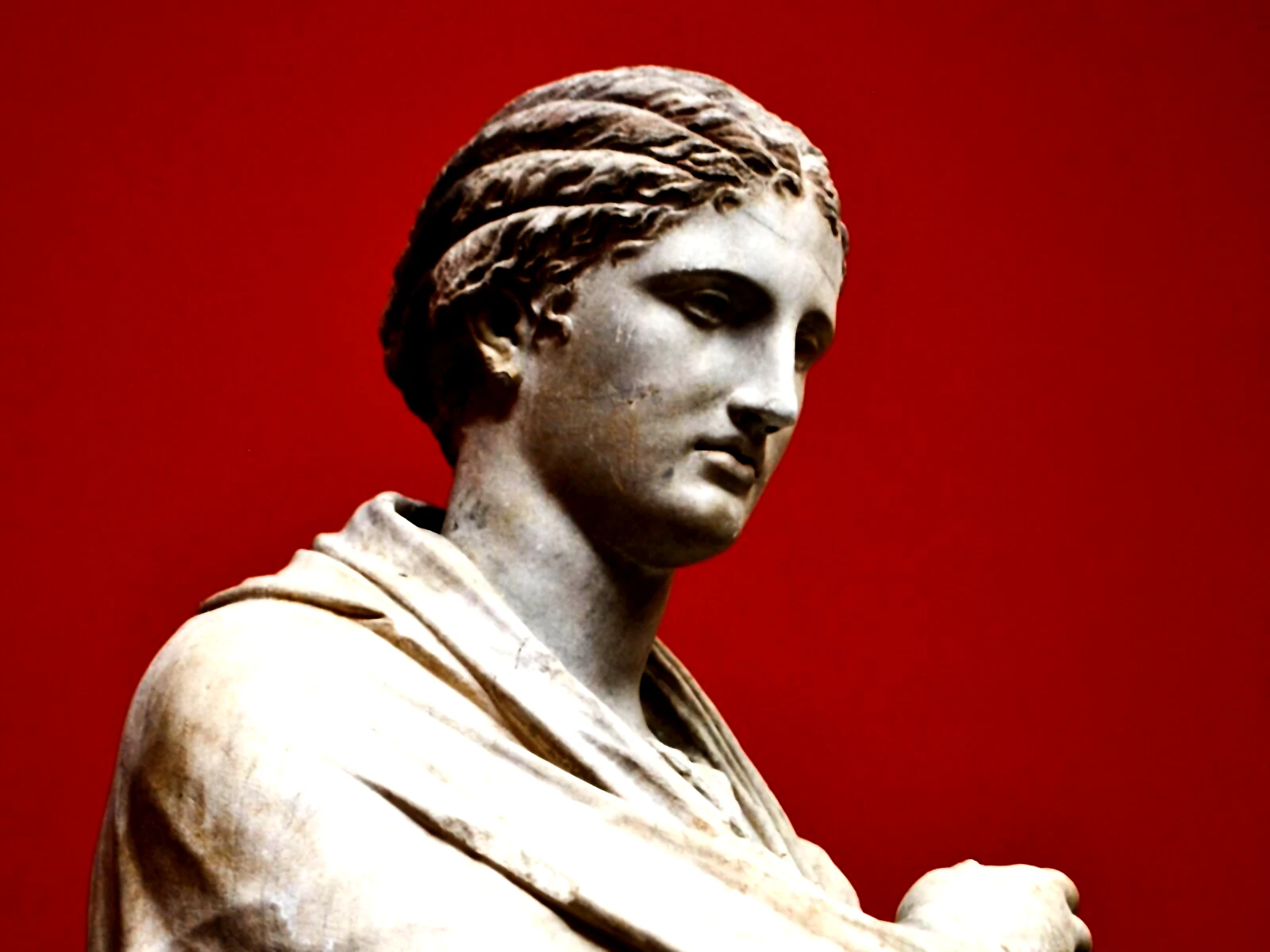
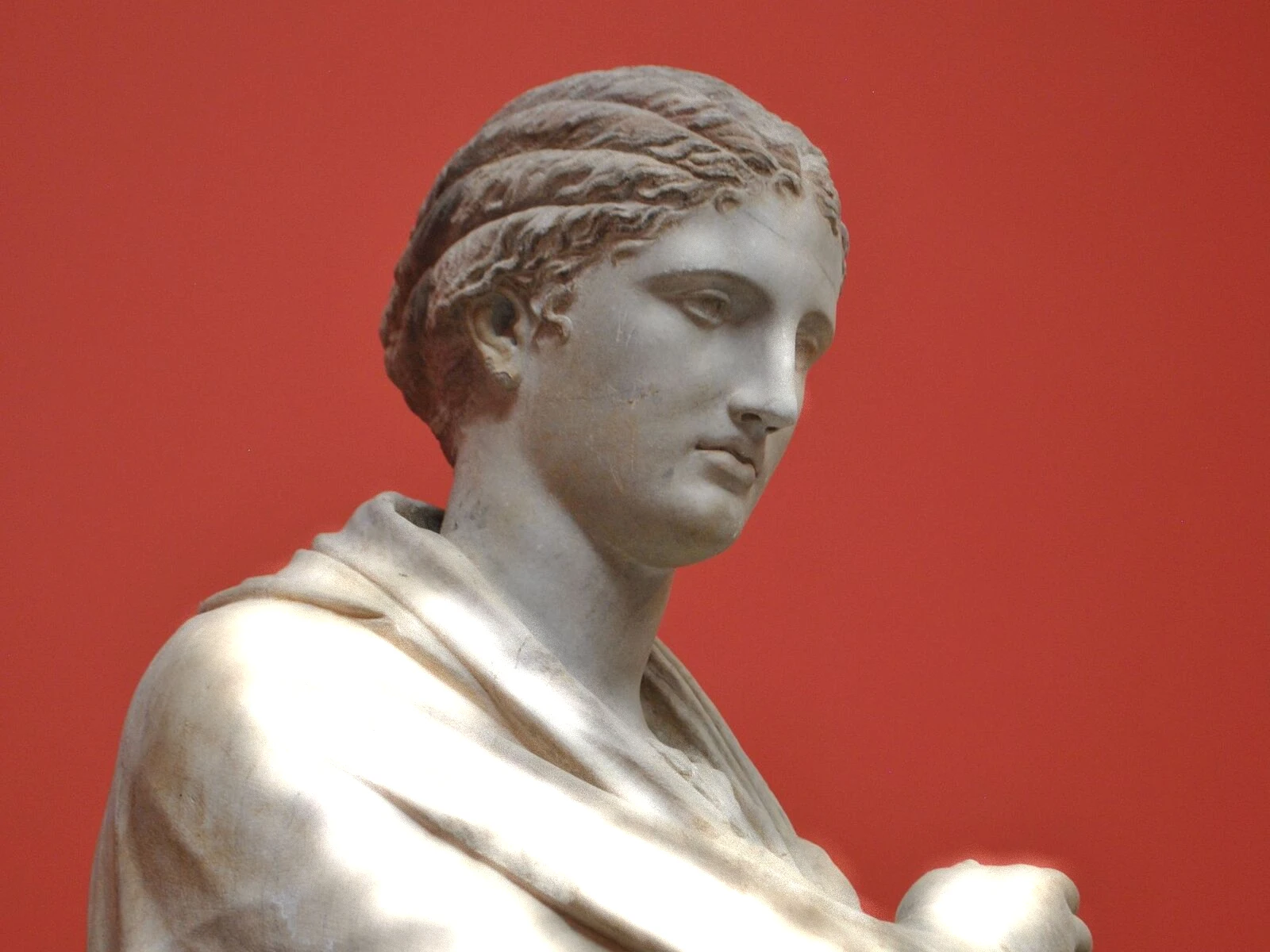
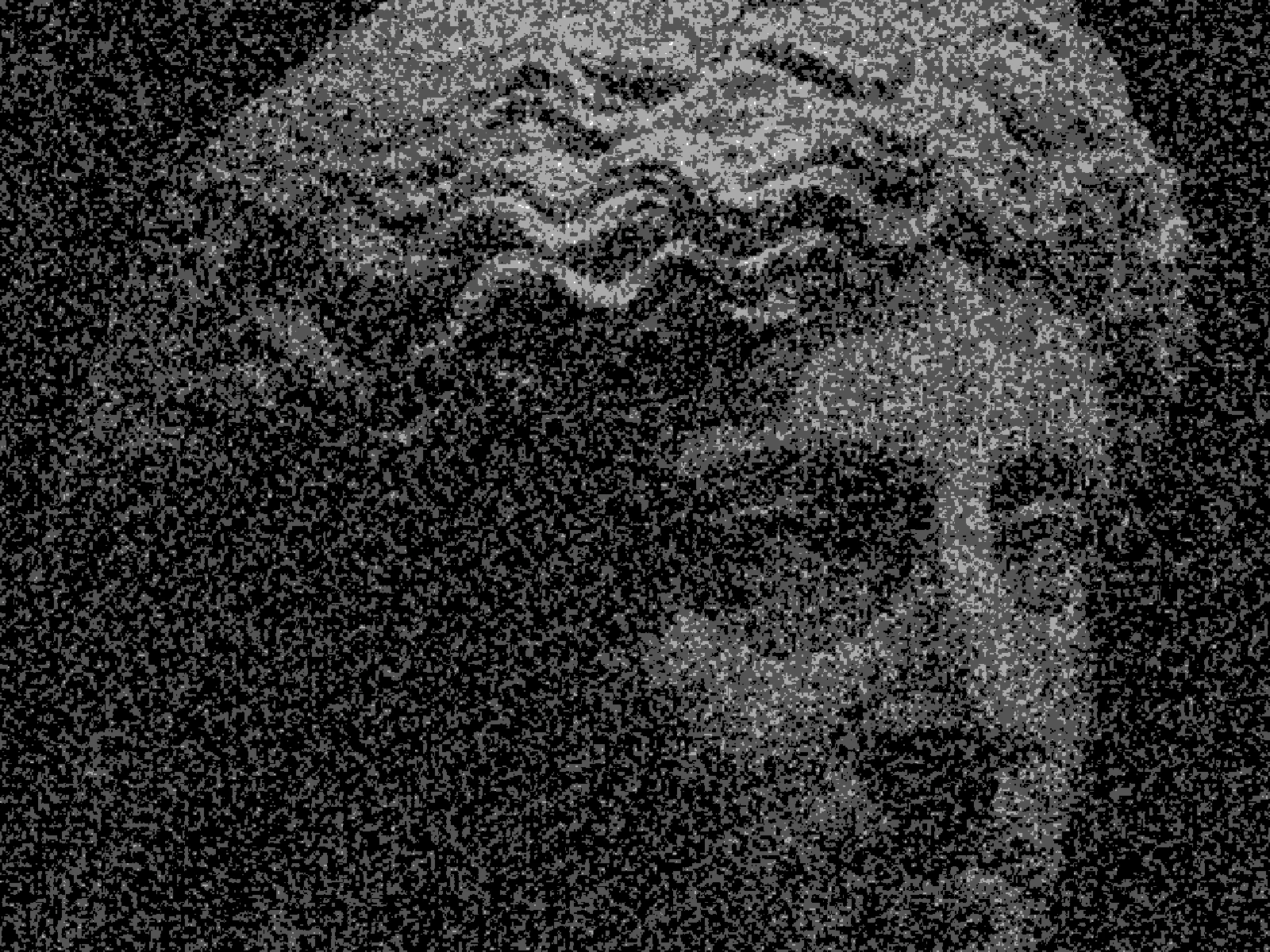
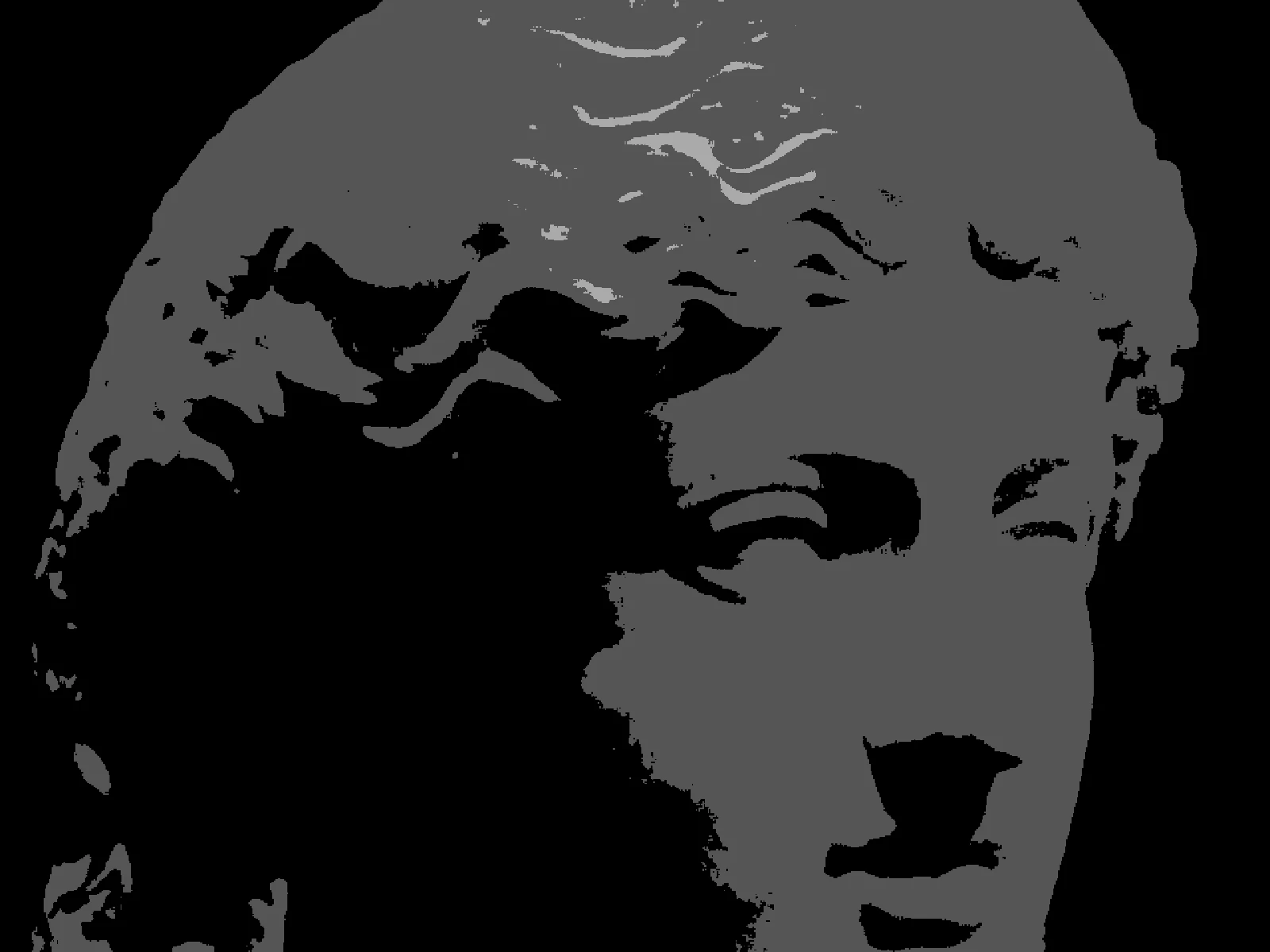
anaglyph 3d effect
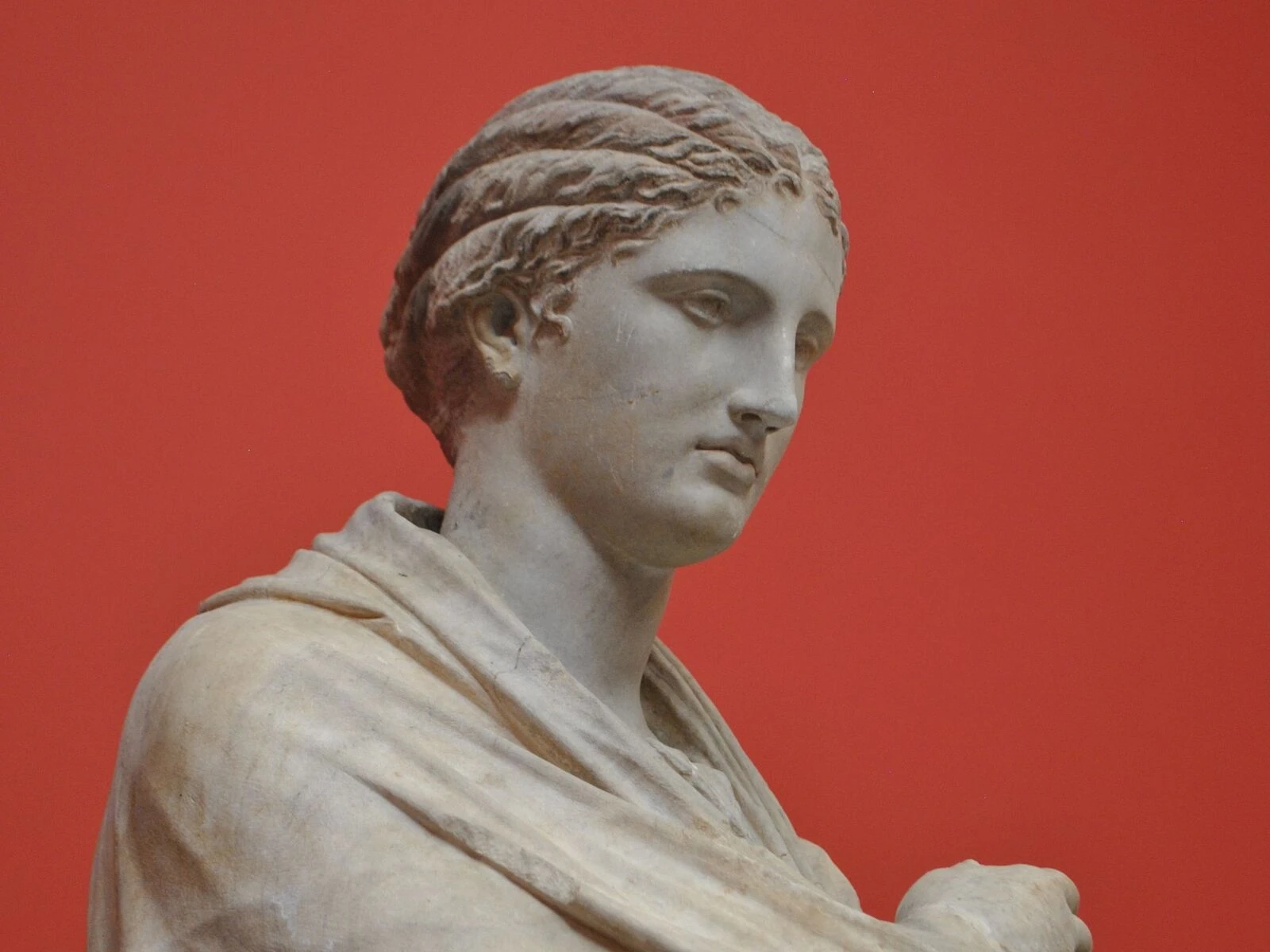
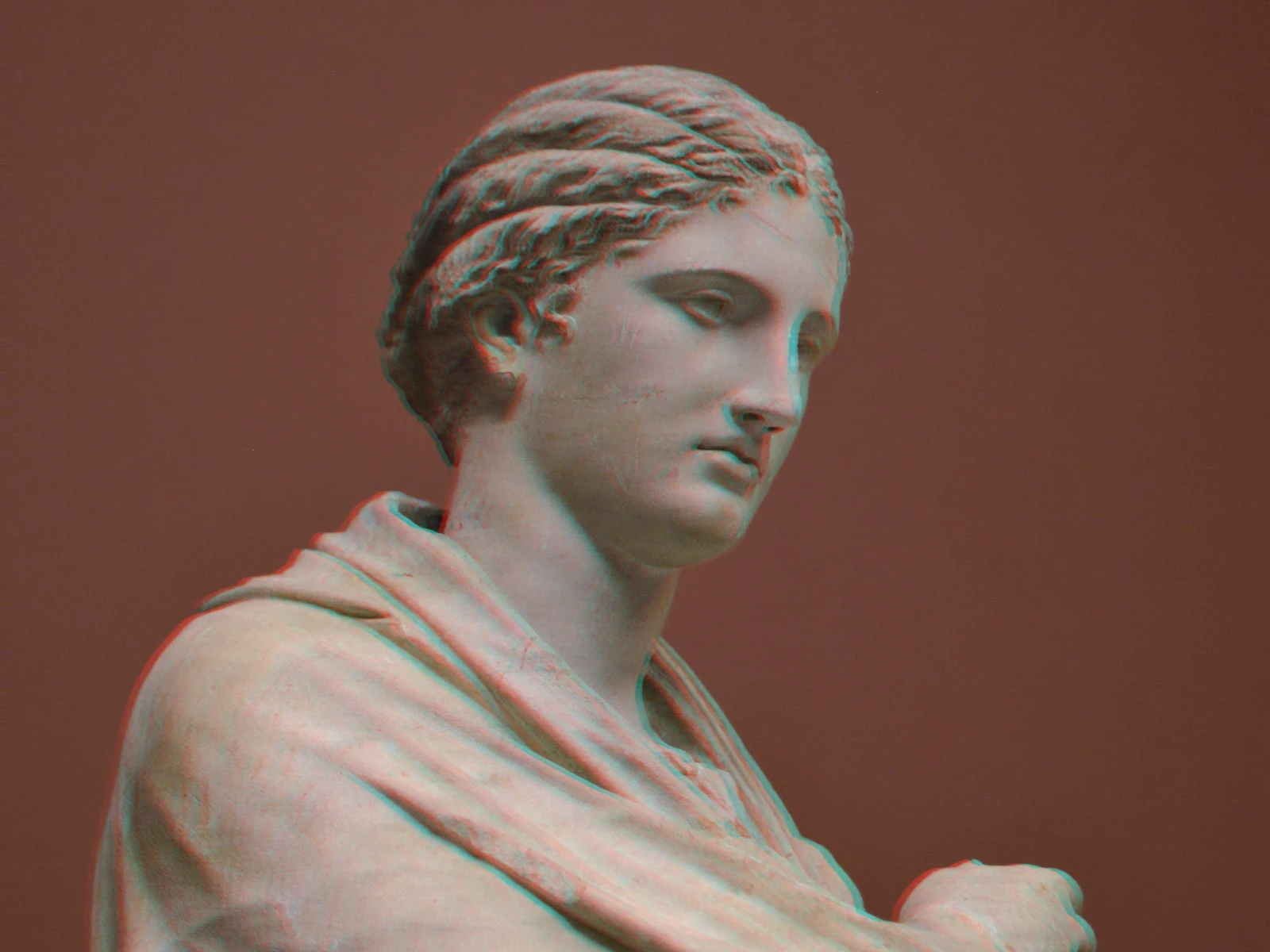 SourceEffect
01/ ORIGIN
Wilhelm Rollmann described the anaglyph in 1853, decades before cinema: encode two viewpoints in two colours on one surface, then give each eye a filter that blocks the other. It has been revived roughly every generation, in Victorian print, in 1950s film, in comics, in cereal boxes, always for the same reason. It needs no special screen and no synchronisation, only two inks and a pair of glasses that cost almost nothing to make.
02/ SWEEP
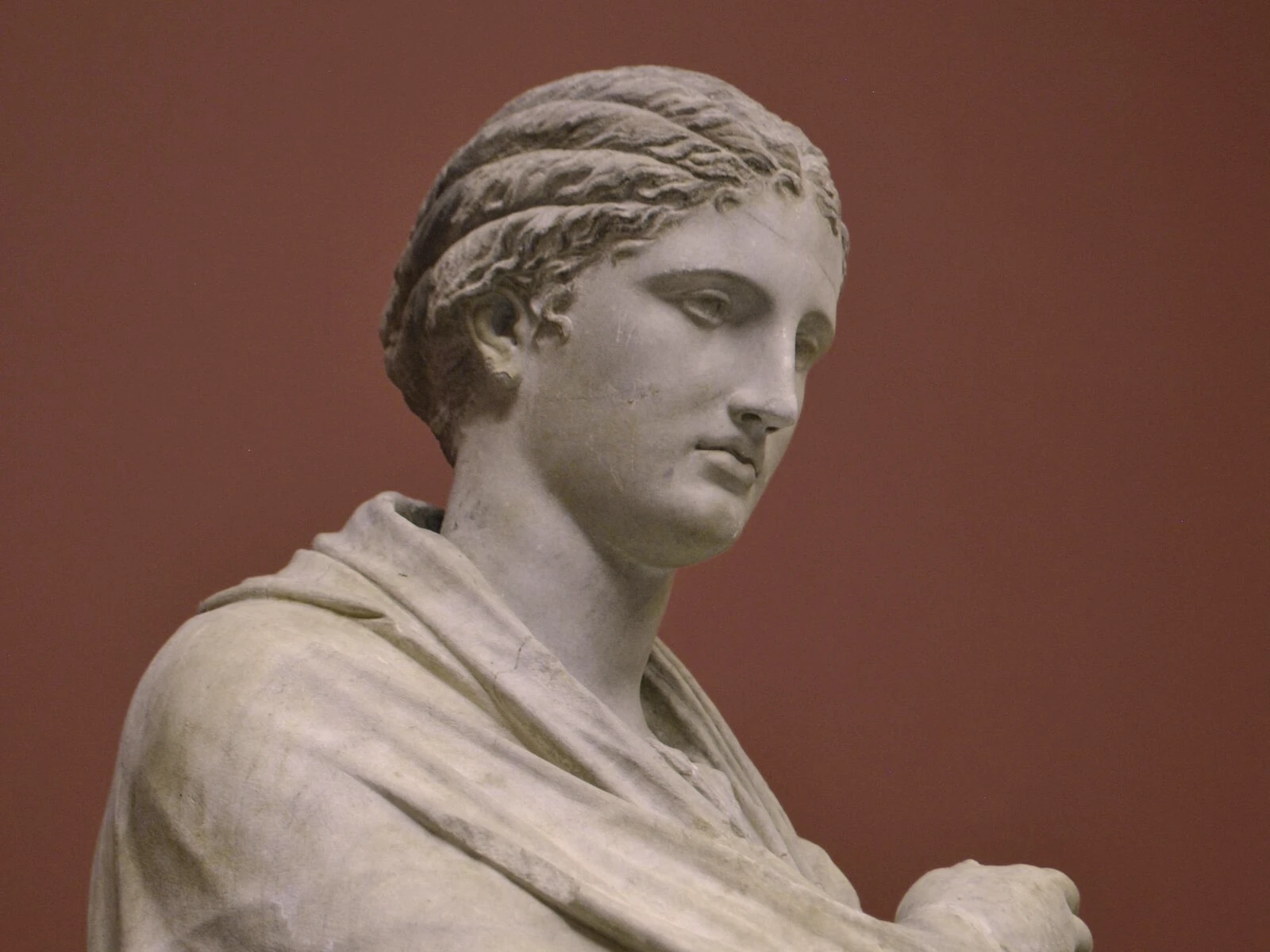
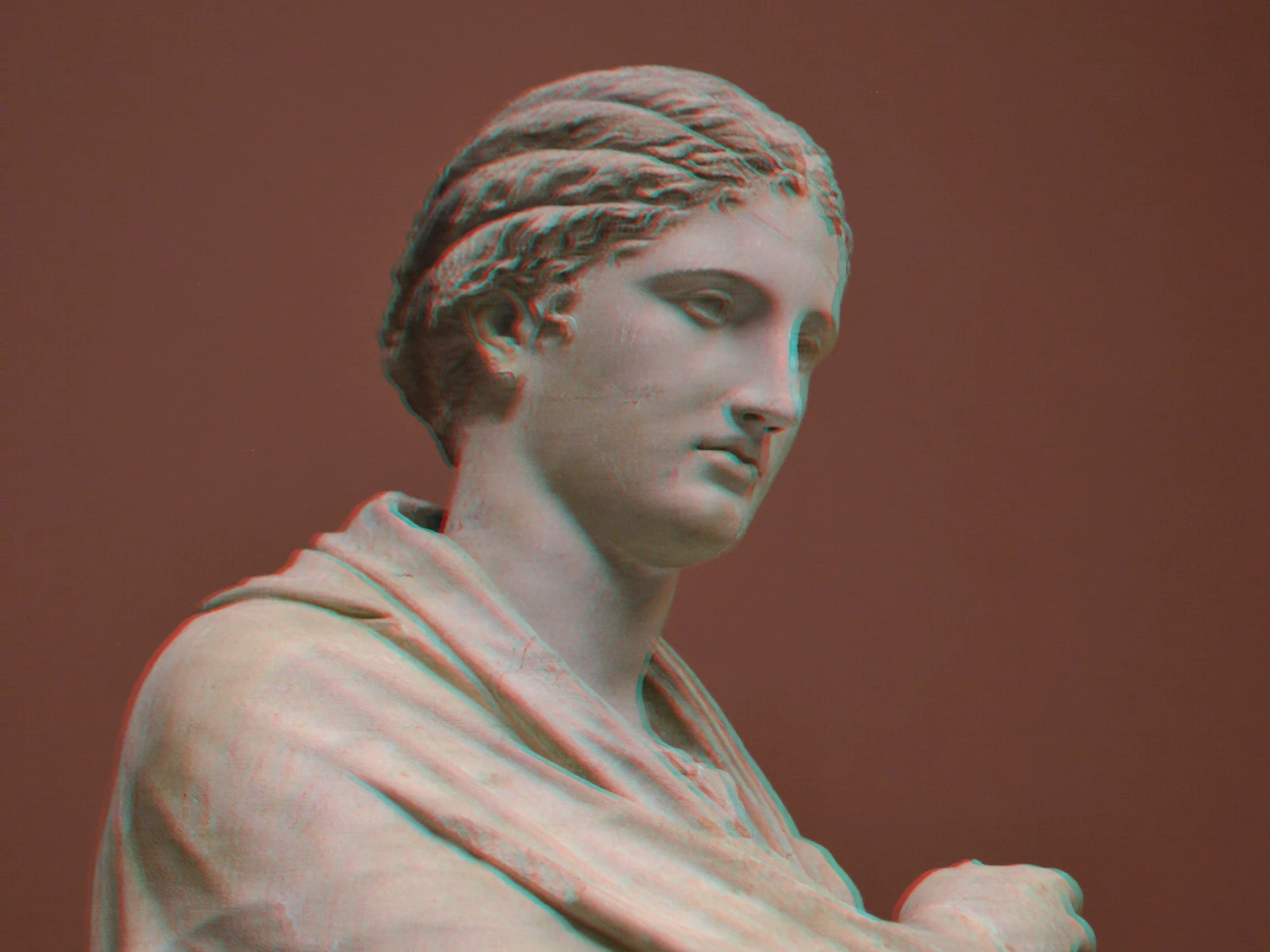
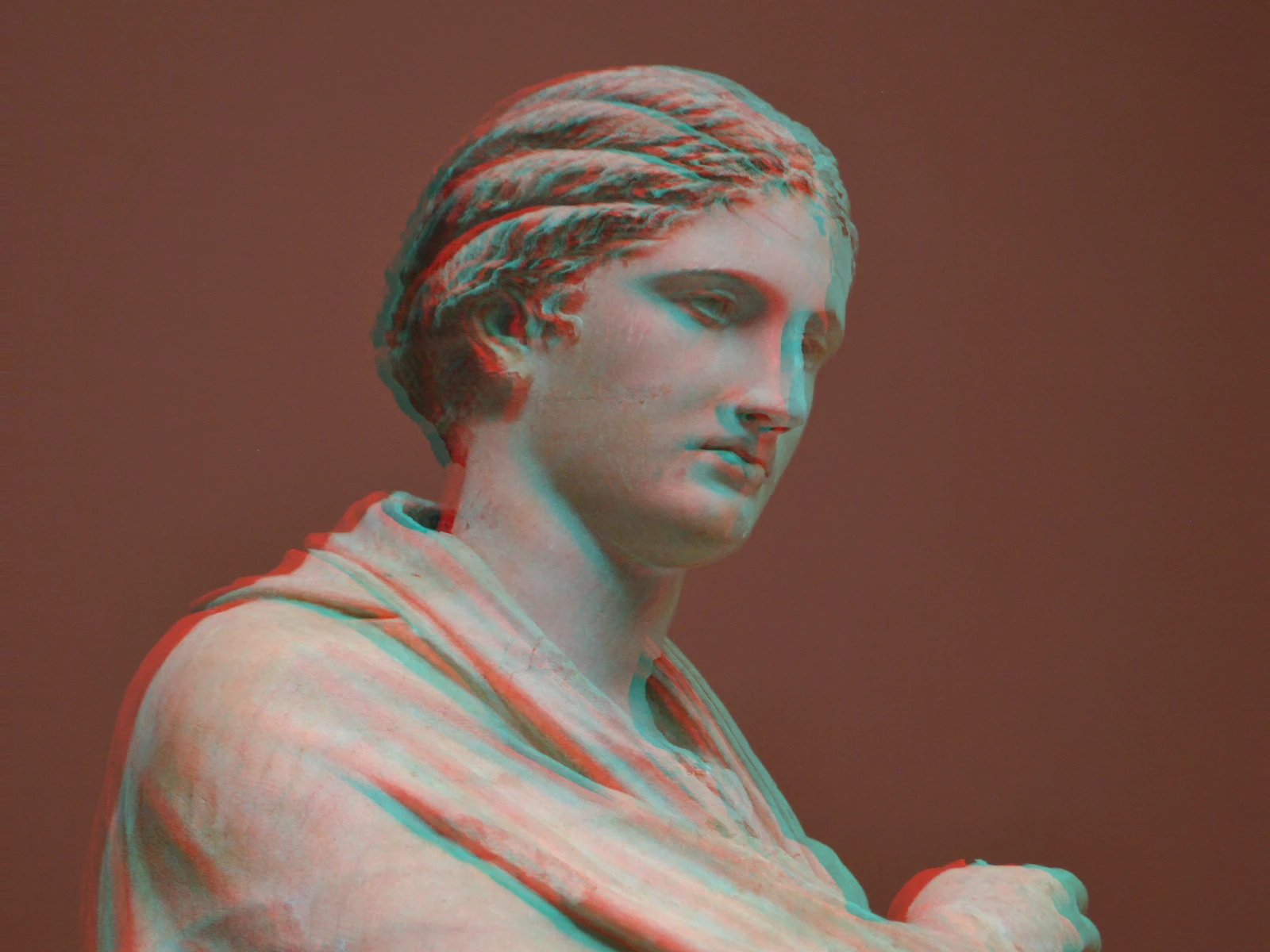
SEPARATION sweep
03/ SPEC
This effect displaces the red channel against the cyan channels horizontally, encoding a synthetic stereo pair into one image that resolves as depth through red-cyan glasses. SEPARATION runs from 0 to 1 with a default of 0.4 and sets the horizontal offset, which corresponds to interocular disparity: at 0 the channels are aligned and the image is normal, and high values produce depth that is uncomfortable to view. Because the effect works on a flat source it fakes a single global disparity rather than a true depth map. In kott it renders in natural colour, which this effect requires to function at all.
04/ FAQ
- What is an anaglyph 3D effect?
- An anaglyph effect offsets the red channel against the cyan channels so that red-cyan glasses deliver a different image to each eye, which the brain fuses as depth.
- Do I need glasses to see the effect?
- To see depth, yes: red-cyan glasses are what separate the two views. Without them the image reads as coloured fringing, which is why the effect looks like a mistake unaided.
- Why does high SEPARATION feel uncomfortable?
- The offset corresponds to how far apart your eyes are. Push it past natural disparity and the two views stop fusing easily, which the visual system registers as strain.