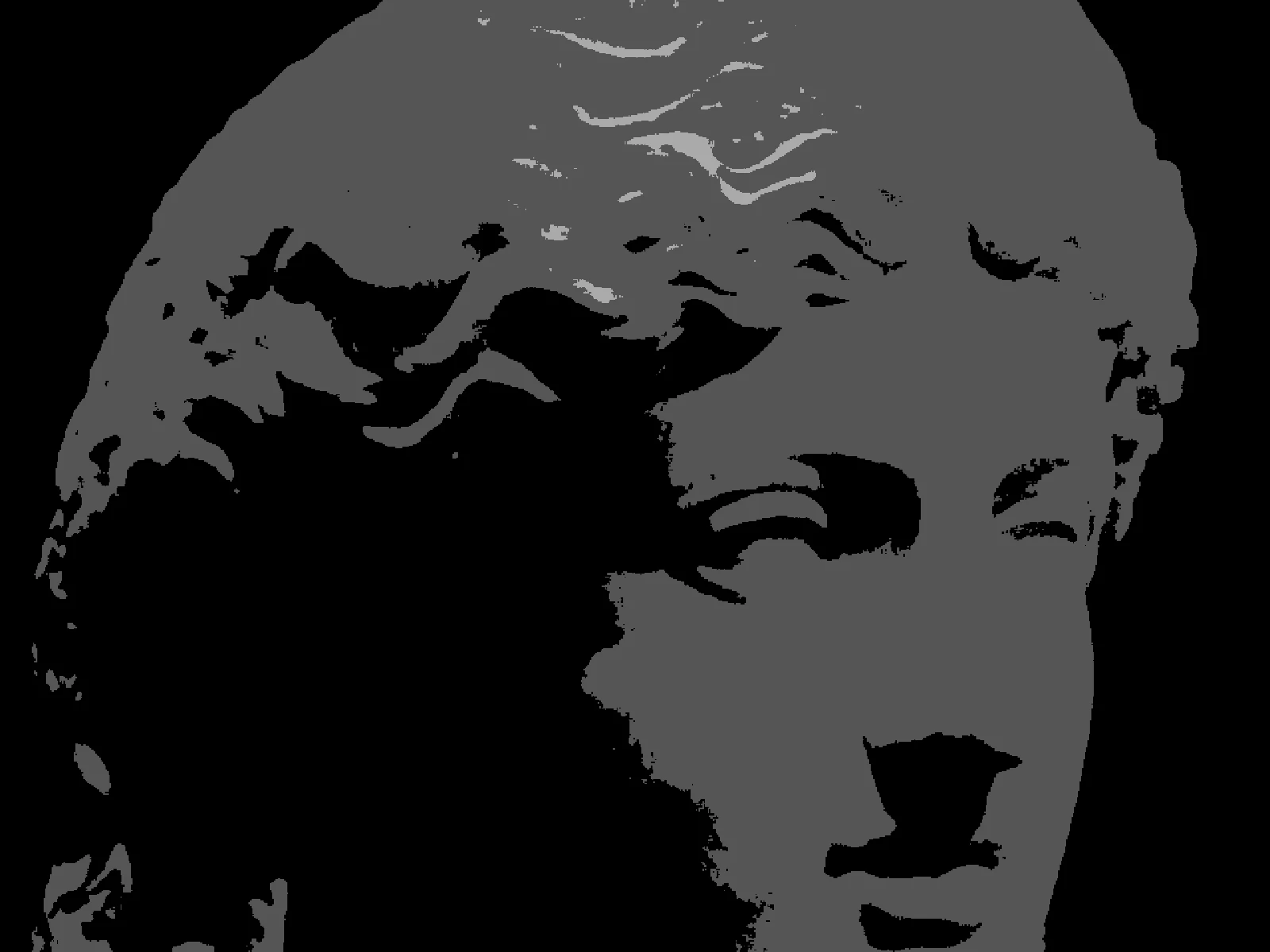
film grain effect

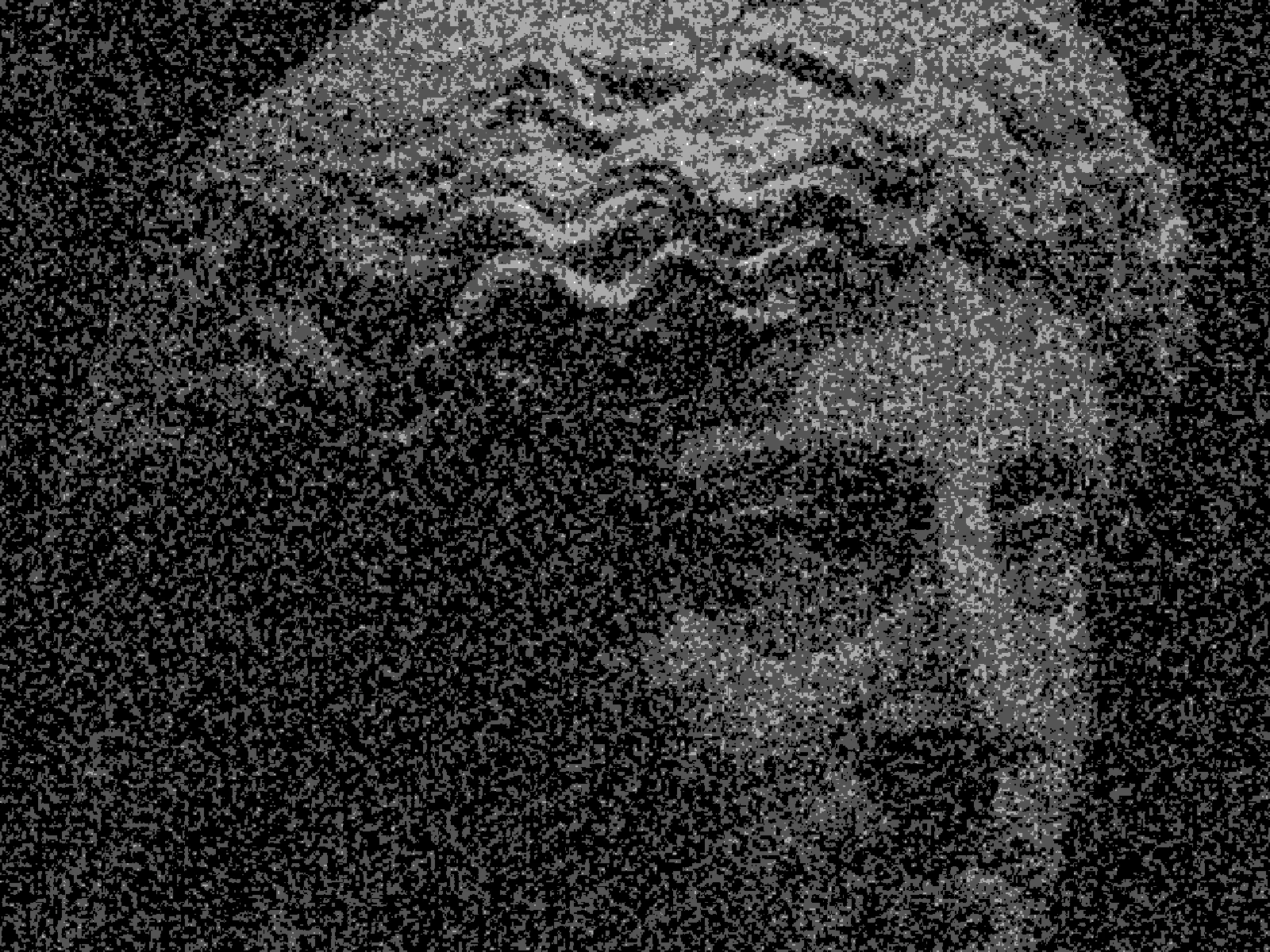 SourceEffect
01/ ORIGIN
Grain is not an effect but a material fact: film records light in crystals of silver halide, and the faster the film the larger those crystals are. Photographers who needed speed accepted grain, and some pushed film specifically to get more of it, since coarse grain reads as immediacy and reportage. Digital sensors removed the constraint entirely through the 2000s. What had been the unavoidable cost of a fast exposure became something people add back on purpose.
02/ SWEEP
AMOUNT sweep

03/ SPEC
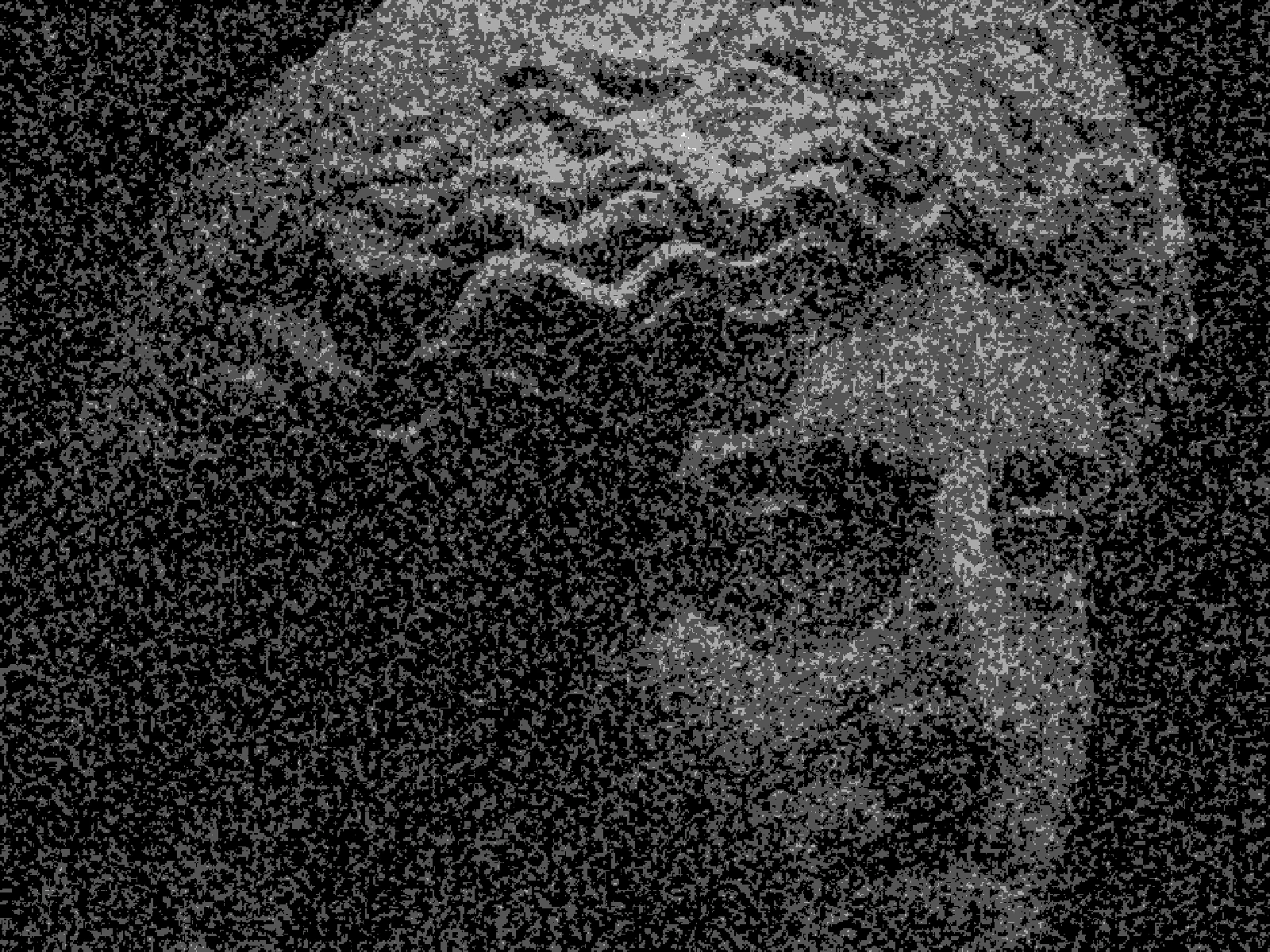
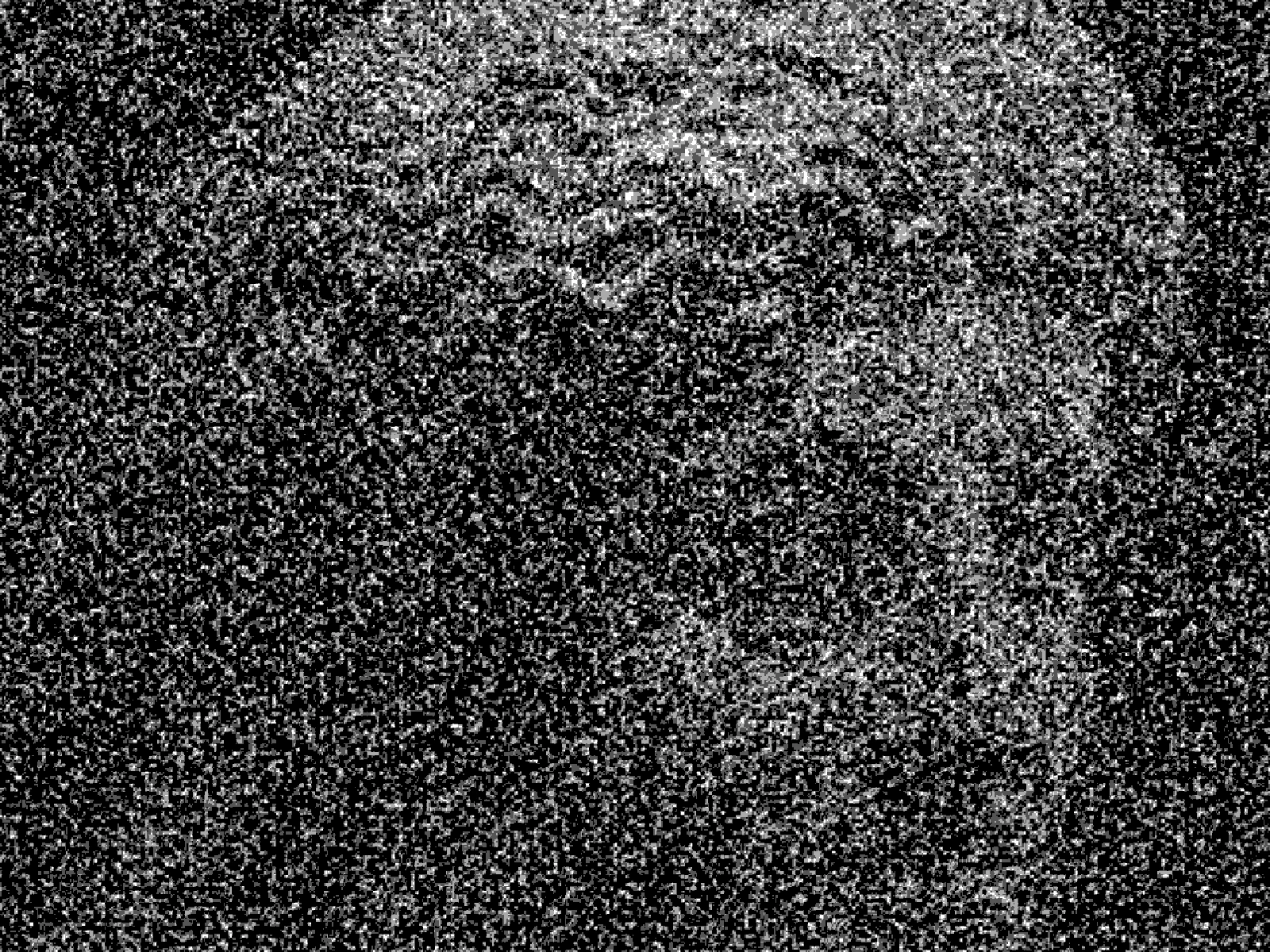
This effect overlays procedurally generated grain rather than a tiled noise texture, so the pattern never repeats across a large export. AMOUNT sets grain visibility from 0 to 1 with a default of 0.5, and at 0 the frame passes through untouched. GRAIN sets the grain cell size from 1 to 8 pixels, which is what separates fine 35mm texture from the coarse look of a pushed high-speed stock. CONTRAST is an advanced refinement shaping tone before the grain lands. In kott the grain is computed per pixel at export resolution, so a large export carries proportionally finer grain than the preview did.
04/ FAQ
- What is a film grain effect?
- A film grain effect adds the random texture photographic film produces because it records light in silver crystals. It reintroduces a material quality digital sensors do not have.
- What GRAIN size matches 35mm film?
- Keep GRAIN at 1 or 2 for a fine 35mm look on a large export. Higher values read as a pushed high-speed stock, or as a much smaller original negative.
- Does film grain hide compression artifacts?
- It can mask mild banding by breaking flat areas into texture, but it also makes an image harder to compress, so file sizes rise. Add grain last, after any other tonal work.