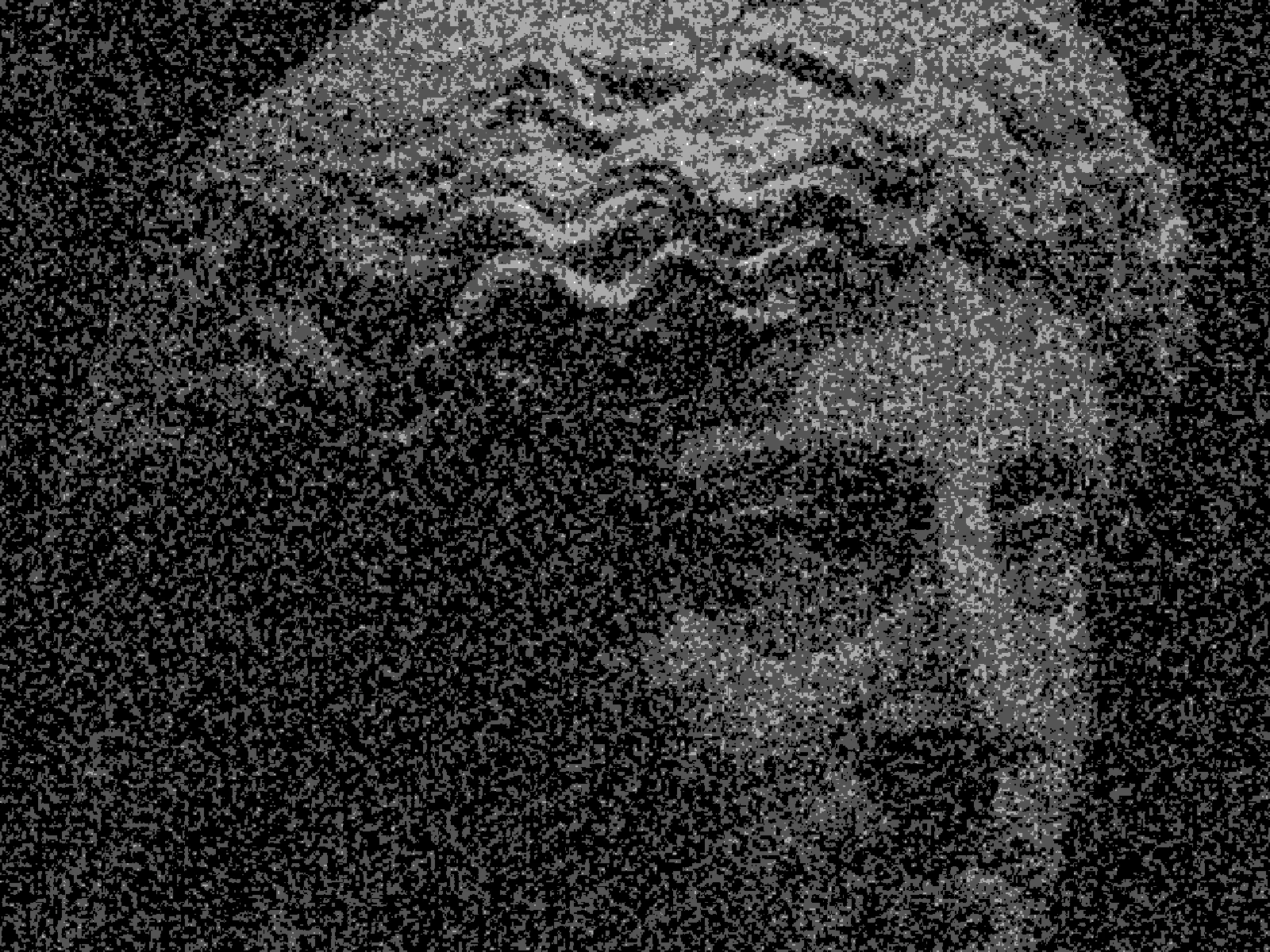
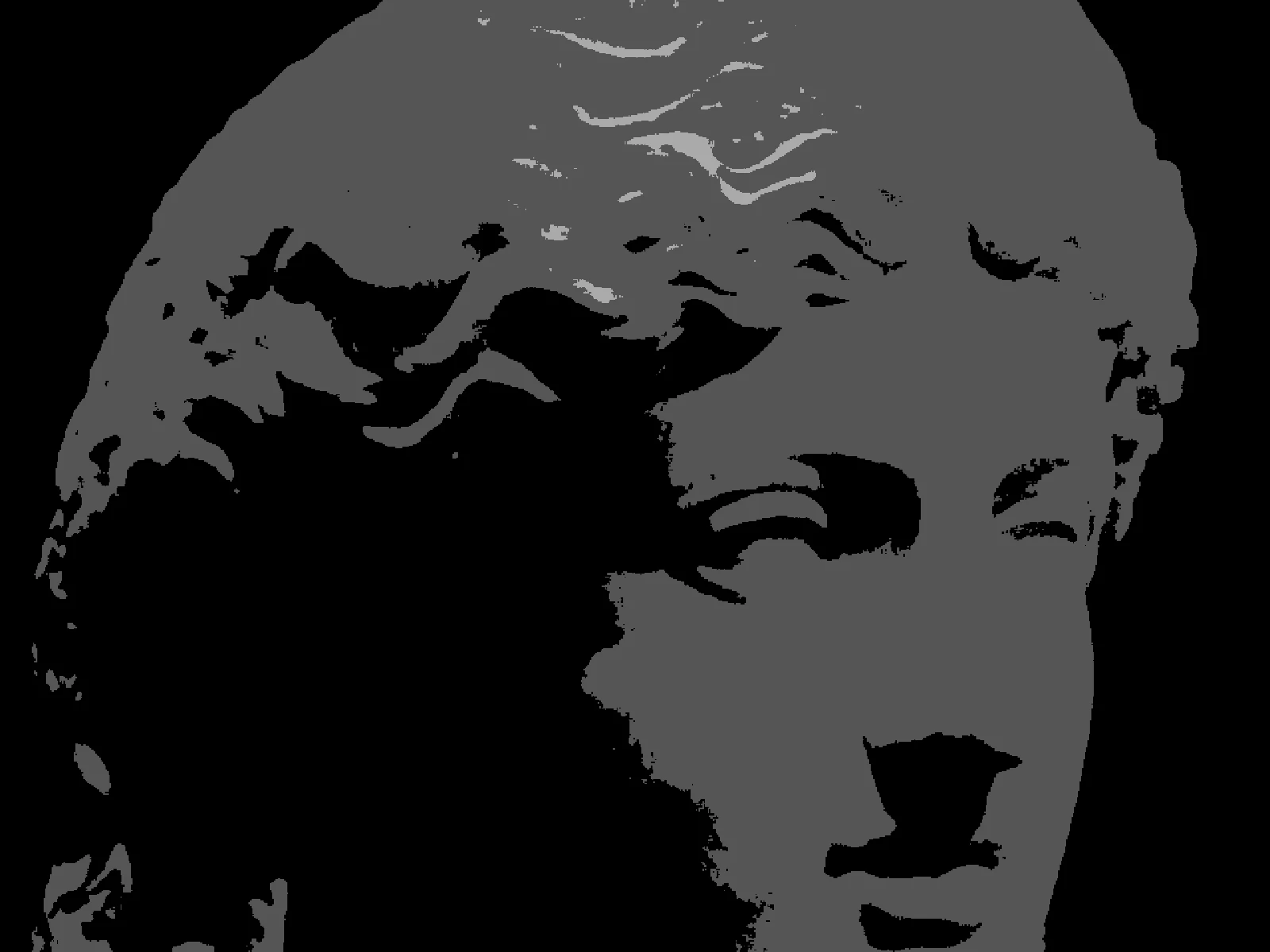
depth of field effect

 SourceEffect
01/ ORIGIN
A lens focuses one plane sharply; anything off that plane images as a disc rather than a point, and the size of that disc, the circle of confusion, is what we call being out of focus. How much lies within acceptable sharpness depends on aperture, and photographers have traded light for depth since the beginning. The Japanese word boke, describing the quality rather than the quantity of that blur, entered English photography vocabulary in the 1990s.
02/ SWEEP
FOCUS sweep



03/ SPEC
This effect blurs the image by distance from a chosen focal band, imitating a lens's single plane of sharp focus rather than masking a region. FOCUS runs from 0 to 1 with a default of 0.5 and positions that band within the frame's tonal or spatial range, deciding what stays sharp. STRENGTH scales how quickly sharpness falls away, and MAX BLUR is an advanced ceiling on the disc size. Because a still photograph carries no true depth information, in kott this infers the falloff rather than measuring it.
04/ FAQ
- What is a depth of field effect?
- A depth of field effect keeps one plane sharp and blurs everything at other distances, imitating how a lens images off-plane points as discs rather than points.
- What is bokeh?
- Bokeh describes the quality of out-of-focus rendering rather than its quantity, from the Japanese boke. It refers to how a lens shapes those discs, not to how blurred the background is.
- Can depth of field be added convincingly after the fact?
- Only approximately. A photograph carries no depth information, so the effect infers a falloff from the image itself and cannot know what was actually near or far.