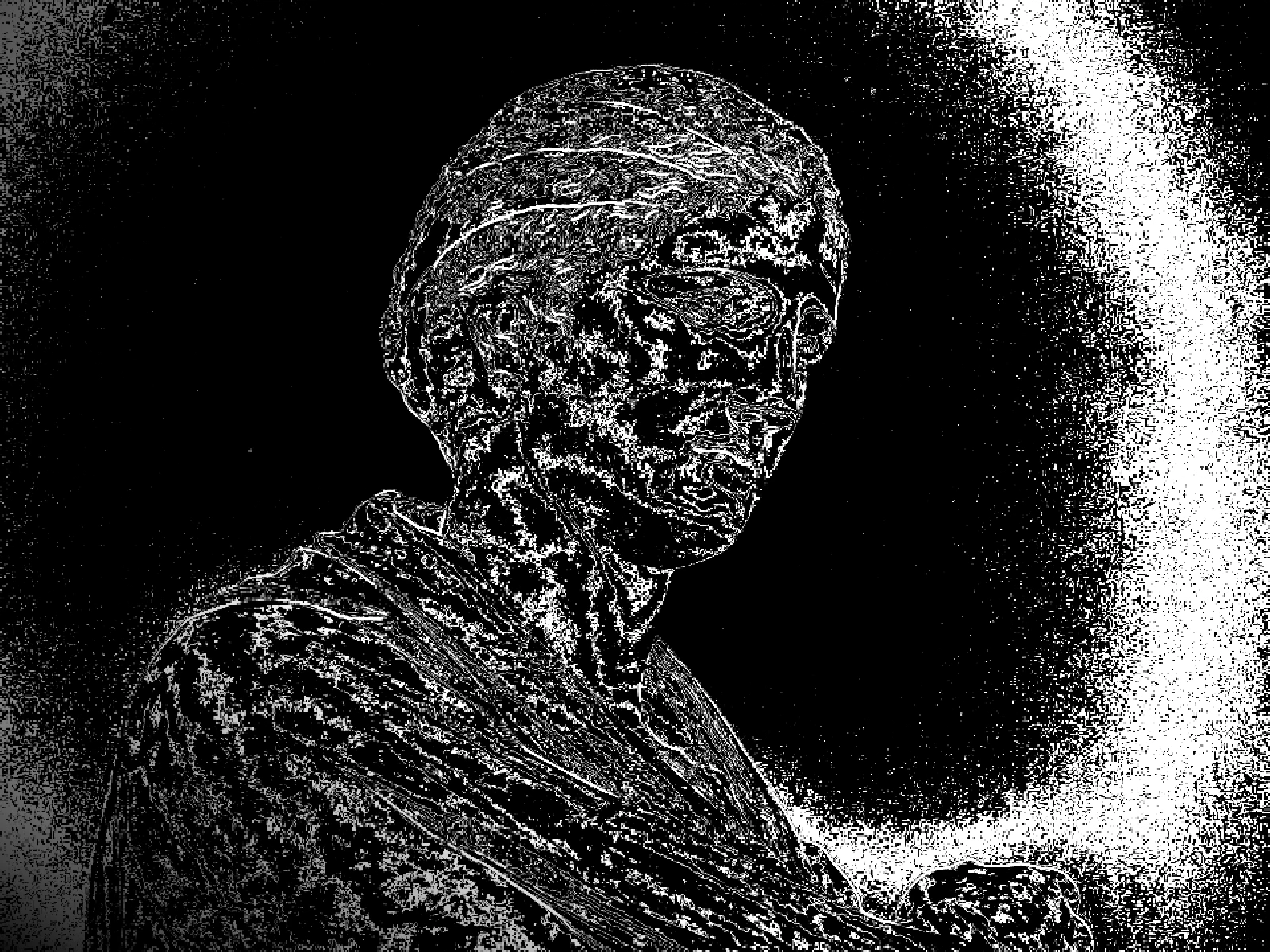
emboss effect

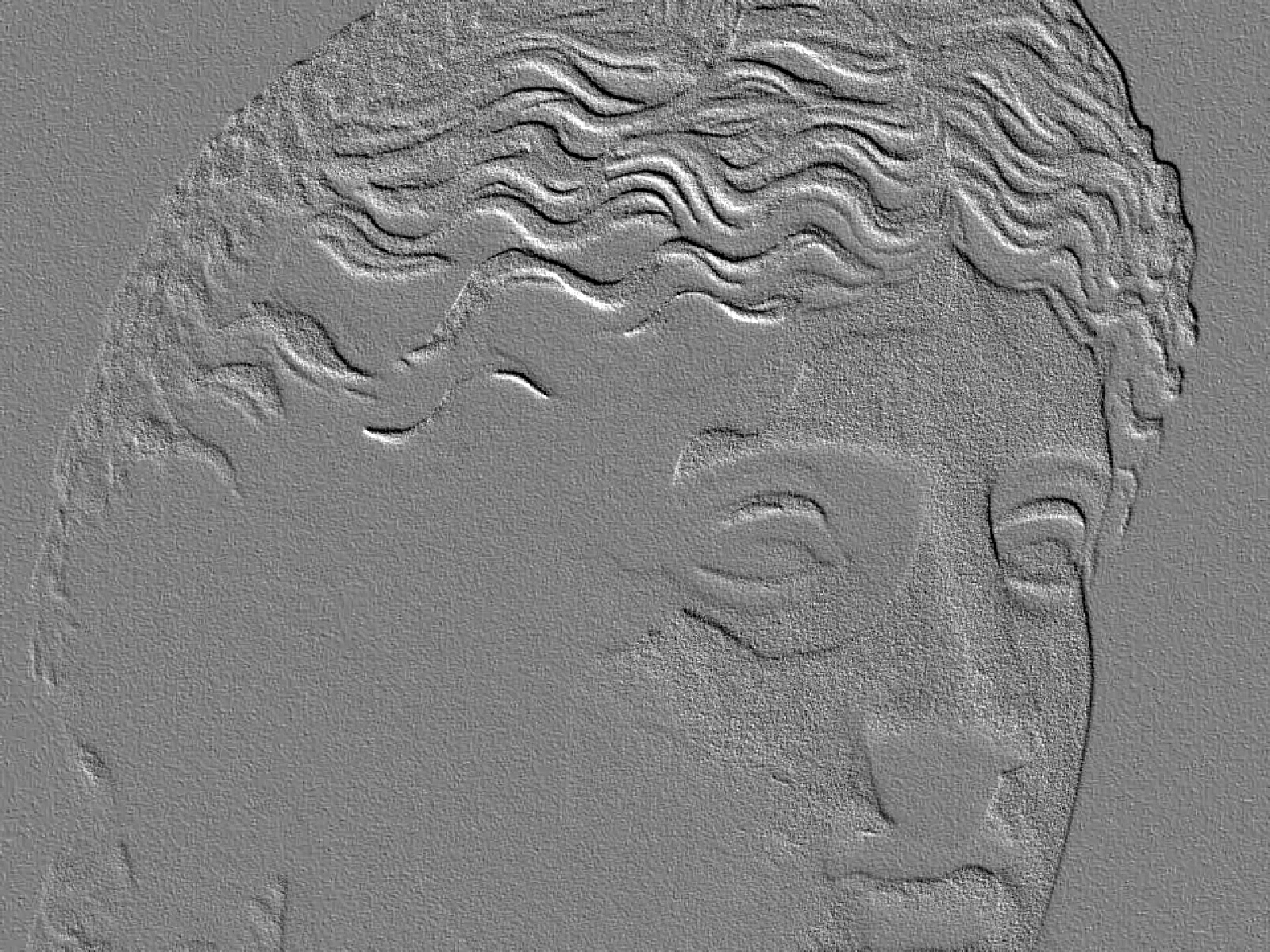 SourceEffect
01/ ORIGIN
Blind embossing is old printing craft: paper pressed between a die and a counter-die to raise an image with no ink at all, readable only because a raised surface catches light on one side and shadows on the other. Bookbinders and stationers have used it for centuries on covers and letterheads. The digital filter reproduces the reading rather than the process, computing what a single raking light would do to a relief inferred from image brightness.
02/ SWEEP
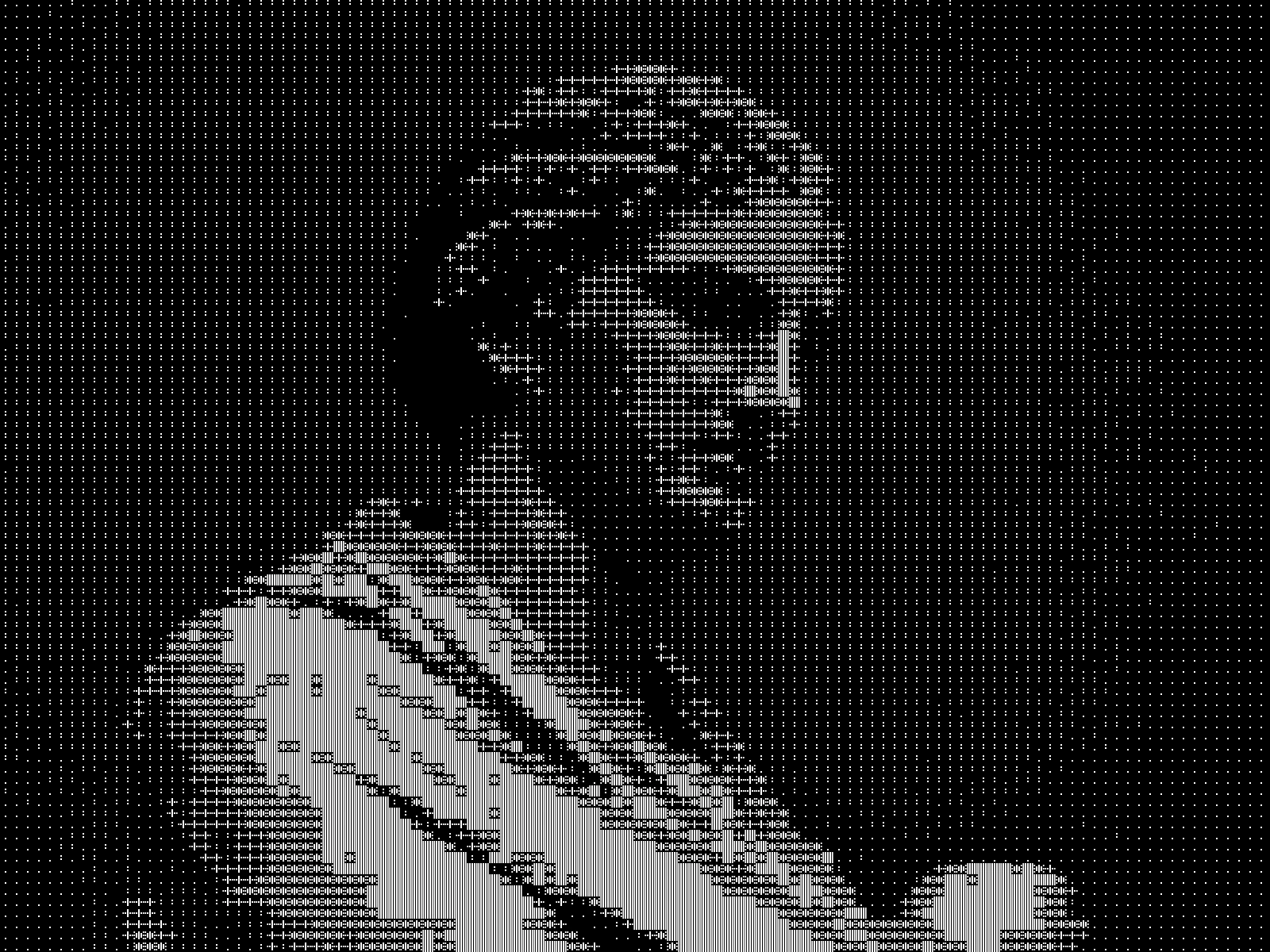
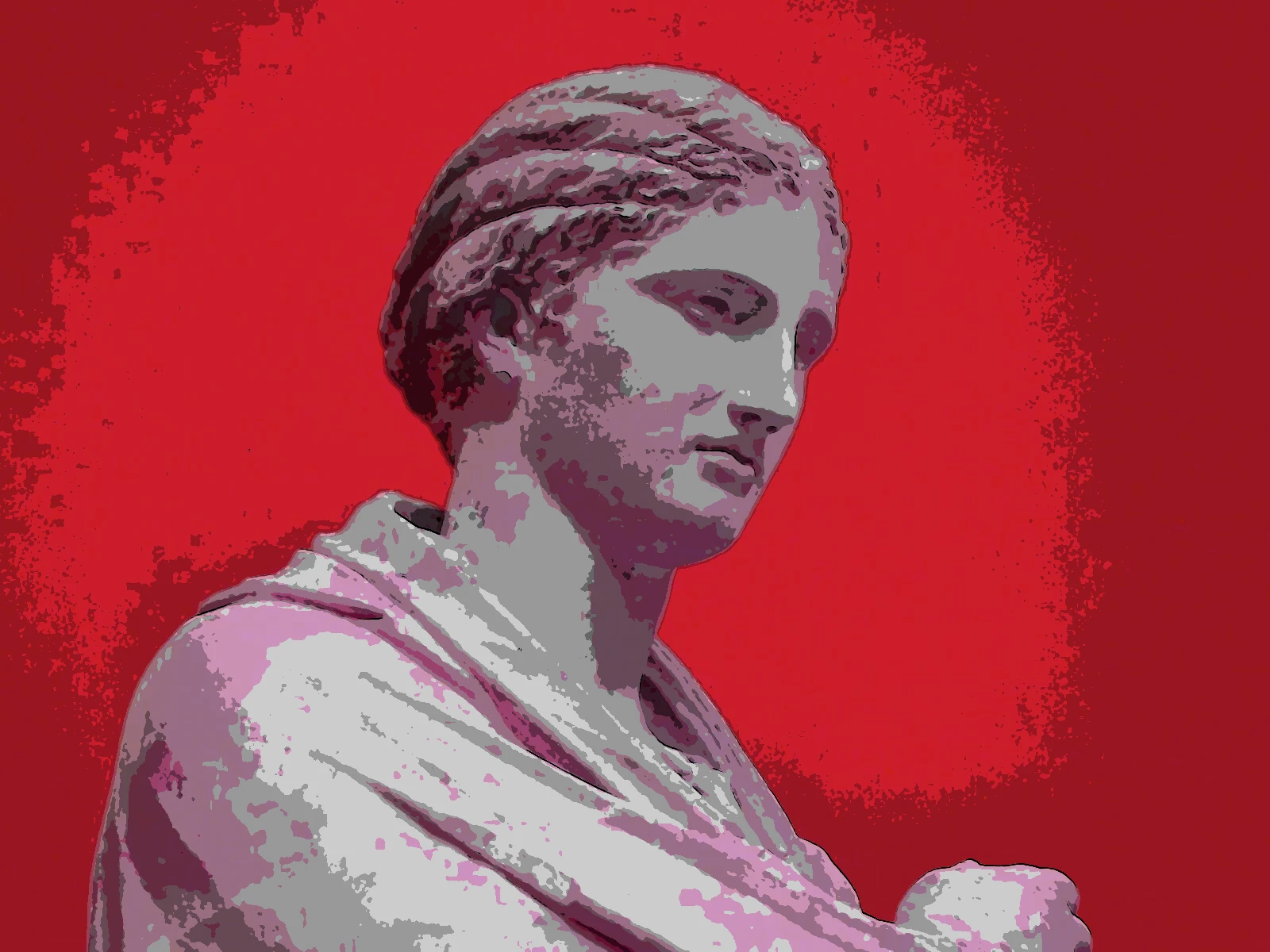
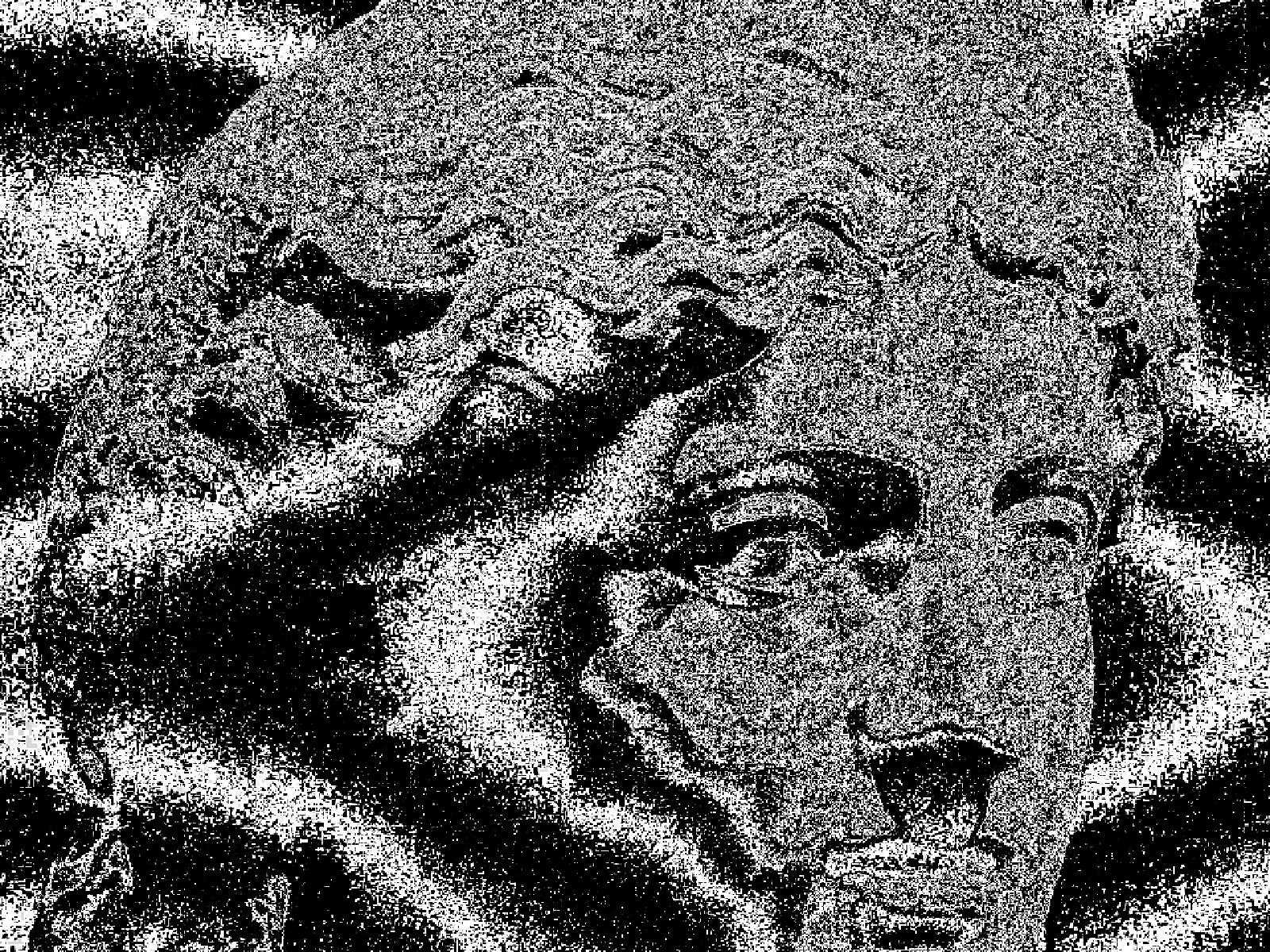
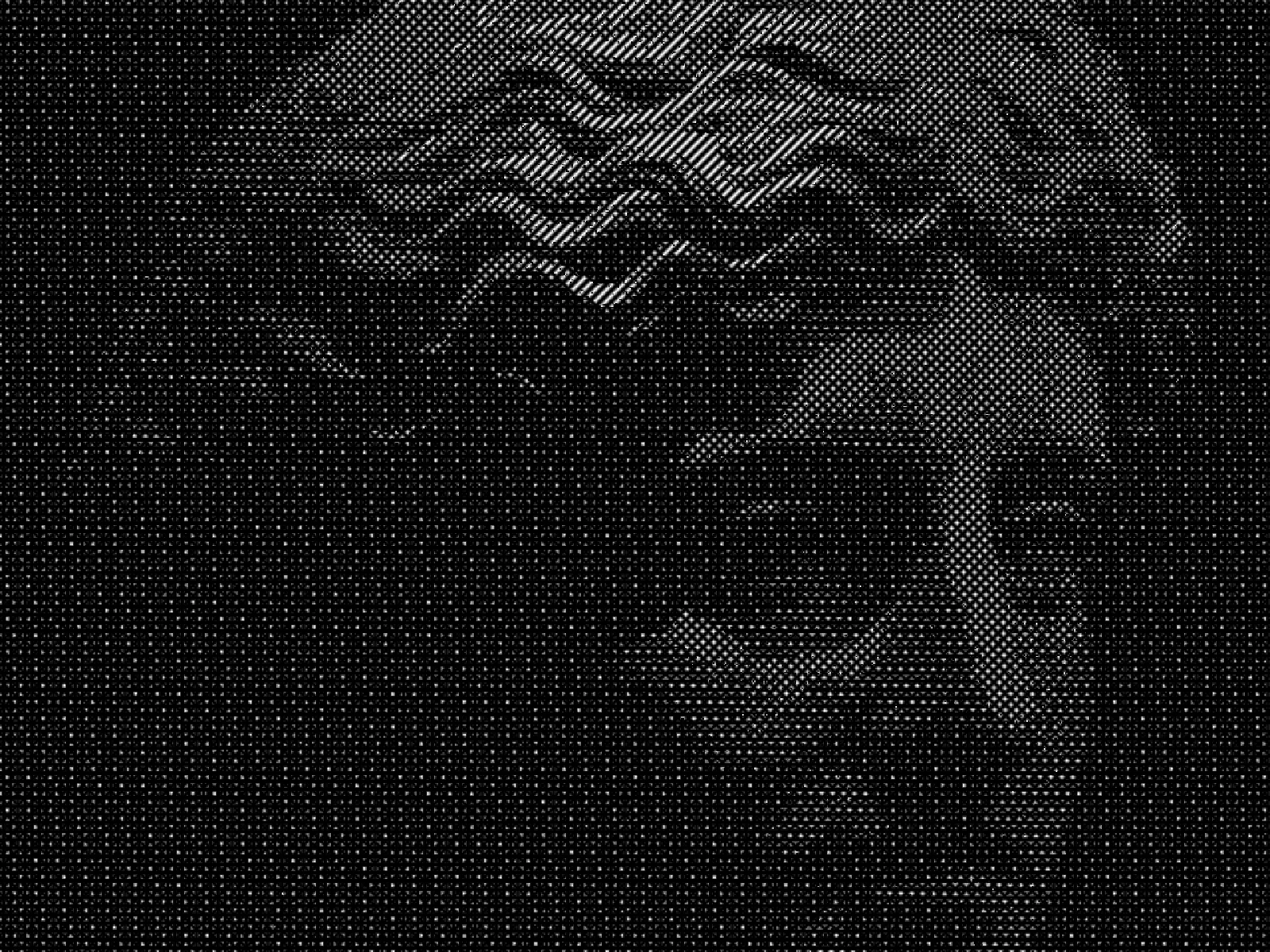
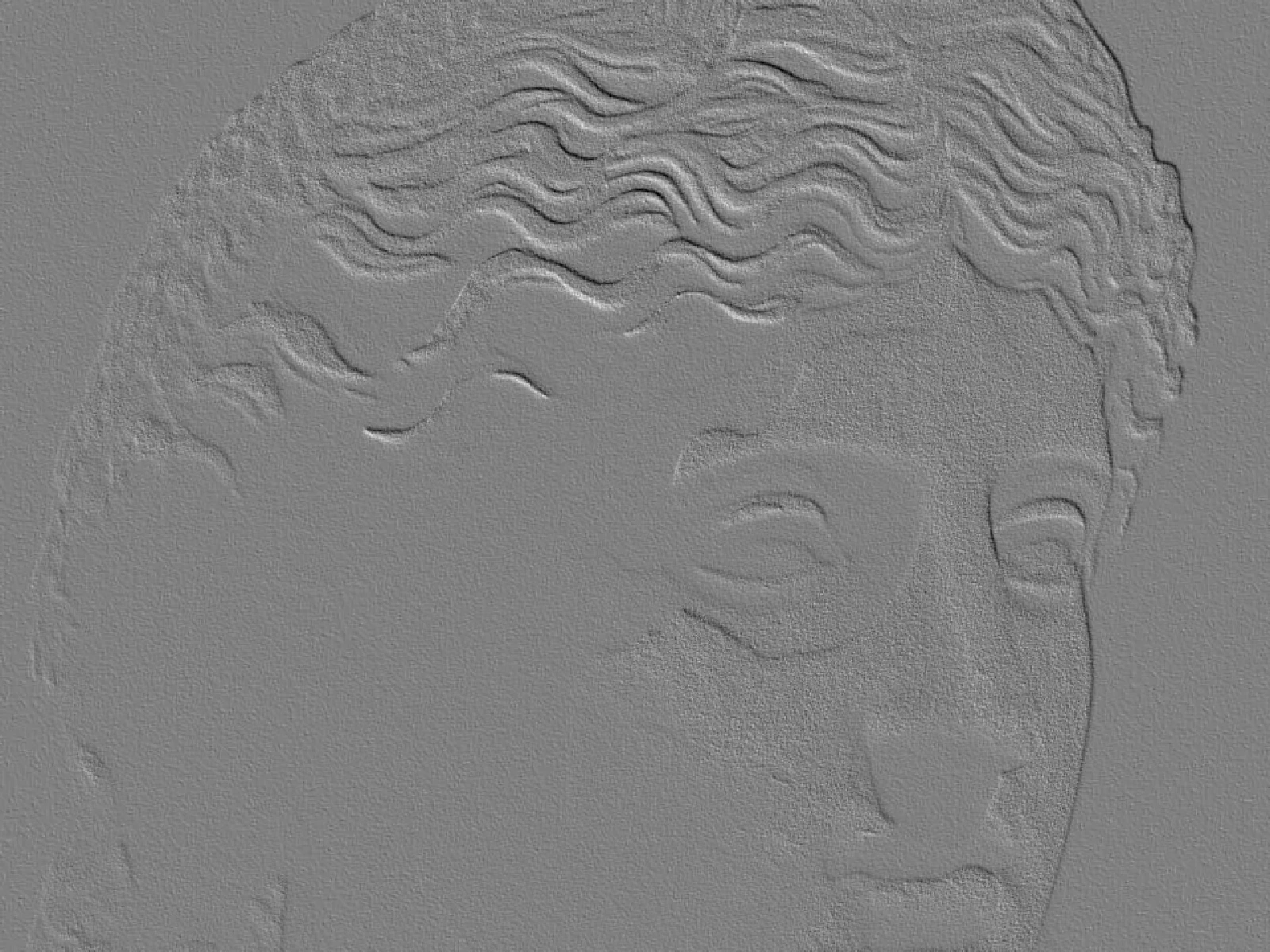
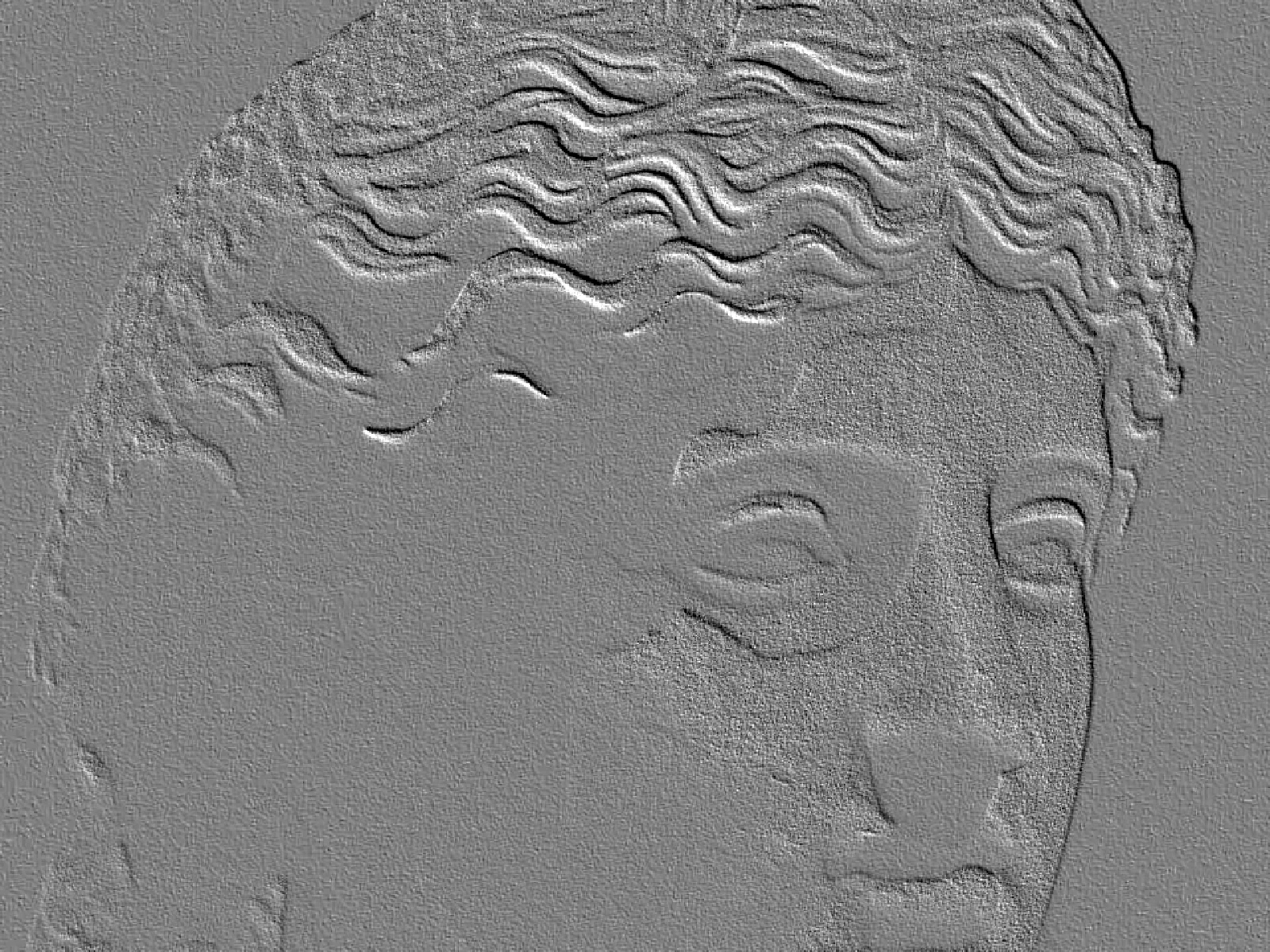
RELIEF sweep
03/ SPEC
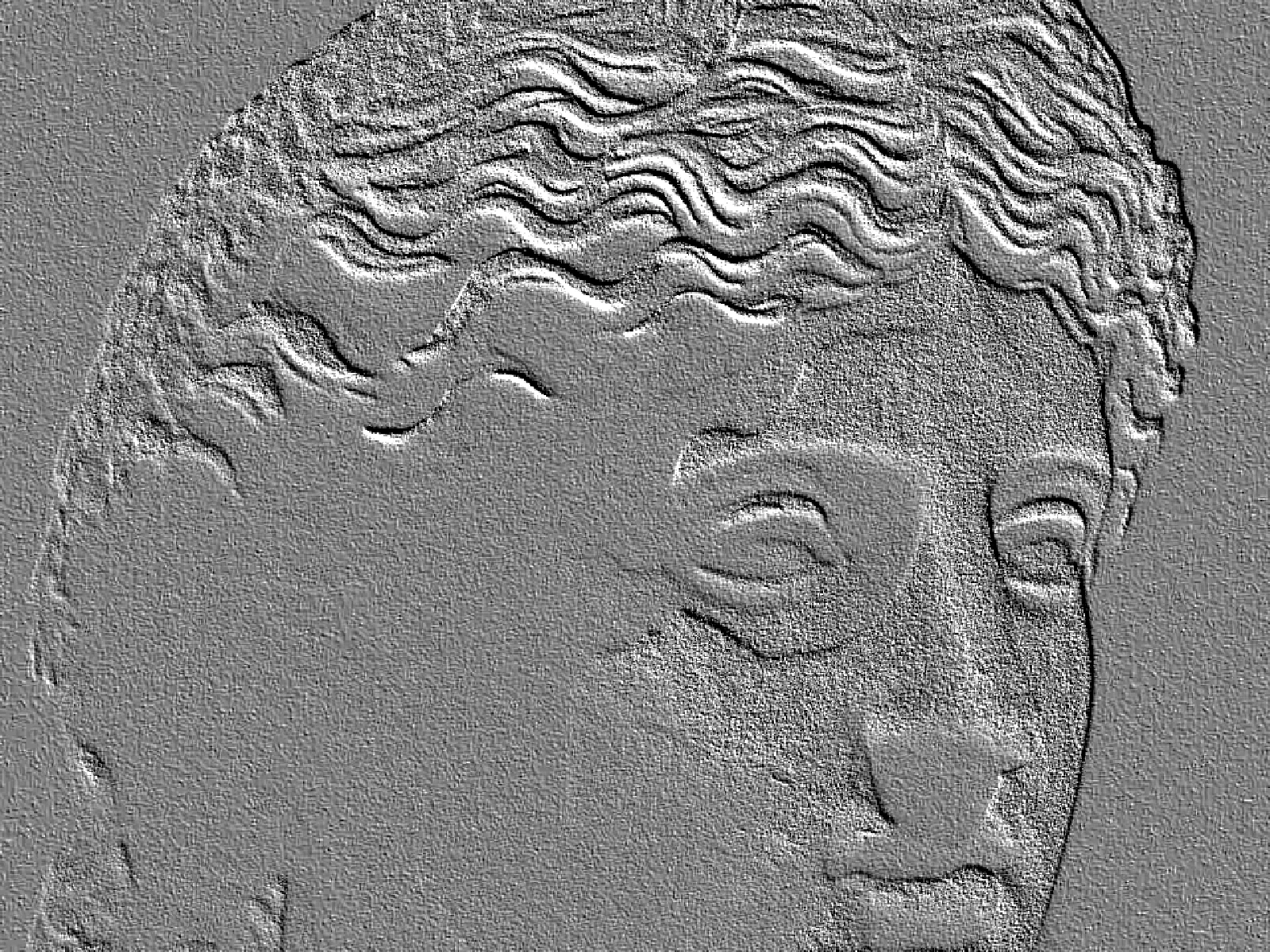
Embossing computes the local brightness gradient and renders it as a grey relief lit from a fixed direction, so flat areas go mid grey and edges gain a light and a dark side. RELIEF runs from 0 to 3 with a default of 1 and scales the apparent depth. Even at 0 the gradient is still rendered, giving a shallow relief rather than a blank frame, and by 3 every small texture in the source becomes a visible ridge. Because the effect responds to gradients rather than to tone, it discards colour and flat regions entirely. In kott it is computed per pixel, so noise in a source becomes relief too. Denoise first.
04/ FAQ
- What is an emboss effect?
- An emboss effect converts an image into a grey relief lit from one direction, so edges gain a light and a dark side. It imitates how a raised surface reads under raking light.
- Why does my embossed image look noisy?
- Embossing responds to brightness gradients, so sensor noise and compression artifacts become relief alongside real edges. Reduce noise before embossing, or lower RELIEF toward 0.5.
- Why is the embossed result grey?
- The effect renders gradients rather than tone, and a gradient has no colour. Areas with no change resolve to mid grey, which leaves only the edges of the subject visible.