hologram effect

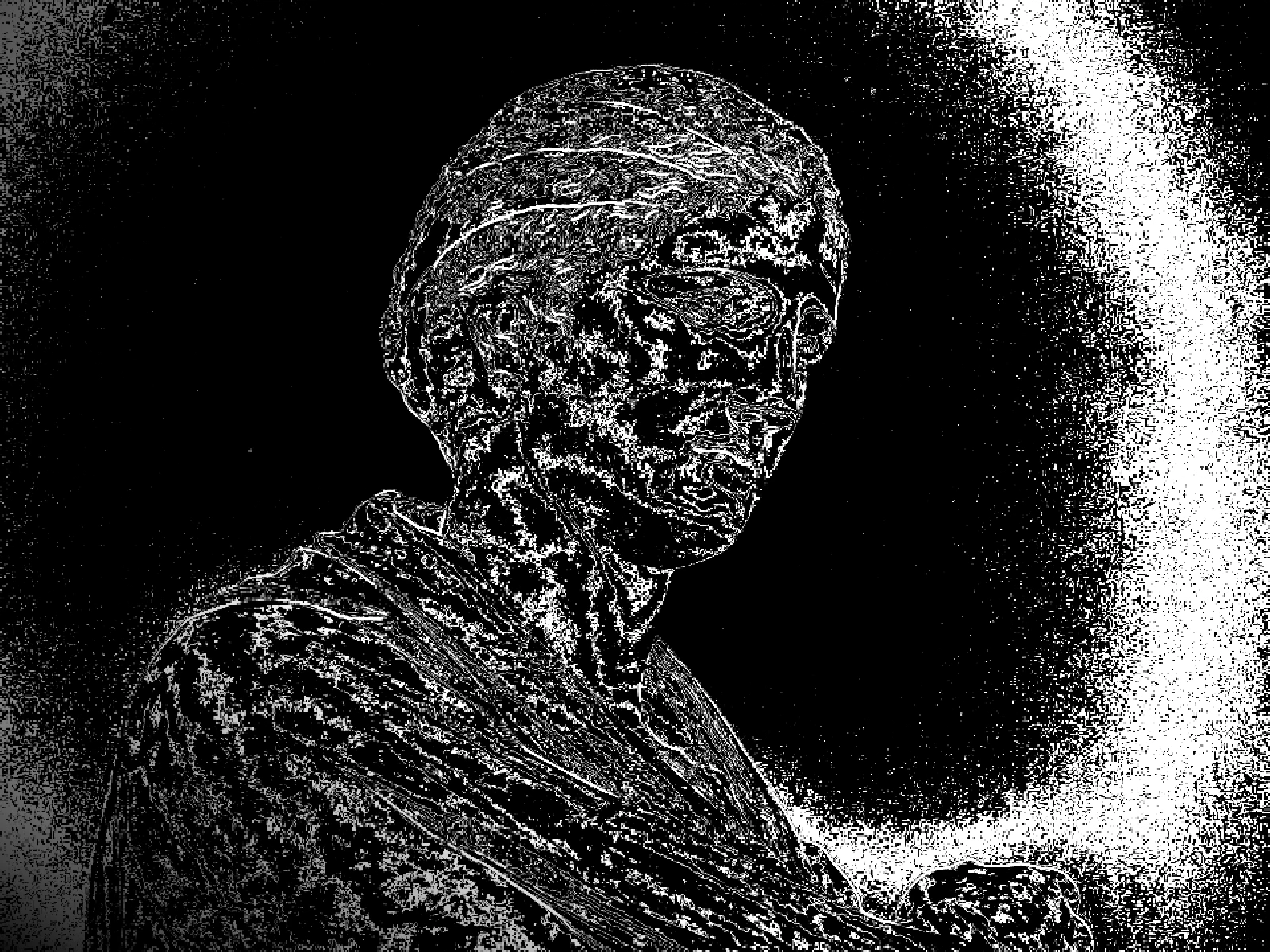 SourceEffect
01/ ORIGIN
Dennis Gabor worked out holography in 1947 and received a Nobel Prize for it in 1971, but real holograms need coherent light and did not become practical until lasers arrived, and they do not glow. The glowing, scanlined, translucent projection everyone recognises is a cinema invention with no optical basis at all. It persisted because it solved a storytelling problem instantly: an audience reads it as presence-at-a-distance without anyone having to say so.
02/ SWEEP
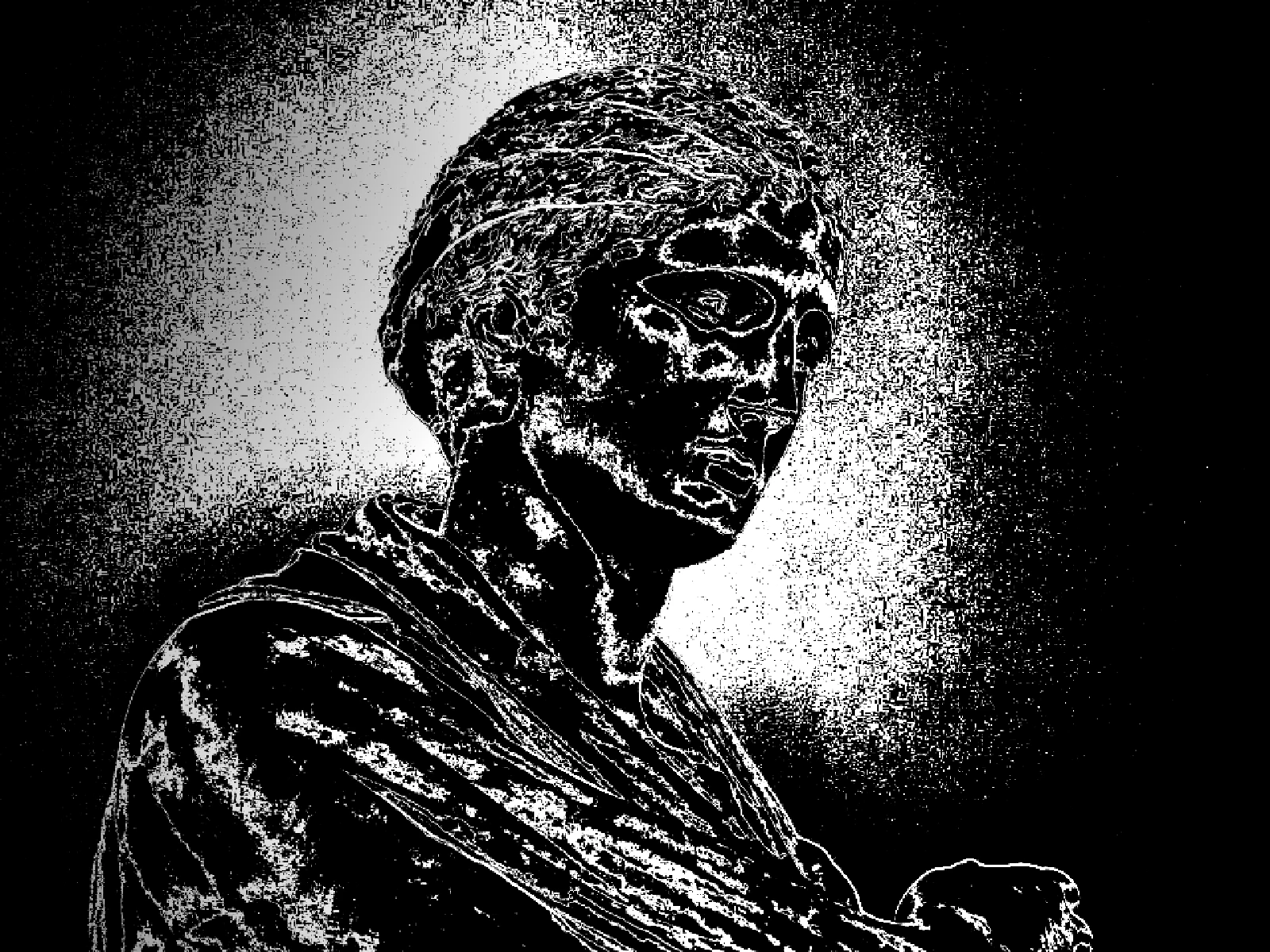
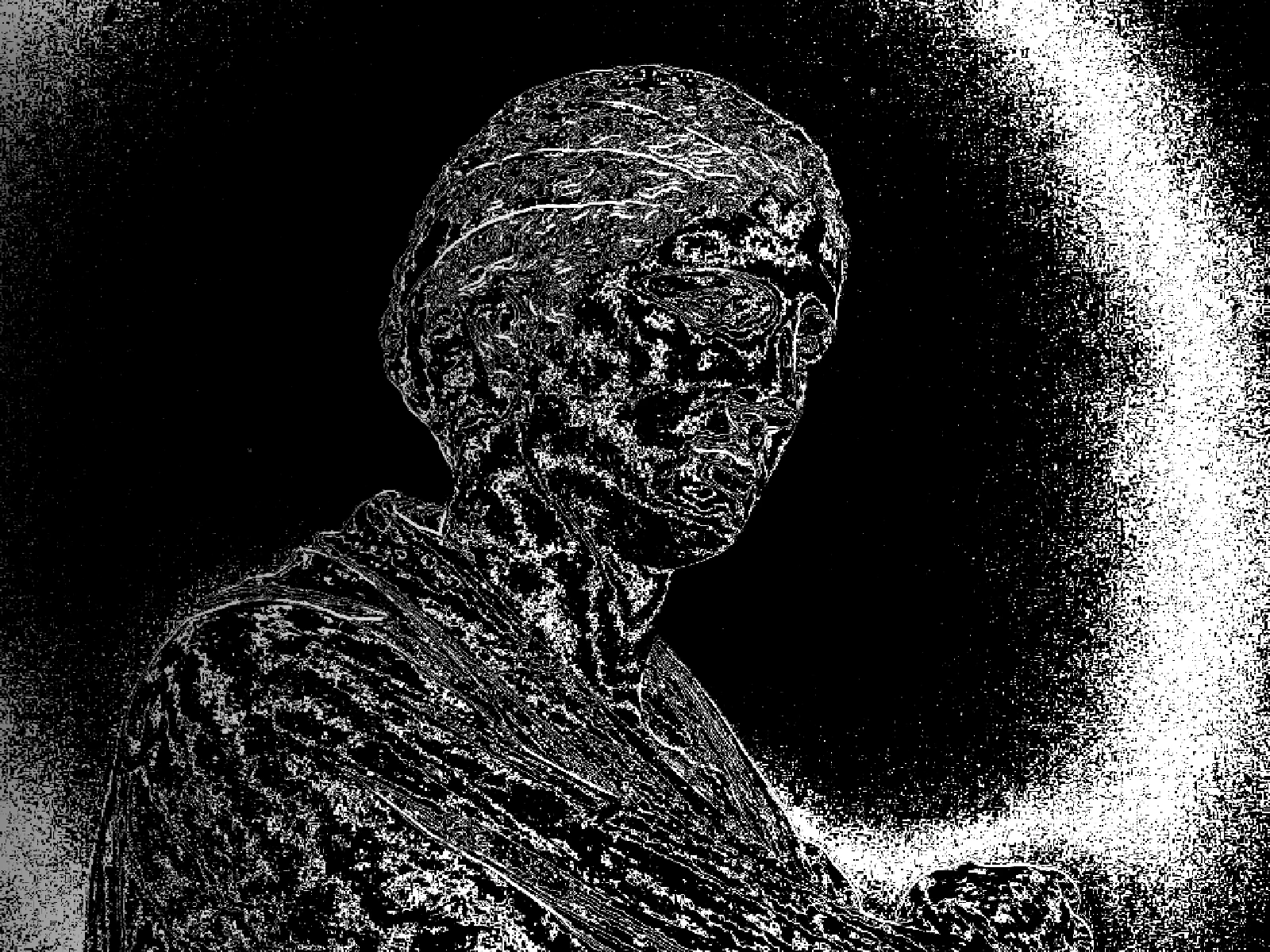
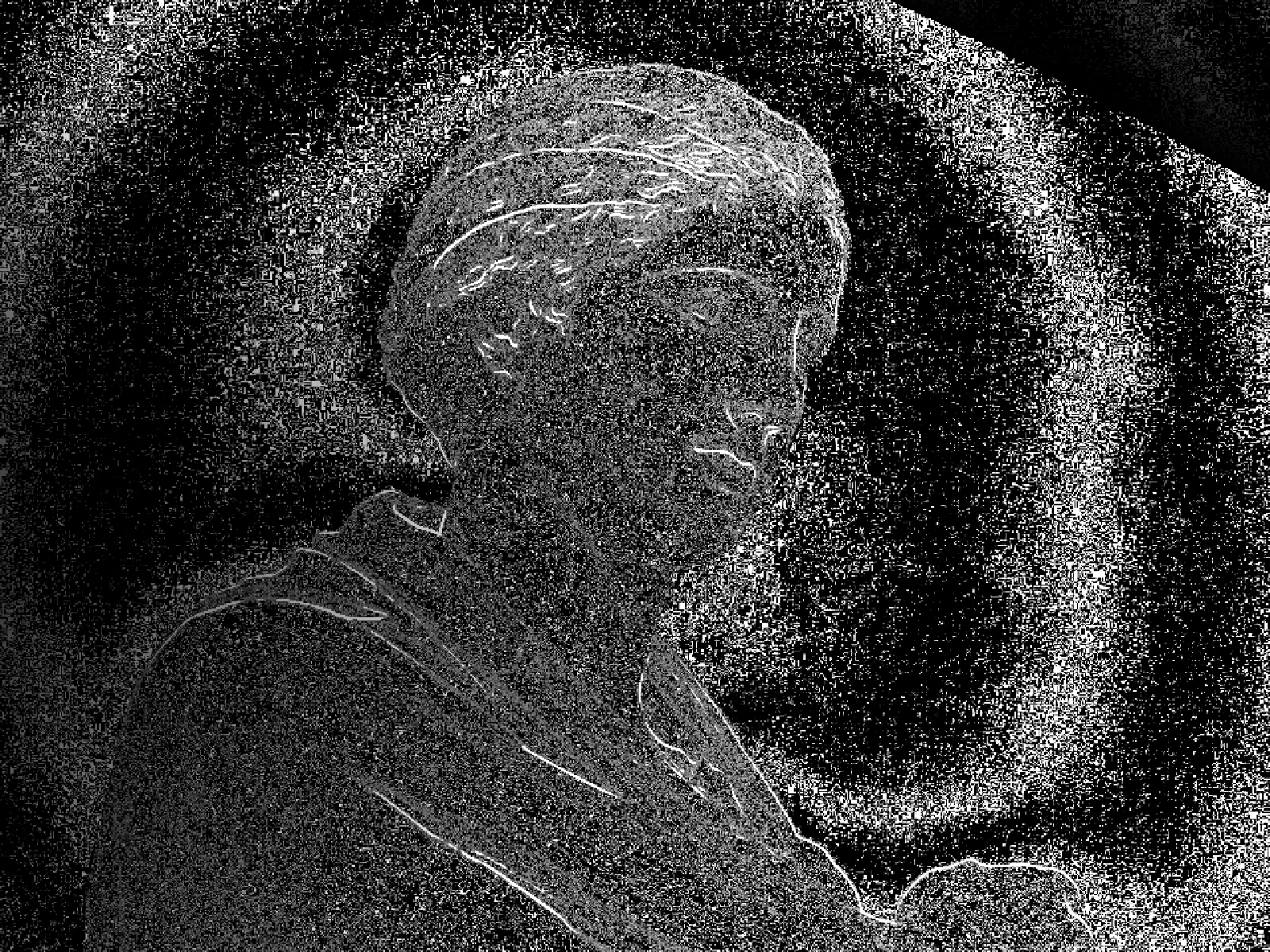
LEVELS sweep
03/ SPEC
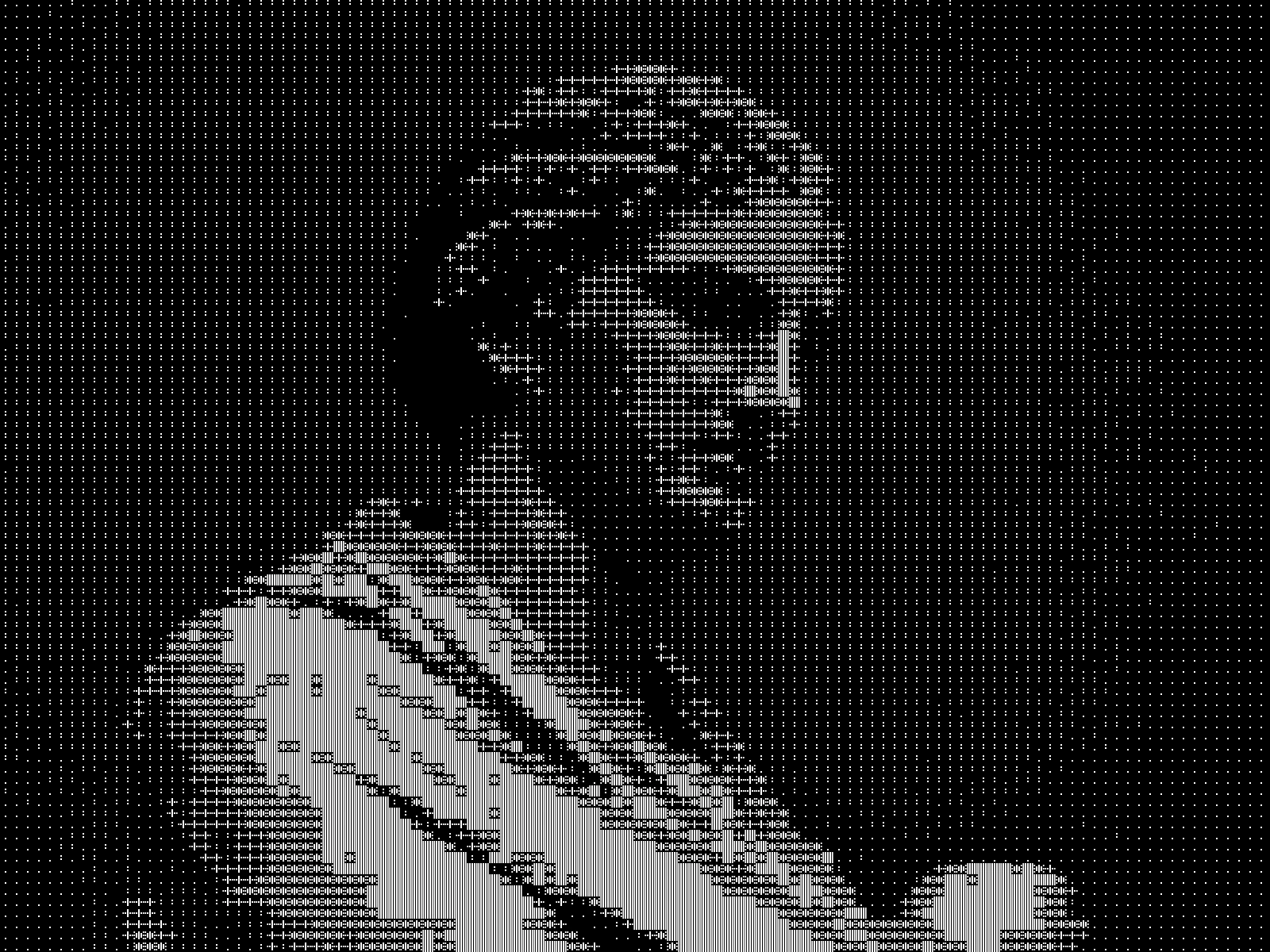
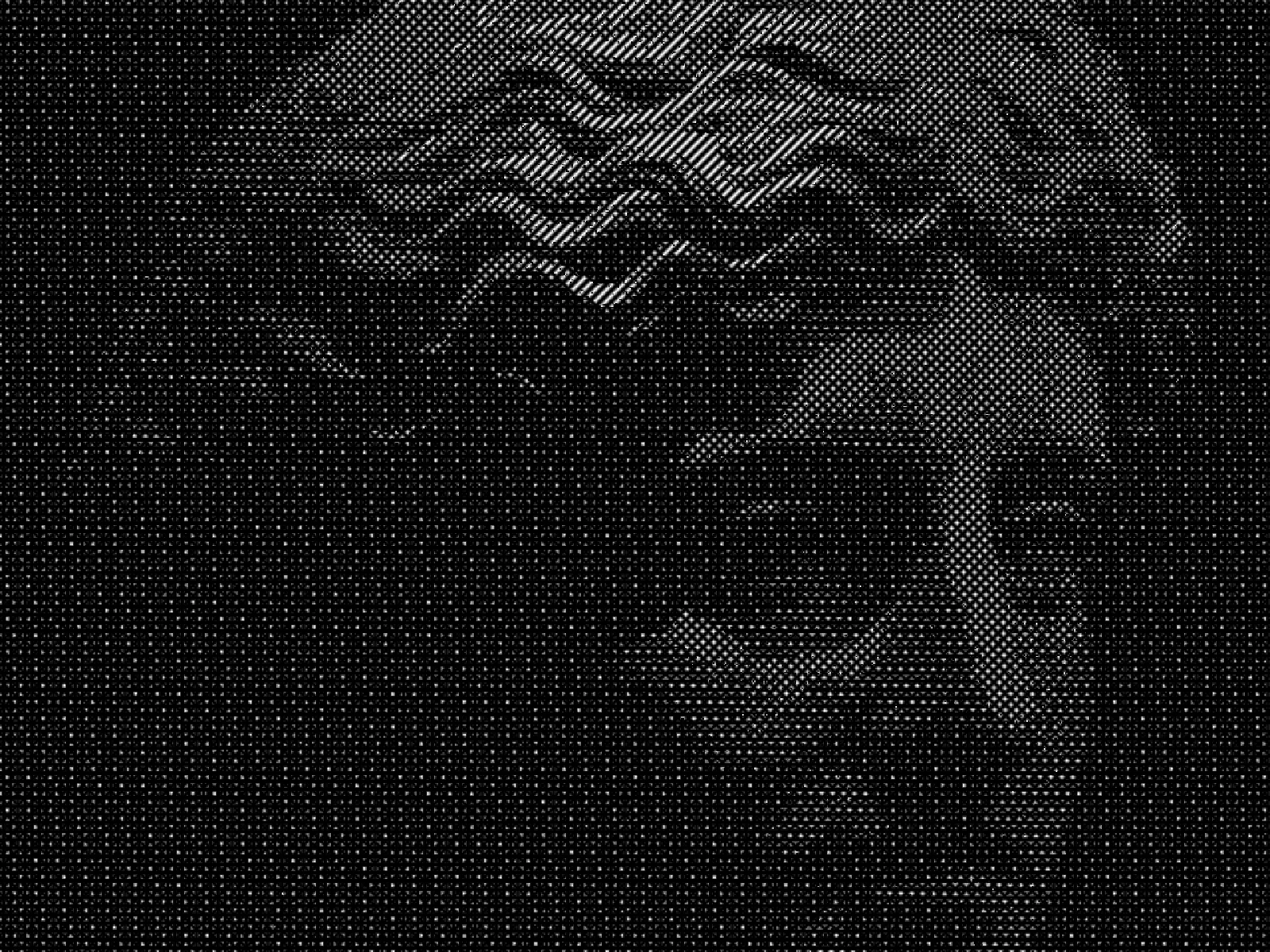
This effect renders the image as banded scanlines tinted across a spectral ramp, with edge emphasis and additive glow, imitating the cinema convention rather than physical holography. LEVELS runs from 6 to 40 with a default of 12 and sets how many tonal bands the image is divided into, which determines the density of the scanline structure. LINE WIDTH sets band weight, EDGE isolates contours, and SPECTRUM from 0 to 20 controls how far colour shifts across the tonal range. In kott it renders in natural colour so the spectral shift reads as hue rather than as brightness.
04/ FAQ
- What is a hologram effect?
- A hologram effect renders an image as glowing translucent scanlines in shifting colour. It imitates the film convention for a projected person rather than real optical holography.
- Do real holograms look like this?
- No. Real holography, worked out by Dennis Gabor in 1947, records interference patterns and needs coherent light. Real holograms do not glow and have no scanlines; that image is a cinema invention.
- What does SPECTRUM control?
- How far hue shifts across the tonal range. Low values keep the projection near one colour, and high values spread it across a spectral ramp so brightness and hue change together.