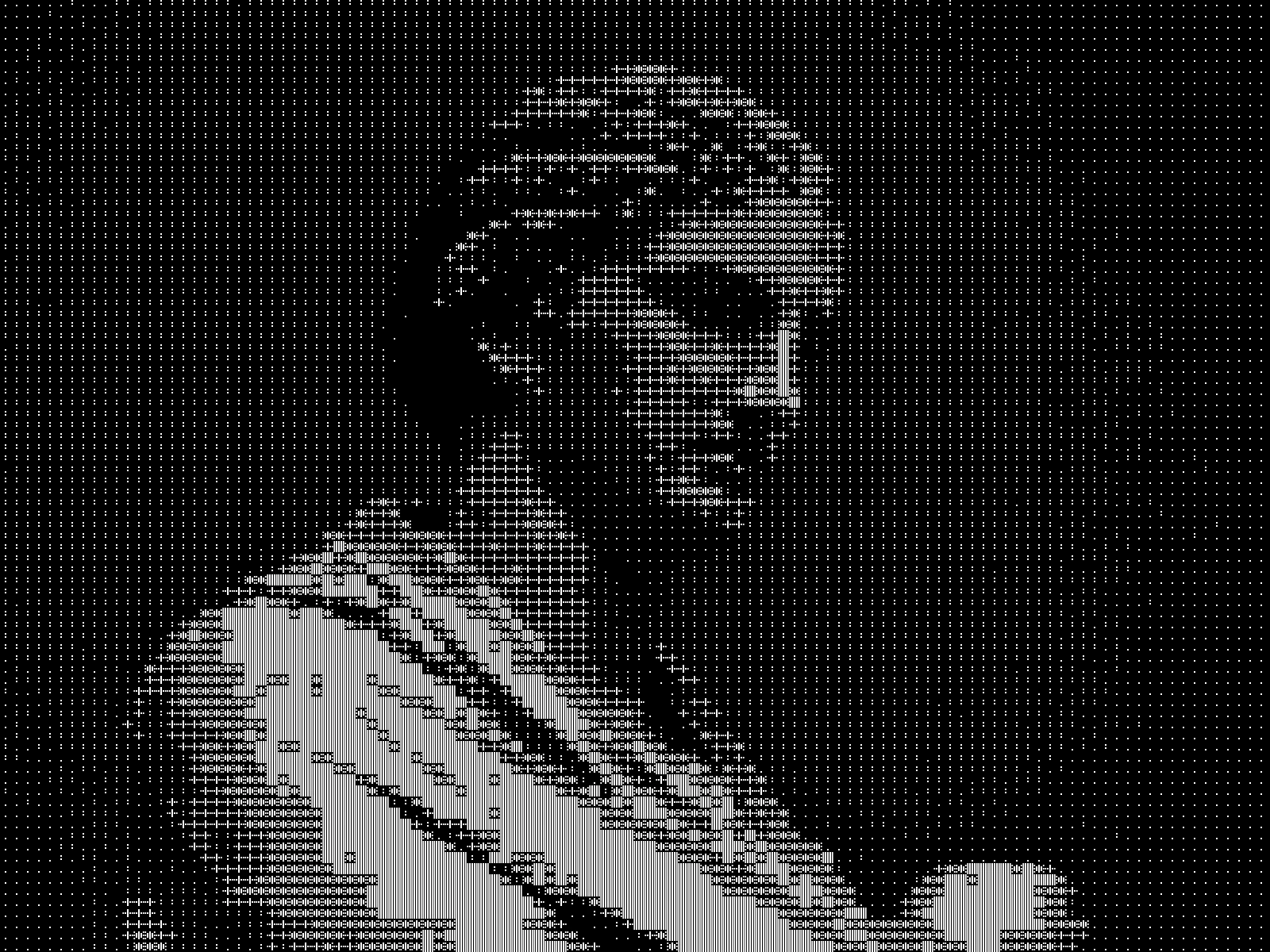
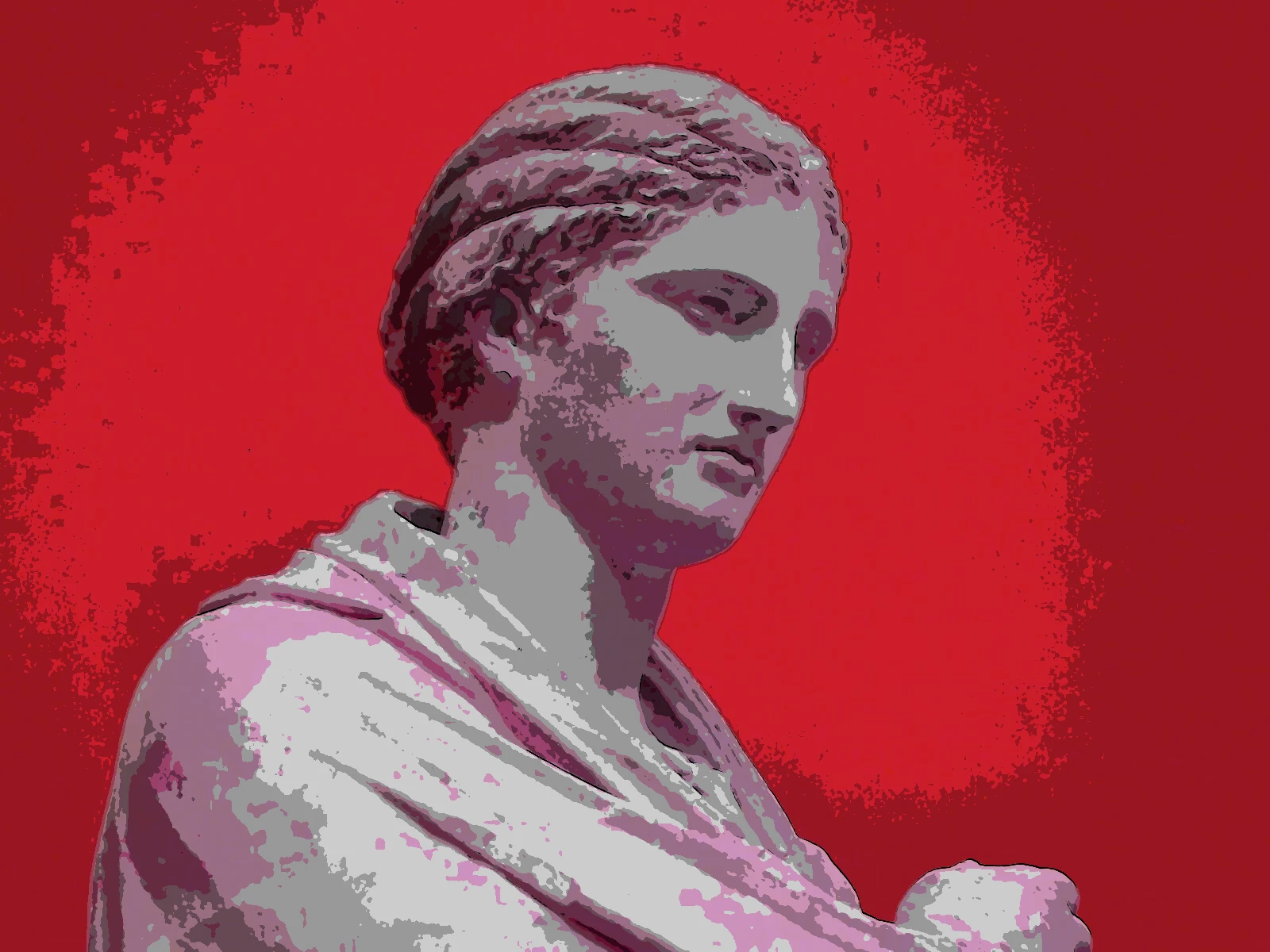
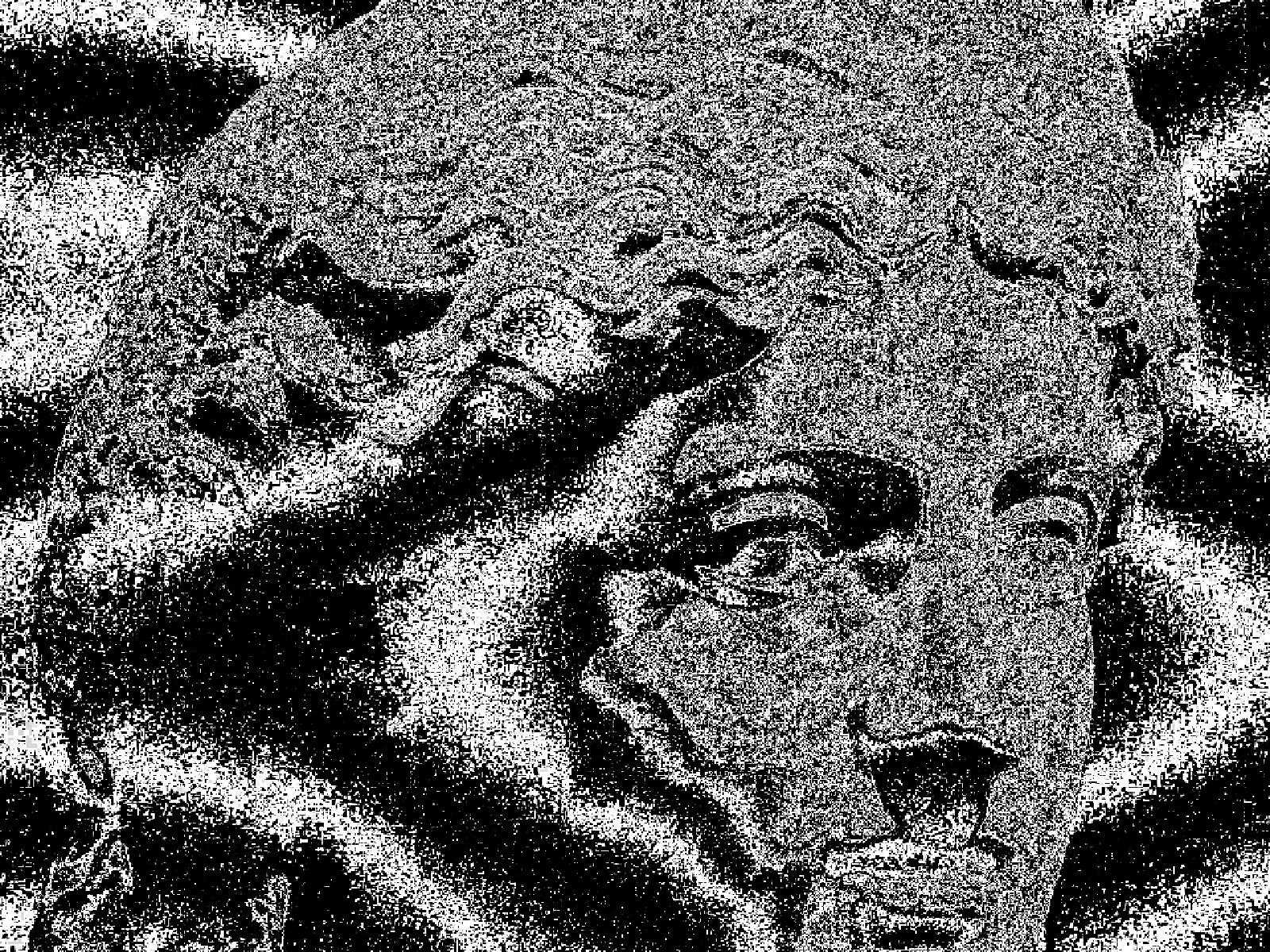
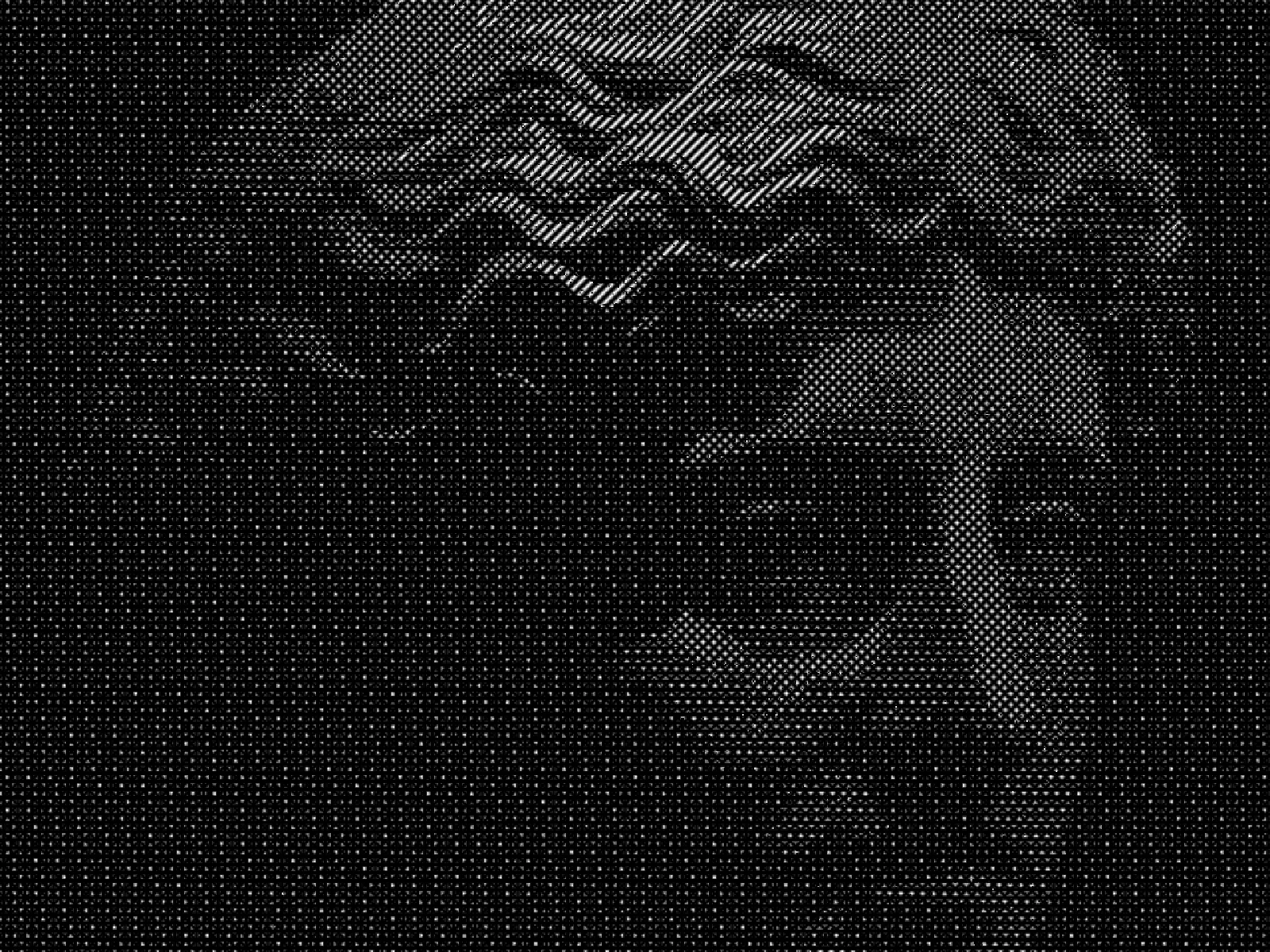
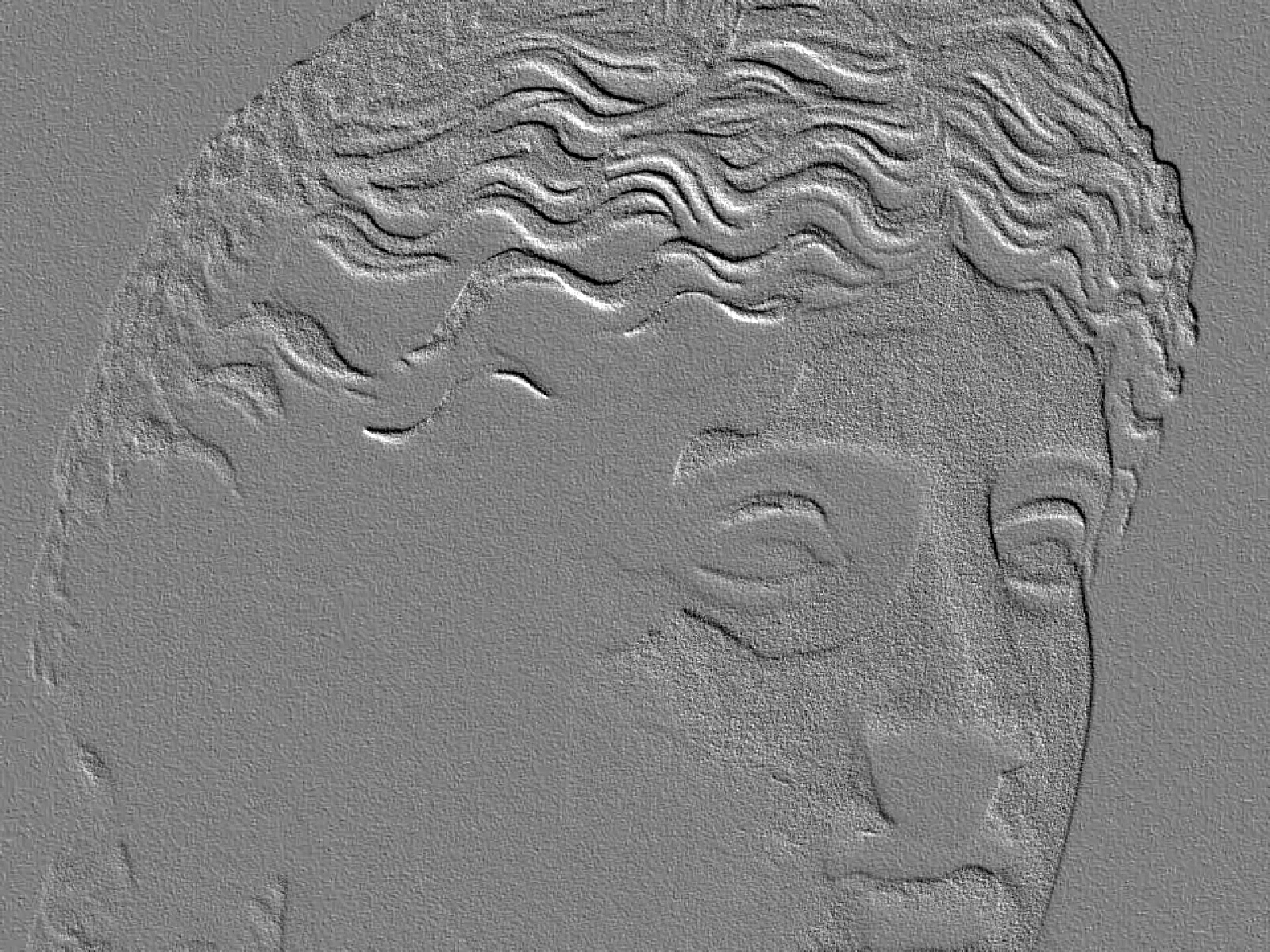
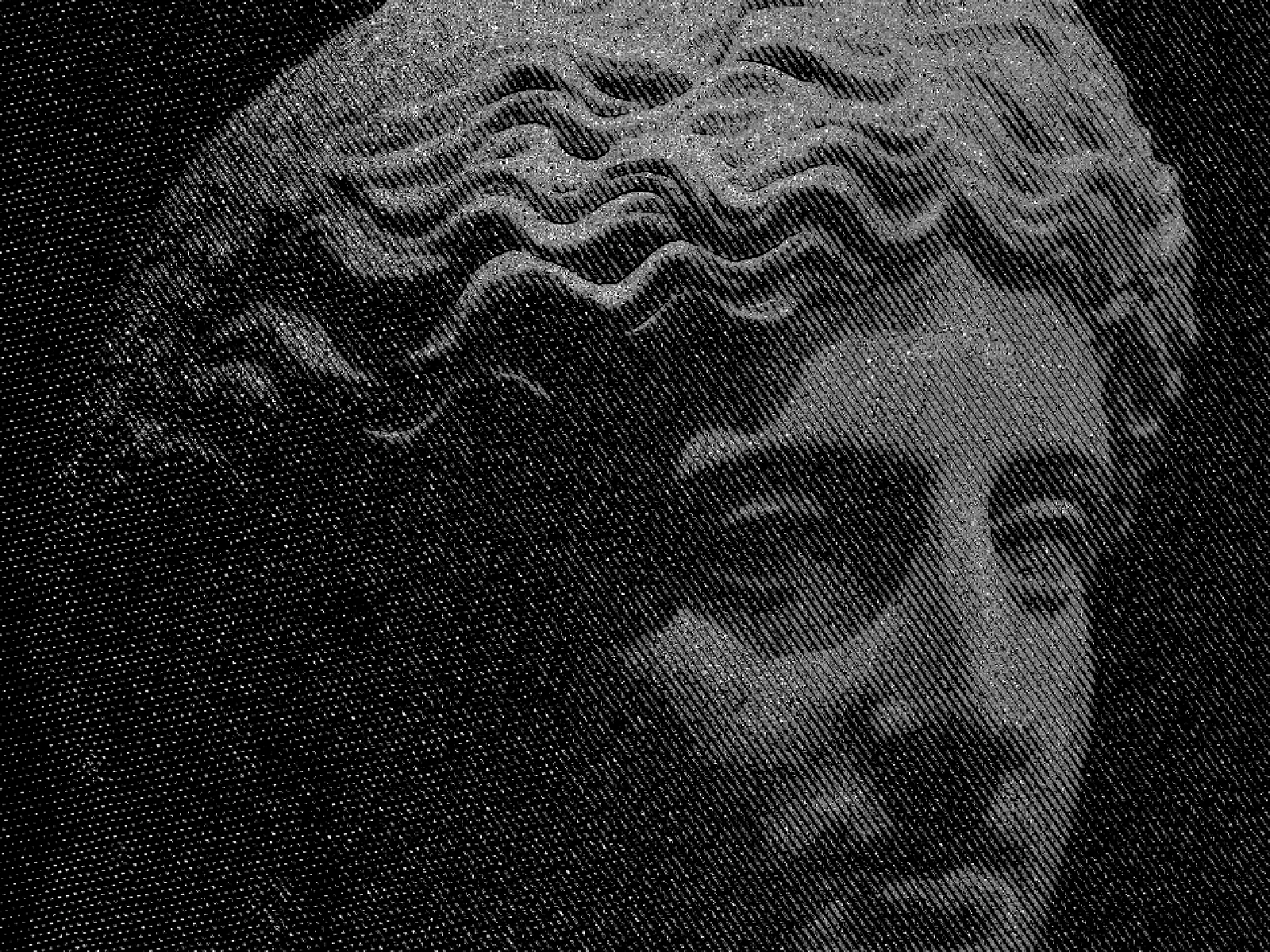
neon effect
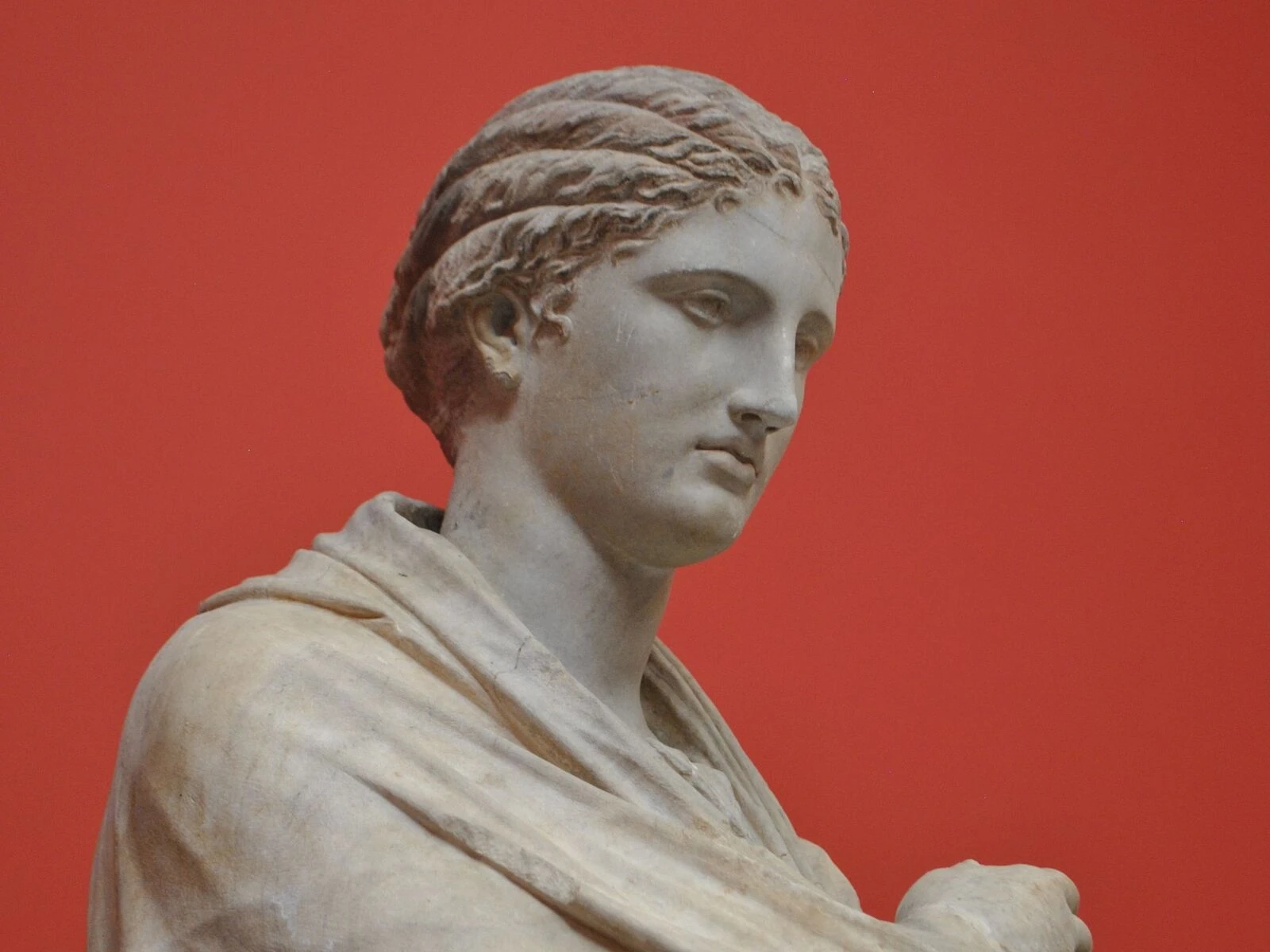
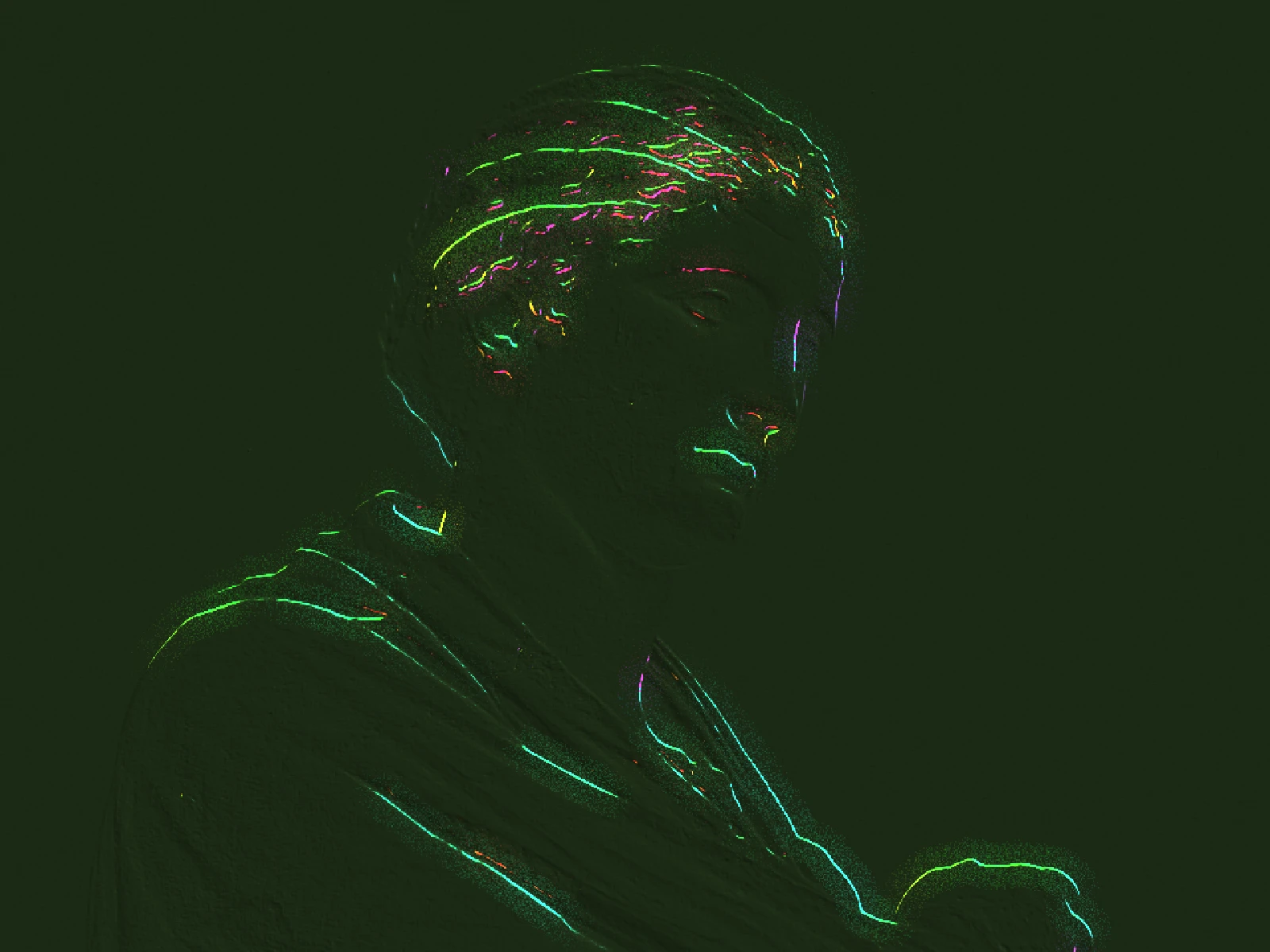 SourceEffect
01/ ORIGIN
Georges Claude demonstrated neon lighting in Paris in 1910 and turned it into signage within a few years. The physics constrains the palette: neon gas glows red-orange and nothing else, so every other colour on a neon street came from a different gas, or from mercury vapour behind a coloured phosphor. The trade called all of it neon anyway. What the word now describes is a saturated glow whose colour has almost nothing to do with the element.
02/ SWEEP
GLOW sweep
03/ SPEC
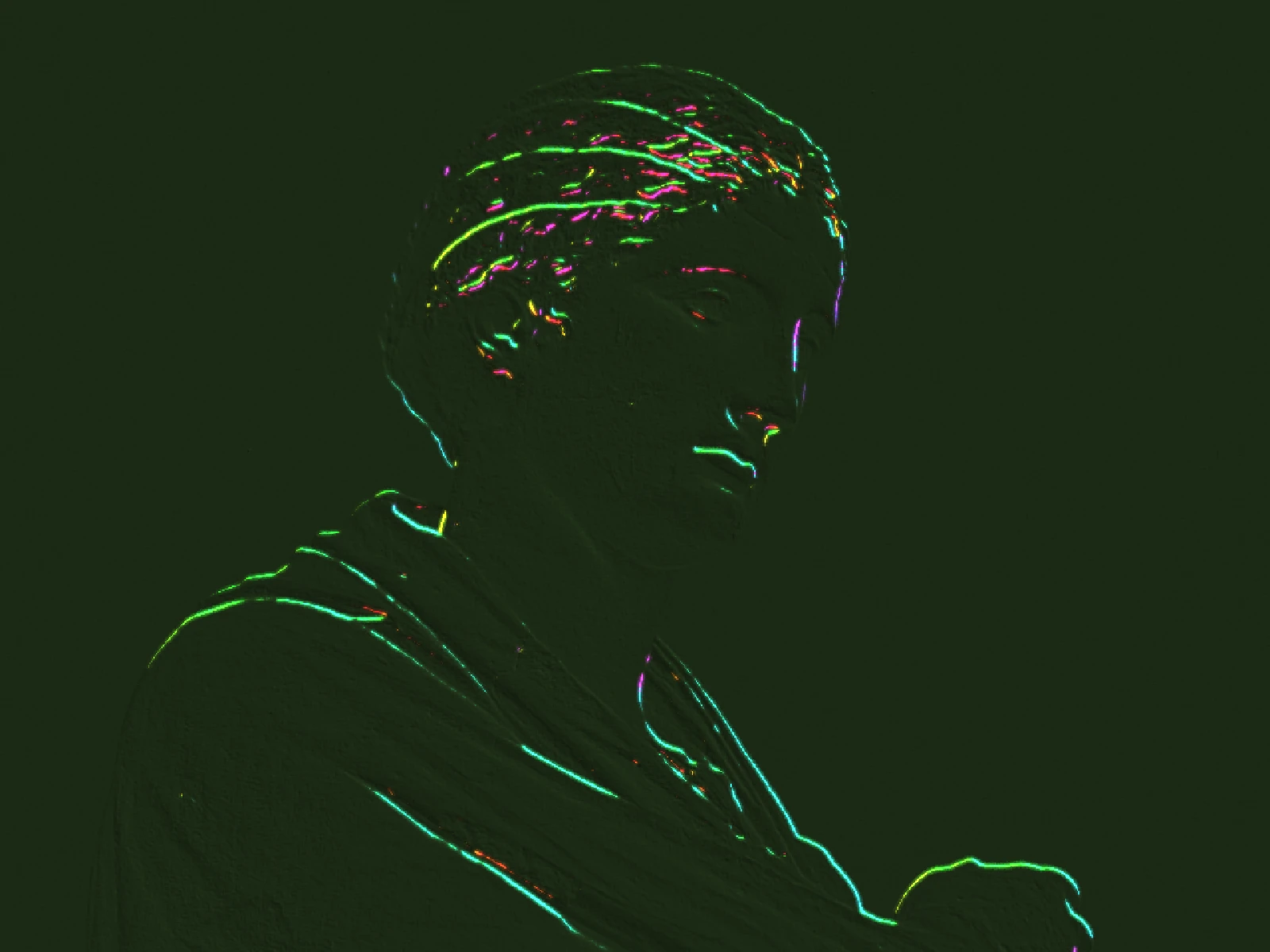
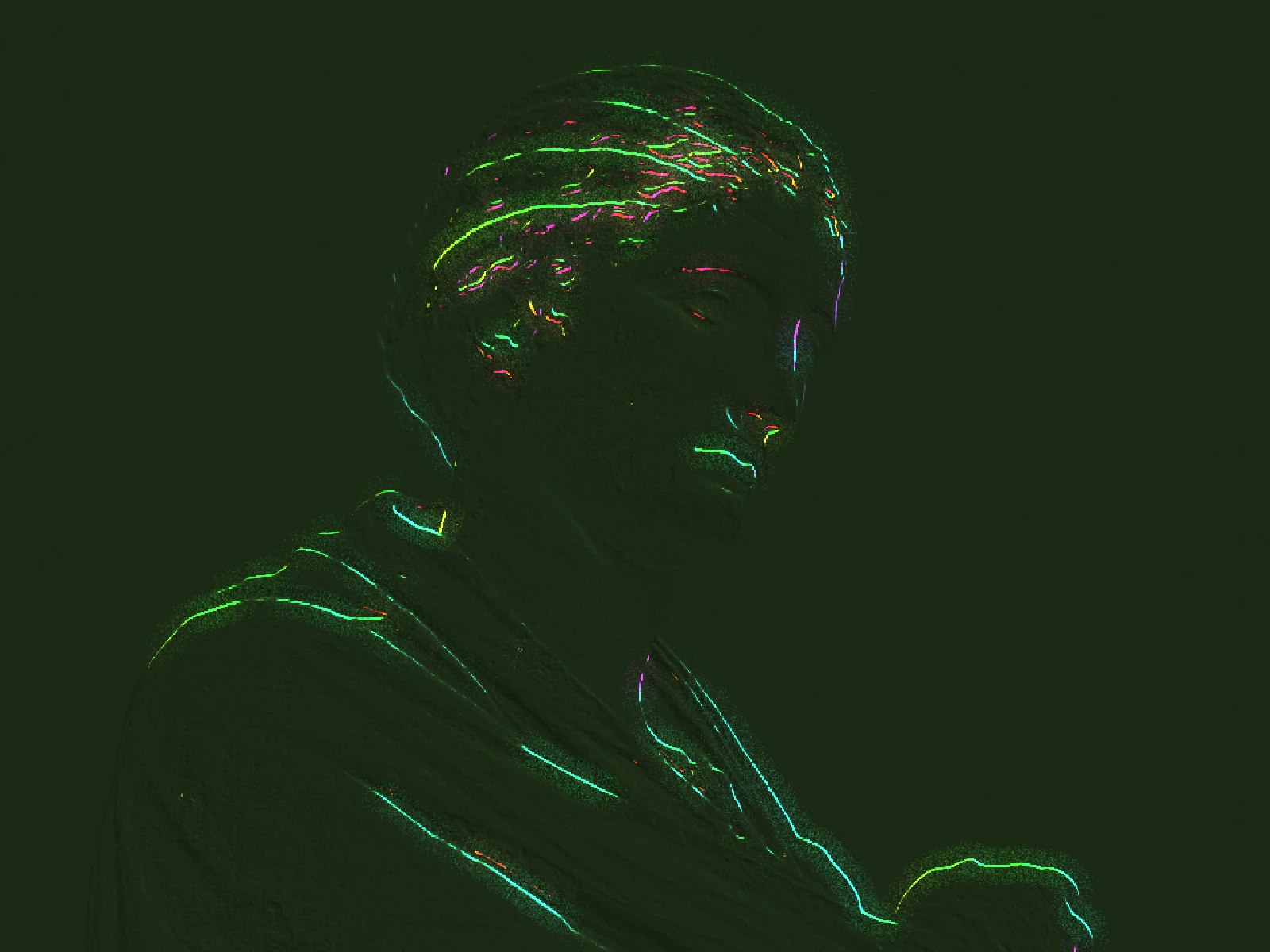
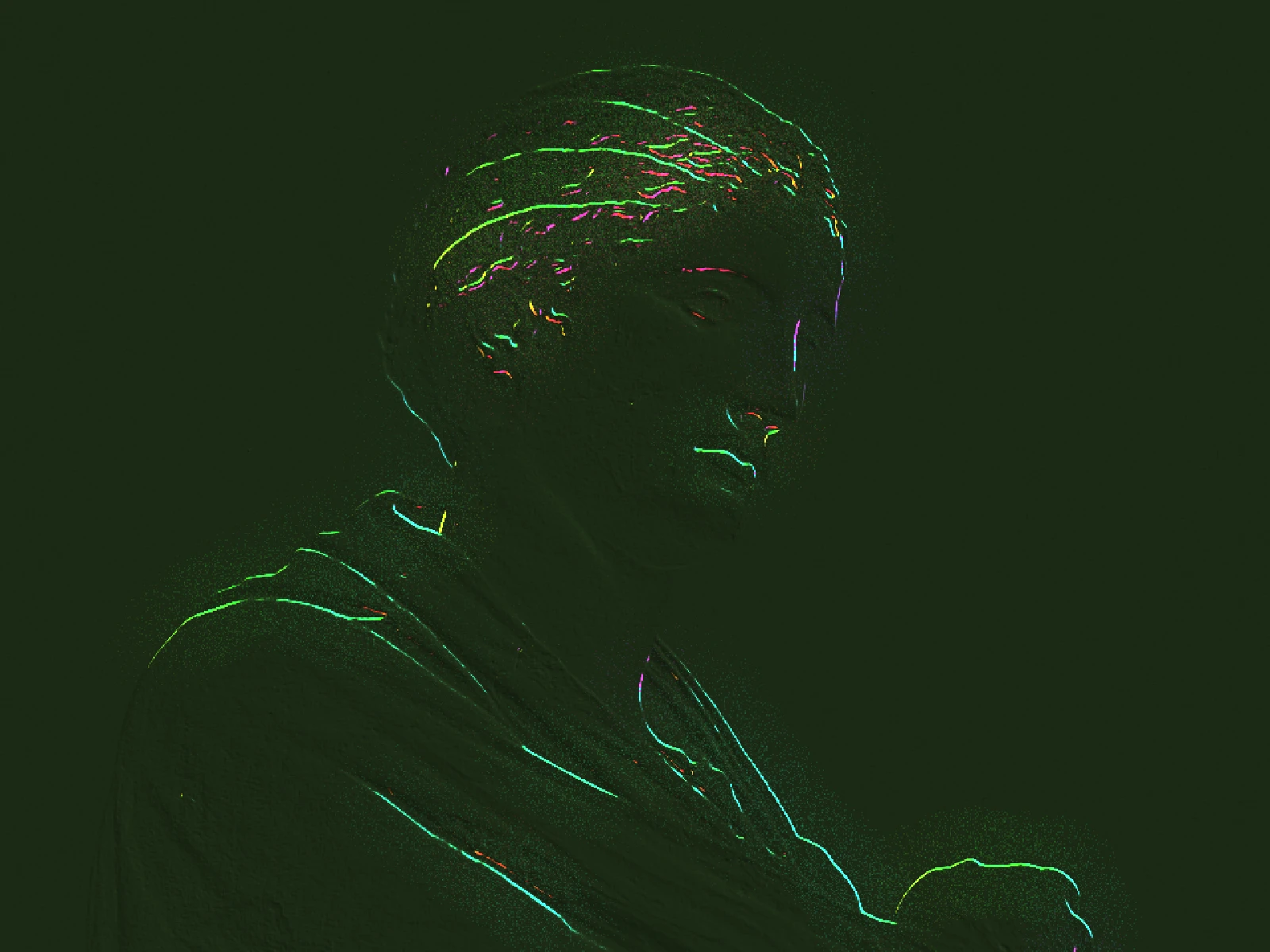
This effect detects edges, tints them across a hue ramp and applies an additive bloom, so contours read as lit tubes against a dark field rather than as drawn lines. EDGE THRESHOLD runs from 0 to 3 with a default of 0.5 and decides how readily a tonal boundary becomes a lit edge, which is the control over how much of the image glows at all. INTENSITY scales brightness, GLOW from 0 to 48 sets bloom radius, and HUE SHIFT with HUE SPREAD position and widen the colour ramp. In kott it renders in natural colour so the hue ramp is visible as colour.
04/ FAQ
- What is a neon glow effect?
- A neon glow effect detects the edges in an image, tints them across a colour ramp and adds bloom, so contours read as glowing tubes against a dark background.
- Why is neon associated with so many colours?
- Neon gas only glows red-orange. Every other colour on a neon sign came from a different gas or from mercury vapour behind a coloured phosphor, but the trade called all of it neon.
- How do I get thin clean neon lines?
- Raise EDGE THRESHOLD above 1 so only strong contours light up, and keep GLOW moderate. A low threshold lights every tonal change and floods the frame.