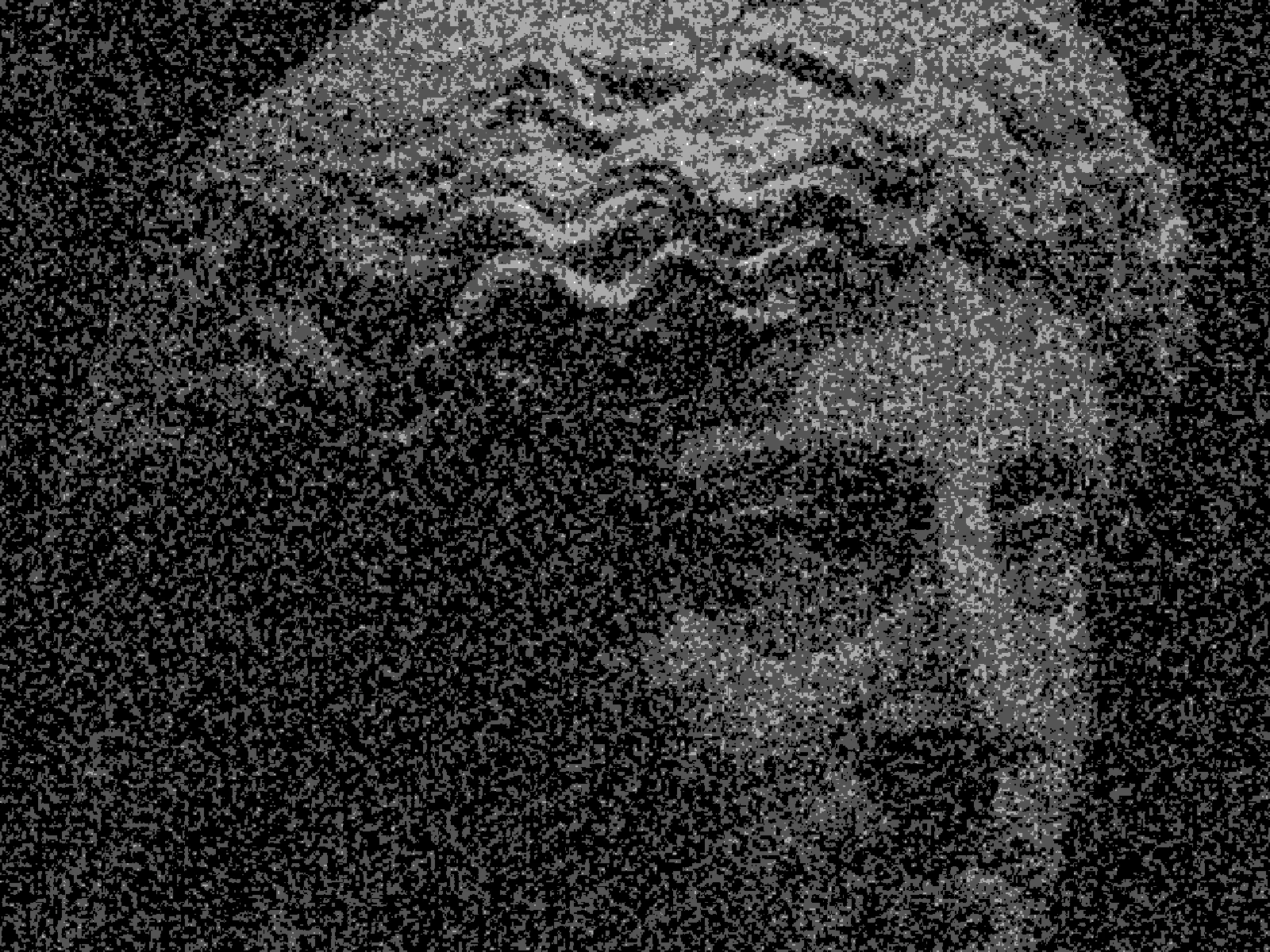
tilt shift effect

 SourceEffect
01/ ORIGIN
Tilt and shift are movements on a view camera, where the lens plane can be angled independently of the film. Architects used them to keep tall buildings from converging, and the Scheimpflug principle describes the resulting oblique plane of focus. The miniature look was a byproduct nobody was chasing: a plane of focus that narrow only occurs naturally at very close range, so the brain reads an ordinary scene shot this way as a tabletop model.
02/ SWEEP
BAND sweep


03/ SPEC
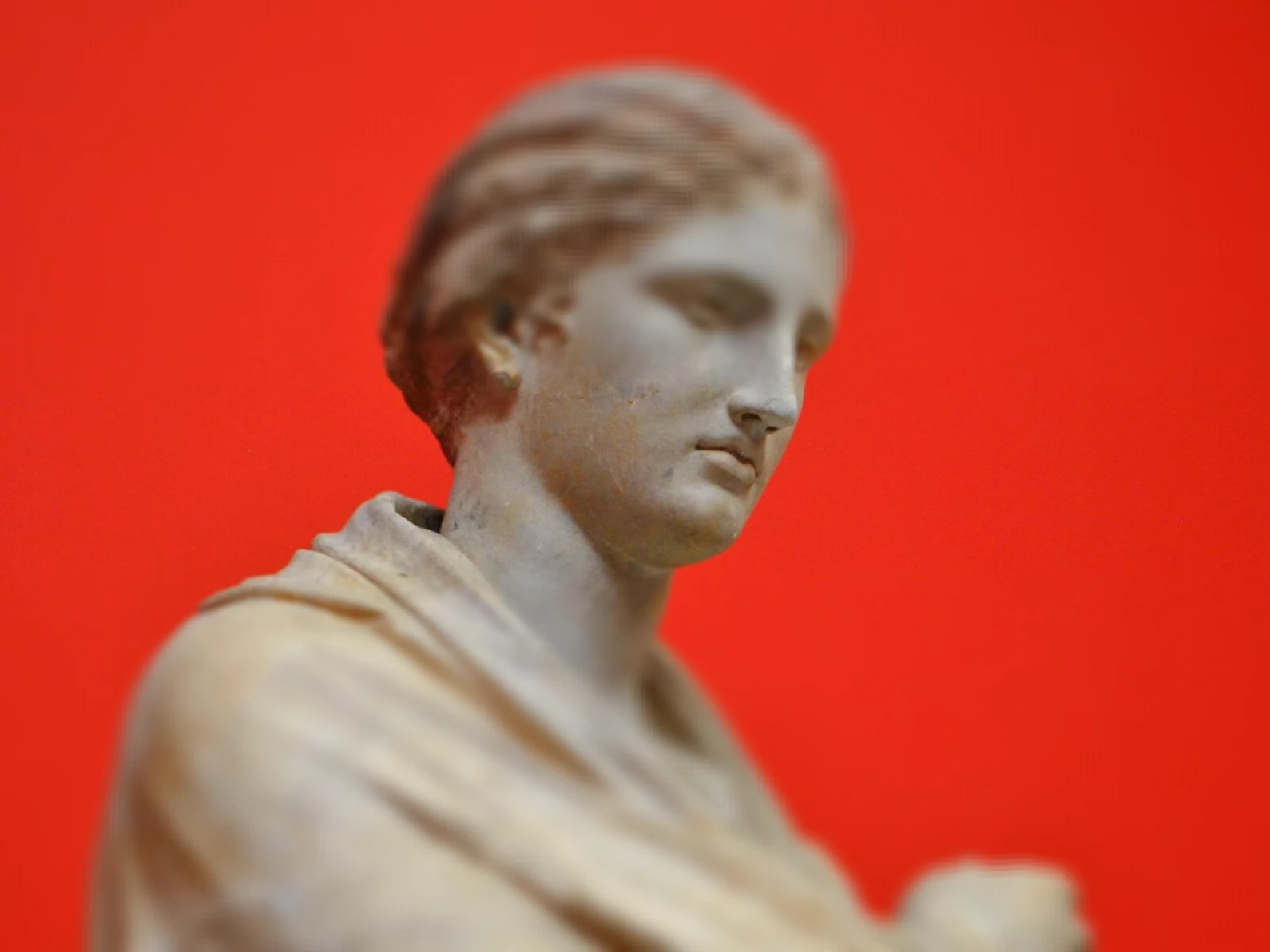
This effect keeps a horizontal band of the frame sharp and progressively blurs above and below it, imitating a tilted lens plane rather than masking a shape. BAND runs from 0 to 30 with a default of 8 and sets the height of the sharp region, so it controls how much of the image survives in focus and therefore how strongly the miniature reading takes hold. BLUR from 1 to 8 sets the falloff strength outside the band. In kott the blur is computed per pixel from distance to the band, so the transition is smooth rather than stepped.
04/ FAQ
- What is a tilt-shift effect?
- A tilt-shift effect keeps a narrow band of the image sharp and blurs the rest, imitating a view camera's tilted lens plane. The result often reads as a miniature model.
- Why does tilt-shift make things look like models?
- A plane of focus that shallow only occurs naturally at very close range, so the brain infers the subject must be small and nearby. The blur is doing the arguing, not the subject.
- What BAND width works best?
- Keep it narrow, around the default of 8, and place it across the subject. Wide bands leave too much in focus for the miniature reading to take hold.