x-ray effect

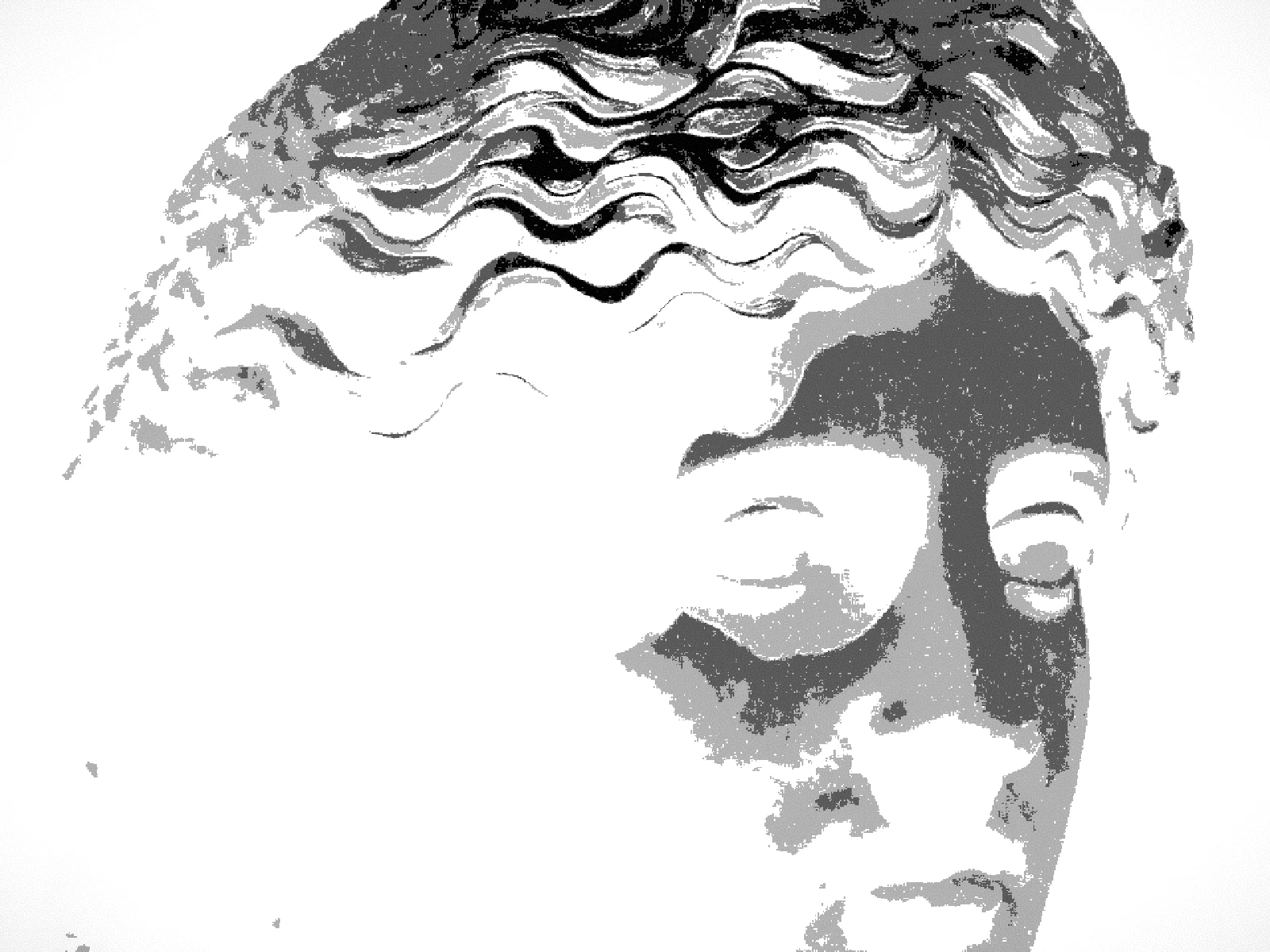 SourceEffect
01/ ORIGIN
Wilhelm Röntgen found X-rays in 1895 and within weeks had imaged his wife's hand, ring included. The tonal convention was set by the physics of the plate: dense tissue blocks radiation, so the film beneath it stays unexposed and prints bright, while soft tissue lets radiation through and darkens. Every radiograph since reads that way, which means the familiar look is not a stylistic choice but the direct signature of an absence.
02/ SWEEP
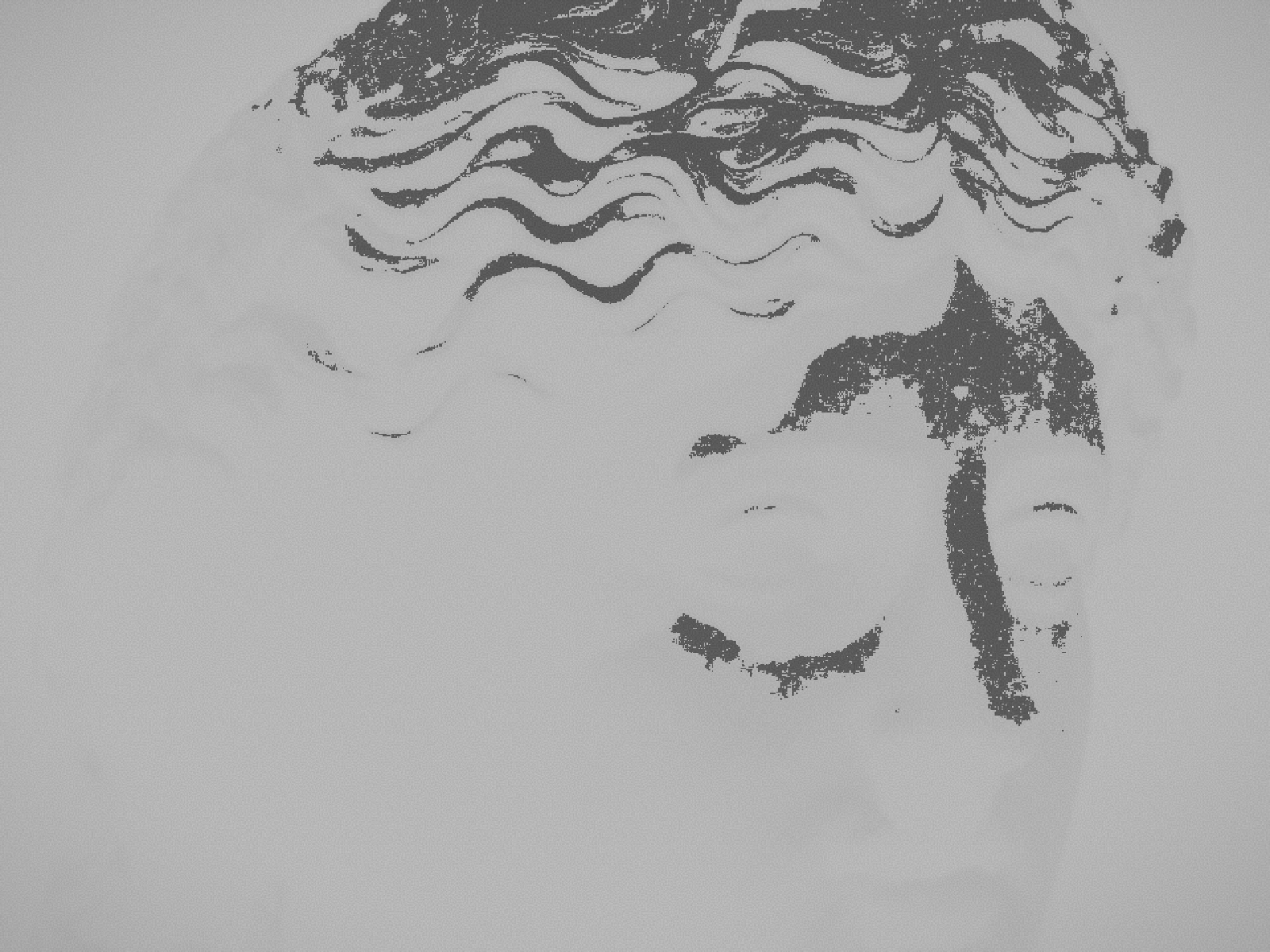
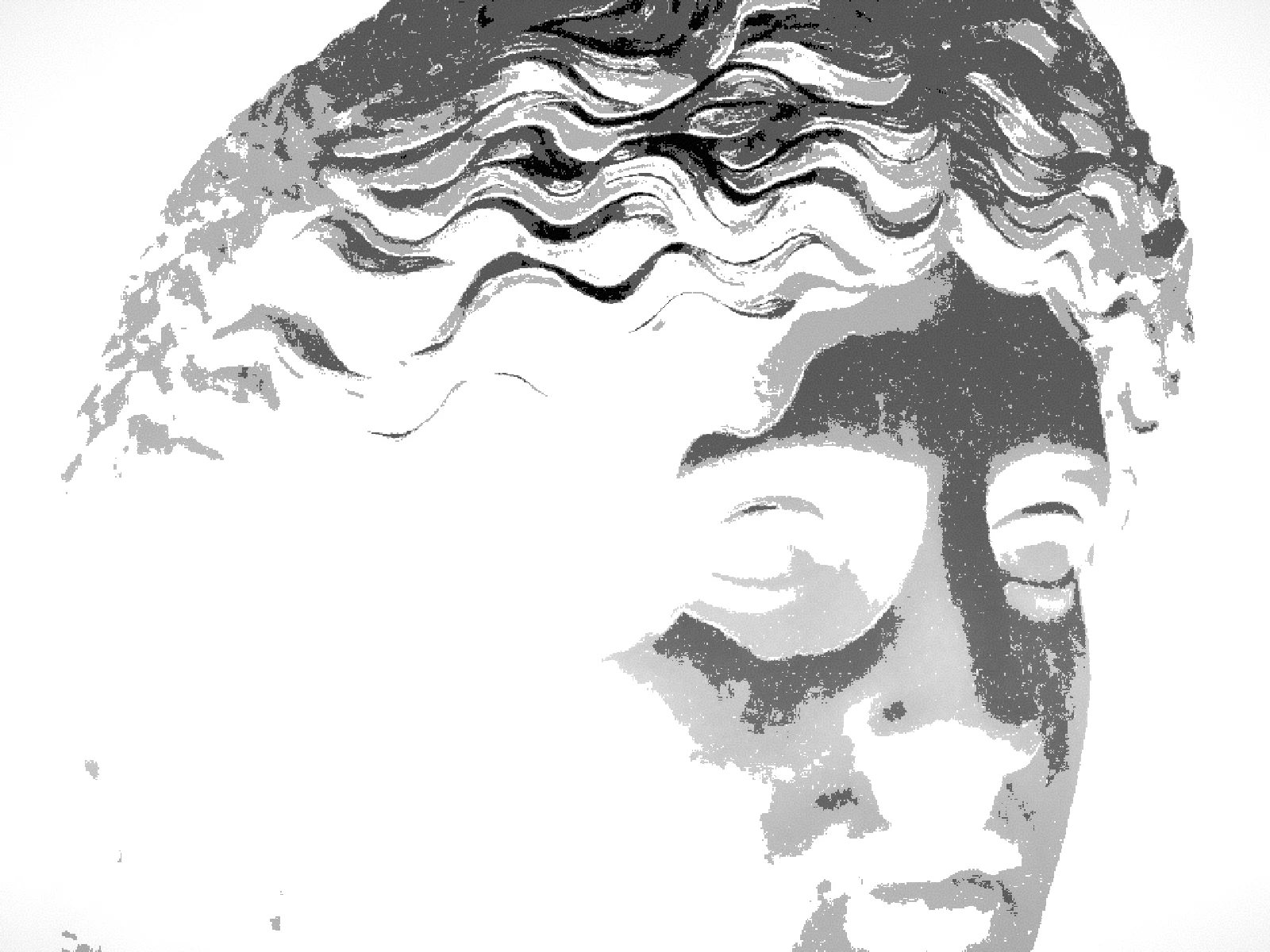
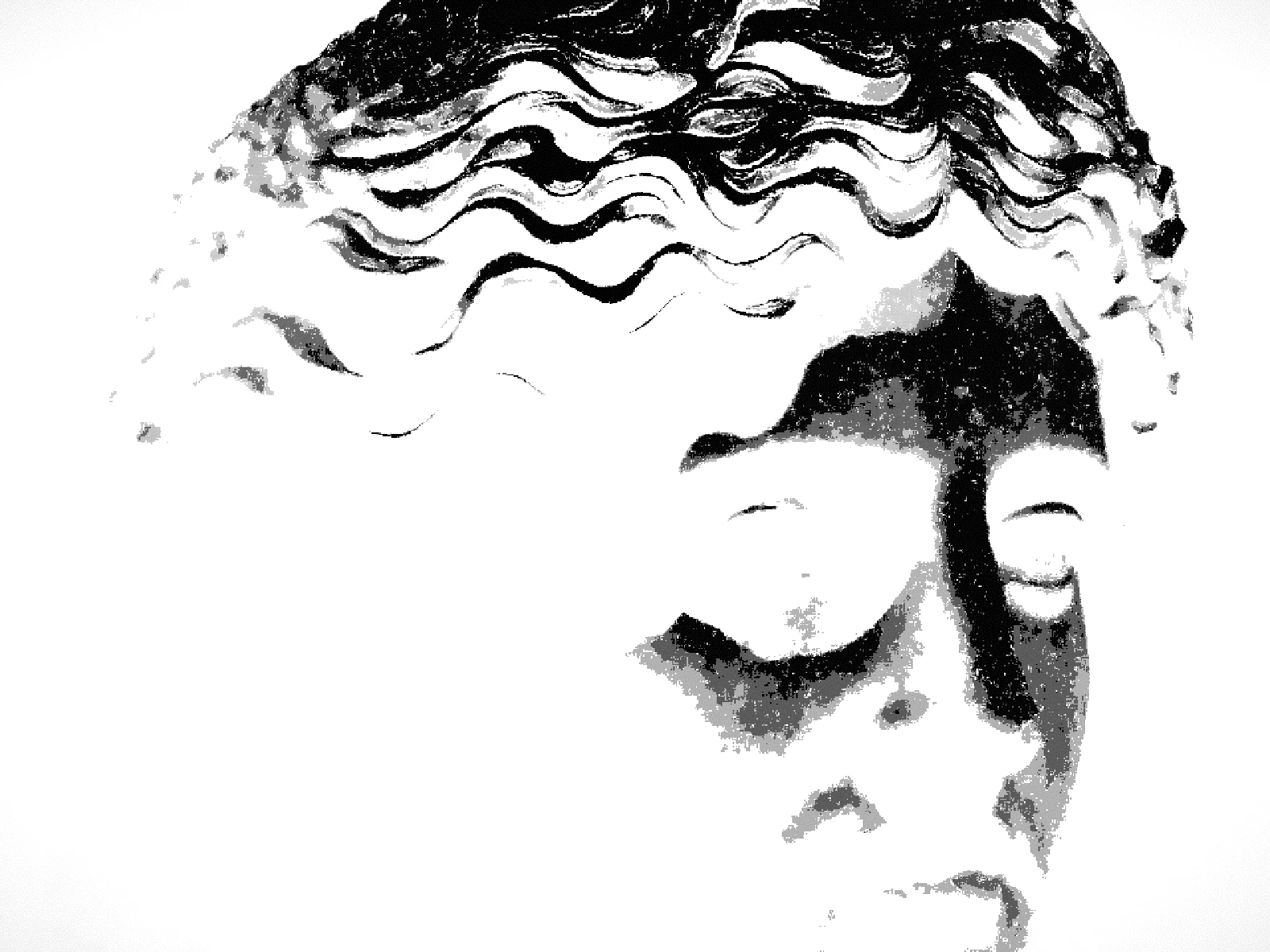
CONTRAST sweep
03/ SPEC
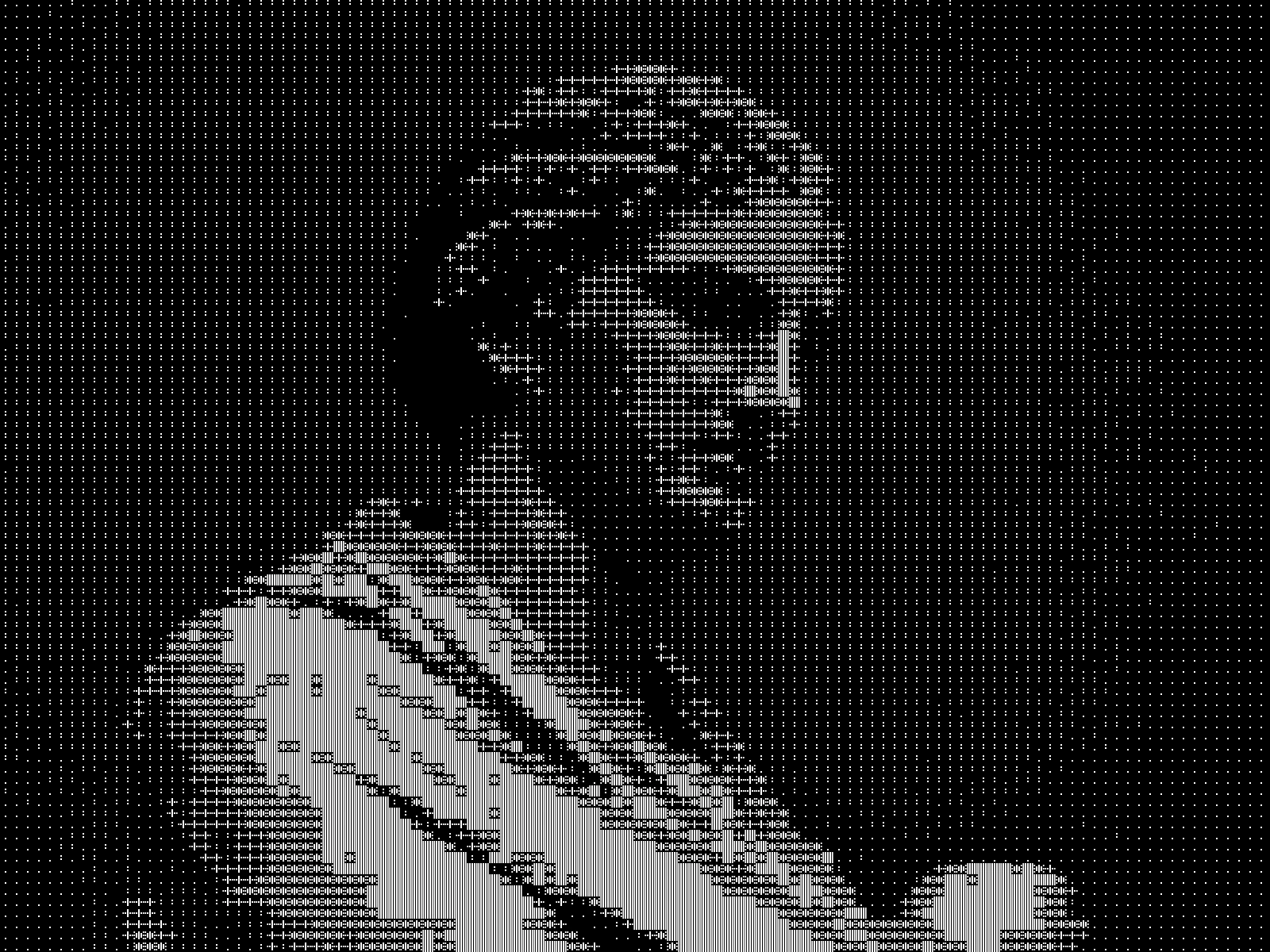
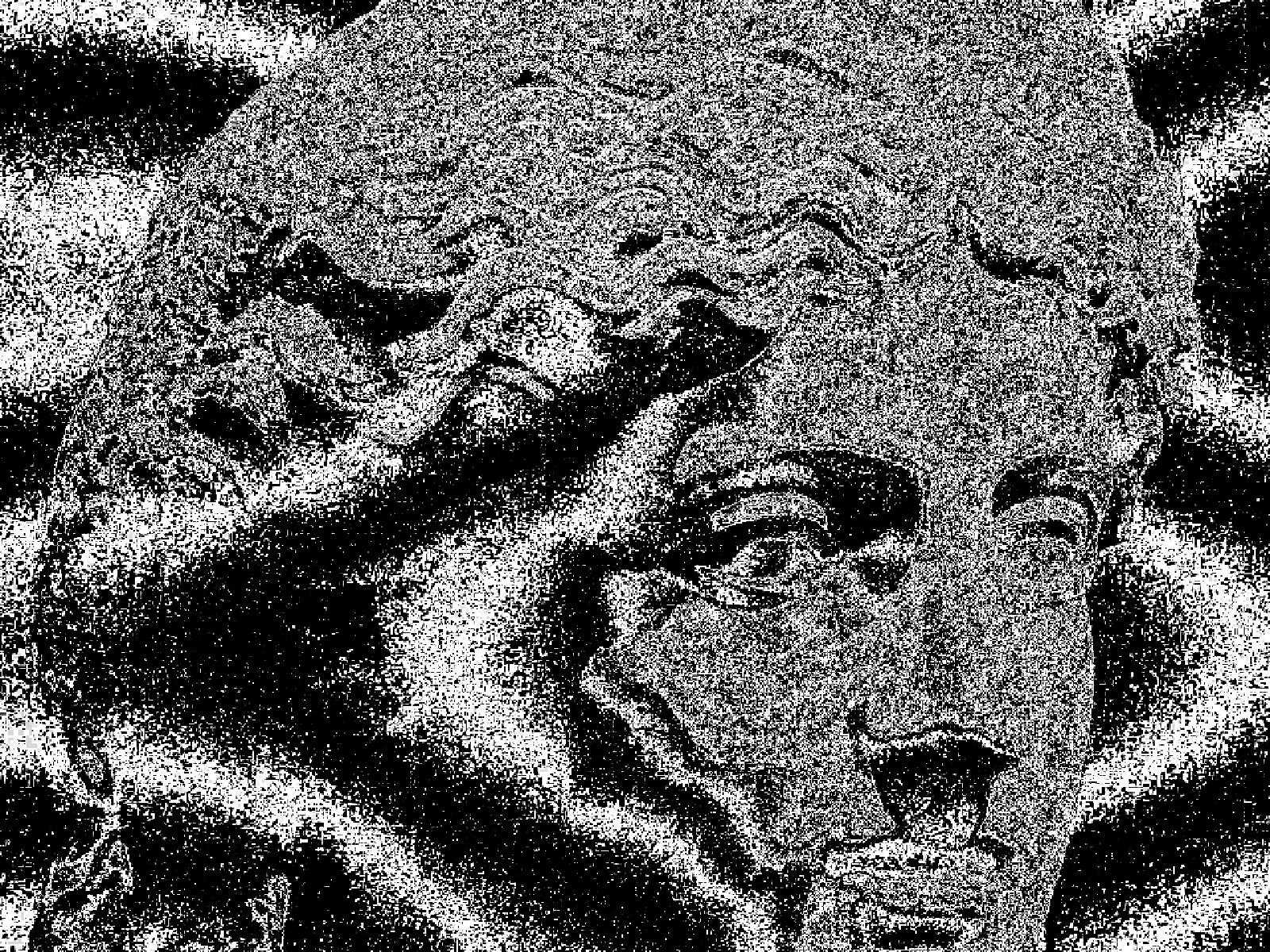
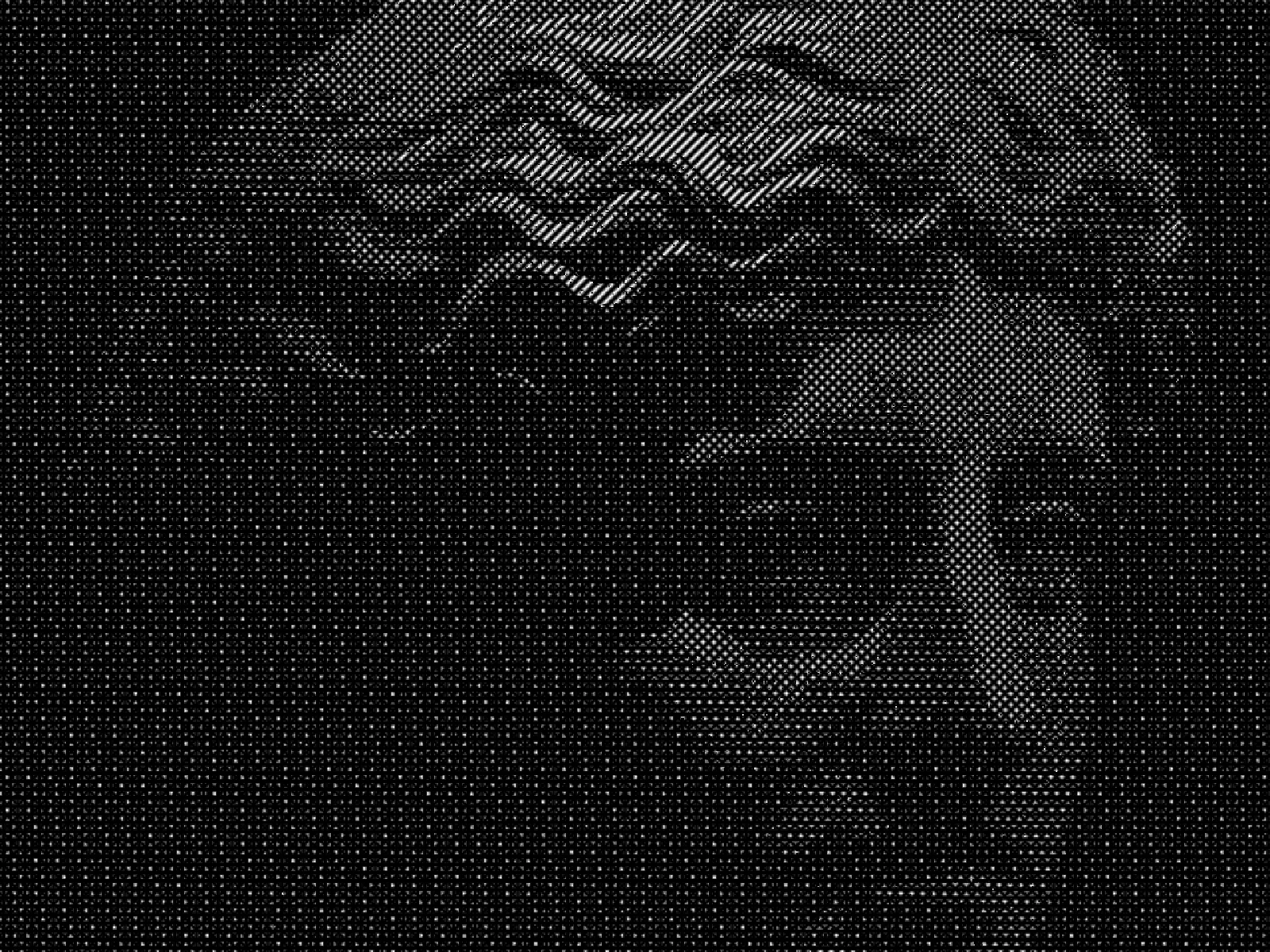
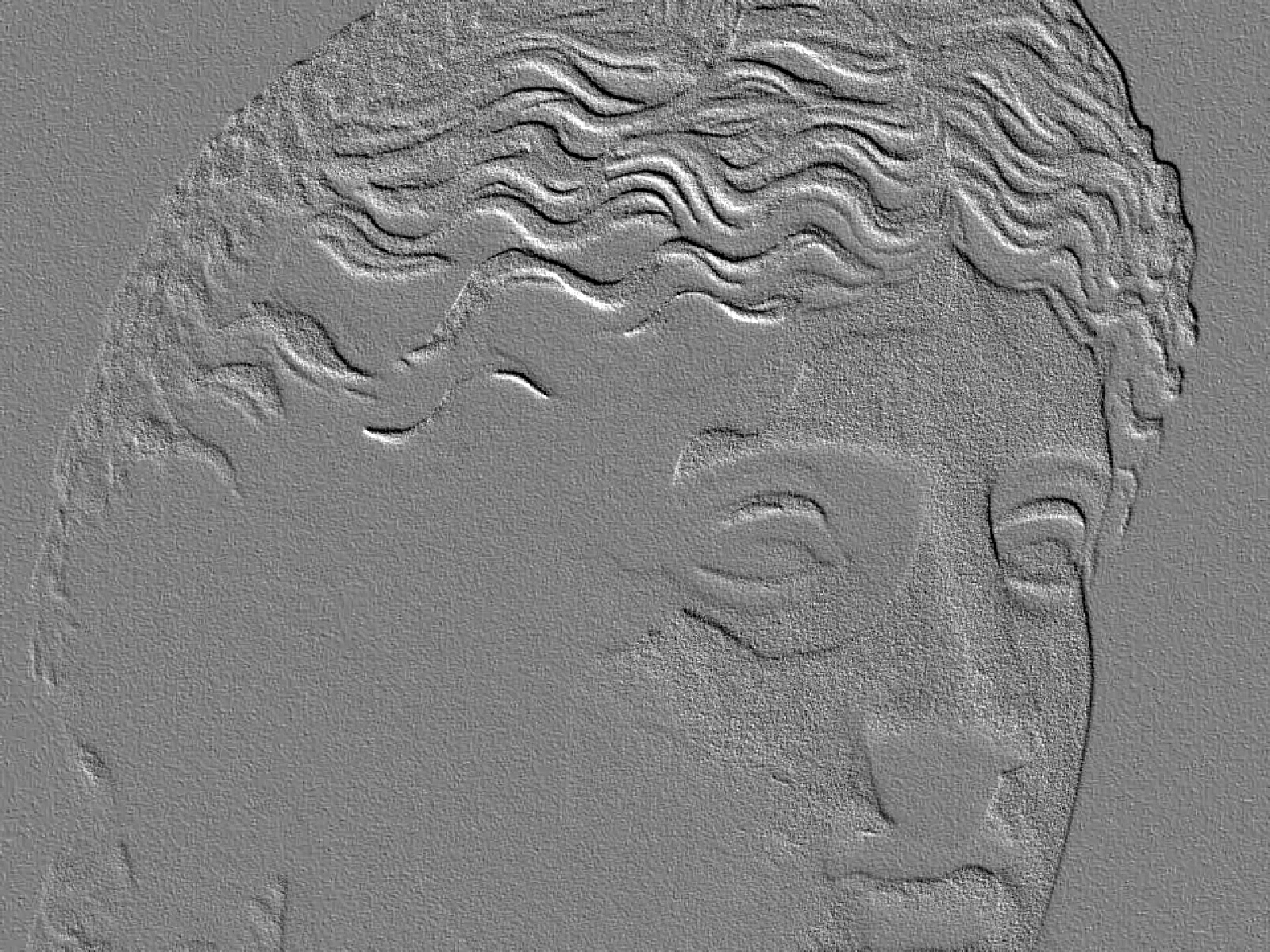
This effect inverts luminance and emphasises edges so denser regions read bright against a dark ground, imitating a radiographic negative rather than simply inverting colour. CONTRAST runs from 0.2 to 3 with a default of 1.2 and controls tonal separation after inversion, which determines how much internal structure survives against the black. EDGE THRESHOLD adds contour emphasis, which stands in for the boundary definition a real radiograph gets from differing tissue densities. In kott it renders on the grey base, since radiography is a monochrome medium and natural colour would misrepresent it.
04/ FAQ
- What is an x-ray effect?
- An x-ray effect inverts tone and emphasises edges so dense areas appear bright against a dark background, imitating how a radiographic plate records what blocked radiation.
- Why are bones white on an x-ray?
- Dense tissue blocks radiation, so the film underneath stays unexposed and prints bright. The convention is a direct consequence of the physics rather than a stylistic decision.
- Why is my x-ray effect flat?
- Inversion compresses whatever tonal range the source had. Raise CONTRAST above the 1.2 default so internal structure separates instead of sitting in one narrow band.